





























Domande frequenti
1. Una giacca da corsa ti farà sudare di più?
Una giacca da trail running da uomo ben progettata è realizzata con tessuti traspiranti e che assorbono l'umidità, quindi trattiene meno sudore rispetto a una giacca pesante o non ventilata. Le caratteristiche di ventilazione come prese d'aria posteriori, cerniere o pannelli in rete consentono al calore e all'umidità di fuoriuscire.
2. Le giacche da corsa limitano i movimenti?
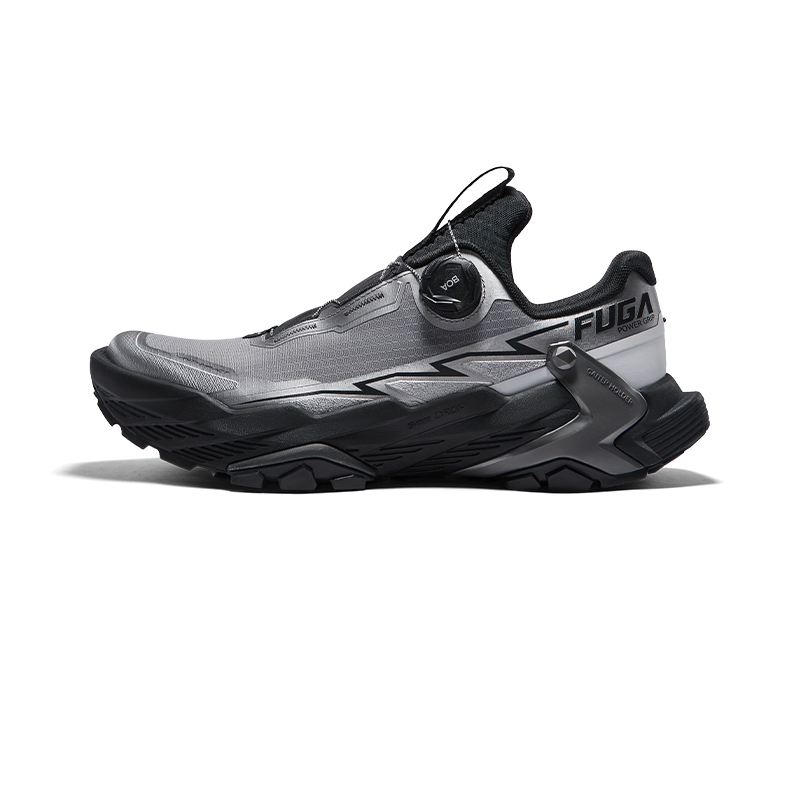
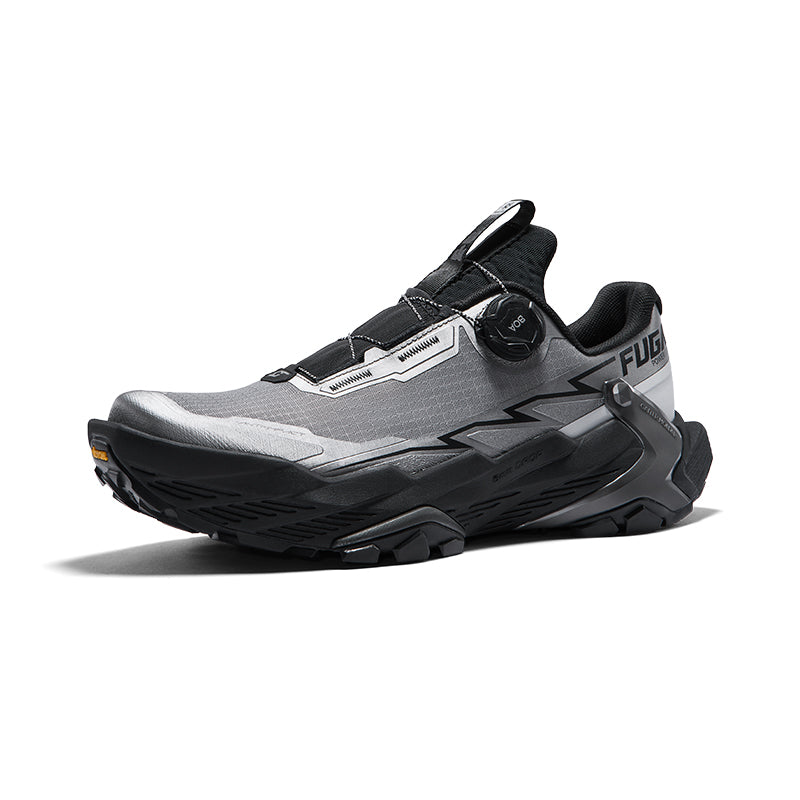
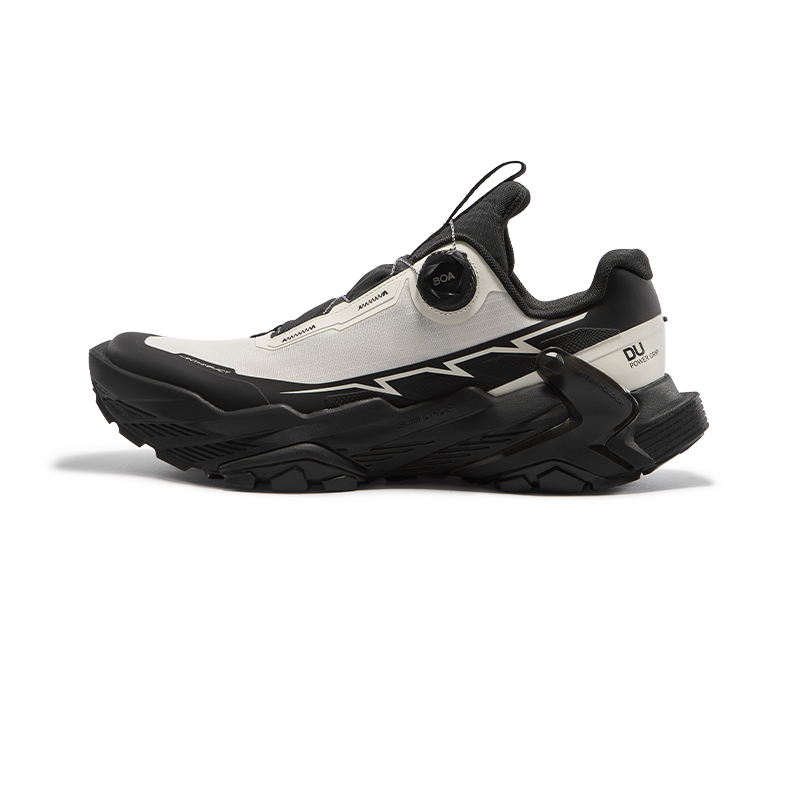
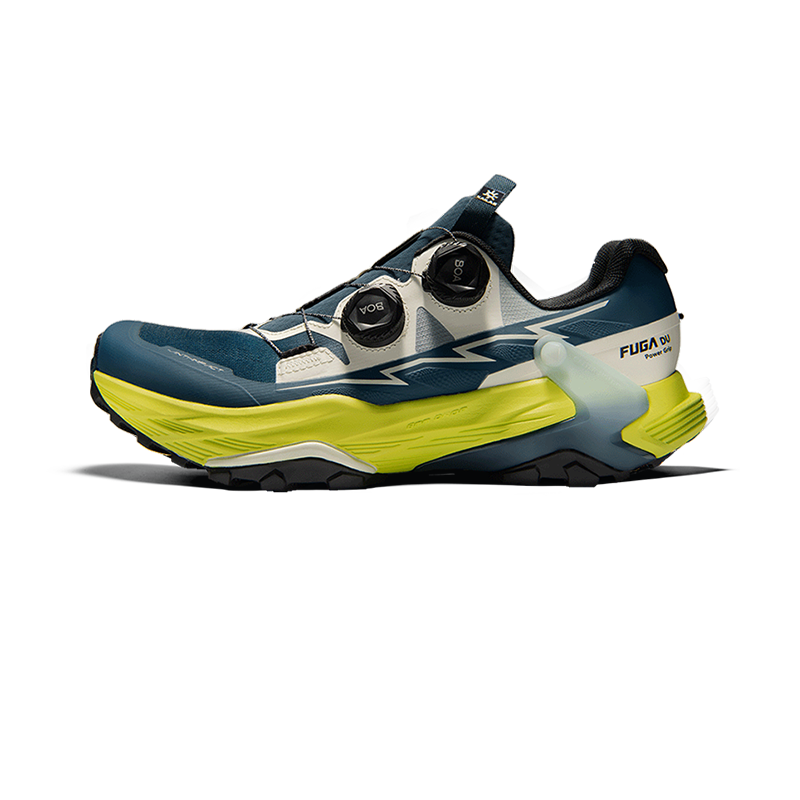
Le giacche da trail running di alta qualità sono tagliate per consentire una completa libertà di movimento. I pannelli elasticizzati su spalle e schiena, insieme alle maniche articolate, assicurano che tu possa correre in modo naturale senza sentire restricted.Jackets Le scarpe progettate per il trail running tengono conto anche del trasporto di zaini idrici o altra attrezzatura.
3. Una giacca da trail running può resistere al vento forte sui sentieri esposti?
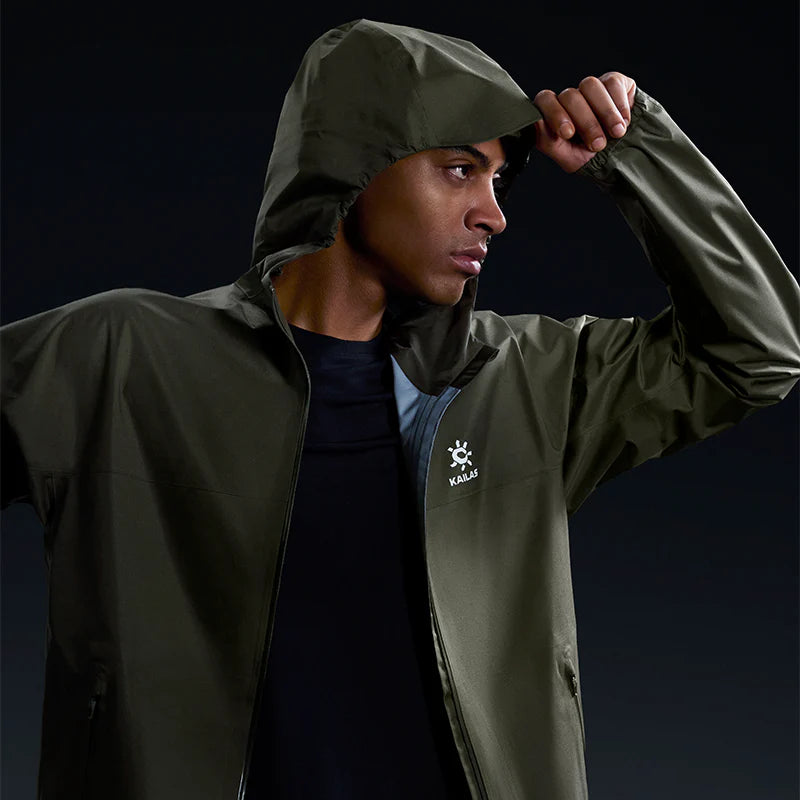
Sì, molte giacche da trail running sono realizzate con tessuti resistenti al vento o membrane laminate che bloccano le raffiche su creste esposte e sentieri aperti. Cappucci e polsini regolabili aiutano a isolare dal vento mantenendo il comfort.
4. Una giacca da trail running è abbastanza impermeabile per il clima in montagna?
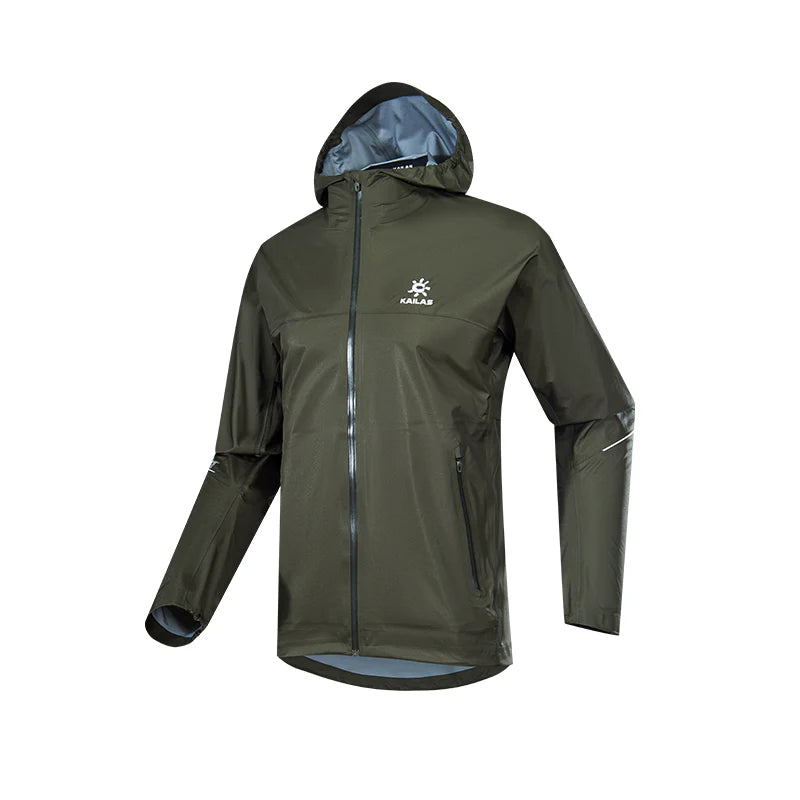
Le giacche da trail running spesso presentano rivestimenti idrorepellenti o completamente impermeabili e cuciture sigillate per affrontare pioggia, pioggerella o neve. La pioggia leggera o gli acquazzoni brevi sono facilmente gestiti dalla maggior parte delle giacche senza aggiungere un significativo weight.For In condizioni di montagna estreme, si consiglia di optare per giacche con elevata resistenza all'acqua o con membrane laminate.
5. Una giacca da trail running aiuta a regolare la temperatura corporea?
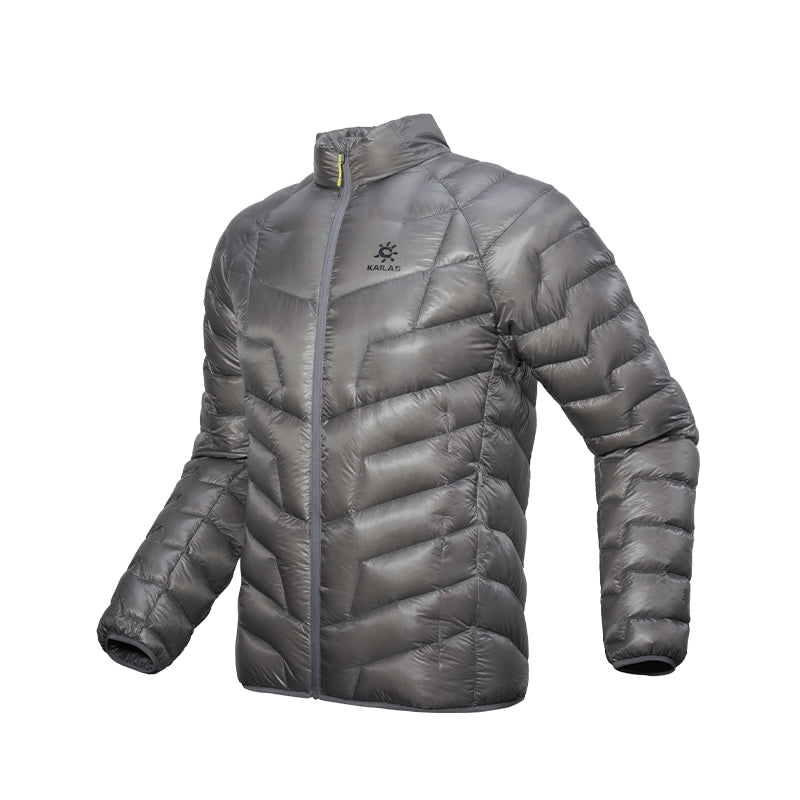
Sì, una giacca da trail running aiuta a regolare la temperatura combinando proprietà di isolamento, ventilazione e assorbimento dell'umidità. I tessuti traspiranti rilasciano il calore in eccesso, mentre le aree antivento o isolanti trattengono il calore nelle condizioni più fredde. Indossare opportunamente uno strato di base e una giacca ti consente di mantenere una temperatura corporea stabile su terreni variabili.
6. Cosa dovrebbero indossare gli uomini per il trail running sotto la pioggia?
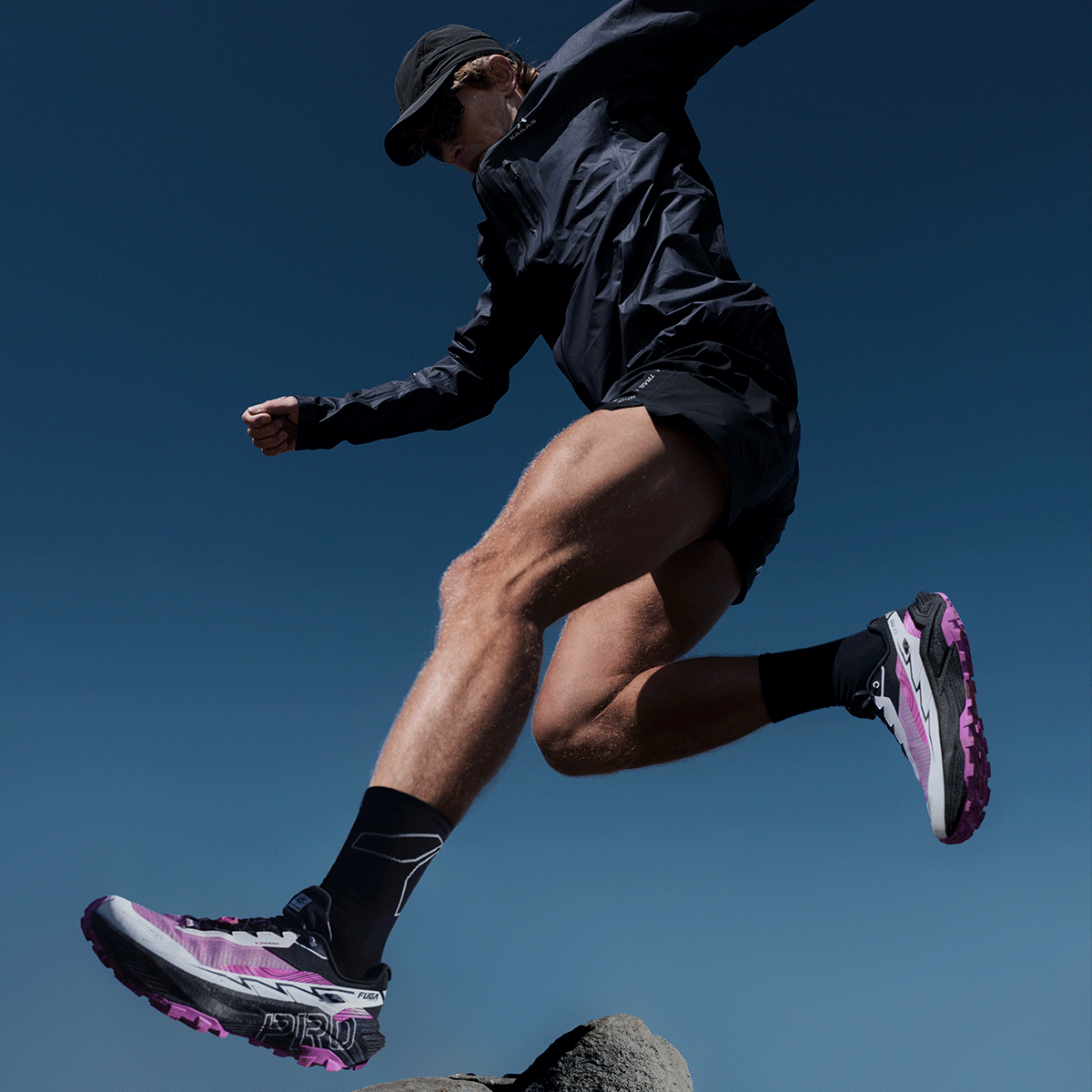
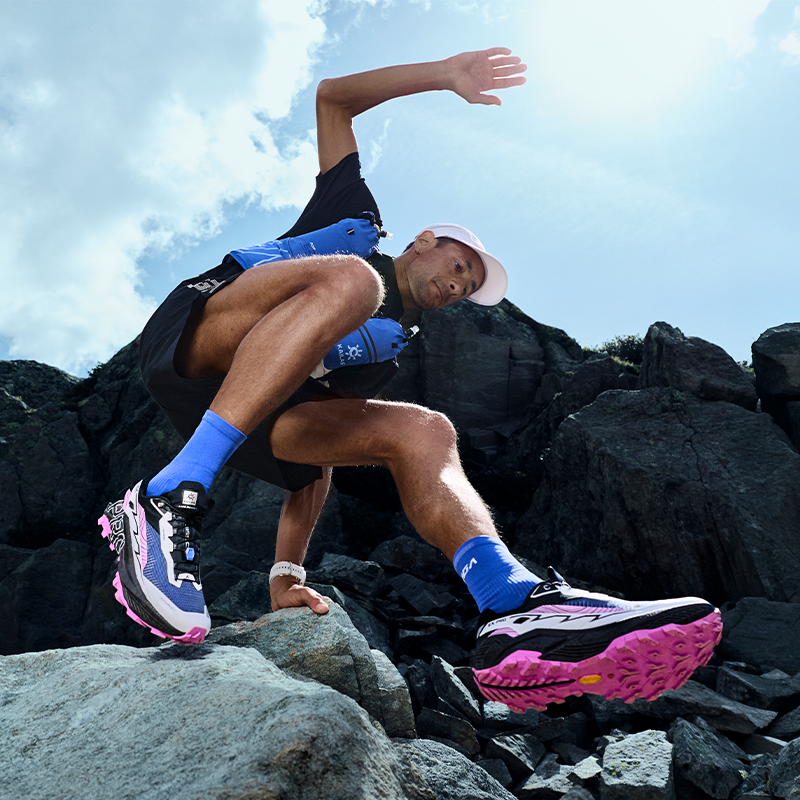
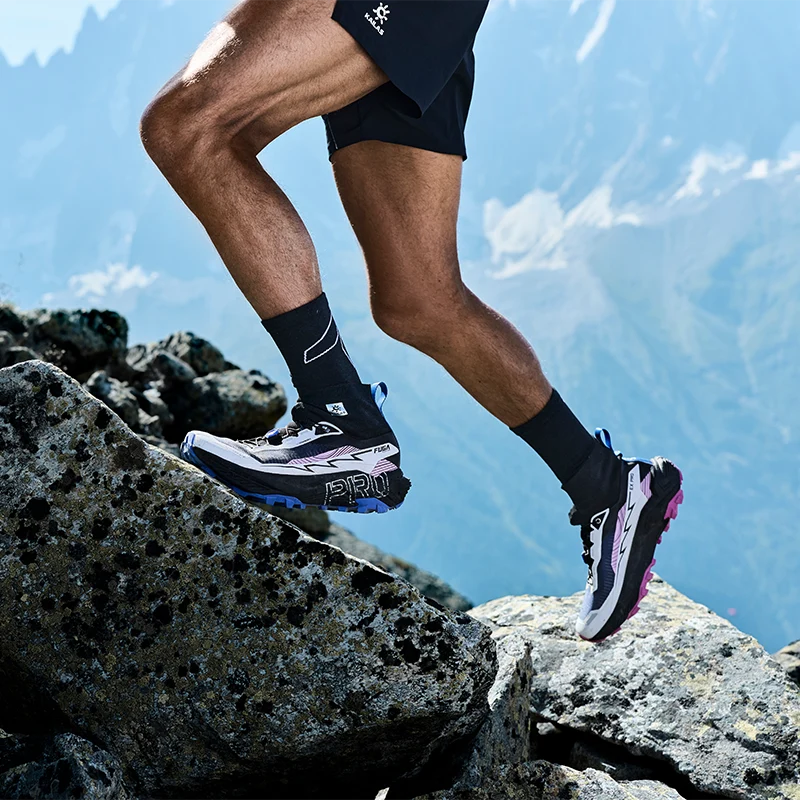
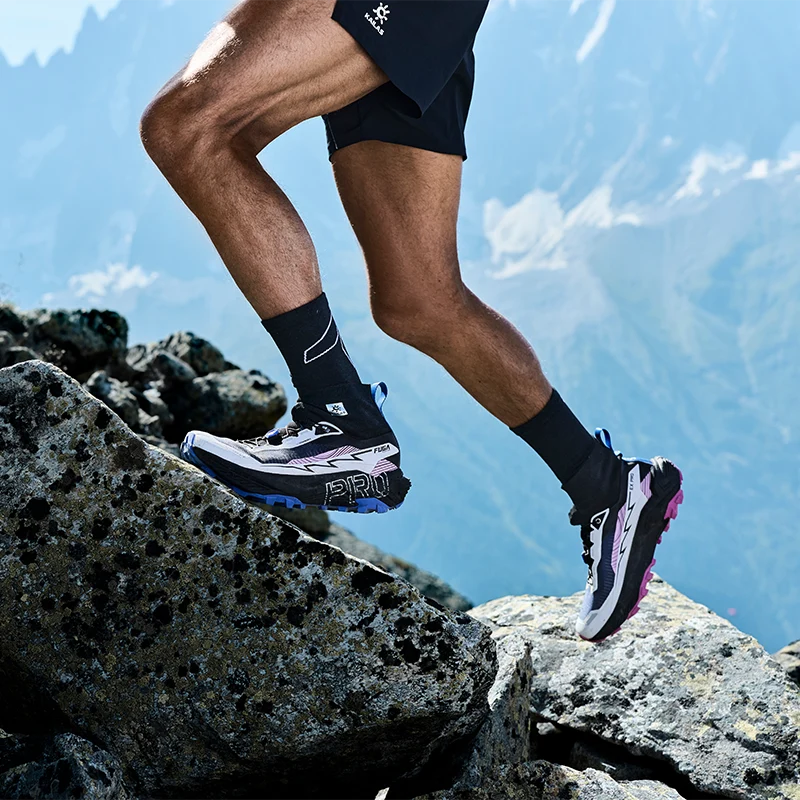
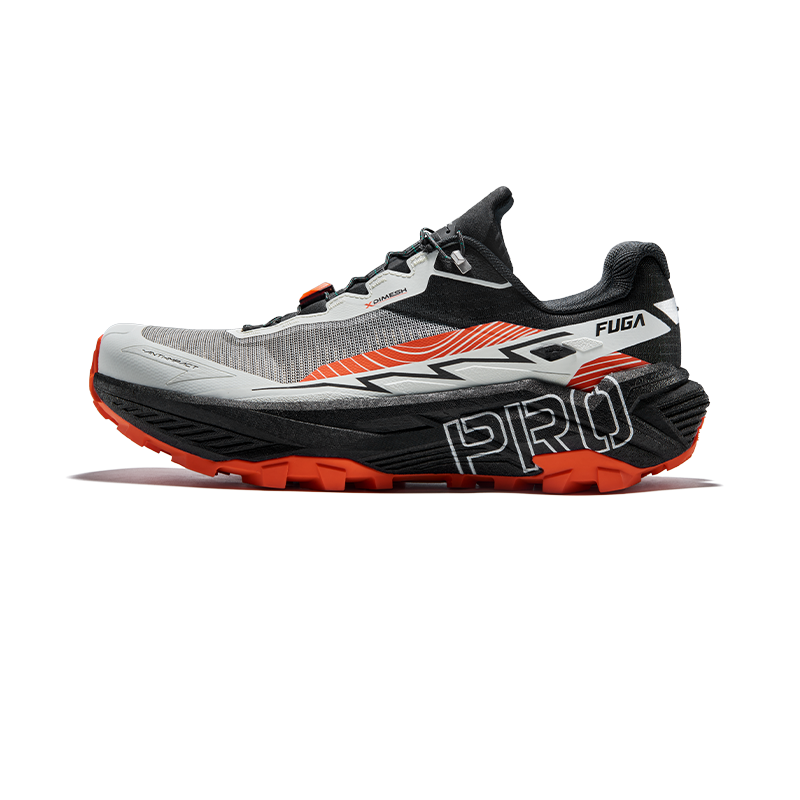
Indossa una giacca da corsa leggera e impermeabile sopra un top traspirante e che allontani l'umidità, insieme a pantaloncini o pantaloni ad asciugatura rapida. Scegli scarpe da trail running con una trazione affidabile su rocce bagnate, fango e discese scivolose, e porta con te uno strato asciutto se il percorso è lungo o esposto.