


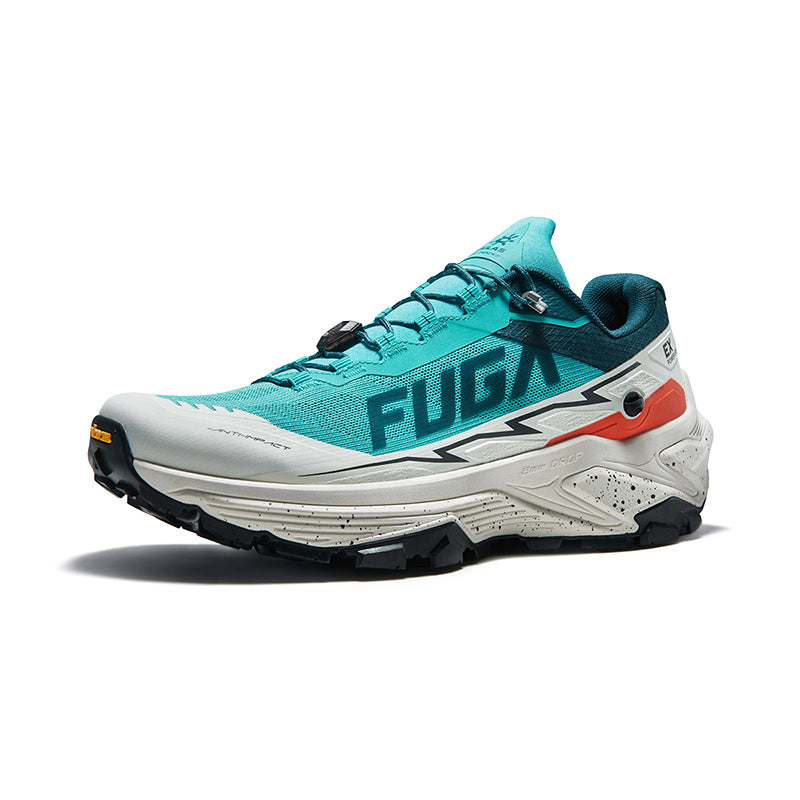
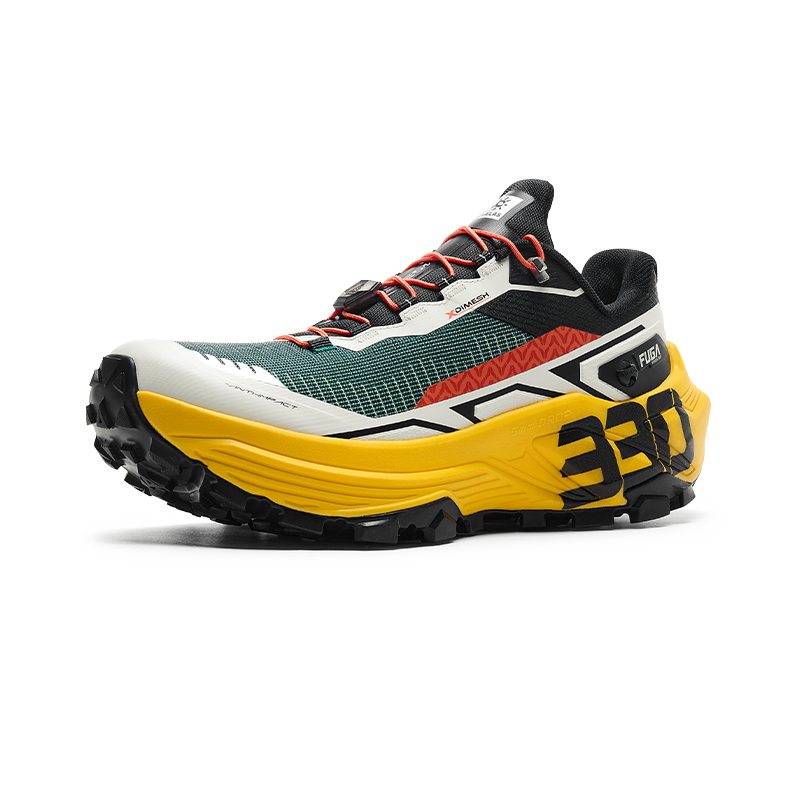
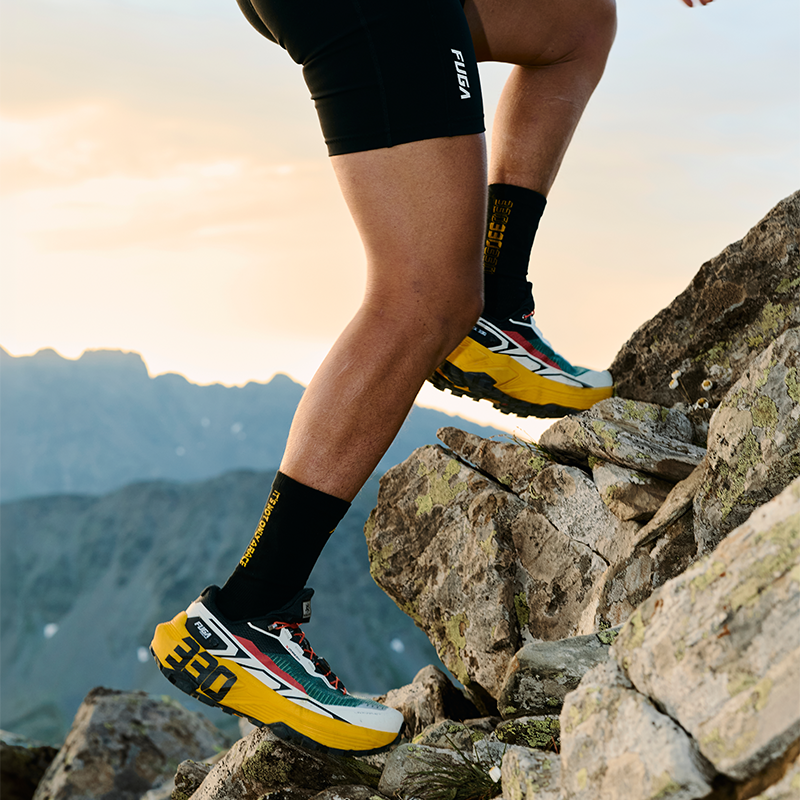
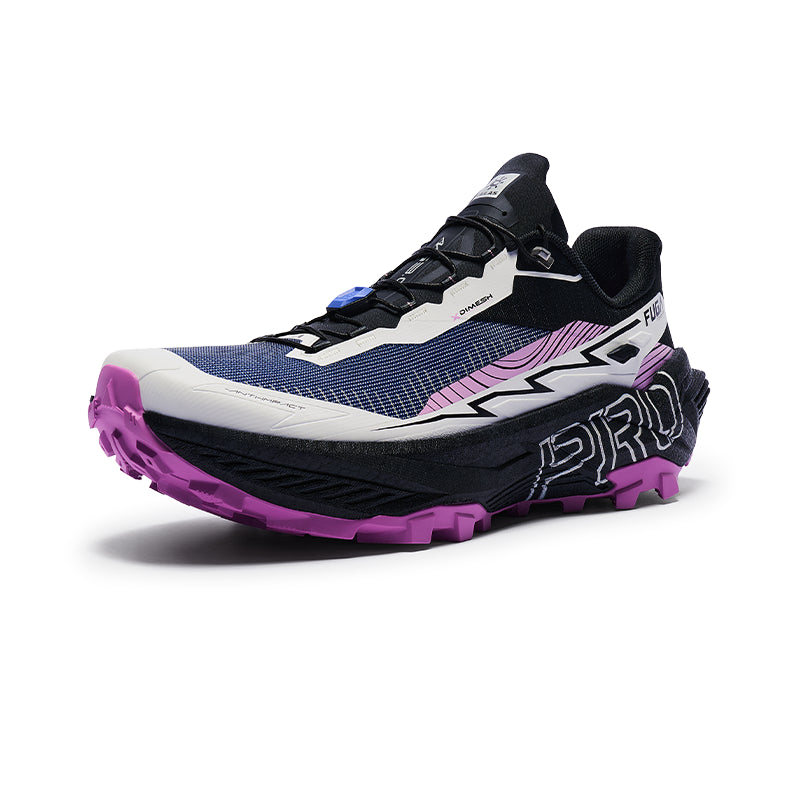
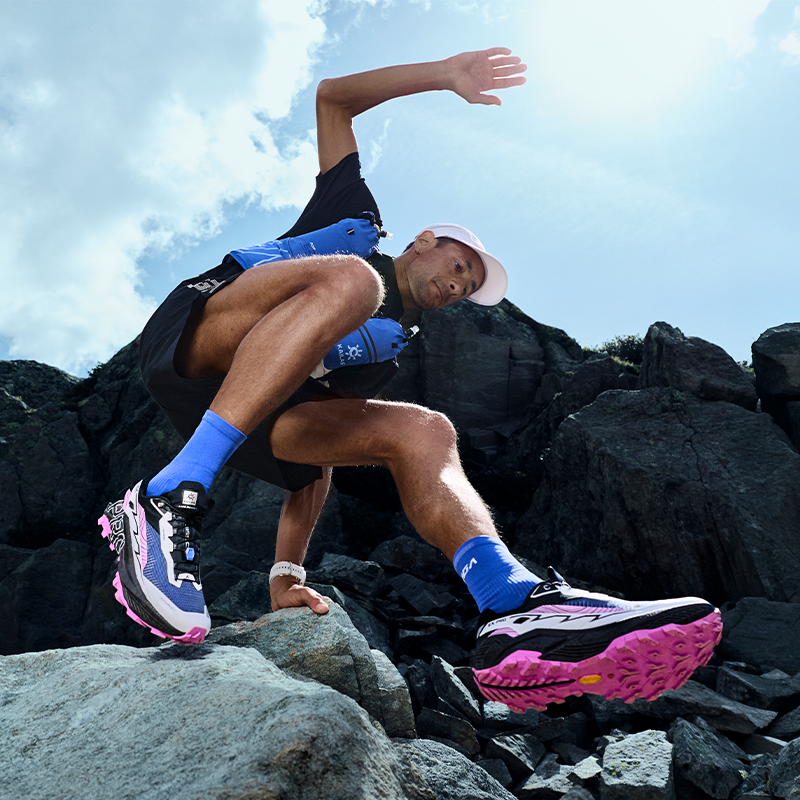
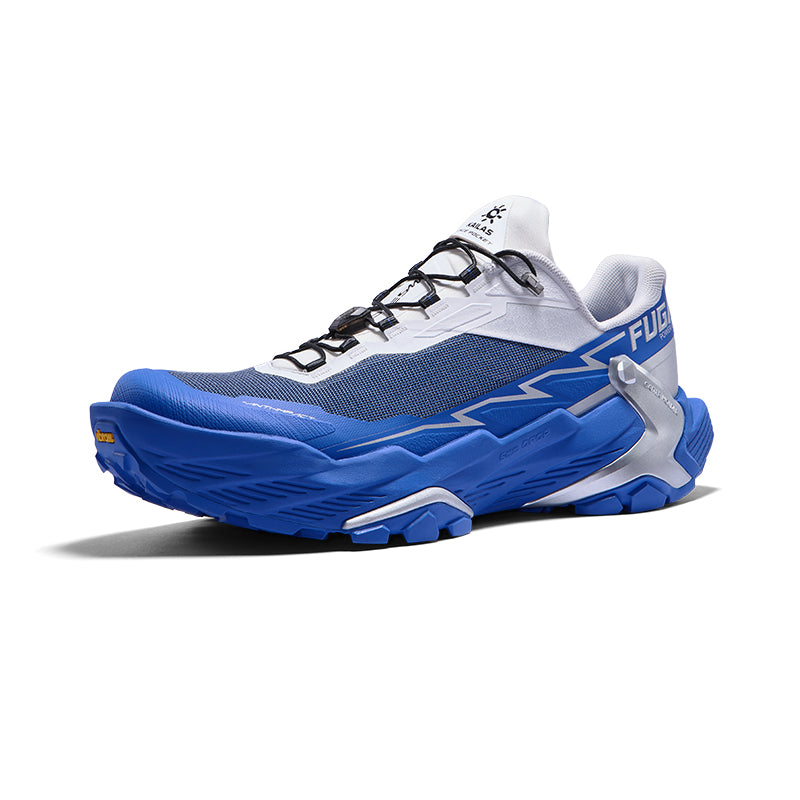
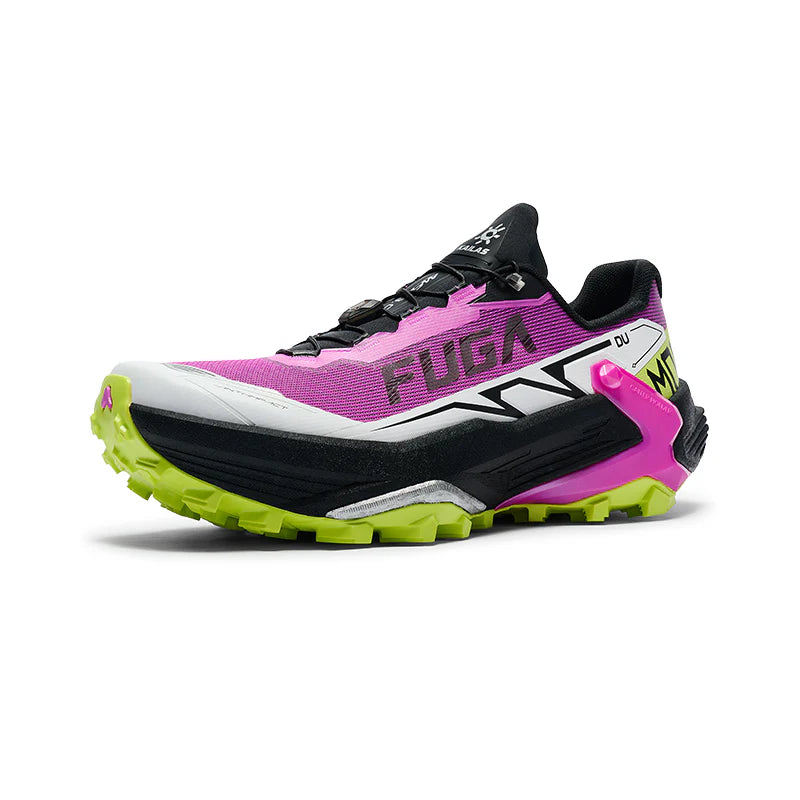
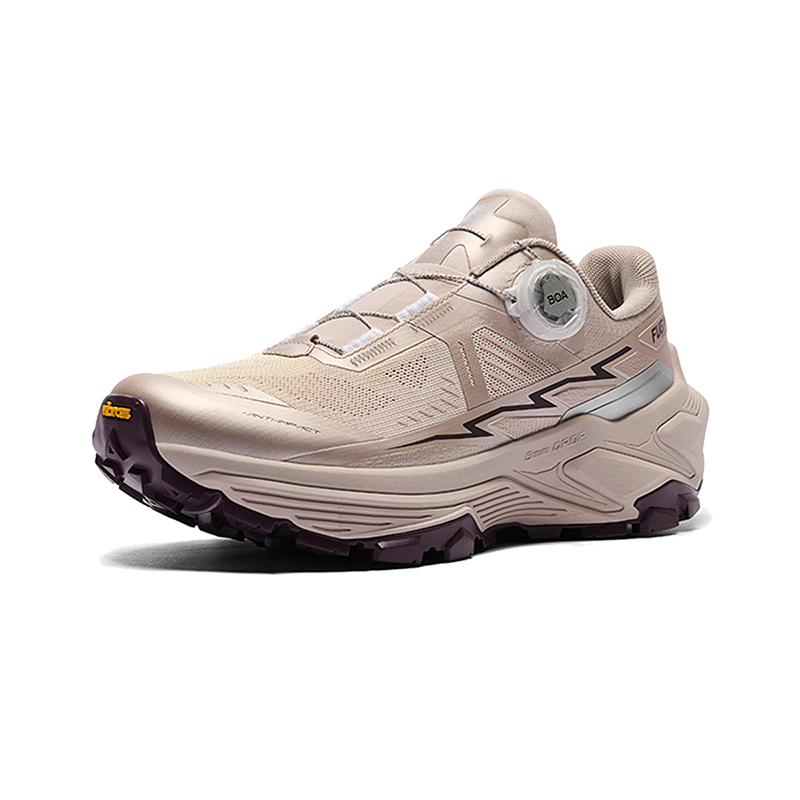
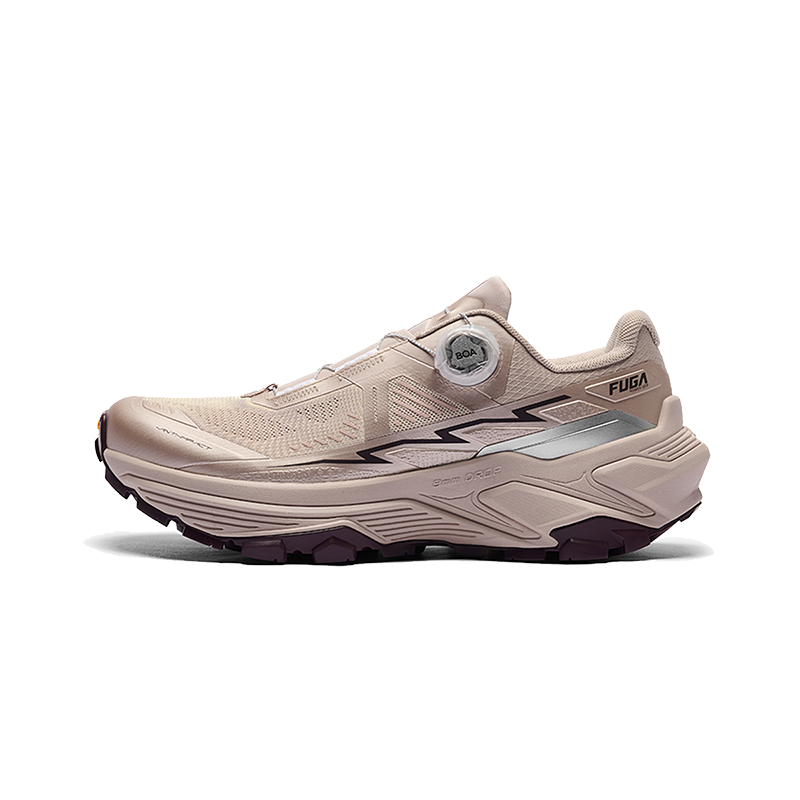
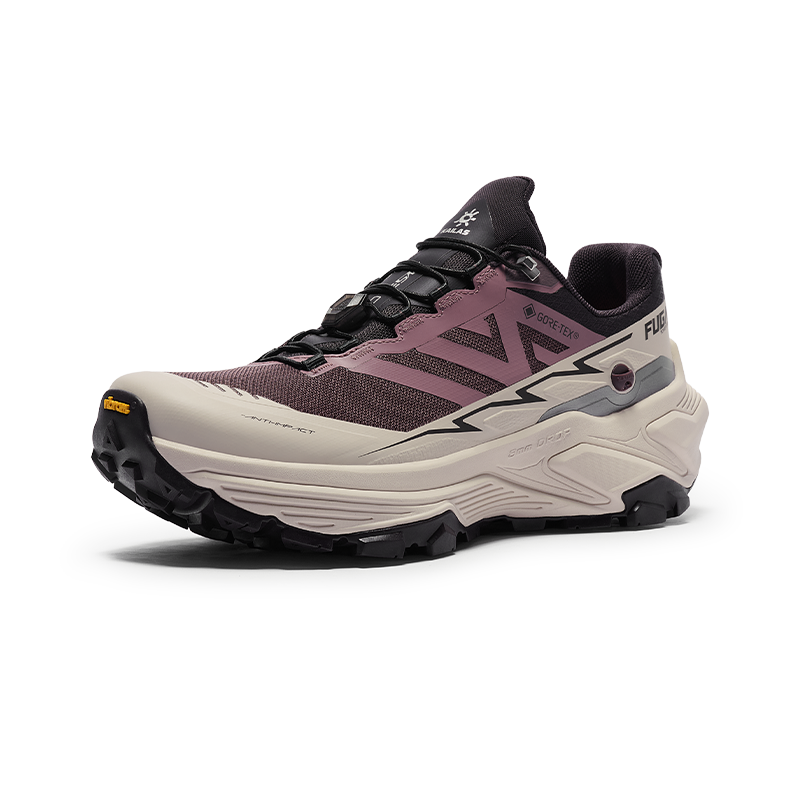
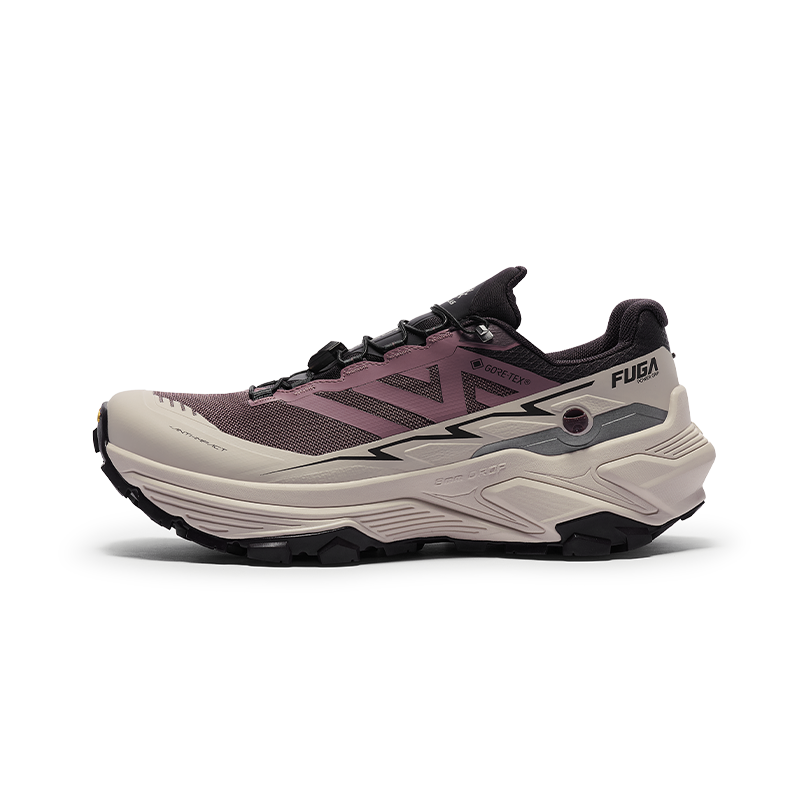
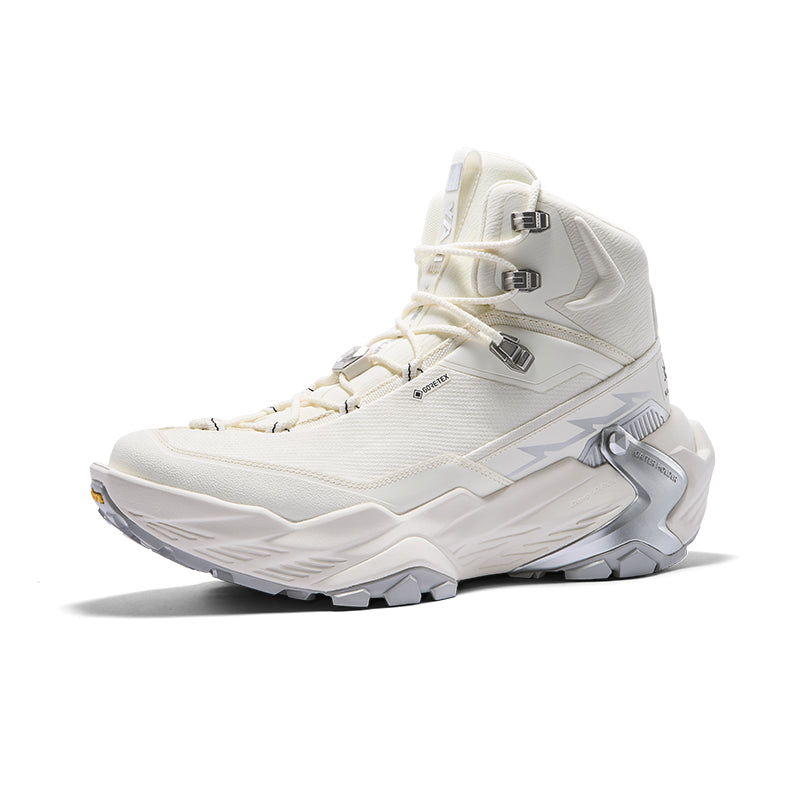
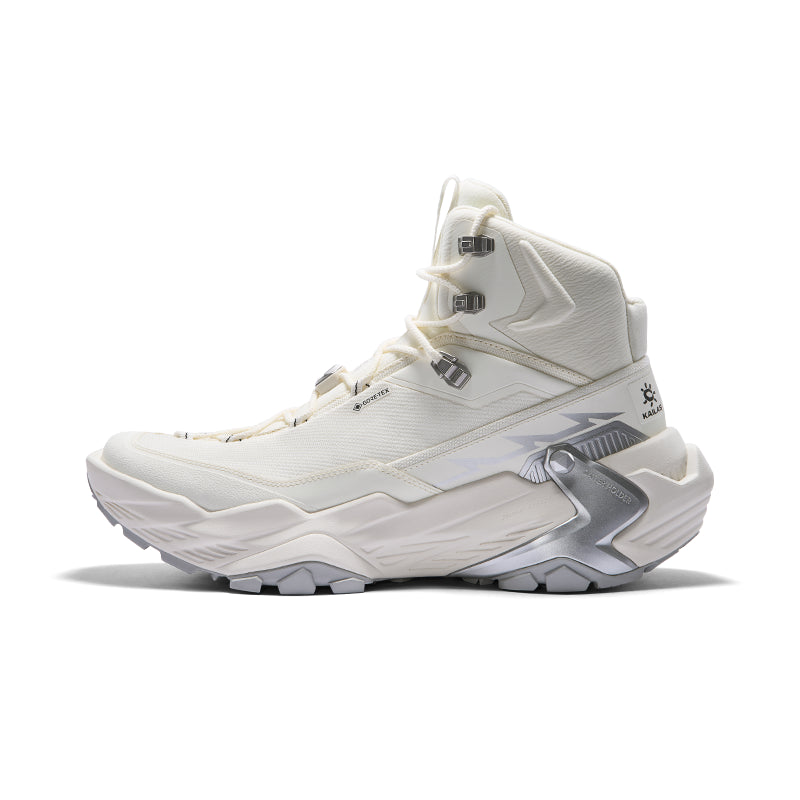
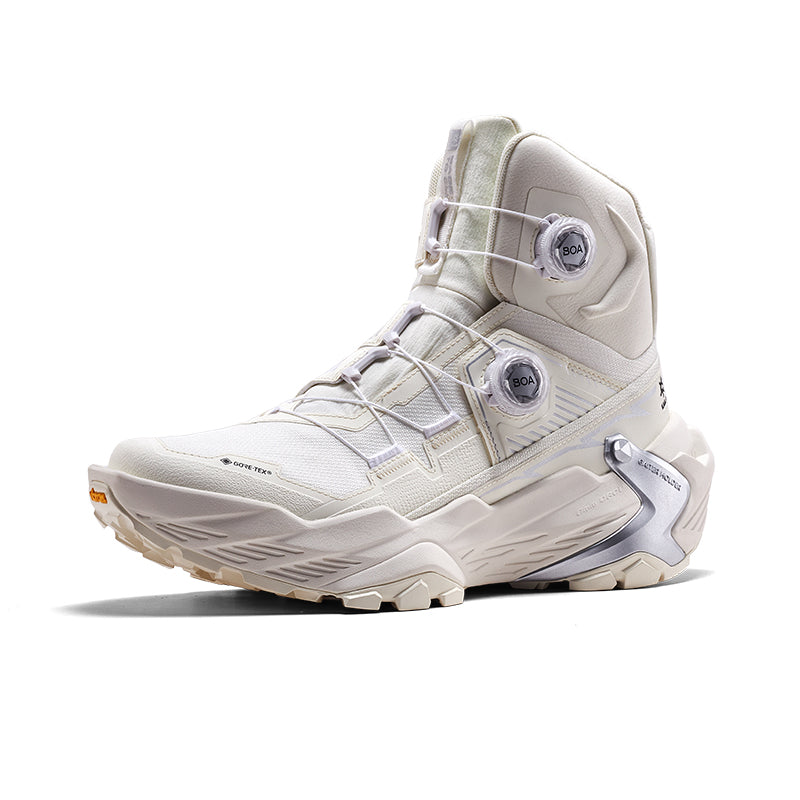
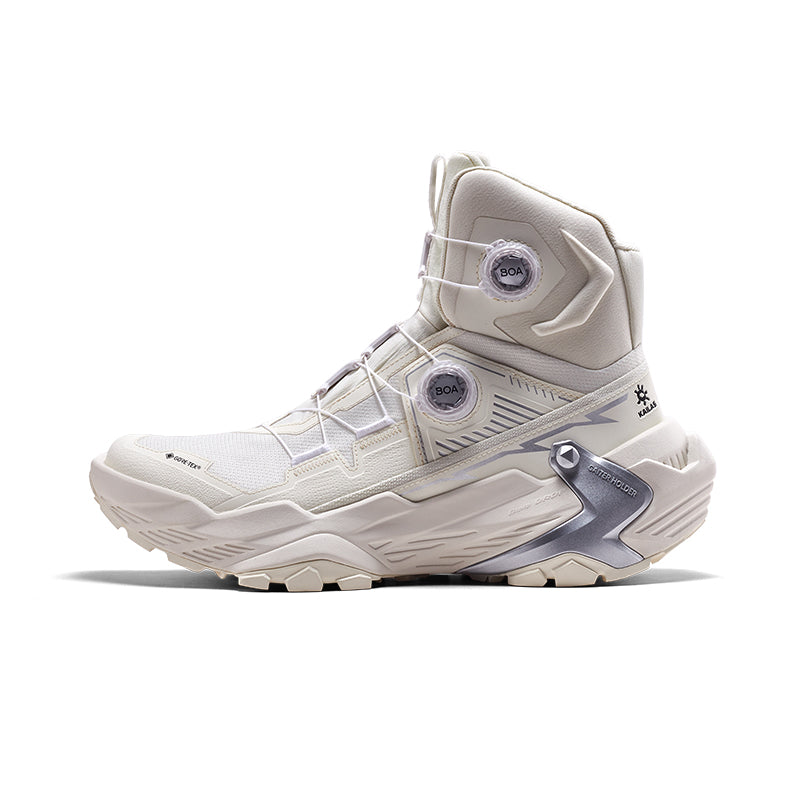
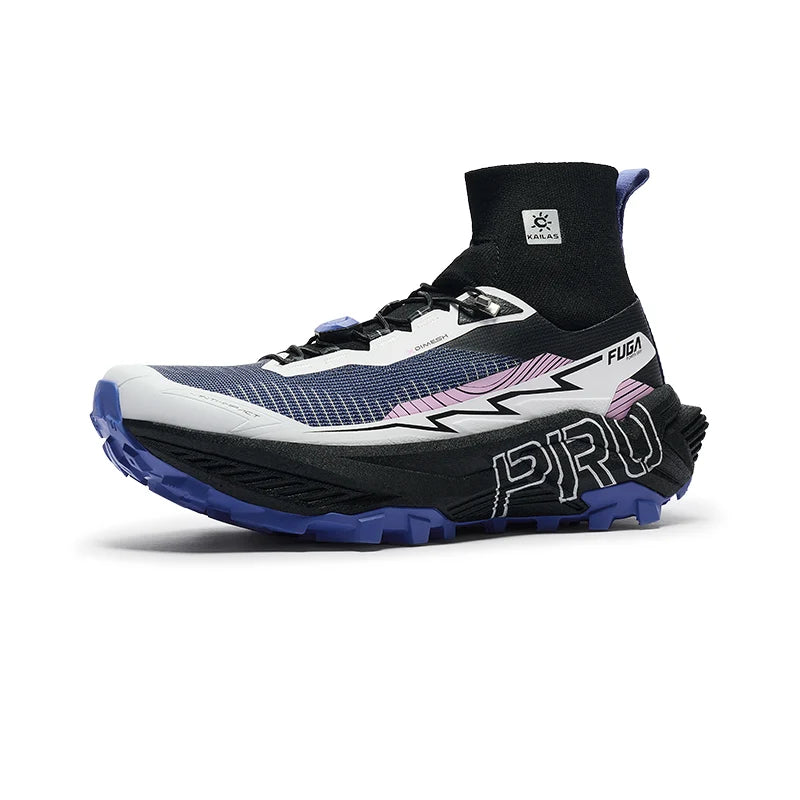
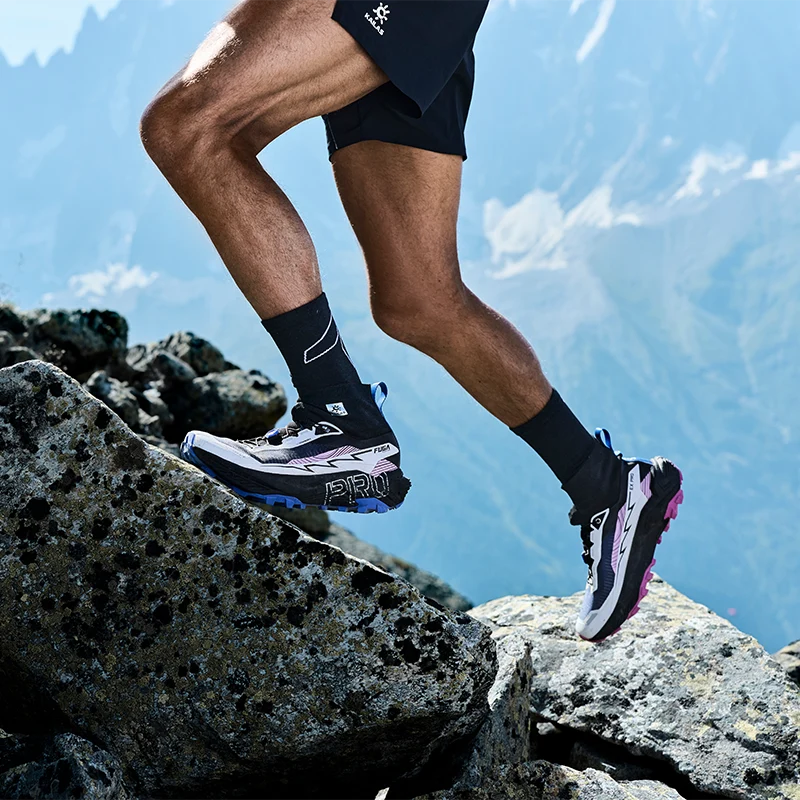
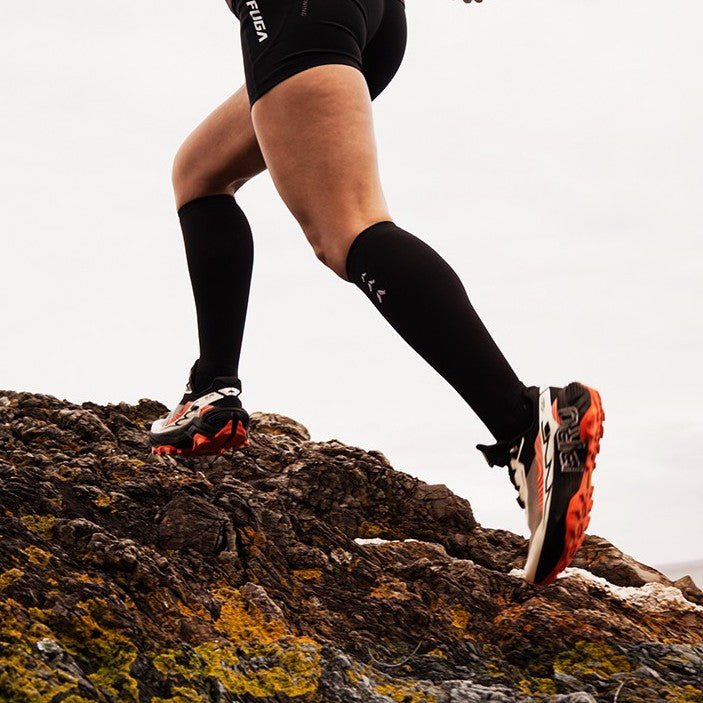
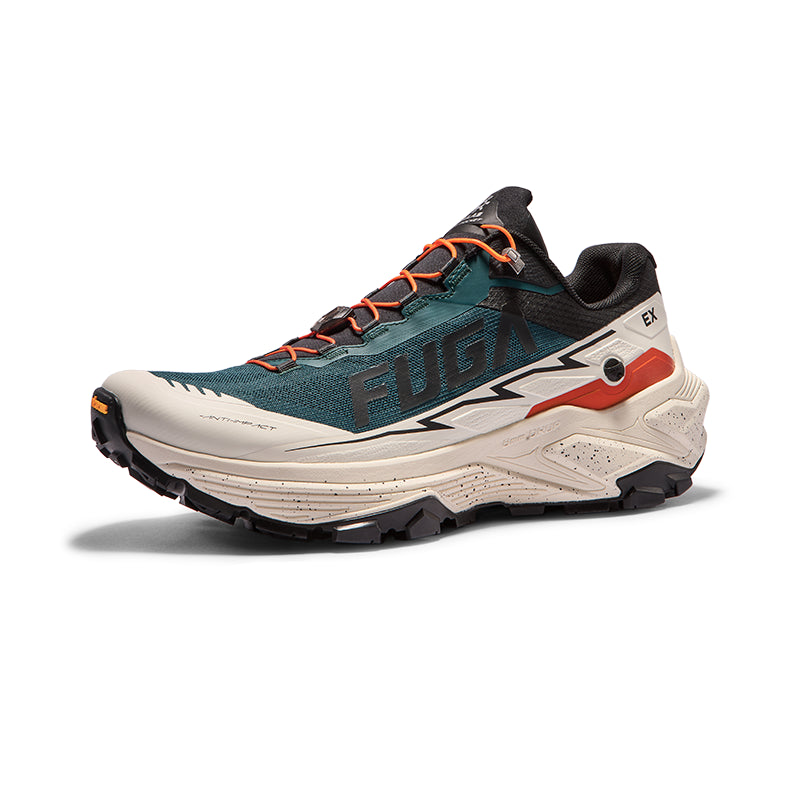
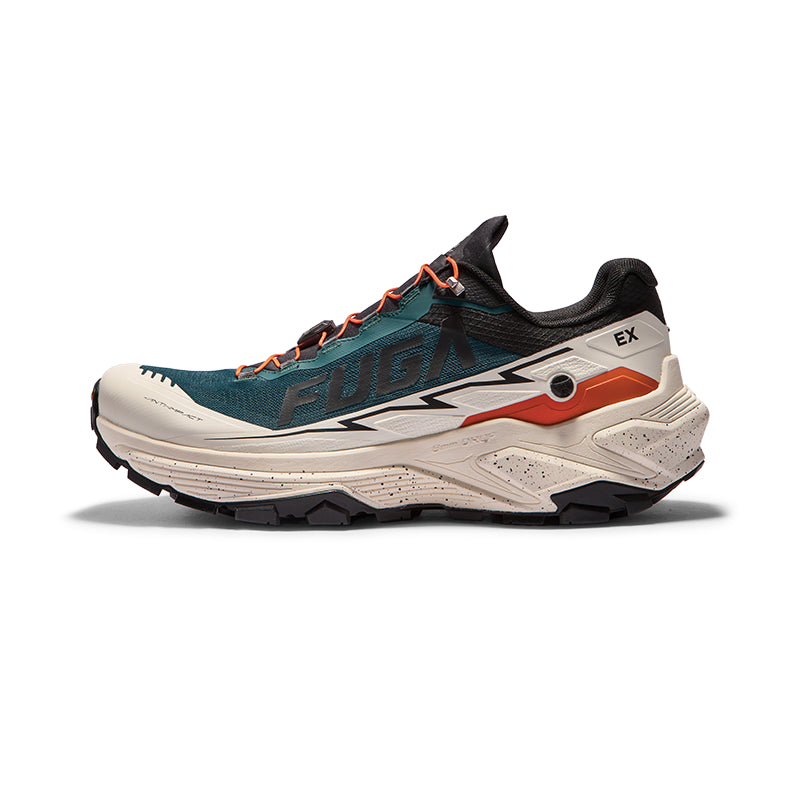
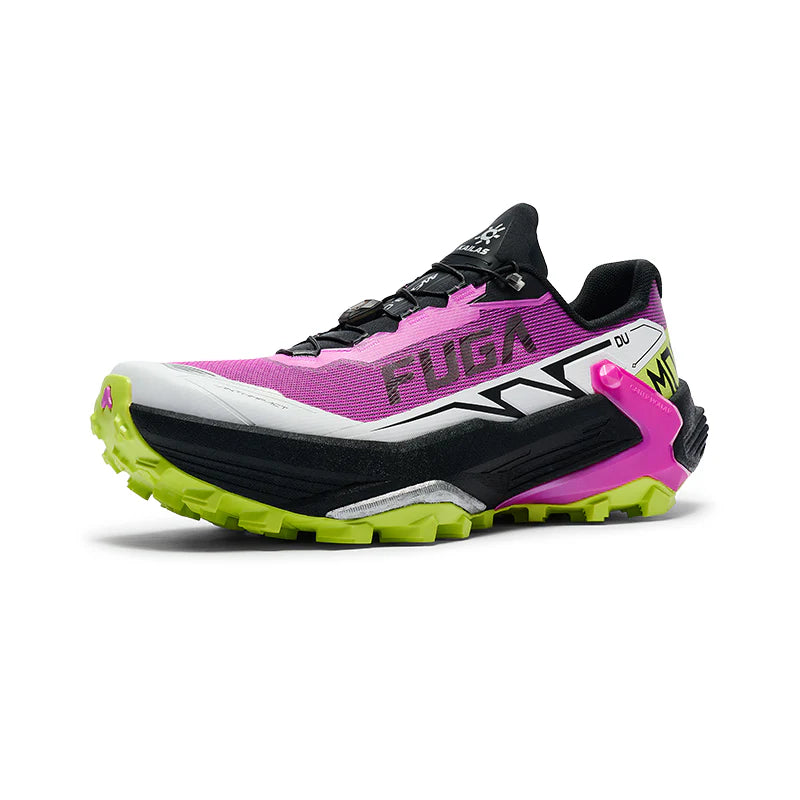
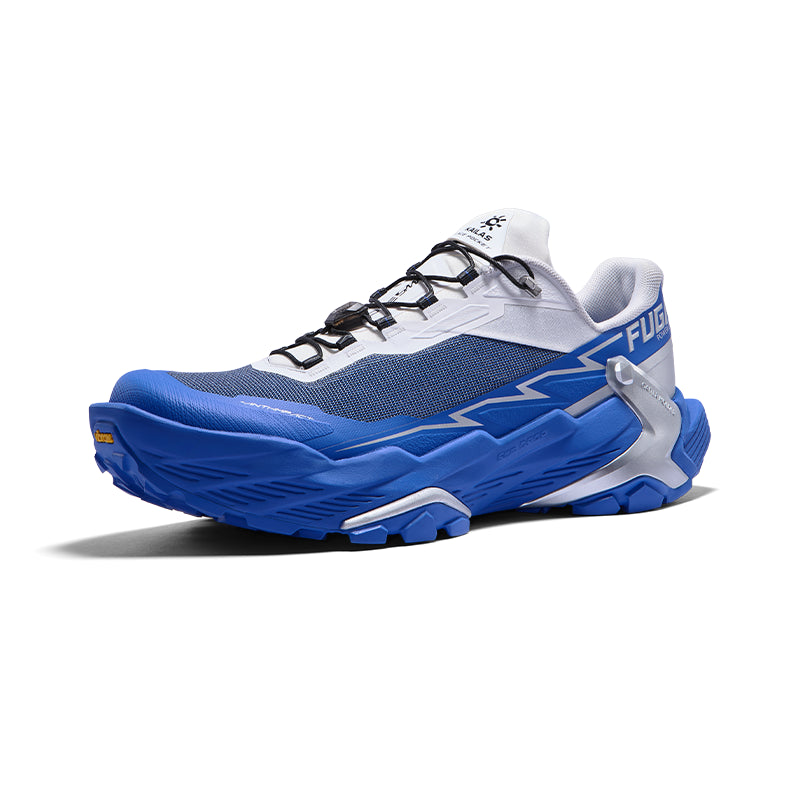
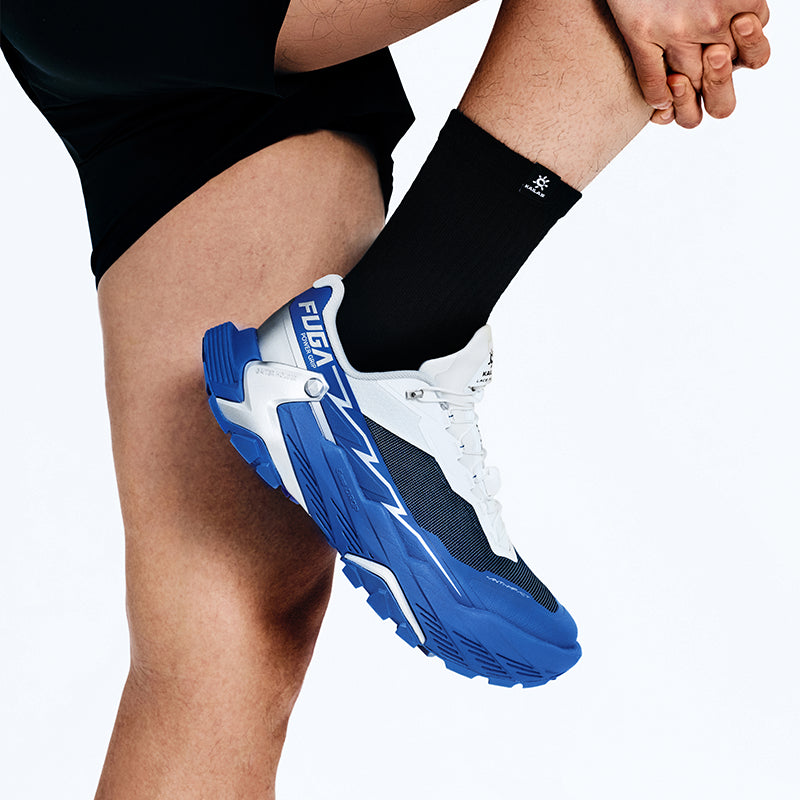
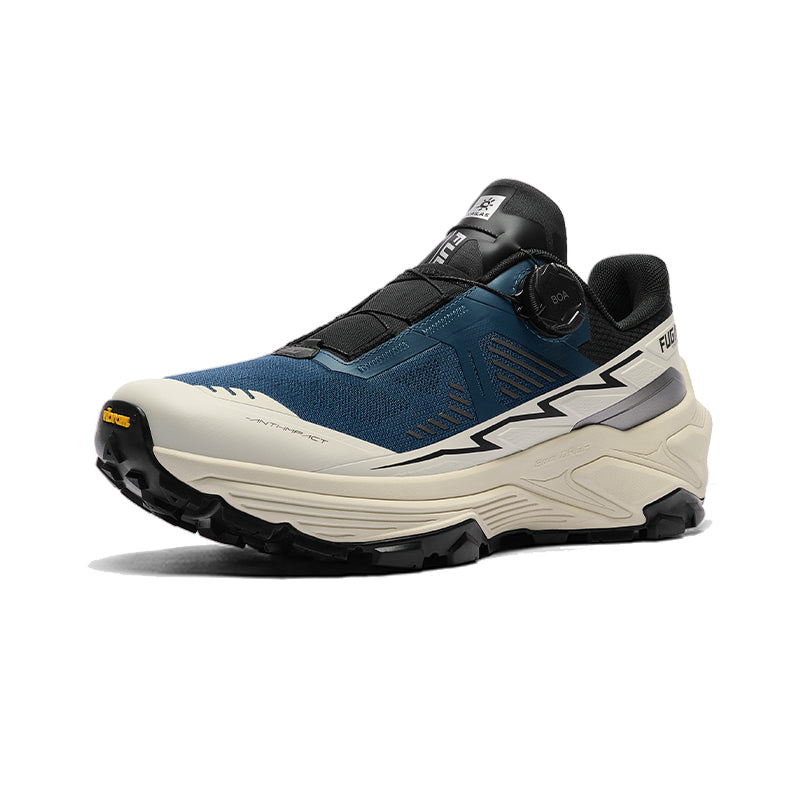
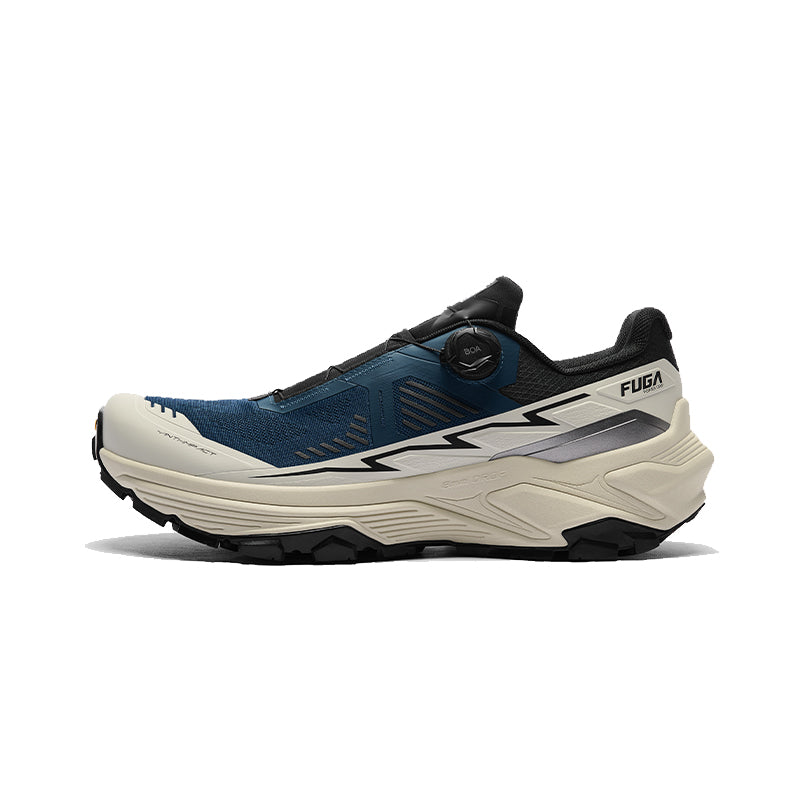
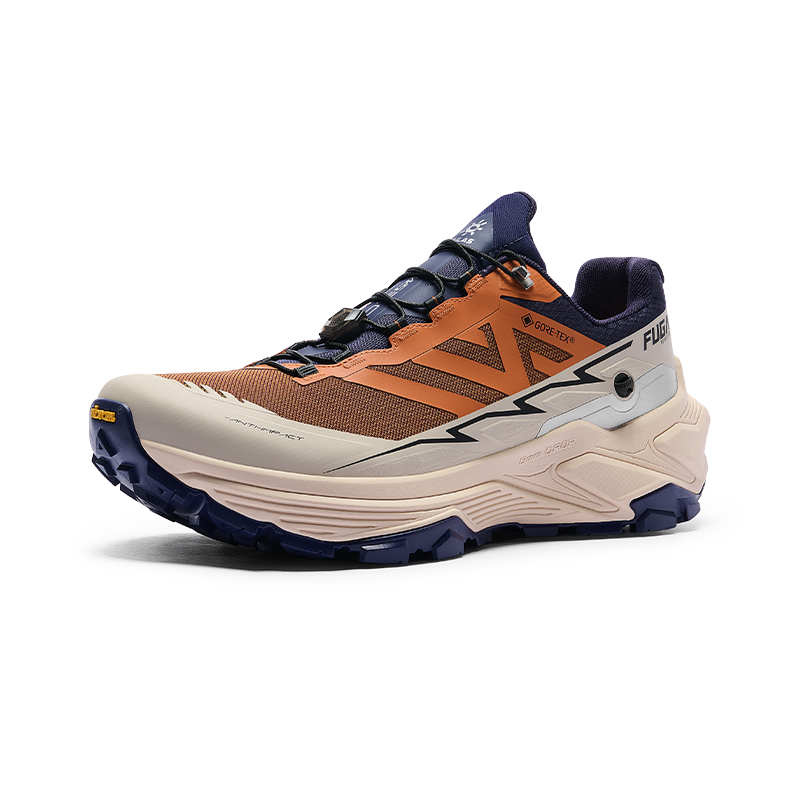
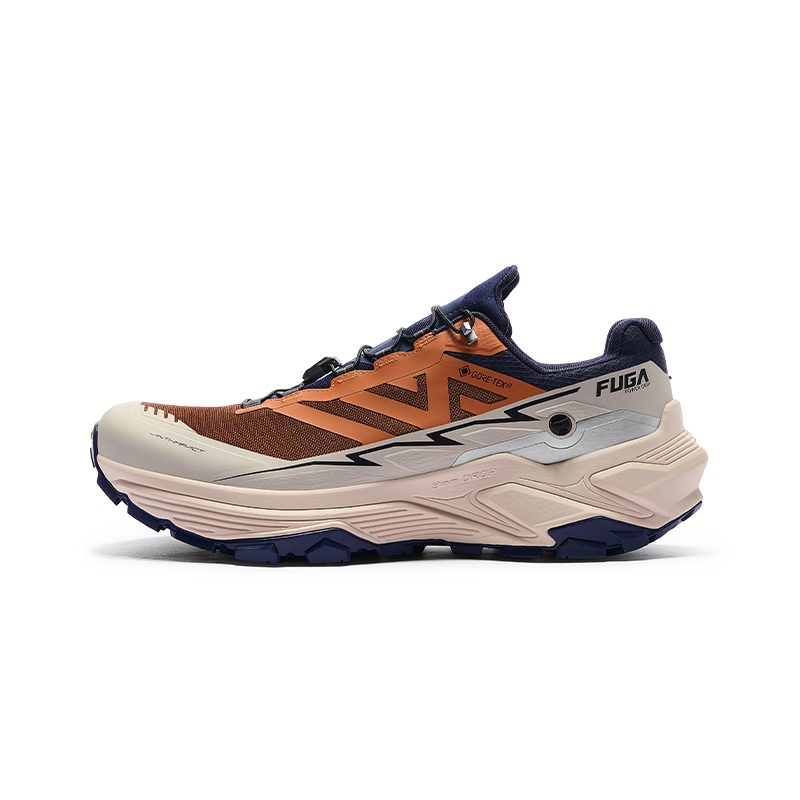
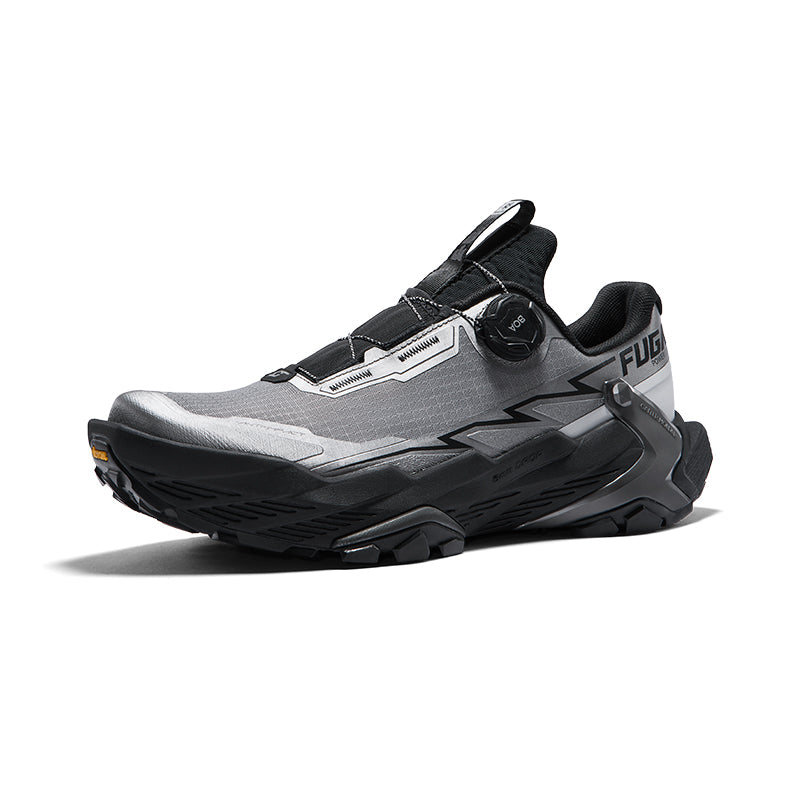
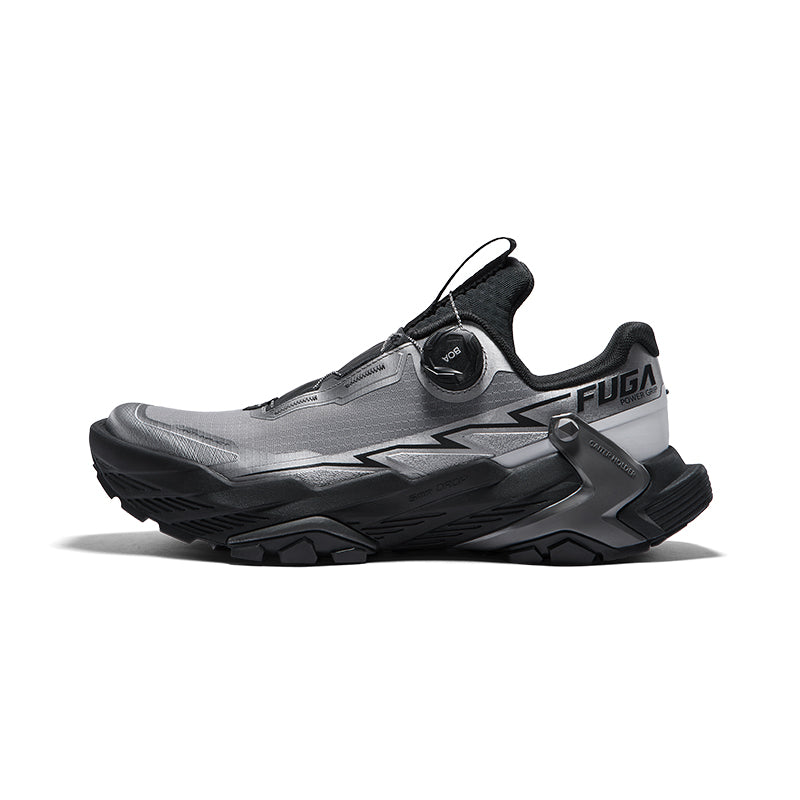
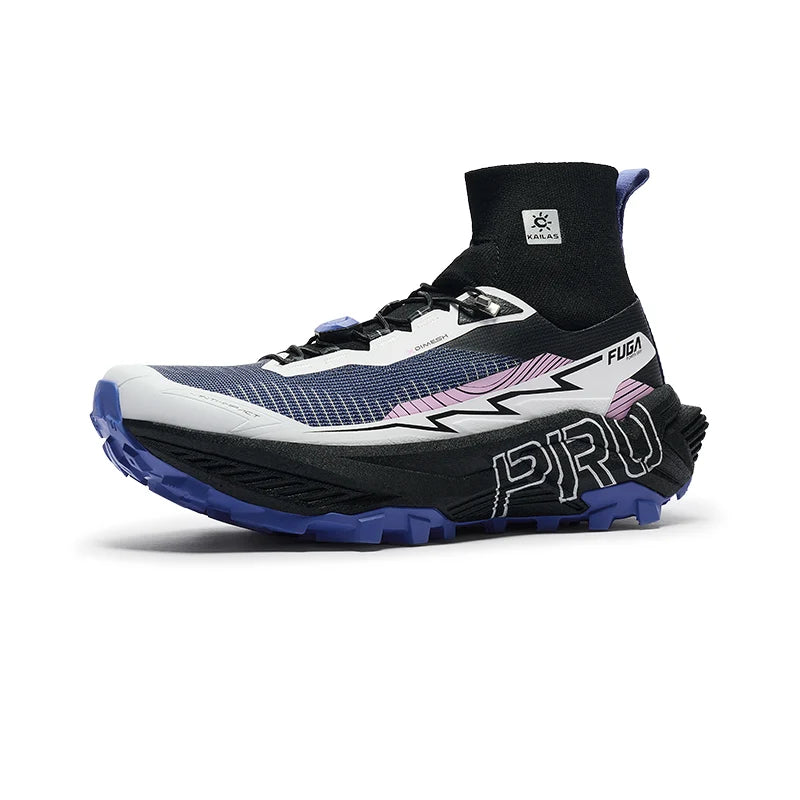
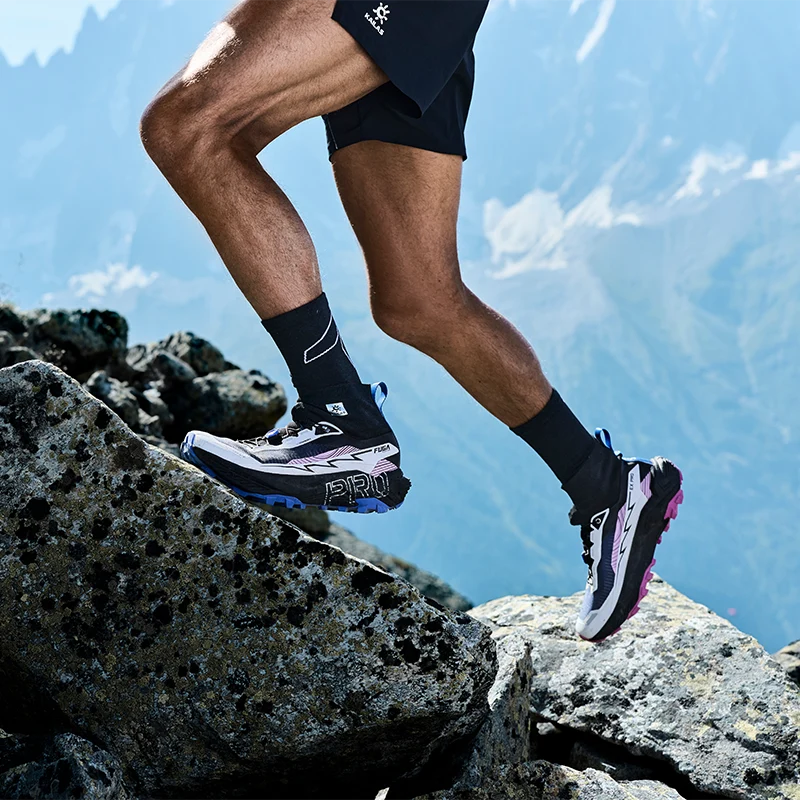
Scopri le scarpe da trail running da donna pensate per i percorsi tecnici, dai modelli leggeri e veloci alle opzioni GTX ammortizzate per le lunghe distanze e impermeabili. Intersuola reattiva, tomaia protettiva, sistema di chiusura BOA® sicuro e trazione adatta a qualsiasi terreno offrono stabilità su superfici accidentate e variabili.
















Domande frequenti
1. Le scarpe da trail running da donna sono adatte ai principianti?
Sì, le scarpe da trail running possono essere un'ottima opzione per i principianti, soprattutto per chi inizia su terreni all'aperto. L'aderenza, la stabilità e le caratteristiche protettive aggiuntive aiutano a migliorare la sicurezza su superfici irregolari, rendendo la transizione al trail running più fluida e confortevole.
2. Come dovrebbero adattarsi le scarpe da corsa da donna?
Una vestibilità adeguata dovrebbe sentirsi sicura senza pressione. Dovrebbe esserci abbastanza spazio nella punta per consentire il movimento naturale, mentre il tallone e la parte centrale del piede rimangono stabili. Una scarpa ben adattata aiuta a ridurre l'attrito, prevenire il disagio e supportare movimenti efficienti durante la corsa.
3. Le scarpe da corsa da donna sono adatte alle condizioni di bagnato?
Alcune scarpe da corsa sono progettate per funzionare bene in ambienti umidi, in particolare i modelli da trail con materiali resistenti all'acqua o impermeabili. Anche l'aderenza gioca un ruolo importante, poiché le suole ad alta trazione aiutano a mantenere la stabilità su superfici scivolose.
4. Che tipo di suola è la migliore per il trail running?
Le suole in gomma resistente e il disegno dei tasselli ben progettato offrono le migliori prestazioni per il trail running. I tasselli più profondi garantiscono una migliore trazione su terreni sconnessi o irregolari, mentre le mescole di gomma di alta qualità aiutano a mantenere l'aderenza su superfici bagnate o rocciose.
5. Come faccio a scegliere tra scarpe da corsa su strada e scarpe da trail running?
La scelta dipende da dove corri più spesso. Le scarpe da corsa su strada sono progettate per superfici lisce e offrono una corsa più morbida e reattiva. Le scarpe da trail running si concentrano su aderenza, stabilità e protezione, rendendole più adatte a terreni irregolari o fuoristrada.
6. Con quale frequenza è opportuno sostituire le scarpe da trail running?
Le scarpe da trail running vengono generalmente sostituite ogni 300-500 miglia, a seconda del terreno e dell'utilizzo. I percorsi accidentati possono consumare le suole e l'ammortizzazione più velocemente, quindi è importante monitorare l'aderenza e il supporto generale nel tempo.
7. Le scarpe da trail running necessitano di un periodo di rodaggio?
La maggior parte delle scarpe da trail running moderne sono comode fin dall'inizio, ma un breve periodo di adattamento può aiutare il piede ad adattarsi. Indossarli prima per le corse più brevi è solitamente sufficiente per garantire una vestibilità naturale prima delle distanze più lunghe.
8. Le scarpe da trail running possono aiutare a prevenire gli infortuni?
Una scarpa da trail running ben progettata può migliorare la stabilità, ridurre l’impatto e fornire protezione da terreni irregolari. Sebbene nessuna scarpa possa prevenire completamente gli infortuni, la giusta combinazione di vestibilità, ammortizzazione e presa può aiutare a ridurre i rischi e migliorare il comfort generale.