






Come allenarsi per il trail running in alta quota: respirazione, ritmo e resistenza
Per i trail runner britannici che conoscono a menadito le colline del Peak District, le valli gallesi o le Highlands scozzesi, gareggiare in quota è tutta un'altra storia. Per quanto impervio possa essere il nostro terreno, persino il Ben Nevis raggiunge i 1.345 metri, un'altitudine che non si avvicina minimamente a quella delle Alpi o delle Montagne Rocciose. Salendo in quota, l'aria si fa più rarefatta. Meno ossigeno per respiro significa che ogni salita sembra più dura e ogni chilometro richiede più fatica.
Questa guida spiega in dettaglio come l'altitudine influisce sulle prestazioni, offre un programma di allenamento di 8 settimane e fornisce consigli pratici per l'acclimatamento e l'attrezzatura necessaria per affrontare una gara in alta quota.
Perché l'alta quota rende più difficile il trail running?
Per ottenere un buon risultato, è fondamentale sapere esattamente cosa fa l'aria in alta quota al tuo corpo. L'altitudine elevata modifica il modo in cui l'ossigeno arriva ai muscoli, punto e basta. Quello che a casa sembra uno sforzo costante si trasforma in una vera e propria fatica, sottoponendo il sistema aerobico a richieste ben maggiori.
Riduzione dell'ossigeno durante le lunghe salite
Più si sale in quota, più l'aria si fa rarefatta. Con meno ossigeno a ogni respiro, anche le salite più costanti possono risultare sorprendentemente faticose. Il respiro si fa più affannoso, la frequenza cardiaca aumenta e un ritmo che normalmente sembra confortevole può improvvisamente lasciarvi senza fiato.
Andatura più lenta e sostenibile sui sentieri di montagna.
Poiché la capacità aerobica diminuisce in quota, i ritmi abituali diventano irrimediabilmente compromessi. Cercare di mantenere la stessa velocità di quando si è a quote più basse porta rapidamente alla condizione anaerobica: gambe pesanti, affanno, insomma, tutti i sintomi possibili. Un ritmo sostenibile in quota è semplicemente più lento. Bisogna mettere da parte l'ego alla linea di partenza e valutare il successo in base alla sensazione di stabilità, non a quella indicata dall'orologio.
Affaticamento precoce su terreni tecnici
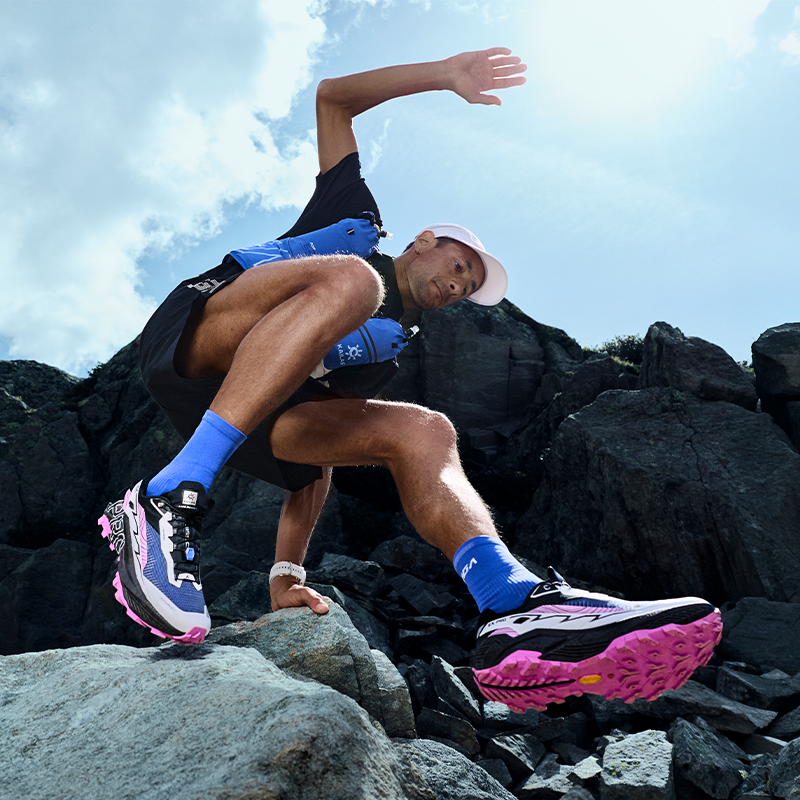
I sentieri tecnici – ghiaioni instabili, radici affioranti, rocce frastagliate – richiedono grande concentrazione e muscoli rapidi e reattivi. In quota, con meno ossigeno a disposizione, sia il cervello che i muscoli ne risentono. La fatica si fa sentire prima, la coordinazione diminuisce ed è allora che le cose si complicano. Una mente stanca e piedi pesanti non si combinano bene su un terreno insidioso, aumentando notevolmente la probabilità di passi falsi e inciampi.

Come ci si può allenare per la respirazione, il ritmo e la resistenza in quota?
Non puoi imbottigliare quell'aria rarefatta di montagna per i tuoi allenamenti a Londra o nelle Home Counties, questo è un dato di fatto. Ma puoi comunque costruire l' resistenza nella corsa Il tuo cuore, i tuoi polmoni e le tue gambe devono essere in grado di affrontare le sollecitazioni dell'altitudine. Basta un po' di preparazione intelligente e strutturata.
Sviluppa la resistenza aerobica e la forza delle gambe
La base di qualsiasi preparazione per l'altitudine è un solido motore aerobico. Ciò significa macinare chilometri a bassa intensità e con facilità. Aumentare la densità capillare e far lavorare i mitocondri in modo efficiente. Dopodiché, aggiungere un allenamento mirato per la forza delle gambe. Dopodiché, aggiungi degli esercizi mirati per la forza delle gambe, come step-up con pesi, affondi e squat eccentrici.
Il tipo di allenamento che prepara le gambe ad affrontare ore di salite e discese, senza dover dipendere esclusivamente dall'assunzione di ossigeno.
Esercitati nella respirazione controllata durante le arrampicate.
Quando l'aria si fa rarefatta, la respirazione superficiale e in preda al panico non fa altro che peggiorare la situazione. Ti lascia senza fiato e ti fa sprecare energie. Abitua la respirazione diaframmatica profonda e ritmica durante le tue corse in salita. Sincronizza il respiro con i passi. Ad esempio, due inspirazioni e due espirazioni.Questo permette ai polmoni di aprirsi correttamente e mantiene attivo lo scambio gassoso. Ti impedirà di andare in iperventilazione quando arriverai in montagna.
Gestisci il ritmo con la corsa e l'escursionismo veloce
Accettare che non puoi correre su ogni salita è la regola d'oro delle gare di montagna. Incorpora escursioni di potenza strutturate nelle tue sessioni di allenamento sui ripidi pendii del Regno Unito. Imparare a passare agevolmente da una falcata controllata e corta cadenza di corsa Allenarsi su pendenze dolci e affrontare con intensità le salite ripide, appoggiandosi sulle cosce, preserva le riserve di glicogeno e mantiene la frequenza cardiaca sotto controllo.
Prolunga le corse su terreni ondulati
Per simulare il tempo che si trascorre in piedi in quota, aumenta gradualmente la durata delle tue corse lunghe settimanali su terreni ondulati e collinari. Concentrati su sessioni di resistenza consecutive nel fine settimana su sentieri come il South Downs Way o i Cotswolds per insegnare al tuo corpo a bruciare i grassi in modo efficiente e a mantenere l'integrità strutturale quando subentra la fatica.
Programma di allenamento di 8 settimane per percorsi in alta quota
| Settimana | Corsa di base aerobica | Intervallo/Sessione in collina | Corsa lunga del fine settimana | Metrica di focalizzazione |
| 1-2 | Percorso facile di 45-60 minuti | 6 ripetizioni di 2 minuti in salita ripida (Obiettivo: respirazione ritmica) | 90-120 minuti su terreno ondulato | Controllo della respirazione & Modulo |
| 3-4 | Percorso facile di 60-75 minuti | 4 sessioni di camminata in salita di 5 minuti a ritmo sostenuto (Obiettivo: Cadenza) | Percorso tecnico di 2-2,5 ore | Forza delle gambe & ritmo di camminata |
| 5-6 | Percorso facile di 75-90 minuti | 5 intervalli di 4 minuti a ritmo sostenuto in salita (Obiettivo: Soglia) | 3 ore consecutive di resistenza | Volume aerobico massimo |
| 7-8 | 45-60 minuti a bassa intensità | 3 serie da 3 minuti di salite leggere (Obiettivo: Agilità) | Corsa di scarico rilassata di 60-90 minuti | Recupero & Conicità |
Prepara l'attrezzatura essenziale per l'allenamento in alta quota
La natura remota e le condizioni estreme dei sentieri d'alta quota richiedono attrezzature specializzate che privilegino la sicurezza, la stabilità e la protezione dalle condizioni meteorologiche variabili.
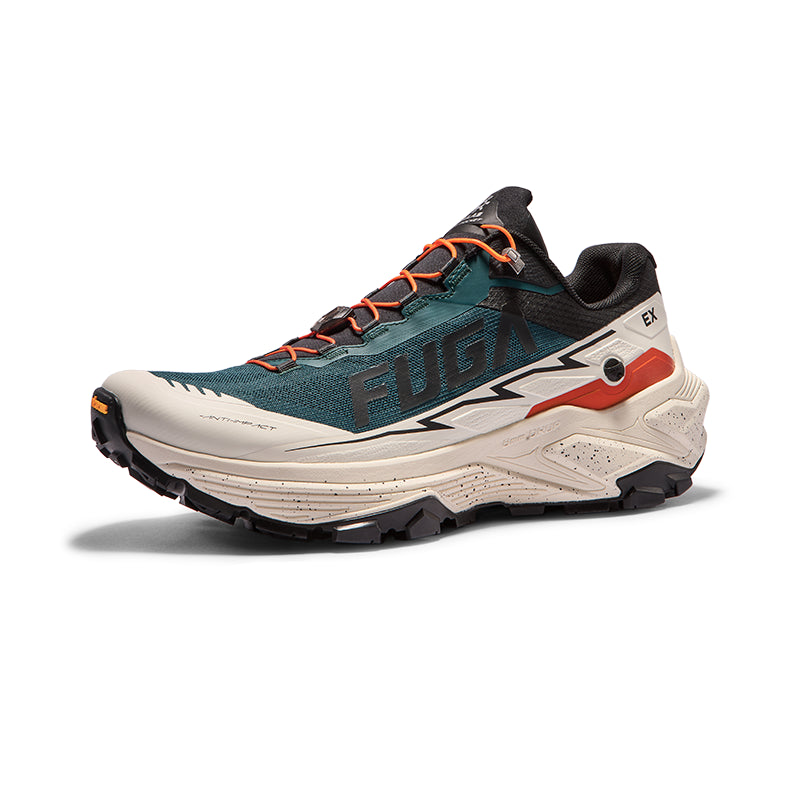
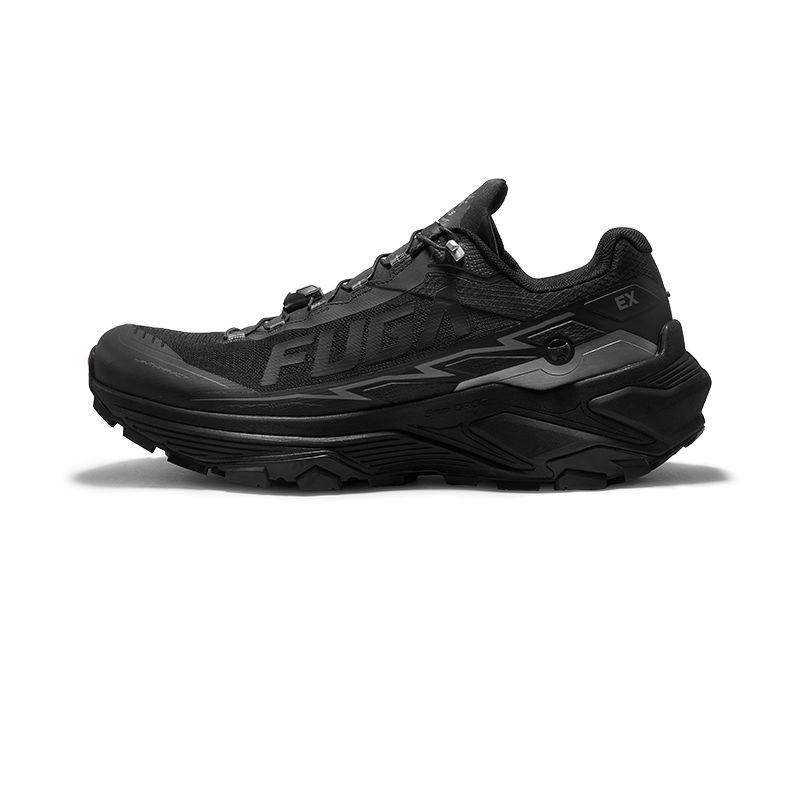
Scegli scarpe da trail running adatte a terreni tecnici.
Sono i tuoi piedi a collegarti a quel terreno alpino imprevedibile, quindi le tue normali scarpe da strada-trail non sono adatte. Hai bisogno di scarpe progettate per fare presa sulla roccia instabile e assorbire gli urti delle lunghe discese di montagna.
Kailas
IL
Kailas
Per il tuo allenamento quotidiano, le corse su terreni misti e le distanze di gara standard, il
Trasporta carburante e acqua in un gilet di idratazione.
La disidratazione si verifica molto più rapidamente ad alta quota a causa della minore umidità e dell'aumento della frequenza respiratoria, rendendo indispensabile un sistema di trasporto avanzato.
Gilet idratante da corsa AIR8
IL Gilet idratante da corsa Air8 È stato progettato specificamente per l'allenamento in alta quota e su lunghe distanze, consentendoti di trasportare comodamente liquidi essenziali per l'idratazione, integratori energetici e l'attrezzatura di sicurezza necessaria in montagna. La sua vestibilità ergonomica e stabile mantiene gli oggetti essenziali a portata di mano senza limitare l'espansione toracica o alterare la cadenza respiratoria durante le salite più intense.
Metti in valigia una giacca antivento per le condizioni meteorologiche variabili.
Il clima in montagna è notoriamente imprevedibile e un cielo azzurro e limpido può trasformarsi rapidamente in una tempesta di pioggia gelata o in una bufera di vento. Portate sempre con voi una giacca antivento e impermeabile ultraleggera e ripiegabile nel gilet. In quota, bagnarsi o essere esposti a forti venti può causare un rapido calo della temperatura corporea, trasformando un piccolo intoppo durante l'allenamento in un'emergenza ipotermica in pochi minuti.

Come acclimatarsi e proteggersi in quota?
Per quanto ti sia allenato, non puoi saltare il periodo di acclimatamento. Una volta in montagna, prendertela con calma per i primi due giorni darà al tuo corpo le migliori possibilità di adattarsi.
Iniziate l'allenamento gradualmente dopo il vostro arrivo.
Quando arrivi in quota, resisti alla tentazione di metterti subito alla prova. Concediti almeno 24-48 ore. Riposati, fai delle passeggiate leggere e mantieni un buon apporto di liquidi. Lascia che il tuo corpo si adatti al plasma sanguigno e aumenti la produzione di EPO prima di sottoporlo ad allenamenti intensi. Questo fa una grande differenza nel prevenire il mal di montagna.
Aumenta gradualmente l'altitudine e il carico di allenamento.
Pianifica il tuo allenamento a lungo termine. Sali in quota durante il giorno, ma torna a quote più basse per dormire. E non pensare nemmeno a intervalli intensi o corse lunghe a tutta velocità durante la prima settimana in quota. Aumenta gradualmente il chilometraggio e il dislivello, in modo che il tuo sistema respiratorio abbia il tempo di adattarsi senza affaticarti eccessivamente.
Saper quando fermarsi o scendere
Le montagne meritano rispetto.Ascolta il tuo corpo. Se ti viene un mal di testa persistente, se ti senti debole o nauseato, o se improvvisamente ti senti molto più stanco del dovuto, non cercare di resistere. Questi sono sintomi comuni del mal di montagna acuto e l'opzione più sicura è scendere a una quota inferiore se i sintomi persistono o peggiorano.
FAQ
Qual è l'altitudine massima consentita per il trail running?
In genere, l'alta quota inizia sopra i 1.500 metri – circa 5.000 piedi – dove il corpo comincia a risentirne. Oltre questa quota, il calo di pressione influisce sulla quantità di ossigeno che si può inalare. Salendo oltre i 2.400 metri, in altitudini molto elevate, il calo delle prestazioni aerobiche diventa evidente, soprattutto se non si ha avuto il tempo di adattarsi.
Posso allenarmi per una gara di trail running in quota al livello del mare?
Sì, puoi farlo, e anche in modo efficace. Concentrati sullo sviluppo di una solida capacità aerobica e di gambe forti. Utilizza intervalli in salita ripida, lunghe sessioni di camminata veloce e allenamenti con i pesi. Questo crea un sistema resistente che si adatta molto più rapidamente quando raggiungi l'altitudine.
Le maschere per l'altitudine sono utili per il trail running?
Non proprio. Le maschere commerciali non simulano la vera altitudine: limitano solo il flusso d'aria, non la pressione effettiva dell'ossigeno nell'aria. Potrebbero rafforzare i muscoli respiratori rendendo più difficile l'inspirazione, ma non innescano gli adattamenti del sangue, come l'aumento della produzione di globuli rossi, che si verificano in vera altitudine.
Come scelgo la mia prima gara di trail running in alta quota?
Scegliete un percorso con vette di altitudine moderata, terreno gestibile e tempi limite generosi. Cercate eventi in località alpine consolidate, dove il percorso raggiunge altitudini intorno ai 2.000 metri, piuttosto che lanciarvi subito in tracciati di skyrunning estremi che si snodano su creste esposte oltre i 3.000 metri.
Una breve corsa in quota su sentiero è sempre più facile?
Non necessariamente. Una breve corsa con forti pendenze e un rapido dislivello può far salire la frequenza cardiaca al limite quasi istantaneamente. Un singolo chilometro di dislivello in quota può essere metabolicamente più faticoso e tecnicamente più impegnativo di un lungo sentiero ondulato in valle a livello del mare.
È consigliabile consultare un medico prima di correre in quota?
Sì, vale la pena fare un controllo medico, soprattutto se si soffre di patologie cardiache o polmonari preesistenti come l'asma. Un medico può valutare il tuo stato di salute generale, illustrarti i metodi più sicuri per acclimatarsi e darti consigli su come gestire lo stress aggiuntivo che l'aria rarefatta di montagna impone al tuo corpo.
Conclusione
Per affrontare con successo i percorsi di trail running in alta quota, è fondamentale avere pazienza tattica e rispettare l'ambiente. Per i runner del Regno Unito, il trucco sta nel costruire una solida base aerobica sui propri sentieri, perfezionare la respirazione e scegliere un equipaggiamento progettato per resistere alle sollecitazioni della montagna. Abbinate a questo delle calzature reattive come le Kailas