






Come recuperare dopo una lunga corsa: suggerimenti per il recupero della corsa su trail
Una lunga corsa in montagna può causare disidratazione, esaurimento delle riserve di glicogeno e dolori muscolari dovuti a ore di salite e discese. Le prime ore e le successive 48 ore sono le più importanti.
Questa guida spiega cosa mangiare e bere, come trattare vesciche e dolori muscolari, quando tornare a correre e come distinguere la normale stanchezza post-gara dai segni di un infortunio.
Perché il recupero dopo una corsa in sentiero è fondamentale
A differenza della corsa su strada, il trail running sottopone muscoli, riserve energetiche e articolazioni a una combinazione di stress fisico completamente diversa.
Deplezione energetica e affaticamento
Le ore trascorse a lottare contro terreni accidentati e condizioni meteorologiche avverse svuotano le riserve di glicogeno muscolare molto più rapidamente rispetto alla normale corsa su strada. I sentieri tecnici sono faticosi sotto molti punti di vista. I muscoli lavorano costantemente per mantenere l'equilibrio, mentre il cervello rimane concentrato su ogni radice, roccia, tratto sconnesso e cambio di terreno.
Microlesioni muscolari dovute a lunghe distanze
Percorrere 20, 30 o 50 miglia su un terreno irregolare provoca migliaia di microlesioni nelle fibre muscolari. Questo danno innesca una risposta infiammatoria locale: è ciò di cui il corpo ha bisogno per iniziare a ripararsi, ma è anche il motivo per cui ci si ritrova rigidi e doloranti un giorno o due dopo.
Affaticamento da impatto in discesa e da terreno tecnico
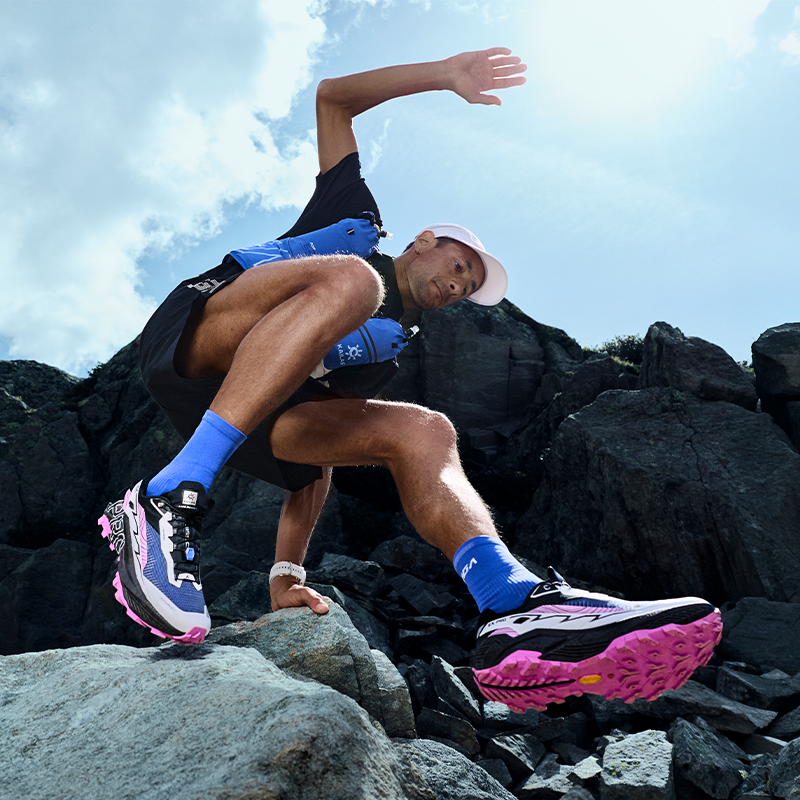
Sfrecciare giù per discese ripide e tecniche costringe quadricipiti e polpacci a lavorare a pieno ritmo: le contrazioni eccentriche assorbono a ogni passo una quantità di peso pari a diverse volte il tuo peso corporeo. Allo stesso tempo, i piccoli muscoli stabilizzatori delle caviglie e del tronco si affaticano a forza di aggiustare continuamente l'equilibrio su ghiaia instabile, roccia bagnata e radici affioranti.
Cosa fare subito dopo una lunga corsa
I primi sessanta minuti dopo la fine dell'attività sono cruciali per avviare la riparazione cellulare e ripristinare l'equilibrio dei fluidi.
Rilassati con una camminata leggera.
Fermarsi di colpo subito dopo un traguardo impegnativo può provocare svenimenti o malessere: il sangue si accumula nelle gambe e il corpo non ha il tempo di adattarsi. Dedica 10-15 minuti a una camminata leggera nella zona del traguardo. Questo permette al sistema cardiovascolare di tornare al suo stato di riposo e ti aiuta a mantenerti in movimento dopo la gara.
Reidratare e reintegrare gli elettroliti
Sudare intensamente durante le salite in zone umide non solo provoca la perdita di liquidi, ma anche di sodio, potassio e magnesio. Reintegra i tuoi elettroliti non appena hai finito. Sorseggia una bevanda isotonica o acqua con compresse di elettroliti, invece di bere acqua naturale, che può diluire ulteriormente il sodio rimasto nel sangue.
Fai il pieno di energie con carboidrati e proteine.
Punta a un rapporto di 3:1 o 4:1 tra carboidrati a rapido assorbimento e proteine di qualità entro 45 minuti dalla fine dell'allenamento. Una soluzione semplice funziona: latte al cioccolato (di origine animale o vegetale), un frullato proteico per il recupero o una banana con uno spuntino proteico. Questo stimola le riserve di glicogeno e impedisce un'ulteriore degradazione muscolare.
Consiglio per l'idratazione durante le escursioni: sacca idrica Air 8 IV.
Un buon recupero inizia già durante la gara, con un'idratazione intelligente. Un kit come lo zaino Air 8 IV ti aiuta a mantenere un'adeguata idratazione. Ha una capacità di 8 litri e include due borracce morbide da 500 ml, un sistema di regolazione ADF, un sistema di stabilizzazione per le borracce BI-FIX e una rete traspirante che impedisce al contenuto di muoversi. Arrivare al traguardo ben idratati fa una grande differenza per il recupero successivo.
Verificare la presenza di vesciche, gonfiore e lesioni al piede.
Le condizioni del sentiero significano calzini bagnati, fango granuloso e attrito continuo all'interno delle scarpe. Togliti subito l'abbigliamento bagnato, Controlla se hai le unghie dei piedi nere. o punti dolenti, e pulire eventuali vesciche aperte con medicazioni sterili prima che l'umidità possa causare un'infezione.

Come riprendersi durante le prime 48 ore
Gestire con attenzione i primi due giorni garantisce che l'infiammazione rimanga sotto controllo e che i processi di riparazione si svolgano in modo efficiente.
Dai la priorità al sonno e al riposo.
Il sonno profondo è la fase in cui il corpo svolge la maggior parte delle sue funzioni riparative: i livelli di ormone della crescita aumentano durante la terza fase del sonno. Cerca di dormire dalle 8 alle 9 ore nelle prime due notti e mantieni la stanza fresca e silenziosa per compensare il fatto che la tua temperatura corporea sarà più alta del solito.
Utilizzare movimenti delicati per un recupero attivo.
Cerca di non rimanere seduto sul divano per due giorni. Un movimento leggero, come una camminata di 20 minuti in pianura, una pedalata tranquilla su una cyclette o una nuotata leggera, favorisce la circolazione sanguigna nei muscoli indolenziti senza sottoporli a sforzi eccessivi.
Monitoraggio del dolore e dei segnali di allarme
Alcuni dolori muscolari dopo la corsa È normale avvertire indolenzimento dopo una gara di trail impegnativa, soprattutto a livello di quadricipiti e polpacci, ma è importante prestare attenzione a eventuali dolori asimmetrici o acuti e localizzati. Utilizza la guida di autovalutazione qui sotto per distinguere tra i normali indolenzimenti muscolari post-allenamento (DOMS) e le potenziali lesioni dei tessuti molli:
| Metrica di recupero | Dolori muscolari a insorgenza ritardata (DOMS) previsti dopo la gara. | Segnale di avvertimento di infortunio |
| Caratteristiche del dolore | Un dolore sordo e persistente si diffonde uniformemente nei principali gruppi muscolari. | Dolore acuto, lancinante o localizzato a tendini o articolazioni. |
| Simmetria | Bilaterale (avvertito in modo uguale in entrambe le gambe, sinistra e destra). | Unilaterale (isolato rigorosamente a un lato o a una specifica articolazione). |
| Andatura/Movimento | Andatura rigida che migliora leggermente con il riscaldamento muscolare. | Zoppicare o alterare la distribuzione del peso durante la camminata. |
| Durata | Il picco si raggiunge in circa 24-48 ore e poi diminuisce gradualmente. | Persiste o peggiora dopo 72 ore di riposo completo. |
Come riprendere a correre in sicurezza
Riprendere l'allenamento troppo presto è il modo più semplice per trasformare i dolori muscolari post-gara in un infortunio cronico.
Verifica se sei pronto a correre di nuovo
Prima di allacciare le scarpe, fai un breve test a casa. Dovresti riuscire a fare 15 sollevamenti dei polpacci su una gamba sola, una serie di squat a corpo libero e un saltello di 30 secondi su ciascuna gamba senza avvertire dolore acuto o sentirti instabile. Se ci riesci, sei pronto per la prima prova.
Inizia con corse brevi e facili.
La prima corsa dovrebbe essere leggera. Mantieni un ritmo che ti permetta di conversare e fai in modo che sia breve, circa 20-30 minuti.Scegliete un supporto scarpe da allenamento Scegli scarpe che ti diano stabilità e comfort su terreni facili e corri su superfici piane come sentieri nei parchi o ghiaia liscia. Evita salite ripide, discese tecniche o allenamenti di velocità durante le prime corse dopo la ripresa.
Smetti di correre se il dolore altera i tuoi movimenti.
Se zoppichi o modifichi la tua falcata per evitare punti dolenti, stai sottoponendo altri muscoli e articolazioni a uno stress eccessivo, il che può portare rapidamente a problemi come la bandelletta ileotibiale o la fascite plantare. Se non riesci a mantenere una postura di corsa rilassata e naturale, fermati e limitati a camminare.
Come recuperare più velocemente dopo le prossime corse in montagna
Il modo in cui gestisci il ritmo, affronti salite e discese e scegli l'attrezzatura può fare una grande differenza su come ti sentirai dopo la gara.
Scegli scarpe da trail running che riducano l'affaticamento.
Delle buone scarpe attutiscono l'impatto con il terreno duro e mantengono il piede stabile sui sentieri irregolari, il che fa davvero la differenza in termini di stress a cui sono sottoposti i quadricipiti durante le lunghe discese.
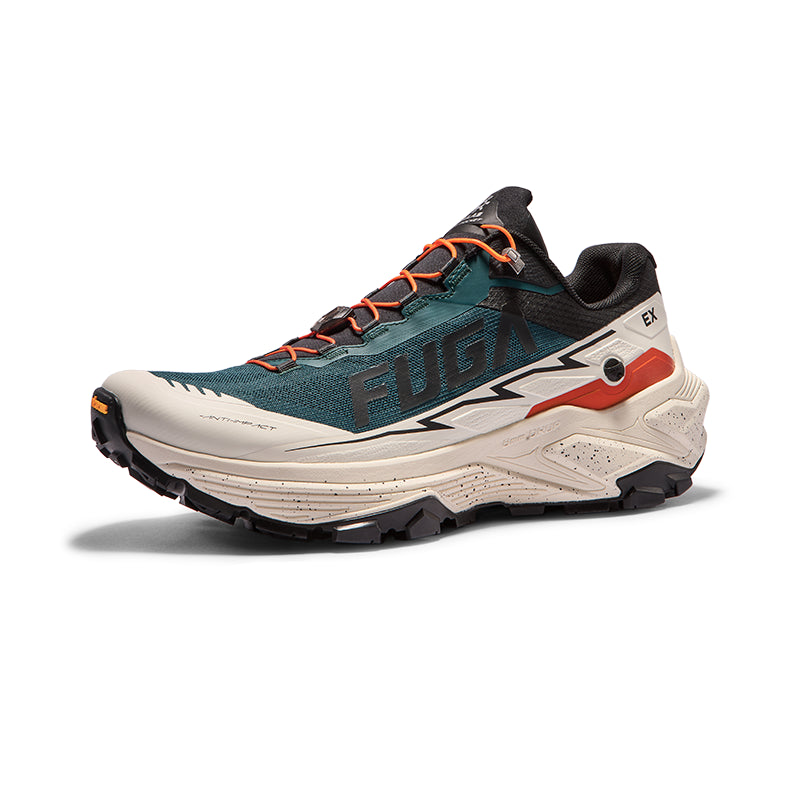
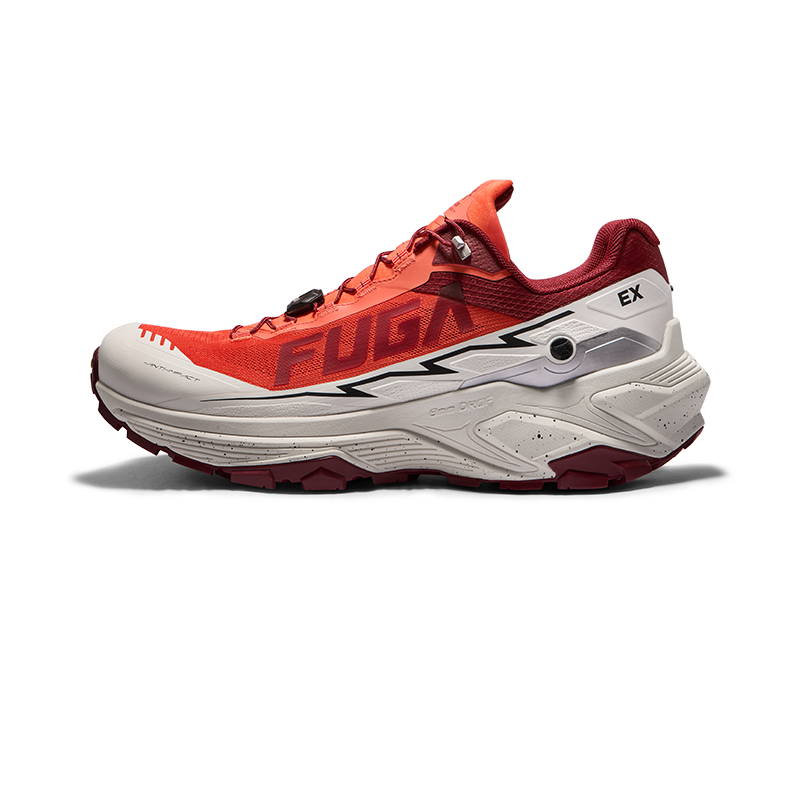
Progettata per terreni misti, questa scarpa è dotata di una suola Vibram® Megagrip che offre sicurezza su roccia bagnata e fango scivoloso. L'intersuola ECCEVAI garantisce un'ammortizzazione solida e duratura, mentre il sistema di allacciatura AWS 3.0 blocca il mesopiede in posizione, impedendo che scivoli in avanti verso la punta durante le lunghe discese tecniche.
Progettata per gare di lunghissima durata su terreni misti, questa scarpa combina un'intersuola in schiuma supercritica ad alto rimbalzo con una tomaia traspirante in XDiMESH. Insieme al sistema di allacciatura AWS 3.0, offre un'ammortizzazione ottimale, una buona ventilazione e una calzata sicura che rimane stabile anche sulle lunghe distanze.

Gestire lo sforzo in salita e in discesa
Camminare a passo svelto nelle salite più ripide all'inizio permette di risparmiare glicogeno e di ridurre lo sforzo sui muscoli posteriori della coscia. In discesa, accorciate la falcata, mantenete un ritmo veloce e inclinatevi leggermente in avanti dalle caviglie; non piegatevi all'indietro e non sbattete i talloni a terra, altrimenti ginocchia e quadricipiti ne risentiranno.
FAQ
Quanto tempo ci vuole per recuperare dopo una gara di trail running?
Varia a seconda della distanza e del dislivello. Una breve gara di trail running di 10 km potrebbe richiedere solo 72 ore di recupero attivo, mentre un'impegnativa ultramaratona o una gara in alta montagna possono richiedere da due a tre settimane di riposo strutturato prima che il corpo sia veramente pronto a spingere di nuovo.
Una doccia fredda fa bene dopo una gara di trail running?
Una doccia fresca o tiepida può essere piacevole dopo una gara impegnativa, soprattutto se fa caldo. Ma non c'è bisogno di entrare in una doccia gelida. Se hai già freddo o sei disidratato, riscaldarti e reidratarti dovrebbe essere la priorità.
Le calze a compressione sono utili dopo una lunga corsa?
Sì, certamente. Indossare calze a compressione graduata dopo una lunga corsa aiuta a ridurre il gonfiore nella parte inferiore delle gambe e migliora il flusso sanguigno verso il cuore. Mantengono una pressione sui polpacci, impedendo il ristagno di sangue e alleviando la tensione nelle prime 24-48 ore.
Il massaggio è utile dopo una gara di trail running?
Un massaggio leggero o l'utilizzo delicato di un rullo di schiuma vanno bene, ma è meglio evitare massaggi sportivi profondi per almeno 48-72 ore. Massaggiare in profondità le fibre muscolari già danneggiate può peggiorare le microlesioni e rallentare il naturale processo di guarigione.
Si può bere alcol dopo una lunga corsa in montagna?
È meglio aspettare qualche ora, finché non ti sarai reidratato a sufficienza e avrai consumato un pasto decente. L'alcol è un diuretico, interferisce con la riparazione muscolare e disturba il sonno, tutti fattori che rallentano notevolmente il recupero.
Conclusione
Una dura gara di trail running può lasciarti esausto per qualche giorno, quindi il recupero deve essere parte integrante del piano, non qualcosa da aggiungere alla fine. Inizia reintegrando i liquidi e mangiando a sufficienza per recuperare le energie, poi dai ai muscoli indolenziti e alle articolazioni doloranti il tempo di riprendersi. Presta attenzione a come ti senti nei giorni successivi e riprendi a correre gradualmente, senza fretta. Con buone abitudini di recupero e l'attrezzatura giusta, sarai pronto a tornare in pista quando il tuo corpo te lo dirà.