








Come sviluppare la tua resistenza nella corsa: suggerimenti per l'allenamento
Che tu ti stia allenando per la tua prima 10 km, per una mezza maratona o semplicemente per rendere più piacevoli le tue corse del fine settimana, migliorare la resistenza si riduce a una cosa sola: un allenamento costante nel tempo, il che significa sapere quando rallentare e dare al corpo il tempo di adattarsi.
In questa guida, analizzeremo nel dettaglio come l'allenamento di resistenza modifica il tuo corpo, condivideremo un approccio pratico passo dopo passo per correre più a lungo e creeremo un programma di 8 settimane per aiutarti a ottenere progressi duraturi. Tratteremo anche l'attrezzatura essenziale per affrontare i percorsi più impegnativi e gli errori più comuni che possono rallentarti lungo il cammino.
Perché la resistenza nella corsa è importante?
Prima di addentrarci nei dettagli relativi al chilometraggio e ai programmi di allenamento, vale la pena prendersi un momento per capire perché sviluppare una corretta forma cardiovascolare cambia completamente le carte in tavola.
Corri più a lungo senza affaticarti precocemente
Sviluppare la resistenza significa che cuore e polmoni diventano più efficienti nel fornire ossigeno ai muscoli in attività. Col tempo, il ritmo che prima ti faceva mancare il fiato inizia a risultare molto più agevole, permettendoti di correre più a lungo e di mantenere lo sforzo senza che le gambe si stanchino troppo presto.
Mantenere un controllo migliore all'aumentare della distanza e della conformazione del terreno.
Quando subentra la fatica, la tua postura tende a crollare, ed è allora che si verificano gli infortuni. Sviluppa una solida resistenza e manterrai la postura e il controllo del core anche negli ultimi chilometri di una dura sessione di trail. Ciò significa che rimarrai concentrato e preciso nelle discese tecniche, nei sentieri irregolari e nelle salite ripide, mentre una costante cadenza di corsa Ti aiuta a mantenere il controllo quando il terreno si fa più impegnativo.

Come sviluppare la resistenza nella corsa passo dopo passo
Se il tuo obiettivo è correre distanze più lunghe, non cercare di fare troppo e subito. Un aumento graduale del chilometraggio settimanale, come parte di un programma sensato programma di allenamento per il trail running, Dà al tuo corpo la possibilità di adattarsi e riduce il rischio di infortuni.
Stabilisci una routine semplice e costante
Il vero fondamento di qualsiasi buon programma di allenamento per la resistenza è la corsa a ritmo blando: una corsa che ti permetta di chiacchierare comodamente senza rimanere senza fiato. Mantenersi nella zona aerobica aiuta il corpo a utilizzare l'ossigeno in modo più efficiente, sviluppando la forma fisica necessaria per affrontare corse più lunghe senza sentirti esausto.
Aumenta gradualmente la distanza settimanale percorsa con una corsa lunga.
Per spingerti oltre i tuoi limiti in sicurezza, dedica una corsa a settimana alla tua corsa lunga e aumenta gradualmente la distanza nel tempo. Una buona regola generale è quella di incrementare il chilometraggio settimanale – o la distanza della tua corsa lunga – di non più del 10% ogni settimana. Questo dà a tendini, legamenti e articolazioni il tempo sufficiente per adattarsi all'impatto ripetuto senza subire danni.
Introduci le corse a tempo dopo aver costruito una base
Dopo aver dedicato qualche settimana a costruire una solida base aerobica, è il momento di introdurre degli allenamenti a ritmo sostenuto per migliorare le tue prestazioni. Gli allenamenti a ritmo sostenuto si mantengono a un'andatura "comoda ma confortevole", all'incirca la stessa che impiegheresti per una 10 km o una mezza maratona. Questi allenamenti innalzano la soglia del lattato, insegnando al corpo a mantenere un ritmo più elevato più a lungo prima che la fatica si faccia sentire.
Potenzia la resistenza con l'allenamento di forza e l'allenamento incrociato.
La vera resistenza nella corsa non si costruisce solo sui sentieri: serve un corpo completo in grado di gestire la fatica da ogni lato. Integra l'allenamento con esercizi specifici per la forza, concentrandoti su movimenti unilaterali come affondi, step-up e sollevamenti dei polpacci.E non dimenticate l'allenamento incrociato a basso impatto, come il ciclismo o il nuoto, per mantenere le articolazioni in salute e la forma fisica anche nei giorni di riposo.
Tabella: Piano di allenamento di resistenza per la corsa di 8 settimane
| Settimana | Focus sulla formazione | Percorsi facili | Lungo termine | Ritmo o allenamento incrociato | Note di recupero |
| 1-2 | Edificio di base | 2 sessioni da 20-30 minuti (conversazione) | 40-50 minuti a ritmo rilassato | 30 minuti di ciclismo a basso impatto | Concentrati sul sonno e sulla mobilità |
| 3-4 | Progressione del volume | 2 sessioni da 30-40 minuti (conversazione) | 60 minuti a ritmo costante | &20 minuti di allenamento a ritmo sostenuto (riscaldamento + defaticamento) | Garantire un elevato apporto nutrizionale |
| 5-6 | Integrazione della forza | 3 sessioni da 35-45 minuti (conversazione) | 75 minuti a ritmo controllato | 30 minuti di allenamento incrociato strutturato | Monitorare attentamente l'affaticamento articolare |
| 7-8 | Picco & Consolidare | 2 sessioni da 40-50 minuti (conversazione) | Distanza obiettivo 90 minuti | 30 minuti di corsa a ritmo sostenuto alla soglia anaerobica | Sessioni di recupero attivo leggero |
Quale attrezzatura è adatta all'allenamento di resistenza sui sentieri?
Quando le tue corse ti portano oltre l'asfalto, avere l'attrezzatura giusta inizia a fare la differenza. Il trail running presenta una serie di sfide diverse: sentieri fangosi, radici scivolose, terreno irregolare, salite ripide e improvvisi cambiamenti climatici. L'equipaggiamento adeguato ti aiuta a rimanere comodo, sicuro e preparato quando il terreno si fa più impegnativo.
Scegli le scarpe da trail running in base alla distanza e al tipo di terreno.
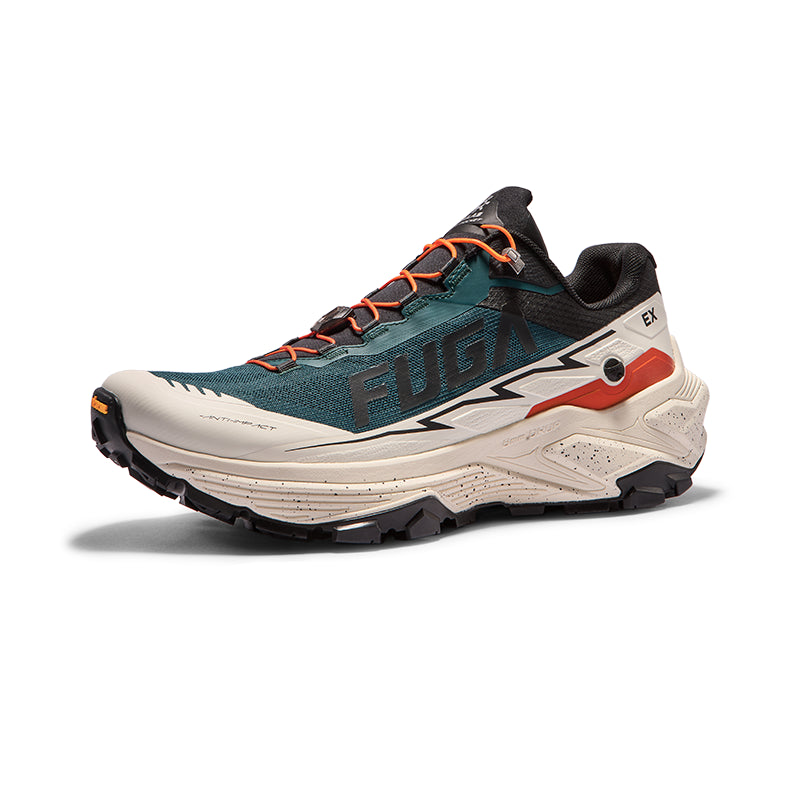
La scelta delle scarpe è probabilmente la decisione più importante da prendere quando ci si prepara per un lungo allenamento fuoristrada. Il paio giusto dipende dal tipo di terreno su cui si corre: terreni diversi richiedono soluzioni diverse per mantenere una falcata efficiente e senza intoppi.
Se stai percorrendo lunghe distanze su terreni misti, avrai bisogno di molta ammortizzazione sotto i piedi. Per questo, il Kailas
D'altra parte, se le tue corse del fine settimana ti portano su terreni scivolosi, tortuosi o tecnici – singletrack fangosi o colline rocciose – la tua priorità si sposta su aderenza e supporto. È qui che entra in gioco il Kailas
Prepararsi alle condizioni meteorologiche e alla sicurezza sui sentieri.
Quando si trascorrono ore sui sentieri, il tempo può cambiare improvvisamente.Ecco perché un impermeabile leggero e facilmente ripiegabile e un buon gilet da corsa sono assolutamente essenziali. Assicurati di avere con te molti liquidi, dei gel energetici facili da digerire, un kit di pronto soccorso di base e un telefono completamente carico. In questo modo potrai prenderti cura di te stesso, rimanere al caldo e al sicuro, qualunque cosa ti riservi il cielo.

Quali errori rallentano i tuoi progressi nella corsa di resistenza?
Anche i corridori più determinati possono incappare in un ostacolo se non stanno attenti: i progressi si arrestano e la situazione diventa frustrante. Il segreto sta nell'individuare tempestivamente queste abitudini comuni, prima che si trasformino in mesi di stallo o, peggio, in un infortunio che si sarebbe potuto evitare.
Aumentare troppo rapidamente la distanza o l'intensità
Cercare di aumentare il chilometraggio settimanale e allo stesso tempo inserire sessioni di allenamento ad alta velocità è la strada più veloce per i problemi: periostite tibiale, problemi al tendine d'Achille e chi più ne ha più ne metta. Cuore e polmoni potrebbero adattarsi rapidamente, ma ossa e tendini impiegano più tempo a recuperare. Quindi, procedere con calma è fondamentale.
Correre ogni sessione è troppo faticoso
Trascorrere la maggior parte dei chilometri settimanali in quella via di mezzo – troppo veloce per il recupero, ma non abbastanza intenso da stimolare il sistema anaerobico – non fa altro che causare stanchezza cronica. La vera resistenza si ottiene mantenendo le corse facili a un ritmo davvero blando. In questo modo, si risparmia energia e si può dare il massimo quando è il momento di impegnarsi a fondo.
Ignorare il dolore e i segnali di guarigione
I dolori muscolari sono una parte normale dell'allenamento di resistenza. Ma se avverti un dolore persistente, localizzato o acuto che modifica il tuo modo di correre, non sottovalutarlo. Ignorare ripetutamente questi segnali d'allarme trasforma piccoli fastidi in veri e propri infortuni a lungo termine che possono tenerti lontano dall'attività per mesi.
FAQ
Quanto velocemente si può sviluppare la resistenza nella corsa?
In genere, con un allenamento costante, si notano miglioramenti concreti nella resistenza cardiovascolare entro quattro-sei settimane. Tuttavia, per ottenere cambiamenti più profondi a livello di tendini, muscoli e capillari, occorrono mesi. Pertanto, la resistenza a lungo termine si costruisce lentamente, non si ottiene con una soluzione rapida.
Come capire se la propria resistenza nella corsa sta migliorando?
Il tuo ritmo abituale inizia a sembrarti più facile e la frequenza cardiaca rimane più bassa a quella stessa velocità. Altri segnali: la frequenza cardiaca torna ai livelli normali più rapidamente dopo sforzi intensi e riesci a completare una corsa lunga senza sentirti esausto il giorno dopo.
Cos'è la regola dell'80% nella corsa?
In parole semplici, circa l'80% della tua corsa settimanale dovrebbe essere a un ritmo facile, che ti permetta di conversare. Il restante 20% può essere dedicato ad attività più impegnative: intervalli, corse a ritmo sostenuto o scatti in salita. Questo mix ti permette di ottenere buoni risultati in termini di resistenza aerobica, riducendo al minimo il rischio di infortuni.
È possibile migliorare la resistenza nella corsa su un tapis roulant?
Certamente, l'importante è essere costanti e sperimentare con le impostazioni di inclinazione. Per simulare la corsa all'aperto e la naturale resistenza dell'aria, impostate il tapis roulant all'1% o al 2% per le vostre corse a ritmo costante.
L'allenamento incrociato può contribuire a migliorare la resistenza nella corsa?
Sì, migliora la tua forma fisica generale senza affaticare le articolazioni. Andare in bicicletta, nuotare o usare l'ellittica ti permette di aumentare il volume aerobico in modo sicuro, dando al contempo un po' di riposo ai muscoli coinvolti nella corsa.
Cos'è il metodo di corsa 5-4-3-2-1?
Si tratta di una sessione a intervalli con conto alla rovescia che rompe la monotonia e aumenta la resistenza.Si corre intensamente per 5 minuti, ci si riprende, poi si corre per 4 minuti, ci si riprende e così via fino ad arrivare a 1 minuto, con periodi di recupero sempre più brevi man mano che lo sforzo si riduce.
Conclusione
Sviluppare la resistenza nella corsa è uno dei percorsi più gratificanti che si possano intraprendere. Premia la pazienza, la costanza e una pianificazione intelligente più di ogni altra cosa. Inizia con allenamenti a ritmo blando, spingi gradualmente i tuoi limiti con lunghe corse strutturate e presta attenzione ai segnali che il tuo corpo ti invia riguardo al recupero. Prima che tu te ne accorga, sarai in grado di coprire distanze che prima credevi irraggiungibili.
Equipaggiati a dovere con Kailas