



























Domande frequenti
1. Quanta acqua può trasportare un giubbotto da corsa?
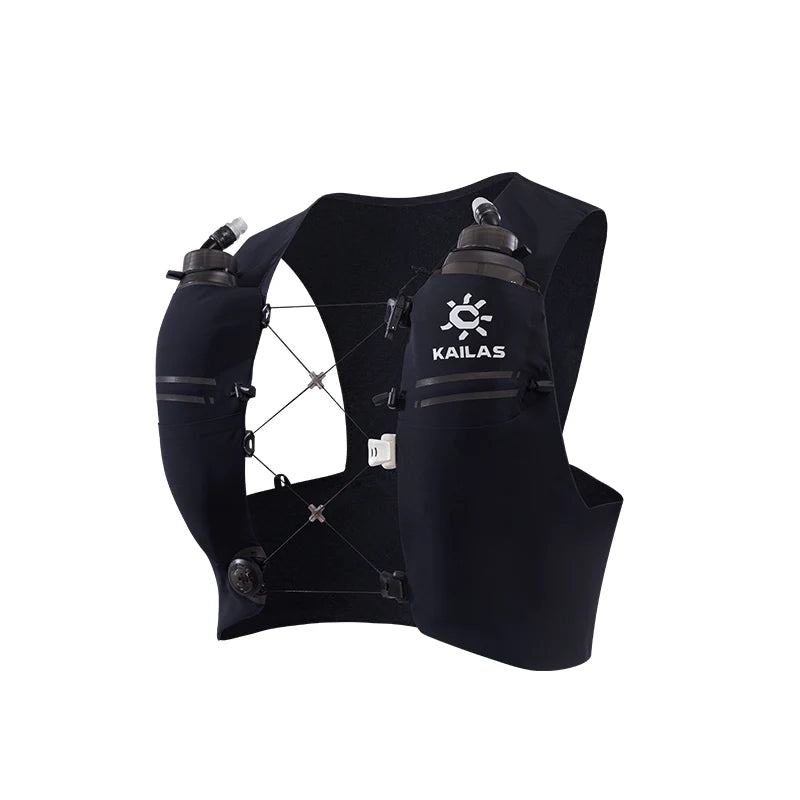
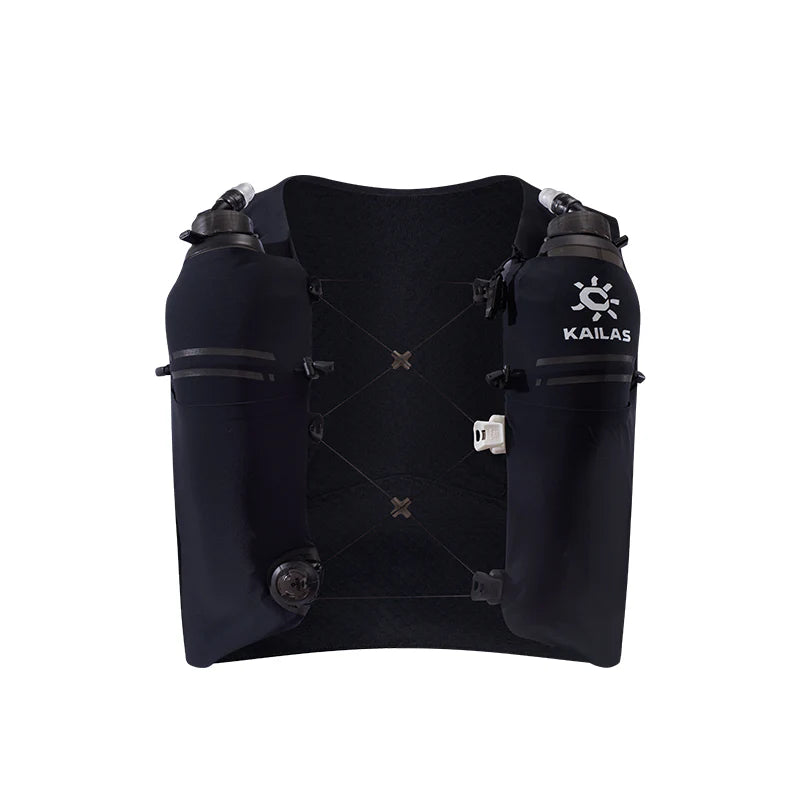
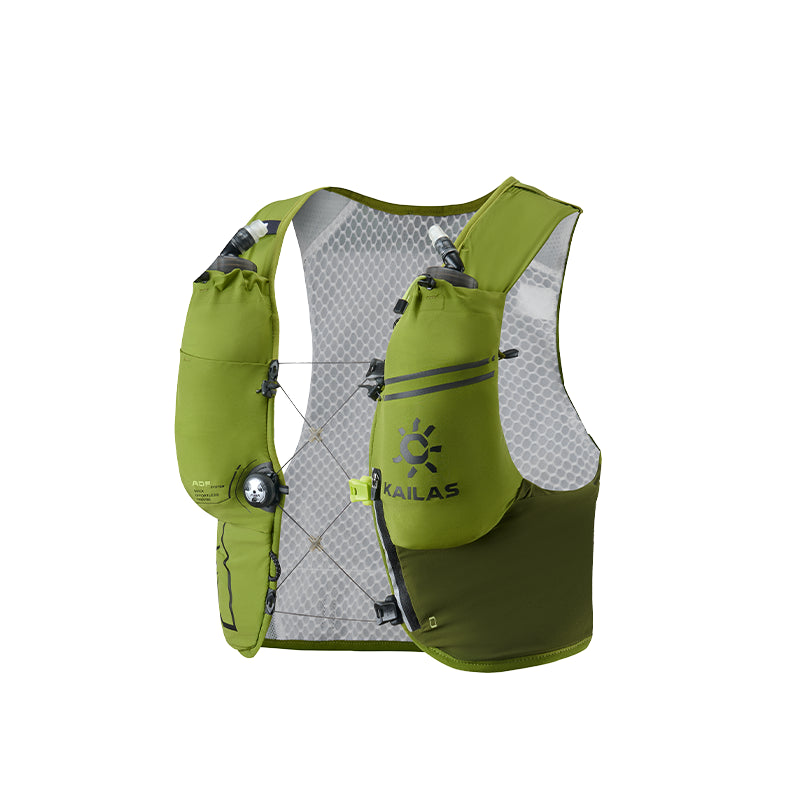
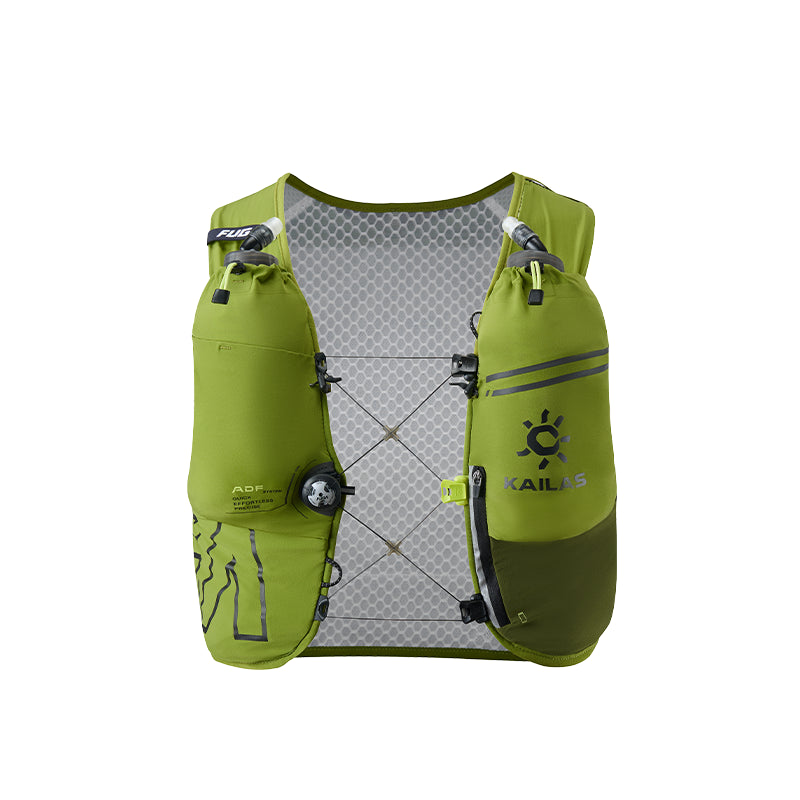
Un giubbotto da corsa può in genere trasportare da 1 a 2 litri di acqua, a seconda del suo design. La maggior parte delle configurazioni include due borracce morbide anteriori (solitamente da 500 ml ciascuna) e alcuni modelli supportano anche una sacca di idratazione per corse più lunghe. La capacità ideale dipende dalla distanza, dal terreno e dall'accesso all'acqua durante la corsa.
2. Di quale capacità ho bisogno il gilet da corsa?
La capacità ideale di un gilet da corsa dipende principalmente dalla distanza, dal tipo di terreno e dalla quantità di attrezzatura che si deve trasportare:
- 2 litri–5 litri: ideale per brevi corse o allenamenti quotidiani in cui hai bisogno solo di acqua, un telefono e pochi oggetti essenziali.
- 6 litri–10 litri: ideale per il trail running, le corse lunghe o le gare.—spazio sufficiente per idratazione, alimentazione e attrezzatura leggera
- 10L+: Progettato per gare di ultradistanza, percorsi tecnici o situazioni in cui sono necessari strati extra, equipaggiamento obbligatorio e maggiori provviste.
Le corse più lunghe e tecniche richiedono maggiore spazio di stoccaggio perché i corridori spesso devono trasportare acqua, integratori e dispositivi di sicurezza contemporaneamente.
3. I giubbotti da corsa rimbalzano durante la corsa?
Tuttavia, possono verificarsi rimbalzi se il giubbotto è troppo largo o il carico non è uniforme, soprattutto quando il livello dell'acqua diminuisce durante la corsa. Caratteristiche come lo stoccaggio sicuro delle borracce e i sistemi di adattamento regolabili possono aiutare a mantenere stabile il giubbotto e ridurre i movimenti. È anche importante testare il giubbotto con borracce morbide e attrezzatura completamente carica, poiché la vestibilità può cambiare in modo significativo quando si trasportano acqua e provviste.
4. Come scegliere la taglia del gilet da corsa?
Scegliere la taglia giusta del gilet da corsa è fondamentale per comfort e stabilità. Una vestibilità adeguata dovrebbe risultare aderente ma non restrittiva, permettendo al gilet di rimanere vicino al corpo senza rimbalzare.
- Misura il tuo torace: la maggior parte dei gilet da corsa sono tagliati in base alla circonferenza del torace, quindi inizia controllando la marca’tabella delle taglie.
- Assicurarsi che aderisca bene: il giubbotto deve aderire saldamente senza movimenti eccessivi, anche a pieno carico.
- Verifica la regolabilità: cerca cinghie regolabili che ti permettano di adattare la vestibilità alle tue esigenze.
- Testa il gilet in condizioni reali: riempilo con borracce morbide, acqua e attrezzatura per simulare le condizioni di corsa effettive. La vestibilità può cambiare significativamente quando si trasportano provviste, quindi assicurati che rimanga stabile e comoda.
Nel complesso, la taglia giusta dovrebbe dare la sensazione di un'estensione del proprio corpo, garantendo una calzata stabile e confortevole per tutta la durata della corsa, anche a pieno carico.
5. Un gilet da corsa è adatto per le corse su lunghe distanze o ultra?
Sì, un gilet da corsa è altamente raccomandato per le corse su lunghe distanze e ultra. Ti consente di trasportare oggetti essenziali come acqua, cibo e attrezzatura obbligatoria mantenendo le mani libere e i movimenti naturali. Per le distanze più lunghe, rimanere idratati e riforniti è fondamentale e un giubbotto da corsa fornisce un facile accesso a tutto ciò di cui hai bisogno senza interrompere il ritmo. Aiuta anche a distribuire il peso in modo uniforme sulla parte superiore del corpo, riducendo l'affaticamento rispetto alle bottiglie portatili o ai marsupi.
6. I gilet da corsa sono regolabili per diverse forme del corpo?
Sì, la maggior parte dei gilet da corsa ha spallacci regolabili, cinghie pettorali e talvolta anche cinghie in vita per adattarsi a diverse lunghezze del busto e larghezze del torace. Ciò garantisce una vestibilità aderente per uomini di diverse corporature. builds.Proper La regolazione migliora il comfort, previene gli sfregamenti e assicura che il gilet rimanga stabile durante la corsa. Molti gilet da trail running consentono anche una regolazione precisa della distribuzione del carico.
7.Di quale attrezzatura ho bisogno per il trail running?
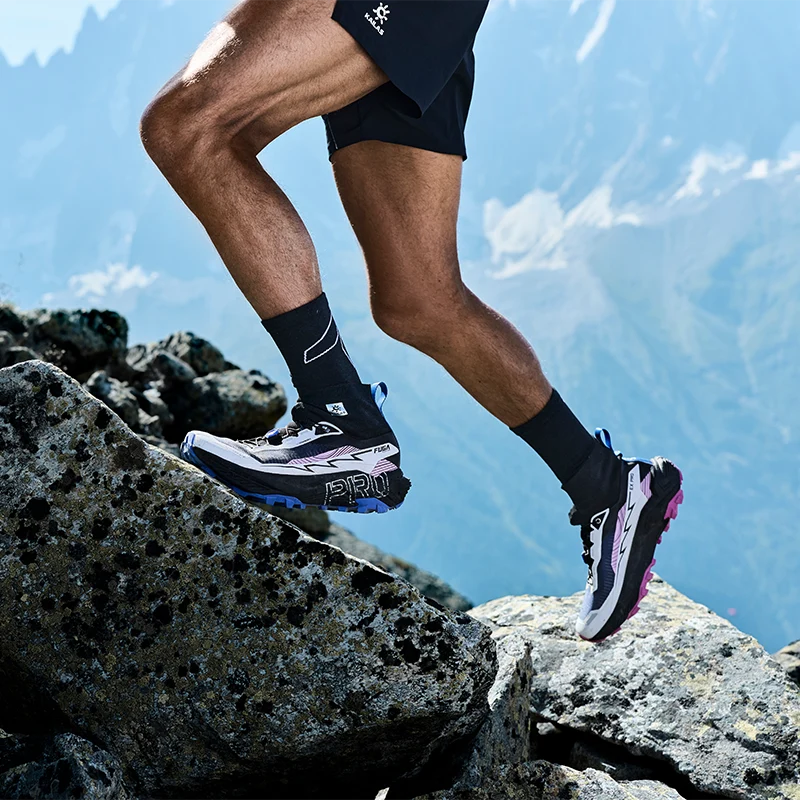
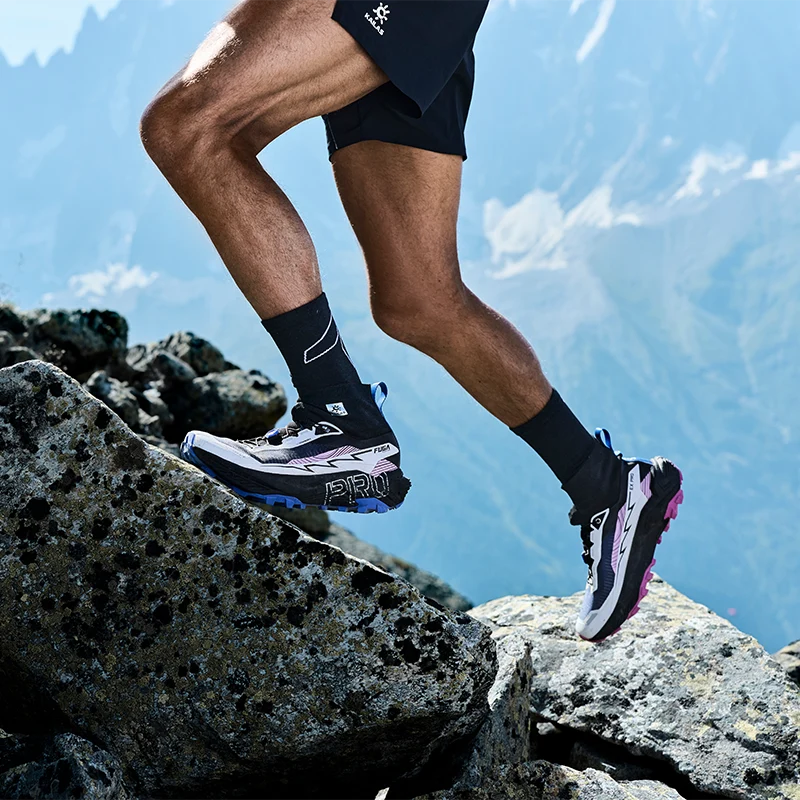
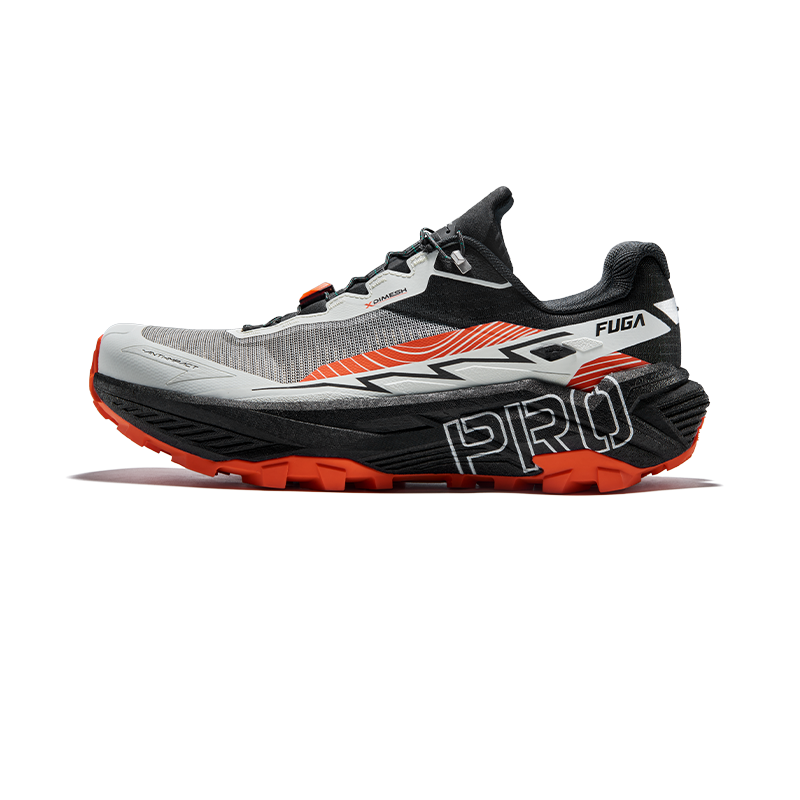
Indossa indumenti traspiranti adatti al clima, un gilet da corsa sicuro per l'acqua e gli oggetti essenziali e scarpe da trail running che offrano una presa e una protezione adeguate al terreno. In caso di condizioni montane variabili, potrebbero essere necessari anche una giacca leggera, un cappello o dei guanti.