


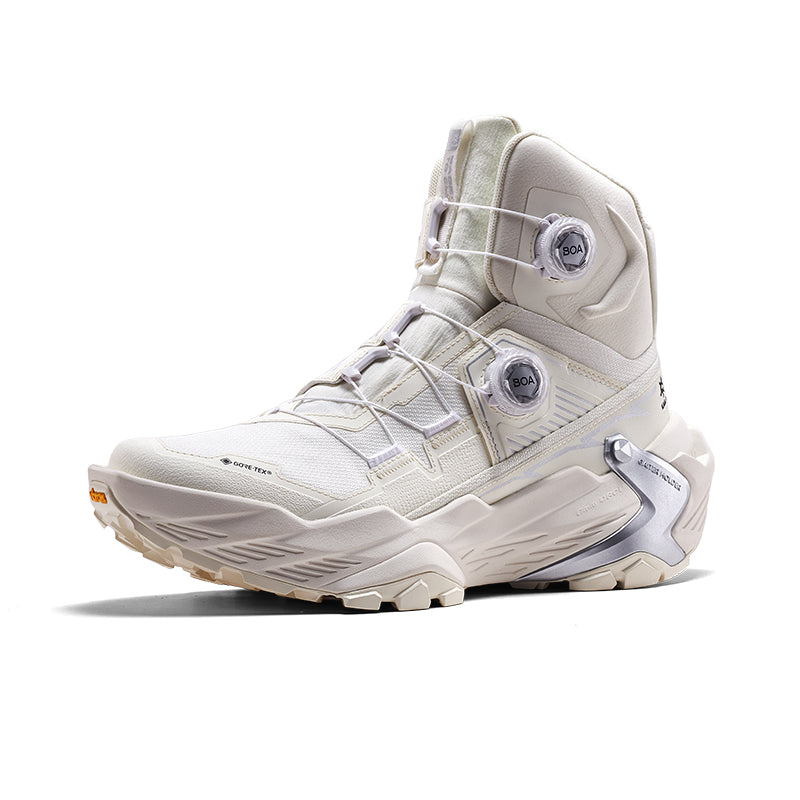
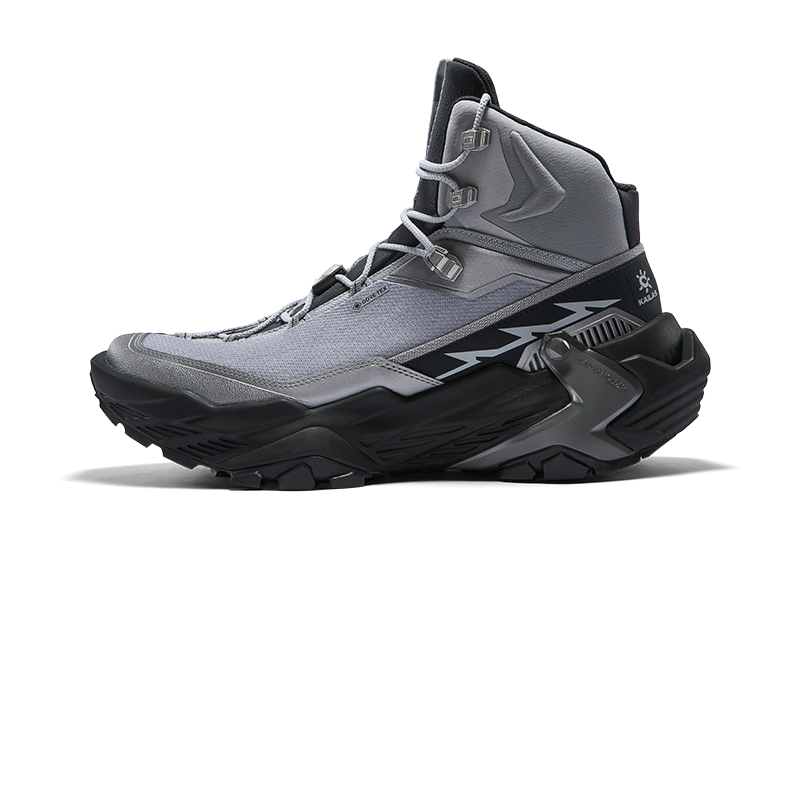
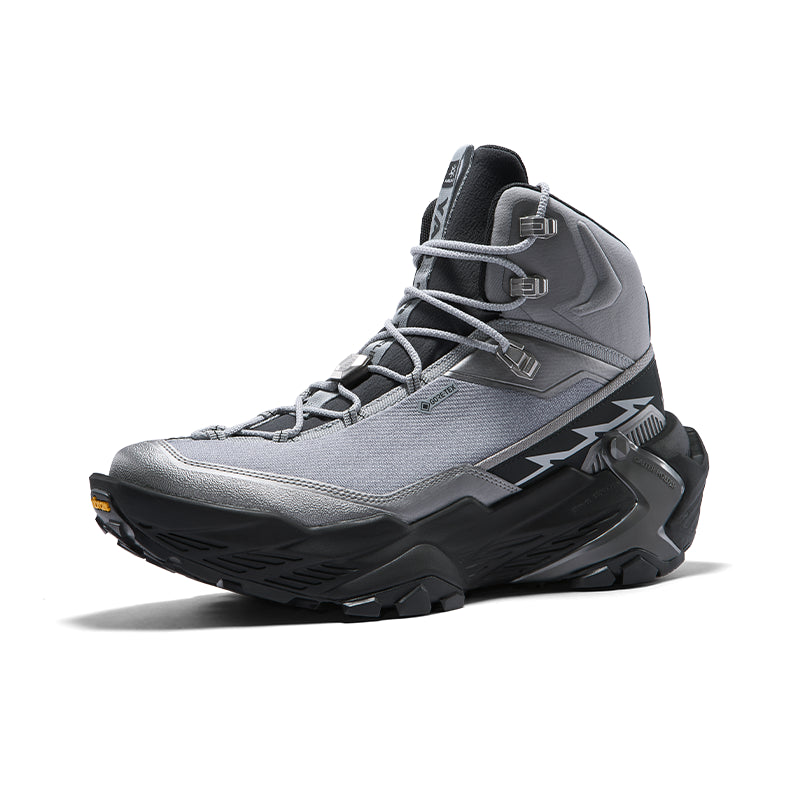
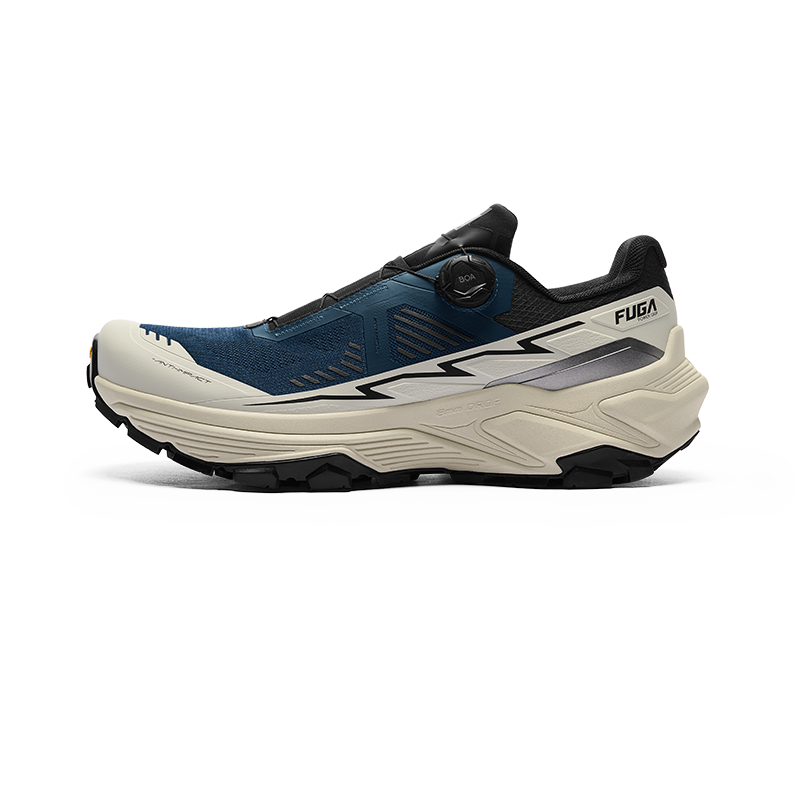
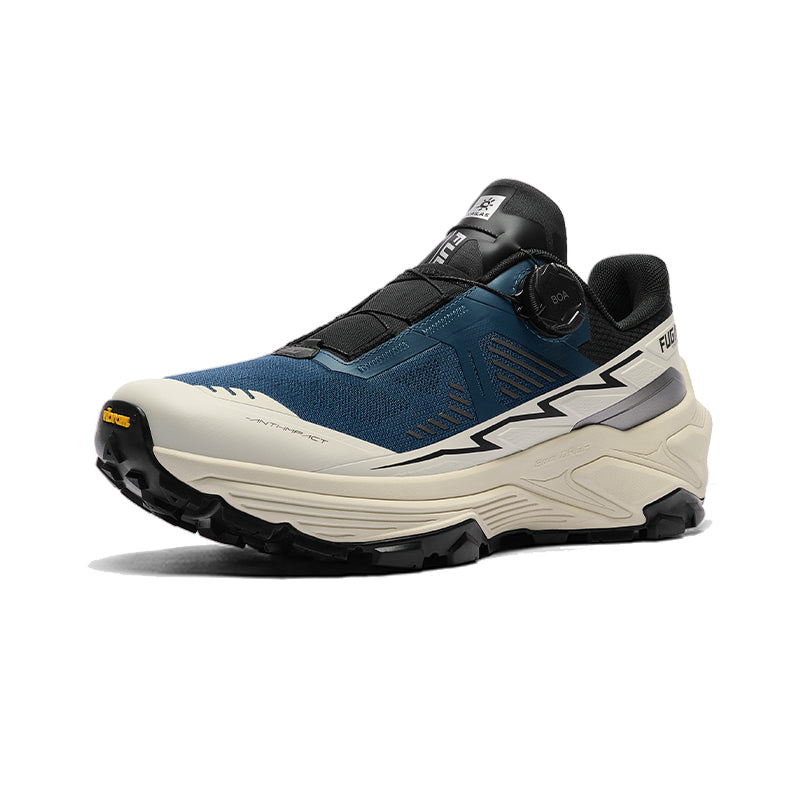
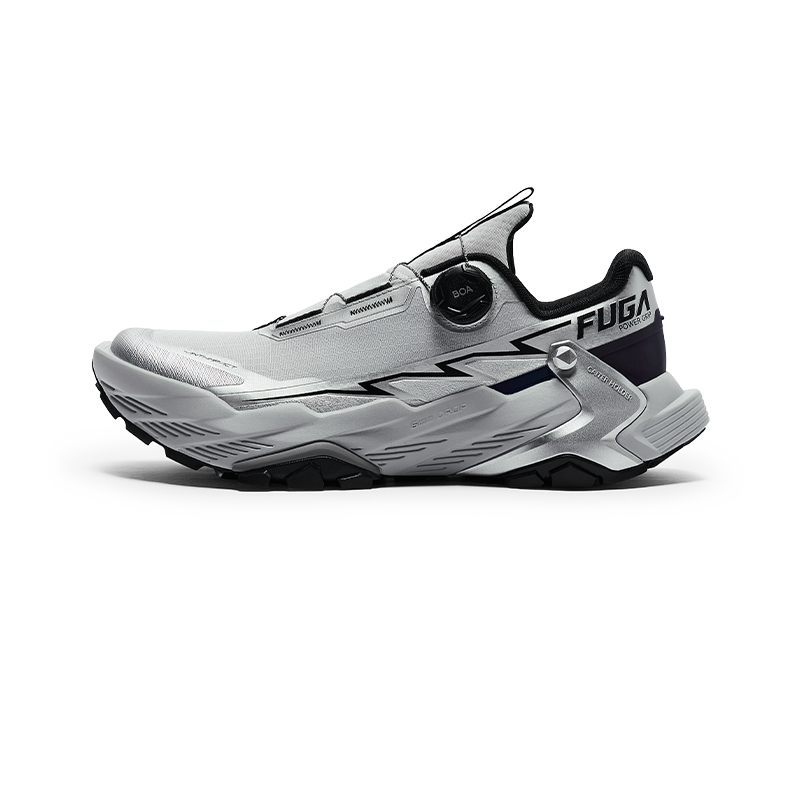
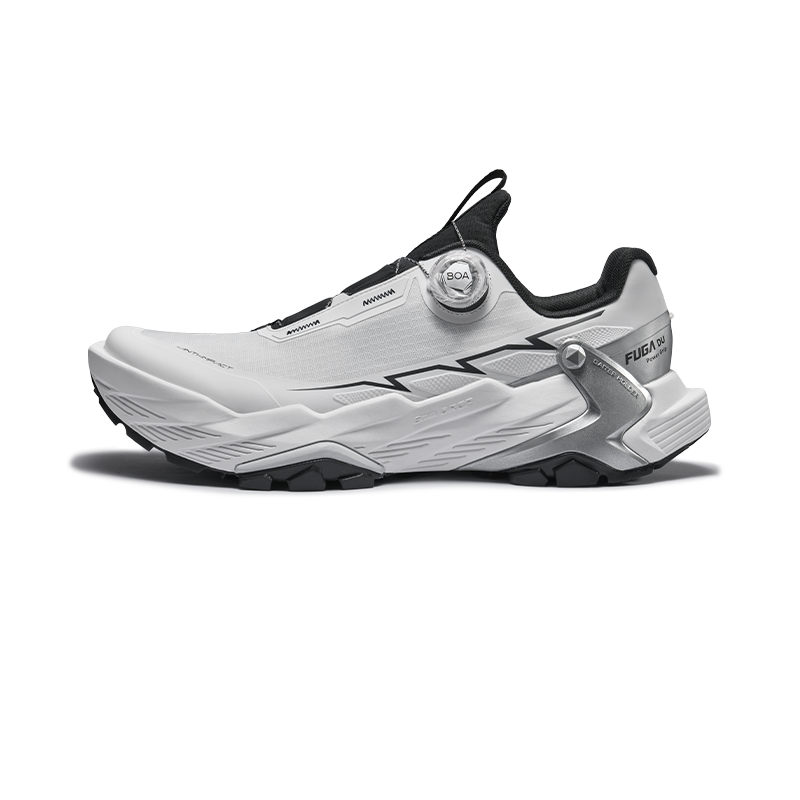
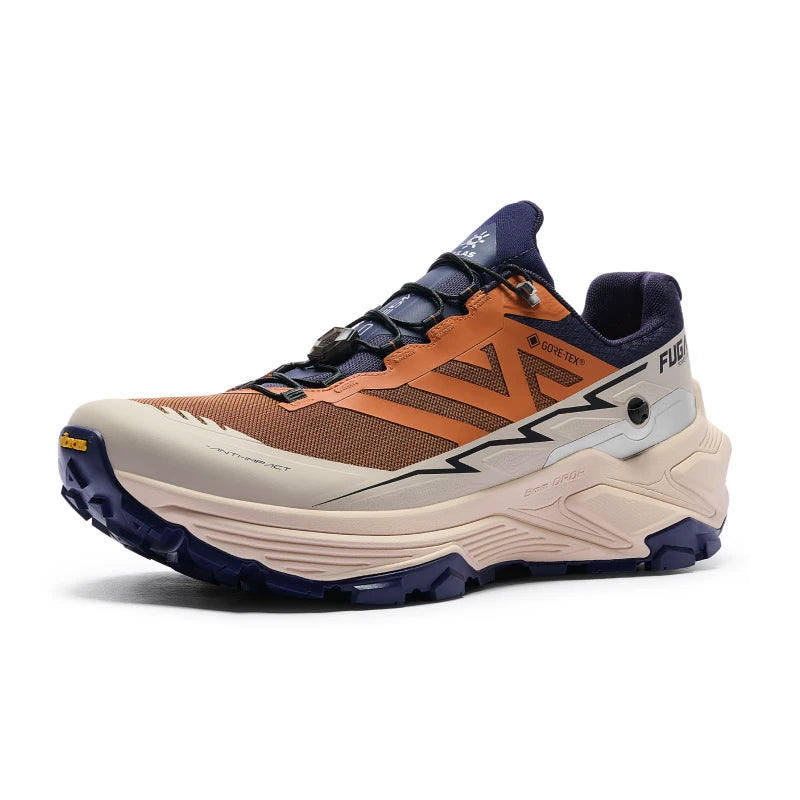
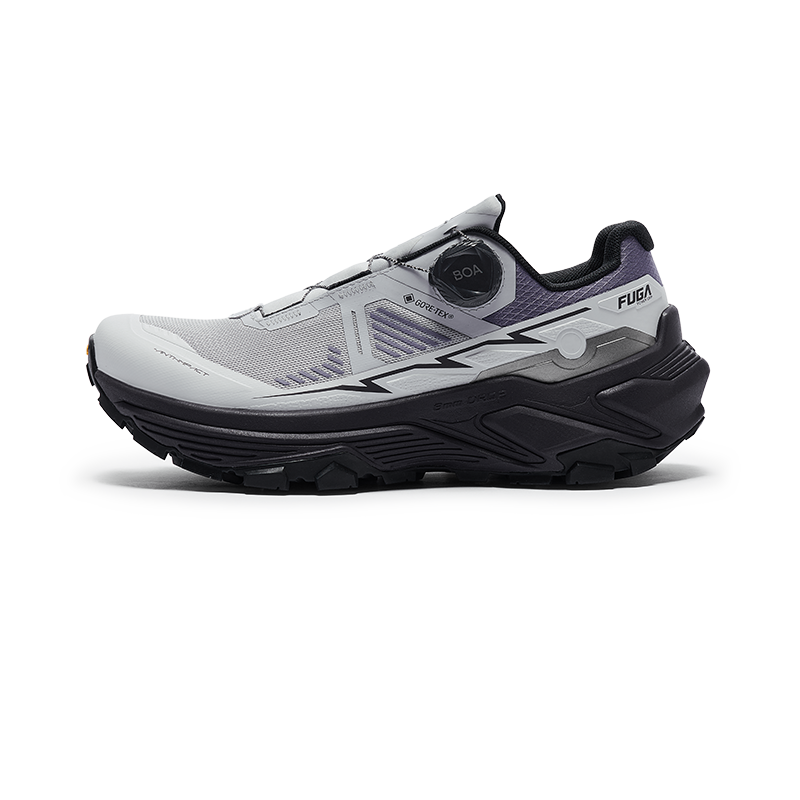
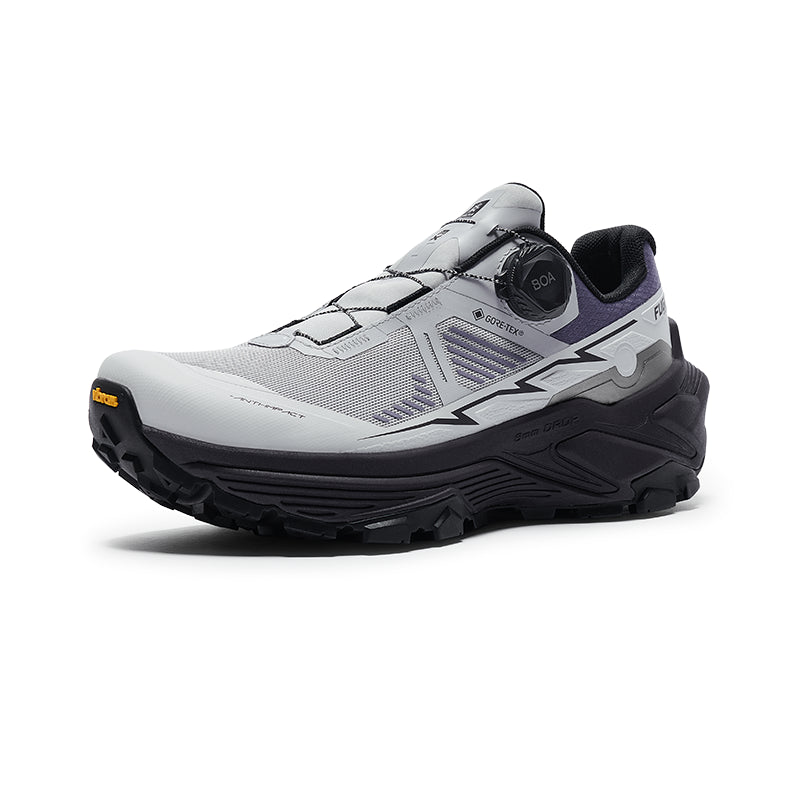
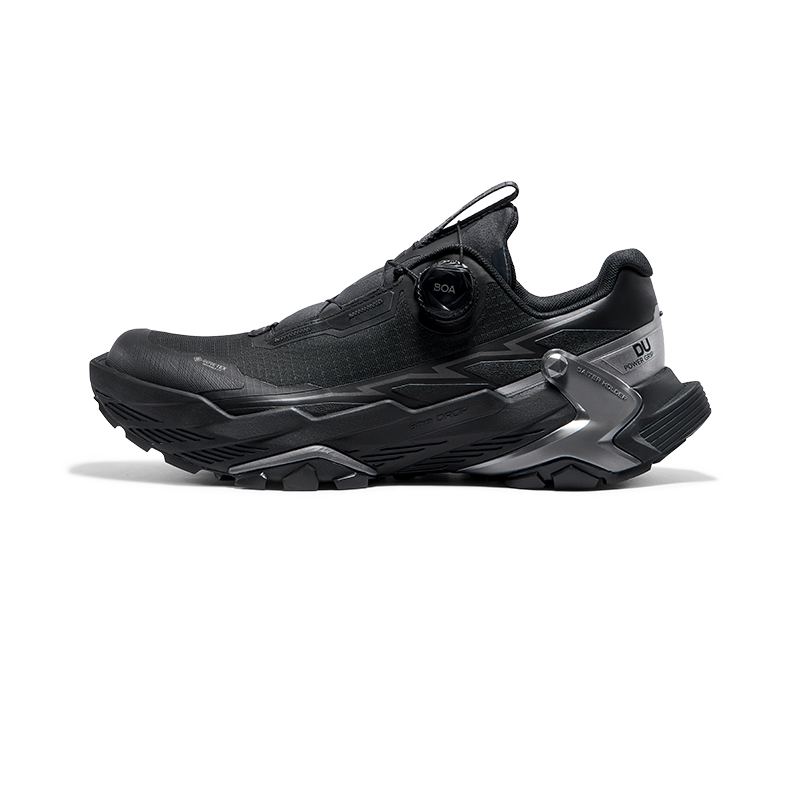
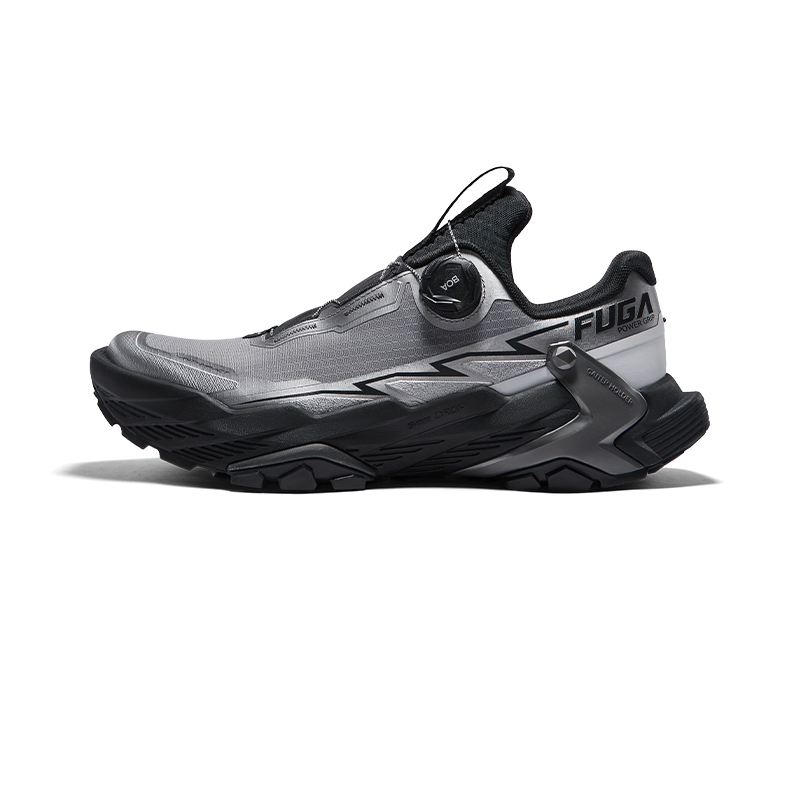
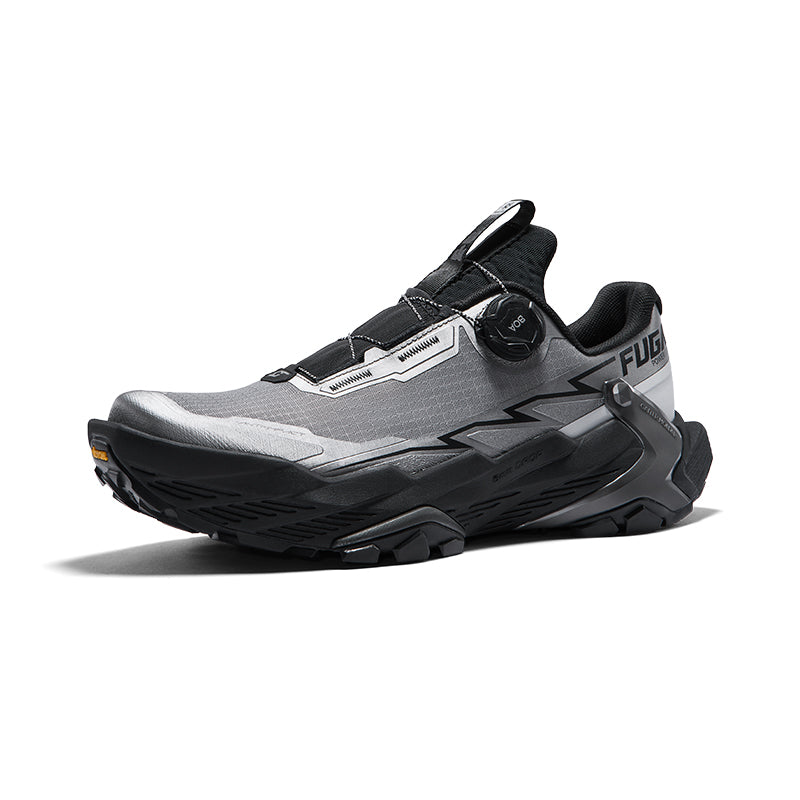
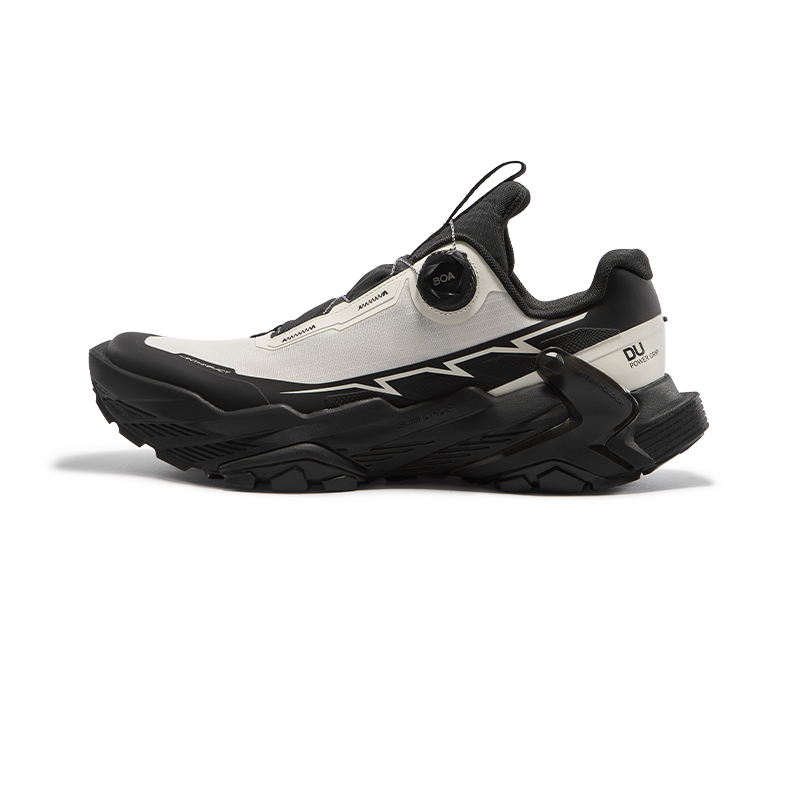
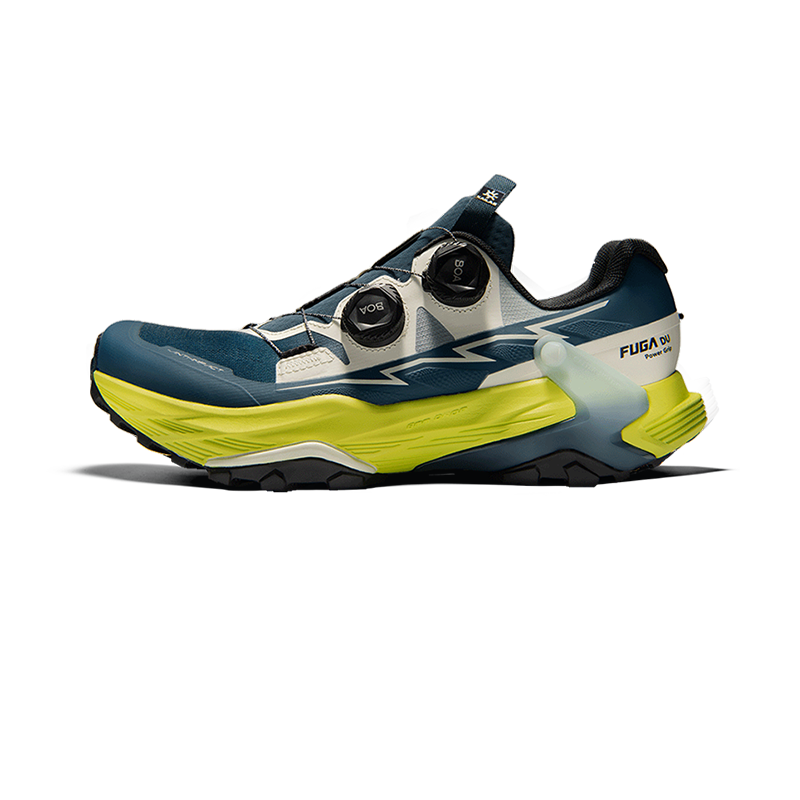
Impermeable zapatillas de trail running Son transpirables hasta cierto punto, pero suelen ser menos transpirables que los modelos no impermeables. Las membranas impermeables pueden ayudar a bloquear la humedad exterior a la vez que permiten que escape algo de vapor de sudor, pero en carreras cálidas o de alta intensidad, pueden resultar más calurosas o menos ventiladas que las zapatillas de trail convencionales.

Halloween Trail Running Gear
Gear up for your next trail adventure with KAILAS FUGA. Enjoy 10% off selected styles from October 19 to November 2, 2026.


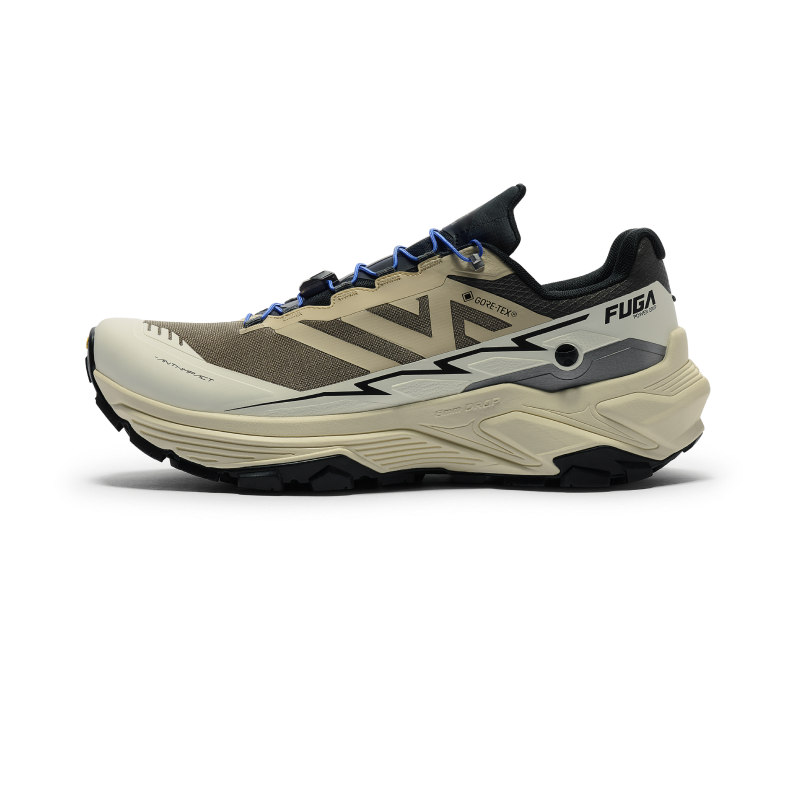

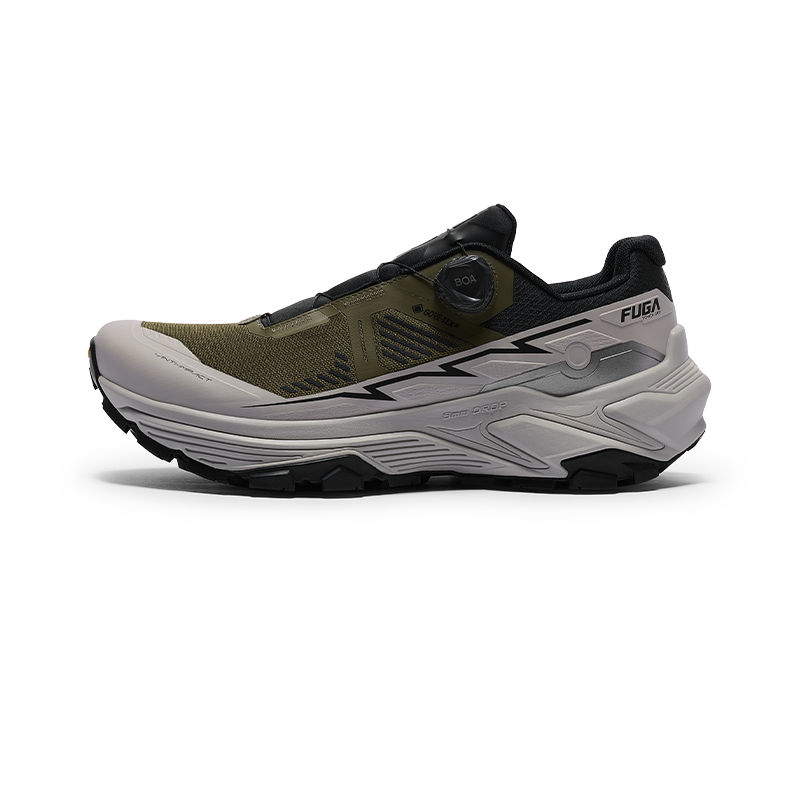
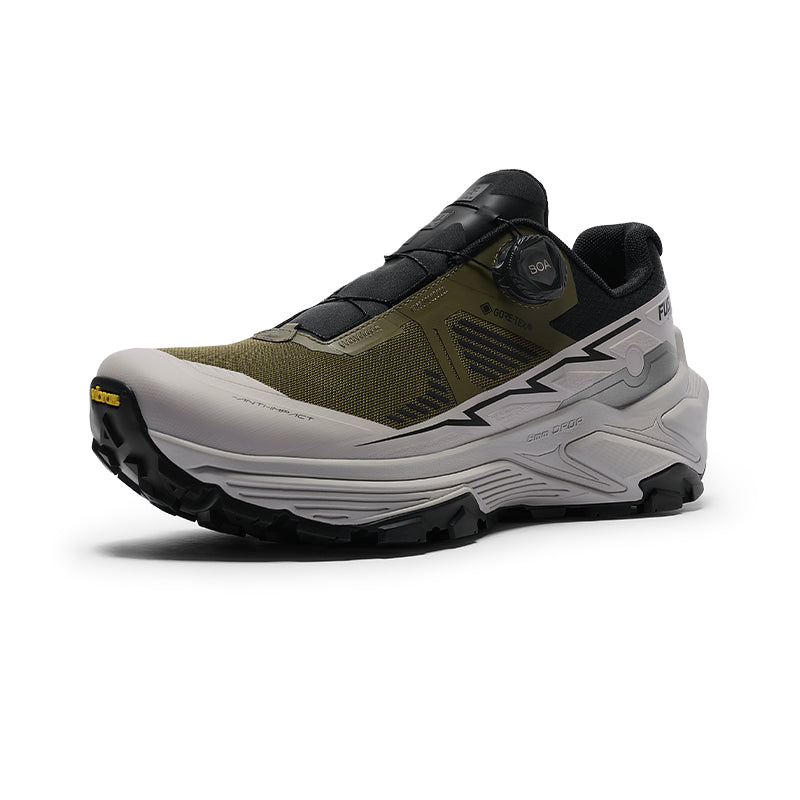


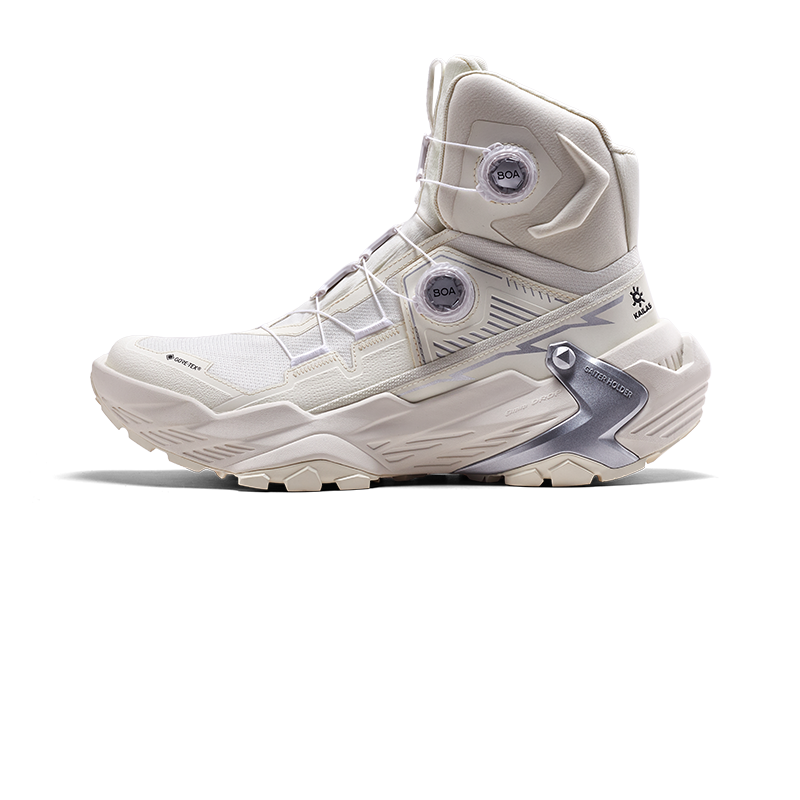
Búsqueda de la cima. Aventura de la cima.
Colección de senderos ultra largos de los Alpes
















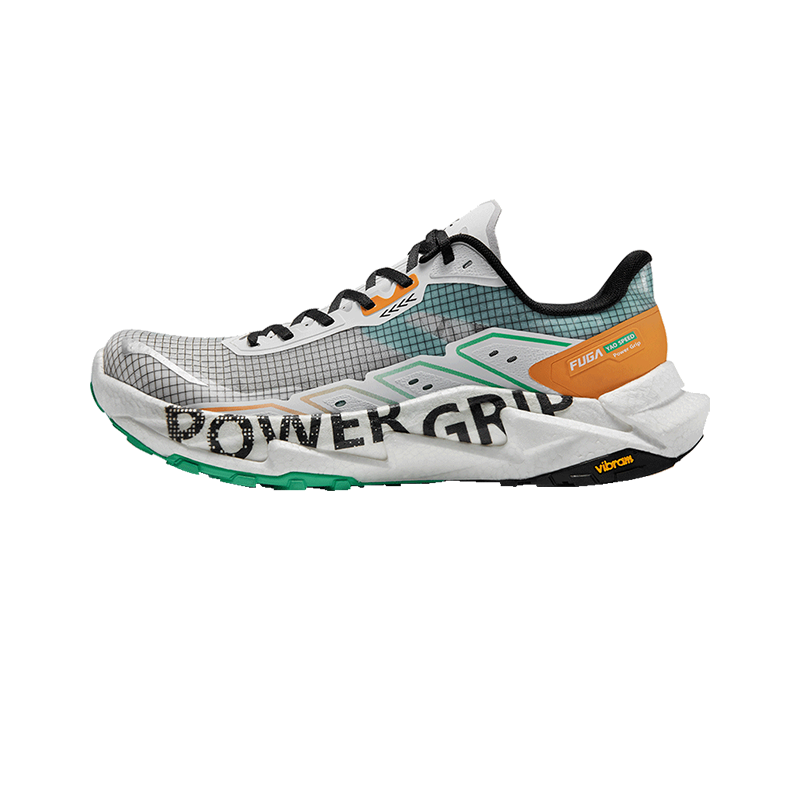

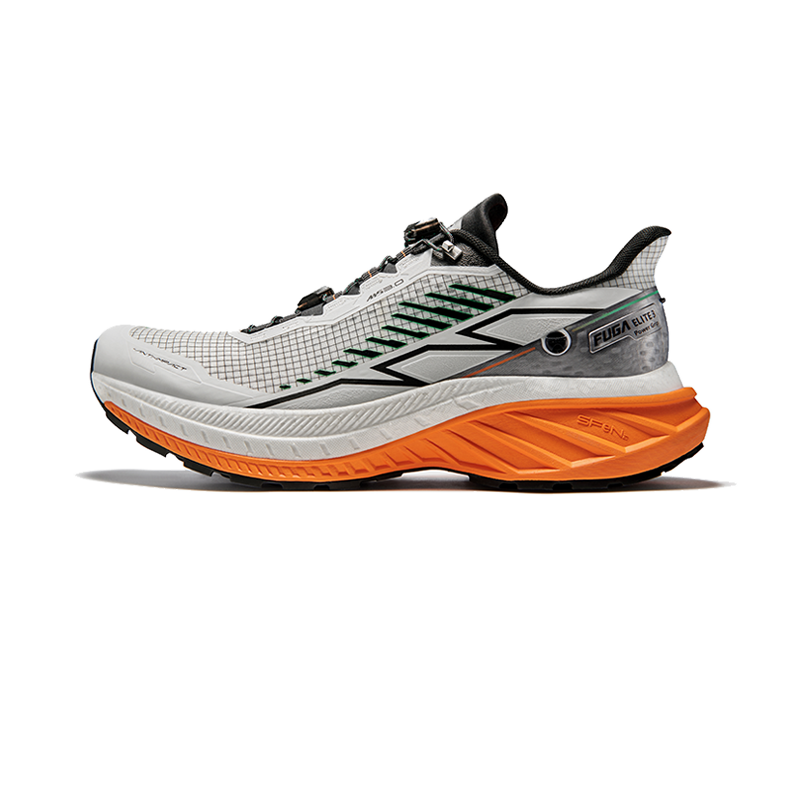

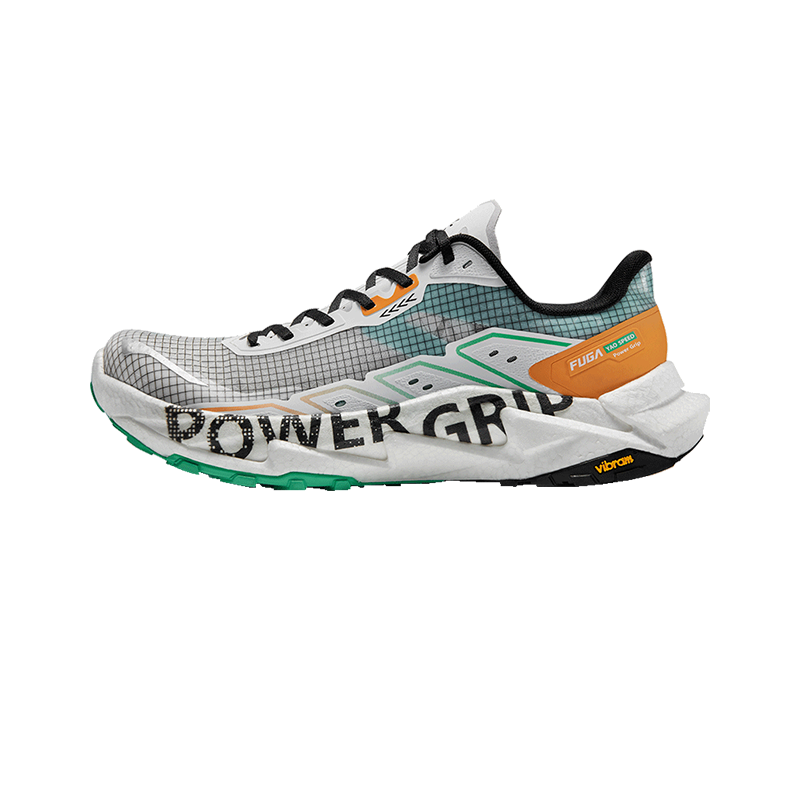

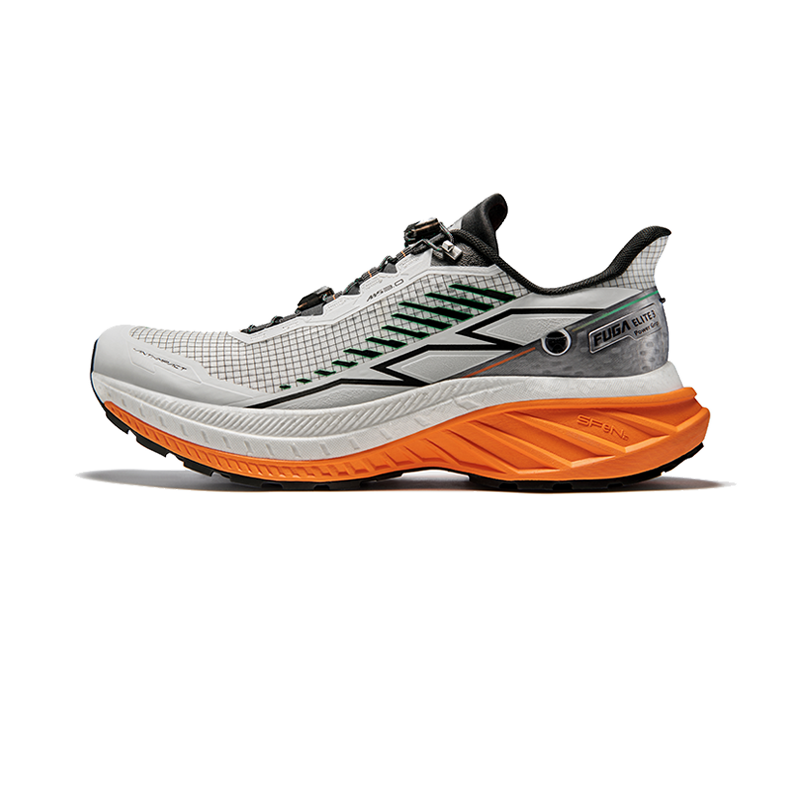



Preguntas frecuentes
1. ¿Son transpirables las zapatillas impermeables para correr por montaña?
2. ¿Pueden los zapatos de trail impermeables prevenir las ampollas en carreras largas?
Los zapatos de montaña impermeables pueden ayudar a reducir el riesgo de ampollas en condiciones de humedad o barro al mantener la humedad exterior alejada de los pies, pero no pueden prevenir las ampollas por sí solos. Un ajuste adecuado, una sujeción segura del talón y la parte media del pie, suficiente espacio para los dedos, calcetines que absorben la humedad, un adaptación gradual y cordones ajustados ayudan a reducir la fricción y los puntos calientes durante las carreras largas.
3. ¿Cómo elegir zapatillas para correr impermeables para diferentes terrenos?
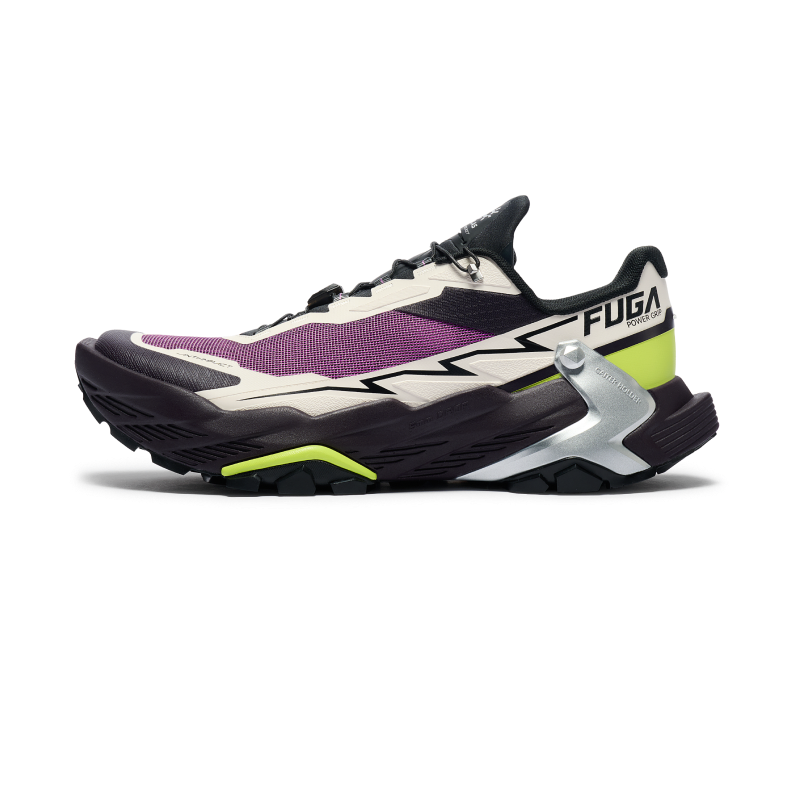
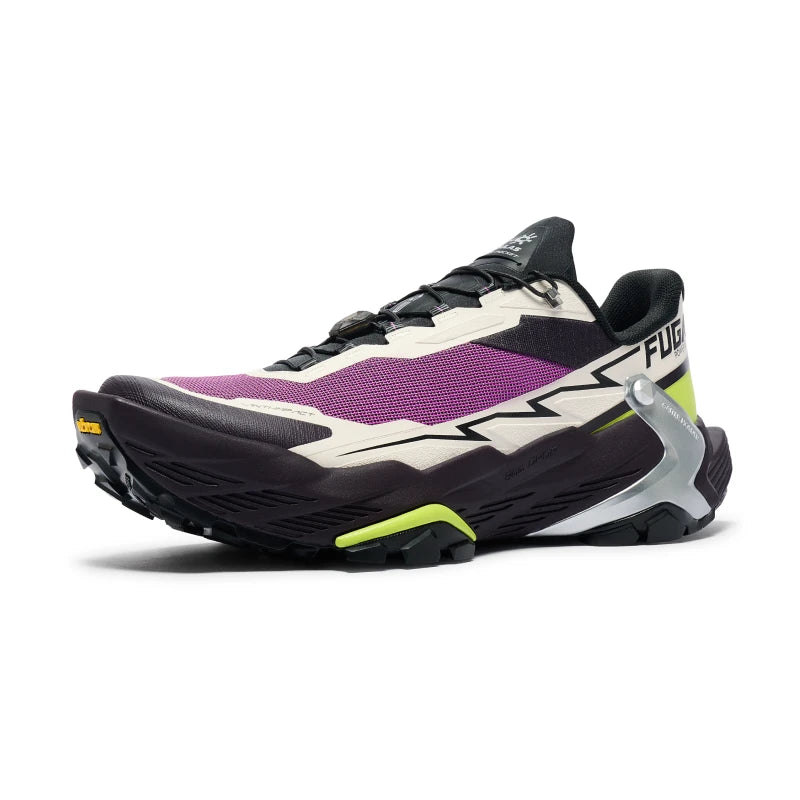
Para senderos rocosos o irregulares, los zapatos con suela reforzada y entresuela firme ofrecen estabilidad y protección. Para caminos más planos o senderos urbanos, los zapatos livianos con suelas flexibles facilitan la carrera. Los zapatos impermeables varían en agarre y rigidez según dónde planees correr. Verificar el patrón y el material de la banda de rodadura puede ayudar a garantizar que sus zapatos funcionen bien en las superficies que encuentra con más frecuencia.
4. ¿Las zapatillas impermeables para correr por senderos son buenas para senderos embarrados?
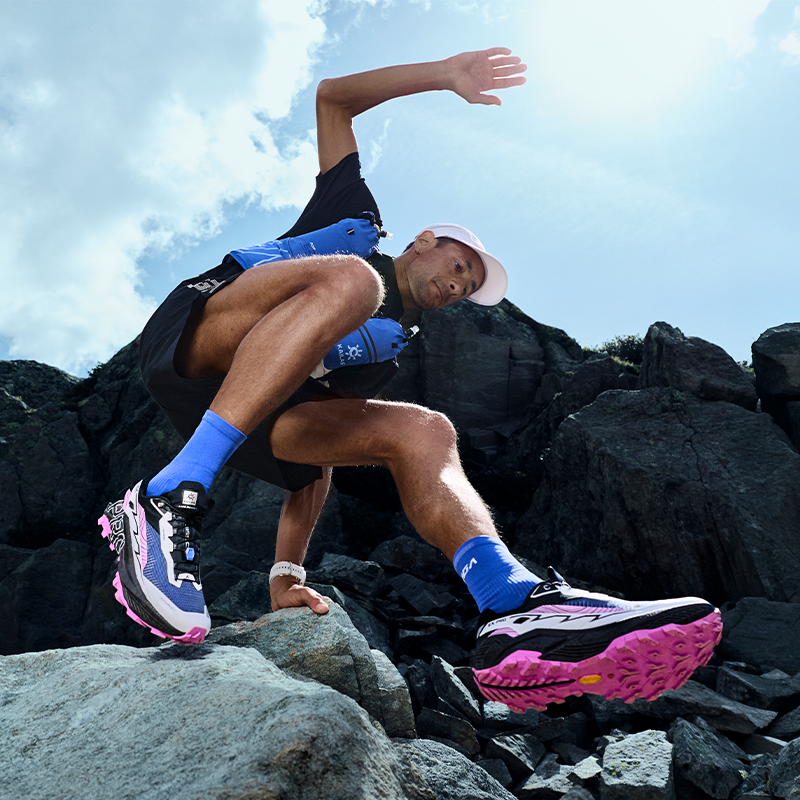
Las zapatillas de trail running impermeables para hombre son ideales para senderos embarrados porque mantienen los pies secos y proporcionan un agarre adicional. Busque zapatos con suelas agresivas, tacos multidireccionales y goma duradera que eviten resbalones en terrenos blandos y húmedos. Las punteras reforzadas y las entresuelas firmes añaden protección contra rocas, raíces y superficies irregulares. Para obtener el mejor rendimiento, limpie el barro con regularidad para mantener la tracción y evite saturar demasiado los zapatos con agua pesada durante períodos prolongados. El uso de zapatos impermeables para hombre con buen ajuste y cordones seguros garantiza la estabilidad, reduce la posibilidad de resbalones y le permite correr distancias más largas de forma segura incluso en condiciones de humedad y barro.
5. ¿Cuándo debo utilizar zapatillas impermeables para correr por montaña?
Los zapatos impermeables son más útiles en condiciones húmedas como el clima lluvioso, senderos embarrados, nieve o rocío matutino. Usarlos ayuda a evitar que los pies se mojen y reduce el riesgo de blisters.On En días secos o con altas temperaturas, los zapatos impermeables pueden resultar calurosos por dentro, por lo que no siempre son necesarios. Usarlos estratégicamente permite conservar su capacidad de repelencia al agua para las situaciones que más lo requieren.
6. ¿Cuánto dura la impermeabilidad de las zapatillas de trail running?
El revestimiento o membrana impermeable pierde eficacia gradualmente con el uso frecuente sobre superficies húmedas o abrasivas. La exposición al barro, el agua y la suciedad puede desgastarlo más rápido. Limpiar los zapatos después de correr y aplicar ocasionalmente un spray repelente al agua puede prolongar su vida útil. Con el cuidado adecuado, un par típico puede permanecer impermeable durante una o dos temporadas.