






Ultra Trail Grand Colombier: Guía de carreras de montaña en Francia
Ubicada en las montañas Bugey de Francia, entre Ginebra y Lyon, la Ultra Trail Grand Colombier es una exigente carrera de montaña ideal para quienes buscan un verdadero desafío alpino. Los recorridos combinan empinadas subidas, senderos rocosos de piedra caliza, tramos boscosos y largos descensos, con distancias que van desde carreras cortas hasta un ultramaratón de 120 km.
Para los corredores británicos, el mayor cambio reside en pasar de terrenos de montaña familiares a ascensos más largos, terrenos más técnicos y un clima que puede cambiar en un instante. Esta guía detalla las distancias de la carrera, cómo es el entrenamiento, el equipo necesario y qué zapatillas de trail son adecuadas para el terreno del Grand Colombier.
¿Qué es Ultra Trail Grand Colombier?
Si has recorrido alguna vez las colinas de Lakeland o conquistado los picos galeses, adentrarte en los senderos del Ultra Trail Grand Colombier te hará sentir como si entraras en un mundo mucho más grande y empinado. Aquí te explicamos qué hace que este evento de montaña francés sea tan especial en el calendario de trail running.
Una carrera de montaña construida alrededor de Grand Colombier
El Grand Colombier se alza majestuoso en el departamento de Ain, como principal punto de referencia en el extremo sur de las montañas del Jura. Los ciclistas de carretera lo conocen bien: ha sido un habitual del Tour de Francia, con pendientes que ponen a prueba a los mejores. Para los corredores de montaña, el desafío es igual de impresionante. El recorrido serpentea alrededor, ascendiendo y atravesando esta imponente montaña, con ascensos constantes y vistas que, en un día despejado, alcanzan hasta el lago de Bourget y el Mont Blanc.
Por qué la región de Bugey hace que el recorrido sea diferente
A diferencia del terreno glaciar de gran altitud que se encuentra en los Alpes occidentales, el paisaje de Bugey es agreste y en constante cambio. Hay frondosos bosques de árboles de hoja caduca que dan paso a escarpados acantilados de piedra caliza, gargantas ocultas y ascensos técnicos plagados de raíces. Lo que sorprende a muchos corredores británicos es la forma en que el terreno cambia bajo los pies: en un momento estás corriendo tranquilamente por una cresta cubierta de hierba, y al siguiente estás pisando con cuidado sobre resbaladizas losas de piedra caliza donde la colocación de los pies es mucho más importante que la velocidad pura.
Qué debes saber sobre la carrera de 2026
El evento está programado para principios de otoño de 2026 y mantiene su reputación de estar bien organizado, con un gran ambiente local y un profundo respeto por el medio ambiente. A principios de septiembre, el aire fresco de la montaña suele combinarse con el calor del final del verano, creando condiciones ideales para la carrera. Pero, al fin y al cabo, estamos en la montaña, así que hay que estar preparado para cambios repentinos. Un comienzo tranquilo y soleado puede transformarse en niebla en las crestas o en un chaparrón repentino en un abrir y cerrar de ojos.
¿Qué distancia de la carrera Grand Colombier debería elegir?
Elegir la categoría adecuada es la decisión más importante que tomarás al planificar tu viaje a Culoz. Para ayudarte a encontrar la ruta que mejor se adapte a tu nivel de experiencia, a continuación te mostramos las distancias.
| Distancia de la carrera | Perfil del corredor de objetivos | Características clave del terreno | Desafío primario |
| 120 km | Ultraatletas experimentados | Rutas de montaña completas, crestas elevadas, gargantas profundas. | Navegación nocturna & elevación sostenida |
| 80 km | Corredores de montaña experimentados | Pasos de alta cumbre, bosque técnico | Controlar el ritmo en las subidas empinadas iniciales. |
| 45 kilómetros | Entusiastas de las maratones y los senderos | Senderos estrechos, subidas empinadas, crestas expuestas. | Ascenso implacable sin largos tramos llanos. |
| 30 km | Corredores de trail intermedios | Senderos forestales, espolón puntiagudo en la cima. | Ganancia vertical sostenida |
| 10 km & 16 kilómetros | Principiantes en senderismo & Buscadores de velocidad | Bosque ondulado, senderos de valle | Ascensos cortos y dinámicos |
120 km para corredores de ultradistancia experimentados
Si buscas una experiencia de montaña auténtica, la ruta insignia de 120 km es un desafío formidable. Combina ascensos exigentes en un amplio circuito por la región, por lo que necesitarás una alimentación adecuada, estar concentrado y sentirte cómodo moviéndote de noche. Lo tienes todo: travesías tranquilas por crestas bajo las estrellas y, finalmente, la emoción de ver amanecer sobre los Alpes a lo lejos.

80 km para un gran desafío de montaña.
Si buscas una auténtica ultramaratón de montaña sin llegar a los 120 km, la opción de 80 km es ideal. Recorre las principales zonas de gran altitud del macizo, por lo que tus piernas se ejercitarán intensamente en crestas de piedra caliza expuestas y descensos técnicos por el bosque: lo mejor de todo, pero sin la dureza del cronómetro.
45 km para una dura carrera de un día.
No te dejes engañar por la etiqueta de "maratón". Esta carrera de 45 km es un auténtico desafío de trail, con suficientes subidas para poner a prueba tus cuádriceps al límite. Es ideal si te gusta esforzarte al máximo en las ascensiones y arriesgarte un poco en los descensos técnicos, todo ello en una intensa excursión de un solo día sin necesidad de linternas frontales.
30 km para una carrera de montaña más corta pero empinada.
Si buscas dar el salto de las pruebas de trail en el Reino Unido a terrenos de montaña más exigentes, el recorrido de 30 km es un excelente punto de partida. Es lo suficientemente corto como para ser manejable, pero a la vez desafiante: una subida constante hasta miradores con vistas panorámicas, seguida de un descenso fluido por senderos forestales. Vistas espectaculares, un esfuerzo considerable y lo terminas en una mañana.
10 km y 16 km para corredores de trail principiantes.
Estas rutas más cortas están pensadas para corredores más rápidos, acompañantes o cualquier persona que se inicie en los senderos. Se mantienen más cerca del valle y de las laderas bajas del bosque.Aunque no es tan exigente como las grandes ultramaratones, permite disfrutar de una auténtica experiencia de carrera todoterreno: subidas cortas y empinadas, senderos de tierra blanda e impresionantes vistas de los riscos circundantes.
¿Cómo debo entrenar para el Grand Colombier?
Entrenar para recorrer senderos de montaña franceses desde el Reino Unido requiere un enfoque inteligente y metódico. A menos que vivas muy cerca de los macizos de Snowdonia o las Tierras Altas escocesas, igualar las continuas subidas verticales de la región de Bugey exige una preparación física específica.
Primero, desarrolla tu fuerza para escalar.
Para superar desniveles de 800 o 1000 metros se necesita una fuerza en las piernas que no se consigue corriendo en carretera. Haz algunas series en cuestas (lentas y con mucho peso) o sube escalones con peso si no tienes cuestas cerca. Unos glúteos, gemelos y zona lumbar fuertes te permitirán seguir subiendo pendientes pronunciadas sin quedarte sin aliento demasiado pronto.
Practica senderismo rápido en terrenos empinados.
Observa a cualquier corredor experimentado de montaña y verás que no corre en cada subida empinada. Optan por una marcha rápida, rítmica y enérgica. Inclínate hacia adelante desde los tobillos, apoya las manos en los muslos o usa los bastones con eficacia: esto te permite mantener un ritmo constante sin que se te dispare el ritmo cardíaco. Practica este ritmo de marcha en tus carreras largas de fin de semana en el Peak District o en las Brecon Beacons, y te dará grandes frutos el día de la carrera.
Entrena tus piernas para descensos largos.
Las subidas pueden poner a prueba tu corazón y tus pulmones, pero son los descensos largos los que realmente castigan tus cuádriceps: esa carga excéntrica pasa factura. Entrena con algunos kilómetros de descenso adecuados para desarrollar resistencia y concéntrate en colocar los pies de forma ligera y rápida en lugar de golpear con fuerza los talones. Una vez que tu técnica de descenso sea consistente, ponte a prueba. Métodos de atado que evitan el deslizamiento del talón En descensos técnicos, mantén el pie seguro sin ejercer una presión excesiva. Fortalecer las rodillas y los músculos estabilizadores con sentadillas a una pierna y sentadillas búlgaras te ayudará a mantener las piernas activas al llegar a los últimos puntos de control del valle.
Prueba la alimentación antes de las subidas difíciles.
Ingerir alimentos mientras se asciende una pendiente del 20% requiere práctica. Las subidas de montaña reducen el ritmo, pero mantienen el esfuerzo alto, por lo que el flujo sanguíneo se desvía del estómago a las piernas. Por eso, conviene experimentar con la nutrición el día de la carrera durante los entrenamientos intensos en cuesta: encuentra lo que te siente bien y no te causa problemas estomacales.
¿Qué equipo necesitas para el terreno de Grand Colombier?
La elección del equipo adecuado puede marcar la diferencia en tu día en las montañas del Jura. Contar con el equipo correcto te garantiza seguridad en crestas expuestas, comodidad durante largas jornadas y agilidad en terrenos impredecibles.
Zapatillas de trail con agarre para tramos empinados y forestales.
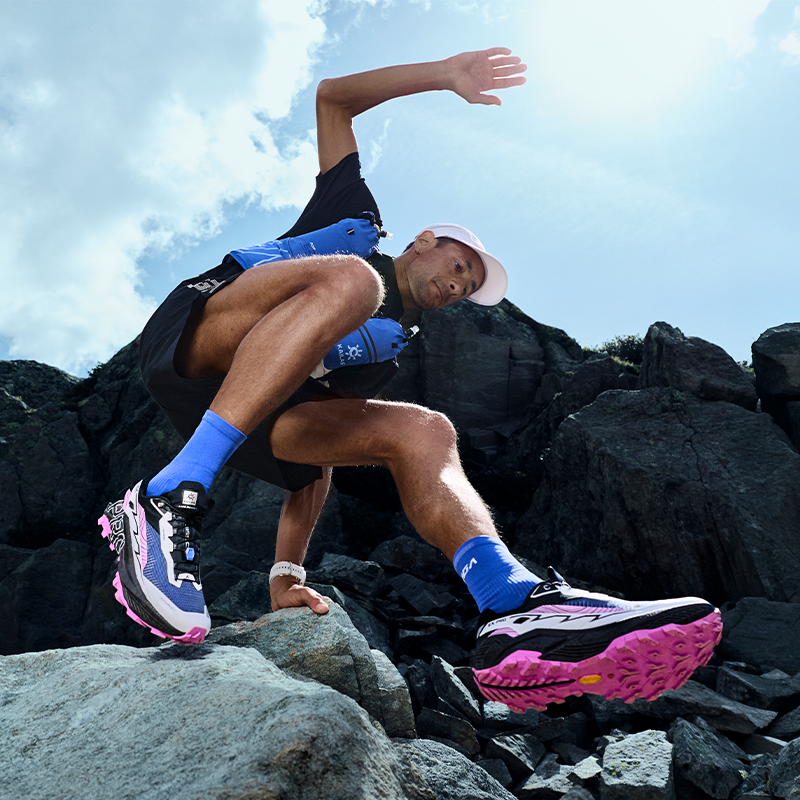
El calzado adecuado para trail running depende en gran medida de la distancia de la carrera. Grand Colombier combina empinadas subidas de piedra caliza, descensos técnicos y largas horas en terreno irregular, por lo que los corredores deben priorizar el agarre, la estabilidad y la comodidad; sin embargo, las diferentes distancias exigen diferentes niveles de protección y amortiguación. Comparando zapatillas de trail running El diseño de la suela, el nivel de amortiguación y la distancia prevista pueden ayudarte a elegir el calzado más adecuado para la ruta que hayas seleccionado.
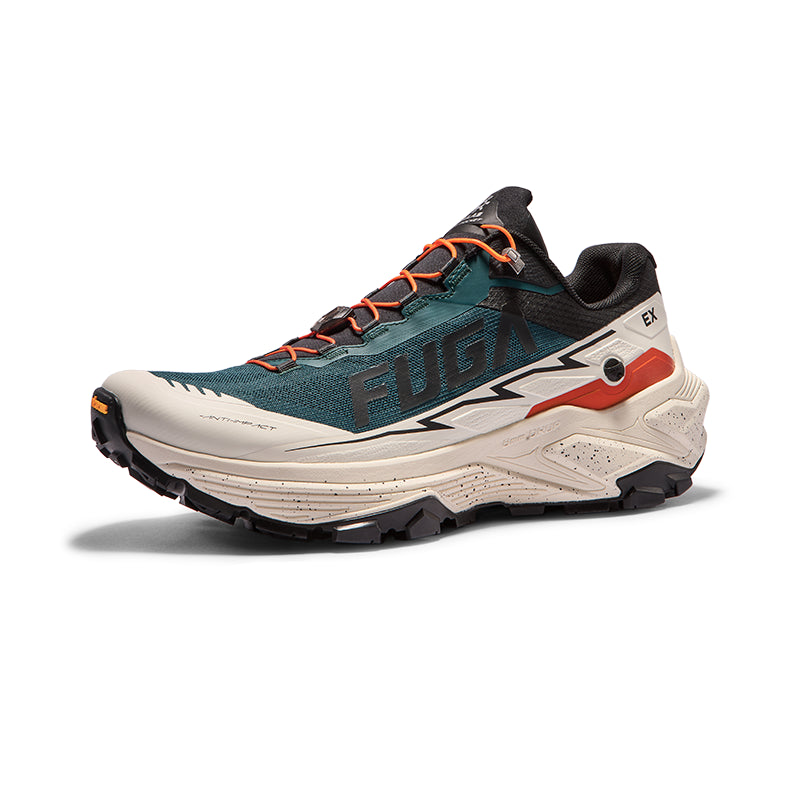
Kailas Fuga EX 3: Ideal para rutas de 45 km y 80 km.
Para los corredores que eligen las carreras Grand Colombier de 45 km u 80 km, la velocidad y el control son igualmente importantes. Estas distancias también implican ascensos importantes, pero recompensan el movimiento eficiente en terrenos técnicos.
El
-
Agarre seguro en piedra caliza húmeda y grava suelta.
-
Una mayor capacidad de respuesta en los descensos técnicos.
-
Amortiguación suficiente sin resultar voluminosa.
-
Mayor agilidad al recorrer senderos estrechos.
Es una excelente opción para corredores que prefieren un calzado preciso y enfocado en el rendimiento.
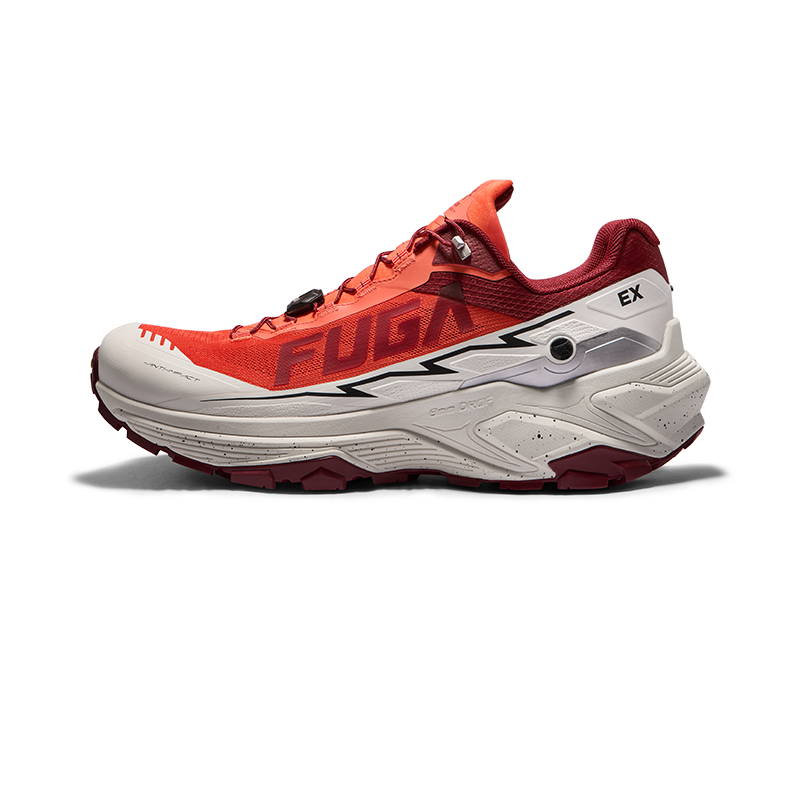
Kailas Fuga EX 330: Ideal para ultramaratones de 120 km.
En la ruta de 120 km, la comodidad cobra cada vez más importancia a medida que aumenta la fatiga. Tras varias horas de ascensos y descensos, pequeños puntos de presión pueden convertirse en problemas graves.
El
-
Amortiguación más indulgente para impactos repetidos
-
Una puntera más ancha para reducir los problemas de hinchazón de los pies.
-
Mayor estabilidad en largas distancias
-
Una plataforma cómoda para correr por la montaña durante la noche.
Para los corredores que pasan entre 15 y 30 horas en la montaña, proteger sus pies es tan importante como ahorrar segundos.
| Zapato | Lo mejor para | Por qué |
| | 45/80 km | Agilidad & control técnico |
| | 120 km | Comodidad & protección |
Ropa para vestirse por capas en septiembre en la montaña
El clima de principios de otoño puede cambiar drásticamente, pasando de temperaturas cálidas en el valle a vientos helados en la cima en un abrir y cerrar de ojos. Asegúrate de llevar una buena prenda impermeable con costuras selladas (con una columna de agua de al menos 10 000 mm), una capa térmica ligera, una camiseta interior de manga larga y una braga de cuello cortavientos. Un sistema de capas flexible te permitirá ajustarlo sobre la marcha sin tener que preocuparte por los puntos de avituallamiento.
Bastones, sistema de hidratación y preparación de la mochila para rutas largas
Para transportar de manera eficiente el equipo de seguridad obligatorio, líquidos y nutrición, un chaleco de carrera ajustado y sin rebotes es indispensable. elegir un chaleco de hidratación Asegúrese de que se ajuste de forma segura sin rebotar, compruebe que quede cerca del torso sin restringir la respiración ni el movimiento de los brazos y pruebe la configuración con la carga completa durante el entrenamiento.
Kailas
Un chaleco de competición con un diseño ergonómico perfeccionado, pensado para transportar el equipo esencial sin restricciones.Gracias al sistema AWS (Adjustable Whole-Vest System) que permite un ajuste personalizado, a sus múltiples bolsillos delanteros accesibles para bidones flexibles y a sus puntos de sujeción específicos para bastones de trekking, mantiene los suministros estables en senderos técnicos de una sola vía.
¿Qué tipo de senderos recorrerás?
Parte de lo que hace que la Ultra Trail Grand Colombier sea tan memorable es la enorme diversidad de su terreno. Entender lo que te espera te ayuda a dosificar tu esfuerzo de forma inteligente durante todo el recorrido.
Crestas abiertas con vistas a las grandes montañas.
Una vez superada la línea de árboles en las laderas superiores del Grand Colombier, el sendero se abre a pastos de altura y crestas calizas expuestas. Las vistas son espectaculares: se puede ver el lago Bourget, el valle del Ródano y, en un día despejado, los picos nevados del Mont Blanc a lo lejos. Correr allí arriba suele ser rápido y seco, pero la brisa puede ser bastante fría.
Senderos forestales que rompen tu ritmo
Más abajo, el recorrido se adentra en densos y antiguos bosques de hayas y pinos. Estas secciones son famosas por sus cambios bruscos de pendiente y dirección. Las raíces expuestas, las hojas húmedas y los estrechos senderos de arcilla exigen una concentración total, lo que dificulta mantener un ritmo constante: tendrás que alternar constantemente entre aceleraciones cortas y movimientos rápidos de pies.

Secciones de valle, lagos y zonas de cascadas
Recorriendo desfiladeros a baja altitud y pasando por lagos idílicos, los tramos de valle ofrecen un agradable cambio de aires tras las altas cumbres. Correrás junto a arroyos alpinos y por senderos de cañones de piedra caliza, donde el aire se mantiene fresco y húmedo. Estas zonas ofrecen algunos de los terrenos más llanos y aptos para correr del recorrido, ideales para retomar un ritmo de carrera suave.
Terreno técnico donde la colocación de los pies importa
El Jura es conocido por su paisaje kárstico, por lo que los afloramientos de piedra caliza afilada y los pedregales sueltos son habituales en los puertos de montaña más altos. En esos tramos, la precisión es fundamental; la velocidad puede esperar. Presta mucha atención a dónde pisas, evita torcerte un tobillo y te moverás con seguridad por el terreno rocoso sin gastar energía extra.
Preguntas frecuentes sobre Ultra Trail Grand Colombier
¿Dónde se celebra el Ultra Trail Grand Colombier?
La Ultra Trail Grand Colombier se celebra en el departamento de Ain, al este de Francia, concretamente en la localidad de Culoz, al pie de las montañas Bugey. Situada a aproximadamente una hora en coche del aeropuerto de Ginebra, es muy fácil para los corredores del Reino Unido llegar mediante vuelos directos o conexiones ferroviarias internacionales vía Ginebra o Lyon.
¿Cuánto dura la carrera de 120 km?
La carrera de 120 km tiene una distancia total aproximada de 120 kilómetros (74,5 millas), con un desnivel positivo de más de 6000 metros. Los tiempos límite son lo suficientemente amplios como para permitir estrategias de ritmo adecuadas, aunque los atletas deben prepararse para entre 20 y 30 horas de movimiento continuo en la montaña.
¿Cuánto desnivel positivo tiene la ruta de 80 km?
La ruta de 80 km presenta un desnivel positivo acumulado de aproximadamente 4200 metros a lo largo de su recorrido. Esto la convierte en una ultramaratón de montaña exigente, comparable en dificultad a grandes desafíos británicos como la Lakeland 50, pero con ascensos individuales más pronunciados.
¿Todas las rutas de senderismo ascienden al Grand Colombier?
No, no todas las distancias de carrera llegan hasta el paso de montaña principal del Grand Colombier.Mientras que las opciones de 120 km, 80 km, 45 km y 30 km recorren la emblemática cima (o sus estribaciones alpinas), las rutas más cortas de 10 km y 16 km se ciñen a los senderos forestales inferiores y las pintorescas laderas que rodean la base de la montaña.
¿Es la Ultra Trail Grand Colombier adecuada para principiantes?
Sí, la Ultra Trail Grand Colombier ofrece opciones accesibles para principiantes, además de sus pruebas extremas de larga distancia. Si bien las carreras de 80 km y 120 km exigen una experiencia considerable en montaña, las distancias de 10 km y 16 km ofrecen una introducción ideal al trail running para corredores de todos los niveles.
Conclusión
La Ultra Trail Grand Colombier es un reto gratificante para los corredores que desean experimentar las carreras de montaña europeas sin participar directamente en los eventos alpinos más concurridos. La combinación de ascensos pronunciados, senderos técnicos y terreno en constante cambio hace que la preparación sea más importante que la velocidad por sí sola.
Elige una distancia acorde a tu experiencia, entrena específicamente para la altitud y llega con calzado y equipo de confianza. Para los corredores de montaña del Reino Unido, Grand Colombier ofrece la oportunidad de poner a prueba sus habilidades en la montaña en un recorrido francés espectacular pero exigente.