








Carrera de maratón de montaña de Vietnam: campos de arroz y selva
Pocas carreras muestran el lado más salvaje del norte de Vietnam como el Maratón de Montaña de Vietnam. El recorrido serpentea por Sapa, a lo largo de crestas montañosas, pasando por terrazas de arroz, atravesando zonas de selva y llegando a pueblos locales. Tanto si eres principiante en las carreras de montaña como si te animas a participar en una carrera de 160 kilómetros, el Maratón de Montaña de Vietnam exige planificación, respeto por el recorrido y equipamiento resistente.
Esta guía explica por qué Sapa destaca, cómo elegir la distancia, qué llevar y cómo entrenar para que puedas llegar a la meta.
Maratón de Montaña de Vietnam: Un vistazo
Antes de ponerte las zapatillas, tómate un minuto para familiarizarte con la actividad. Desde cómo llegar hasta cómo son los senderos, saber qué esperar te ayudará a que tu viaje a Sapa sea mucho más placentero.
Fechas y lugar de la carrera en Sapa
El Maratón de Montaña de Vietnam 2026 se celebrará del 17 al 20 de septiembre en Sapa. La carrera de 100 millas (160 km) dará comienzo el viernes 18 de septiembre por la mañana. Las demás distancias, incluidas las de 100 km, 70 km, 50 km, 21 km y 10 km, comenzarán el sábado 19 de septiembre.
La mayoría de los corredores internacionales vuelan a Hanói y toman un tren nocturno o un autobús con literas hasta Sapa. El viaje en autobús dura unas cinco horas. Sapa está en las montañas, por lo que hace más fresco que Hanói, pero el tiempo puede cambiar rápidamente; prepárense para sol, lluvia o niebla.
Distancias de carrera desde 10 km hasta 100 millas.
Una de las mejores cosas de VMM es la variedad de distancias. ¿Eres nuevo en el trail running? Las carreras de 10 km o 21 km te permiten disfrutar del paisaje sin adentrarte demasiado. ¿Tienes más experiencia? Anímate con las de 50 km, 70 km, 100 km o las 100 millas completas. Todas las distancias ofrecen vistas espectaculares, así que, elijas la que elijas, entenderás por qué la gente sigue volviendo a Sapa.
Tipos de terreno en la Maratón de Montaña de Vietnam
El sendero te ofrece un poco de todo. Senderos estrechos a lo largo de empinadas terrazas de arroz, secciones rocosas de piedra caliza, puentes de madera y algunos arroyos que cruzar. La lluvia lo vuelve resbaladizo y lodoso muy rápido, especialmente en las partes empinadas. Tienes que tener cuidado con dónde pisas y ser inteligente con el ritmo cuando el sendero se pone difícil. Para este tipo de terreno montañoso mixto, Todas las zapatillas de trail running Se debe tener en cuenta la tracción, la estabilidad y la amortiguación, en lugar de centrarse únicamente en el rendimiento en carretera.
Dificultades del Maratón de Montaña de Vietnam
Las subidas son donde la cosa se pone seria. Algunas son interminables, casi sin terreno llano para descansar las piernas. Caminar a paso ligero en las pendientes pronunciadas suele ser la mejor opción. El calor y la humedad lo empeoran, sobre todo cuando el sol pega fuerte. Los puestos de avituallamiento pueden estar a kilómetros de distancia en las zonas remotas, así que hay que ir por delante del ritmo, el agua, la comida y la energía. Empieza a gestionarlo todo con antelación, o te pasará factura.
| Parámetros de carrera | Característica/Especificación principal | Impacto del corredor |
| Ubicación | Sapa, montañas Hoang Lien, Vietnam | Requiere viajar vía Hanói en autobús o tren. |
| Fecha de la carrera | Mediados o finales de septiembre | Condiciones de montaña posteriores al monzón; el clima puede cambiar rápidamente. |
| Clima & Clima | Muy variable, alta humedad, lluvias frecuentes | Requiere vestirse por capas y prepararse para la lluvia. |
| Perfil de elevación | El desnivel positivo total alcanza los 8.800 m+ en la ruta de 100 millas. | Requiere entrenamiento específico para ascensos y descensos pronunciados. |
| Mezcla de terreno | Terrazas de arroz, piedra caliza, senderos de la selva, lechos de ríos | Requiere tracción fiable y zapatillas de trail con tacos profundos. |
¿Qué distancia VMM debería elegir?
Elegir la distancia adecuada depende de que tu estado físico actual y tu experiencia en senderos se ajusten a las exigencias del recorrido. Aquí te mostramos cómo se comparan las diferentes distancias.
Las carreras de 10K y 21K para nuevos corredores de trail
Si eres nuevo en el mundo del senderismo de montaña o simplemente quieres disfrutar de Sapa sin comprometerte con un ultramaratón, las rutas de 10 km y 21 km son buenas opciones. Ofrecen un buen desnivel positivo, vistas espectaculares del valle de Muong Hoa y tramos que atraviesan comunidades de montaña locales, sin exigir el mismo esfuerzo físico que las distancias más largas.
La carrera de 50 km para corredores experimentados
La carrera de 50 km es donde la prueba se vuelve realmente dura. Ascensos pronunciados, descensos técnicos y senderos que pondrán a prueba tus piernas como ningún maratón en carretera. Es un buen paso adelante si has participado en carreras de montaña o maratones más cortas y buscas un desafío mayor. La salida temprana permite que los corredores más rápidos la terminen antes del anochecer, pero el límite de tiempo se extiende hasta la medianoche, así que si eres de los más lentos, prepárate para un largo día en la montaña.
La carrera de 70 km para corredores de gran resistencia.
La 70K está considerada una de las ultramaratones de montaña de un día más duras del sudeste asiático. Incluye un desnivel acumulado en un recorrido que no da tregua. Empiezas en la oscuridad, pasas horas subiendo por senderos empinados y recorres largos tramos a través de la selva. La resistencia, el ritmo y la gestión de la energía no son opcionales; son la clave de toda la carrera.
Las carreras de 100 km y 100 millas para ultracorredores
La carrera de 100 km te exigirá al máximo durante toda la noche. La de 100 millas te ofrece una segunda oportunidad. Ambas requieren experiencia en ultramaratones, un ritmo inteligente y la capacidad de mantener la calma cuando estás al límite. No son carreras para las que puedas participar con solo unas pocas carreras largas a tus espaldas. Necesitas una base sólida y un plan al que puedas atenerte cuando las cosas se pongan difíciles, tanto literal como figuradamente.

Equipo recomendado para la maratón de montaña de Vietnam
Un buen equipo puede marcar la diferencia en tu carrera. El terreno escarpado de Sapa, el barro, la lluvia y la humedad pondrán a prueba todo lo que lleves.Si algo va a fallar, fallará ahí fuera. No dejes eso al azar.
Consulta la lista oficial de equipamiento para tu distancia.
Las revisiones obligatorias de equipo pueden realizarse en cualquier momento, incluso en la línea de salida. Si te presentas sin algo, quedas descalificado. Así de simple. Consulta la lista oficial de equipo para tu distancia antes incluso de empacar.
Dependiendo de la carrera, normalmente necesitarás una capacidad mínima de agua, una linterna frontal con pilas de repuesto, una manta de emergencia, un silbato, una chaqueta impermeable y un botiquín básico de primeros auxilios. No escatimes en estos elementos. Son necesarios por algo.
Elige agarre y amortiguación para terrenos mixtos.
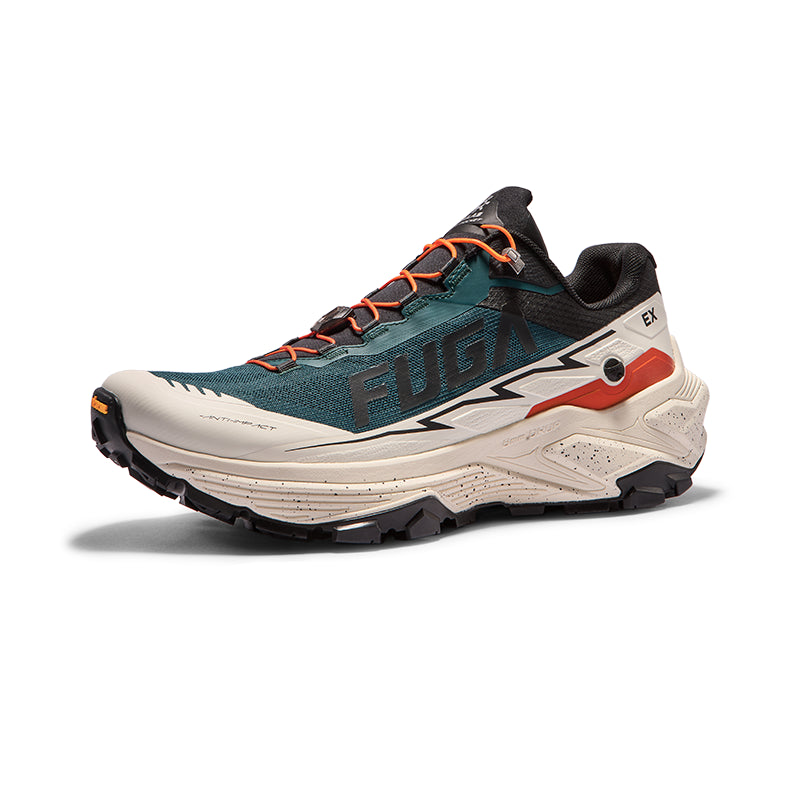
Los senderos de Sapa cambian rápidamente. En un momento estás sobre arcilla resbaladiza, al siguiente cruzas piedra caliza húmeda o desciendes por una pendiente rocosa. Las zapatillas de carretera o cualquier calzado con tacos poco profundos no son adecuadas.
El Kailas
Lleva contigo artículos esenciales para hidratarte y adaptarte al clima.
Mantenerse hidratado en condiciones cálidas y húmedas requiere un sistema de transporte ligero y cómodo que se adapte naturalmente al movimiento del cuerpo. Necesitas tener fácil acceso a cantimploras flexibles, alimentos y ropa de abrigo de emergencia sin tener que detenerte a sacar todo tu equipo.
Para transportar cómodamente el equipo obligatorio, el KAILAS
Prueba cada artículo antes del fin de semana de la carrera.
Nunca te presentes el día de la carrera con equipo nuevo. Zapatillas nuevas, calcetines nuevos, chaleco nuevo: mala idea. El calor, el sudor y los kilómetros encontrarán cualquier pequeño problema de ajuste y lo convertirán en un verdadero problema. Lleva tu equipo completo a algunas carreras de entrenamiento largas, incluyendo sesiones en senderos embarrados, Así sabrás cómo se agarran tus zapatillas cuando el terreno se vuelve blando y resbaladizo. Prepara tu chaleco como lo harás el día de la carrera, observa qué roza, qué se mueve y arréglalo antes de estar en medio de la nada.
Cómo entrenar para el maratón de montaña de Vietnam
La preparación para la VMM requiere una combinación equilibrada. Entrenamiento de fuerza, acondicionamiento específico para montaña, carreras largas y adaptación al calor y a los cambios climáticos. Aquí te explicamos cómo estructurar tu entrenamiento para que se ajuste a las exigencias del recorrido.
Entrenamiento de fuerza para ascensos largos
Para Sapa, tener piernas fuertes es fundamental. Incorpora zancadas, subidas a un escalón, sentadillas a una pierna y elevaciones de pantorrillas a tu rutina semanal. Fortalece tus piernas ahora, porque las subidas pondrán a prueba cualquier debilidad.
En cuanto al calzado, el Kailas
Entrenamiento de senderismo intenso para senderos empinados
Incluso los más fuertes suben las cuestas más empinadas de VMM. Así que practica el senderismo intenso antes del día de la carrera, no solo cuando estés agotado.Apoya las manos en los muslos para impulsarte, mantén el pecho erguido para respirar y mantén un ritmo constante durante mucho tiempo. Así es como llegarás a la cima sin agotarte.
Entrenamiento en descenso para fortalecer las piernas
Las bajadas castigan mucho los cuádriceps. Si no has entrenado para ello, tus piernas pueden reventar mucho antes de lo que crees. Así que incorpora algunas repeticiones controladas de bajada en senderos accidentados. Un sólido Plan de entrenamiento para maratón de montaña Debes incluir trabajo en cuestas, terrenos técnicos y práctica de descensos mucho antes de la semana de la carrera. Acostumbra tus piernas al impacto y la duración de esos descensos, o la VMM revelará rápidamente esa debilidad.

Carreras largas en terrenos montañosos mixtos
Sal a correr largas distancias por senderos de verdad. Terrenos accidentados y técnicos, no caminos llanos. Pasar de cuatro a ocho horas en terreno irregular fortalece las piernas, mejora el equilibrio y te ayuda a concentrarte en un ultramaratón de montaña. Tu cuerpo se adapta a los retos. Enfréntate a los retos adecuados.
Entrenamiento en condiciones de calor, lluvia y poca luz.
No te limites a entrenar cuando hace buen tiempo. Sal a correr durante el calor de la tarde, incluso cuando llueva, y haz algunas sesiones en la oscuridad con una linterna frontal. Así, cuando Sapa te presente condiciones climáticas cambiantes, no te descolocará.
Prácticas de alimentación e hidratación en carreras de larga distancia
El calor y la humedad te agotan rápidamente, y después de unas horas, tu estómago empieza a rechazar alimentos que normalmente tolera bien. Por eso, prueba tus bebidas, geles y tentempiés en carreras largas, no el día de la competición. Encuentra lo que te sienta bien y mantén esa dieta cuando más importa.
Preguntas frecuentes
¿Pueden venir familiares y amigos a verlo?
Sí, hay algunos puntos en Sapa y en algunos controles donde la gente puede pararse a animar. Las zonas de la selva están restringidas por seguridad, pero pueden tomar transporte, ya sea local o en los autobuses de la carrera, y dirigirse a la meta en Topas Ecolodge. Un buen lugar para recibirte a tu llegada.
¿Se permiten los bastones de trekking?
Sí, los bastones son útiles para todas las distancias. Sin duda, te ayudarán en las subidas empinadas y en los descensos resbaladizos. Solo asegúrate de haber corrido con ellos antes del día de la carrera. Aprende a guardarlos cuando no los necesites; no querrás tener que averiguarlo a mitad de la carrera.
¿Necesitas seguro de viaje?
Deberías considerarlo. Para una carrera internacional de montaña, vale la pena tenerlo. Asegúrate de que la póliza cubra carreras de montaña, competiciones organizadas y evacuaciones de emergencia. Un plan de viaje estándar podría no ser suficiente, así que lee la letra pequeña. No des nada por sentado.
Conclusión
El Maratón de Montaña de Vietnam no se trata solo de correr. Atravesarás las tierras altas del norte, pasando por pueblos que parecen estar en otro mundo, con paisajes que te dejarán sin aliento. Y sí, te pondrá a prueba. Elige una distancia adecuada a tu nivel. Entrena para las subidas y los descensos difíciles, porque te esperan. Lleva equipo de confianza: zapatillas con buen agarre, un chaleco que te quede bien, nada que te falle a mitad de camino.
El barro forma parte de la experiencia. Las montañas también. No luches contra ninguna de las dos. Simplemente sigue adelante, disfruta de las terrazas de arroz y deja que la carrera se desarrolle.