






Perché le unghie dei piedi diventano nere dopo il trail running e come prevenirlo
Il trail running è uno dei modi migliori per immergersi nella natura, ma spesso lascia un piccolo e doloroso souvenir: le unghie dei piedi nere. Questa guida analizza i motivi per cui la corsa fuoristrada causa lividi alle unghie dei piedi, scompone i principali fattori scatenanti – sia ambientali che legati al modo di muoversi – e offre consigli pratici per evitarlo. La chiave è allacciare meglio le scarpe, usare una tecnica di corsa più intelligente in discesa e proteggere adeguatamente i piedi sui terreni accidentati.
Perché le unghie dei piedi potrebbero diventare nere durante la corsa sui sentieri
Per capire perché le unghie dei piedi diventano nere, è utile osservare cosa succede effettivamente sotto l'unghia.
Tipi di problemi alle unghie dei piedi che i corridori si trovano ad affrontare
Il termine scientifico per un'unghia del piede nera è ematoma subungueale. In pratica, si tratta di un accumulo di sangue sotto l'unghia. Nel trail running, questo è solitamente dovuto a due fattori: un colpo improvviso o ripetuti piccoli urti.
Un trauma acuto si verifica in una frazione di secondo. Calci una pietra nascosta o una radice d'albero e finisce lì. Il microtrauma cronico è molto più comune. È come quando la punta del piede sbatte contro la parte anteriore o superiore della scarpa, passo dopo passo, chilometro dopo chilometro. Alla fine i vasi sanguigni cedono e si rompono sotto l'unghia.
Primi segnali di danni alle unghie dei piedi
Prima che l'unghia diventi completamente nera, il corpo di solito ti dà alcuni segnali d'allarme. Non ignorarli. Potresti notare un dolore sordo o una sensazione pulsante alle dita dei piedi durante o subito dopo una lunga corsa. Visivamente, cerca un po' di rossore intorno alla cuticola, un lieve gonfiore o una leggera sfumatura rosa o giallastra sotto l'unghia. Intervenendo tempestivamente, potrai adattare le tue calzature o il tuo stile di corsa prima che si formi un ematoma vero e proprio.
Perché il trail running aumenta il rischio di unghie dei piedi nere
Anche i corridori su strada si ritrovano con le dita dei piedi ammaccate di tanto in tanto, ma è molto più comune nel trail running. Questo è dovuto all'imprevedibilità del terreno e alle continue sollecitazioni a cui i piedi sono sottoposti.
Calzature che non calzano bene
La scelta delle calzature è fondamentale per la salute delle unghie dei piedi, soprattutto quando si trascorrono ore su terreni accidentati e imprevedibili. Se le scarpe da trail running sono troppo corte, le dita dei piedi sbatteranno contro la punta della scarpa a ogni passo. Se invece sono troppo larghe o troppo larghe nella zona mediale del piede, i piedi scivoleranno in avanti durante la corsa e le dita continueranno a sbattere contro lo stesso ostacolo anteriore, per ore e ore.
Impatto ripetitivo sulle unghie dei piedi
Corsa su sentiero Percorrere un terreno irregolare esercita già una maggiore pressione sulle gambe. Se poi si aggiunge una ripida discesa o un singletrack tecnico, i piedi finiscono per agire come freni contro la forza di gravità. Questo li spinge in avanti all'interno della scarpa. Ripetendo questa operazione per chilometri, le unghie dei piedi subiscono un forte stress, al punto da sanguinare e presentare lividi.
Idratazione e ammorbidimento delle unghie
Se si tengono i piedi bagnati per un periodo prolungato, la pelle e le unghie si ammorbidiscono. Una volta impregnati d'acqua, l'attrito e le forze di taglio all'interno della scarpa aumentano drasticamente, facendo scivolare i piedi più facilmente e rendendo le unghie dei piedi, ormai ammorbidite, molto vulnerabili a sollevamenti e contusioni.
Recupero inadeguato tra le corse
Evita di tornare a correre sui sentieri troppo presto se i tuoi piedi sono ancora doloranti. Quel piccolo livido o indolenzimento? Correre di nuovo non farà altro che peggiorare la situazione. Prossima tappa: un brutto ematoma e un'unghia del piede che si stacca.

Come prevenire le unghie dei piedi nere durante la corsa in montagna
Per prevenire la formazione di unghie nere sui piedi, è fondamentale prendersi cura dei propri piedi e scegliere scarpe progettate per resistere alle sollecitazioni più intense, come impatti violenti e discese ripide.
Calzata corretta della punta per evitare la pressione
Quando provate le scarpe da trail running, assicuratevi di avere abbastanza spazio davanti alle dita dei piedi. Una buona regola generale è quella di lasciare circa la larghezza di un pollice tra il dito più lungo e la punta della scarpa. Questo spazio extra permette ai piedi di distendersi e gonfiarsi leggermente, cosa che accade sempre durante le corse lunghe.
Tecniche di allacciatura per ridurre lo slittamento in avanti
L'allacciatura standard non sempre mantiene il piede bloccato in posizione. Nelle discese ripide, il piede scivola semplicemente in avanti. È qui che entrano in gioco trucchi come il blocco del tallone o il passante del corridore. Riducono quello scivolamento molto meglio. Se semplicemente stringete le vostre scarpe da trail running Con i lacci normali, di solito si finisce per stringerli troppo, il che interrompe la circolazione sanguigna o crea fastidiosi punti di pressione sulla parte superiore del piede.
Perché alcune scarpe da trail running riducono i danni alle dita dei piedi meglio di altre
Non tutte le scarpe da trail running gestiscono l'impatto in discesa allo stesso modo. La vera differenza sta nella capacità di mantenere il piede ben saldo quando il terreno si fa ripido e tecnico. Quando il piede scivola in avanti in discesa, le dita continuano a urtare contro la parte anteriore della scarpa. Questa pressione costante è una delle principali cause di unghie nere e lividi. I progettisti di scarpe adottano generalmente diversi approcci per risolvere questo problema:
Sistemi di allacciatura standard
La maggior parte delle scarpe da trail running si affida alla normale allacciatura. Questa può assicurare la parte centrale del piede, ma spesso non riesce a impedire lo scivolamento in avanti durante discese lunghe o ripide, soprattutto quando i piedi iniziano a gonfiarsi.
Blocco del tallone (anello del corridore)
Si tratta di una semplice modifica al modo in cui allacciate le scarpe. Stringere di più il tallone aiuta a ridurre i movimenti all'interno della scarpa. Funziona bene per molti corridori, ma dipende comunque da quanto si stringe e da come calza la scarpa.
Sistemi di bloccaggio del piede avanzati
Alcune scarpe da trail performanti si spingono oltre. Integrano un supporto strutturato che stabilizza il mesopiede e riduce lo scivolamento interno senza comprimere il piede.
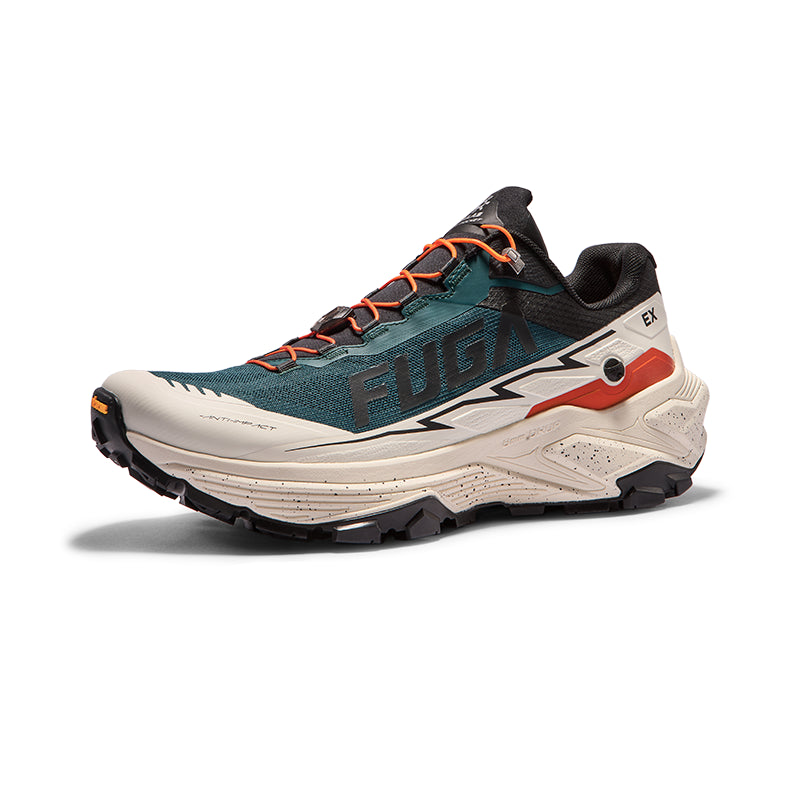
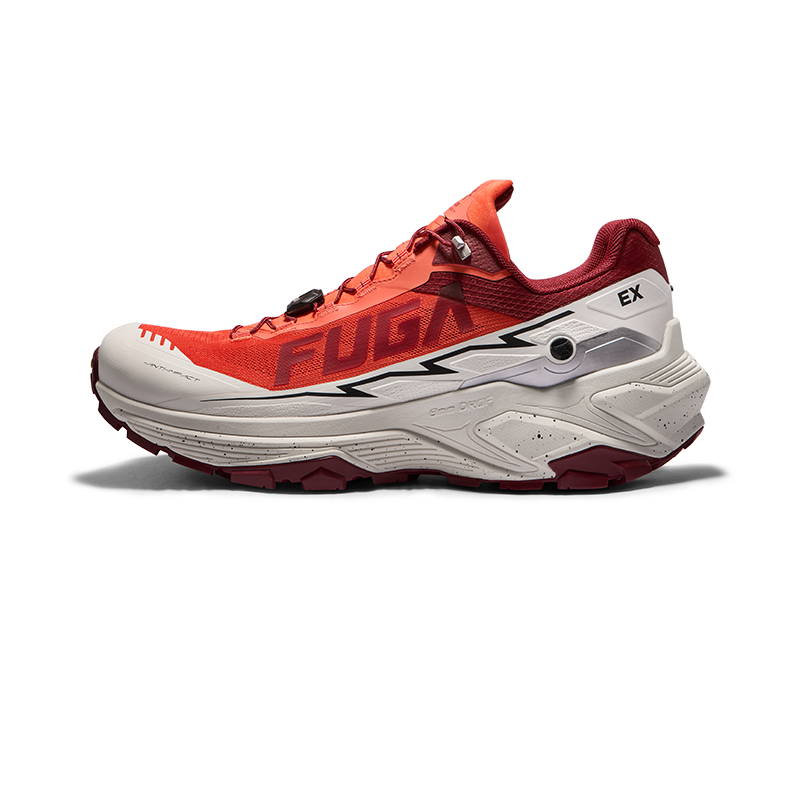
Prendi il Kailas
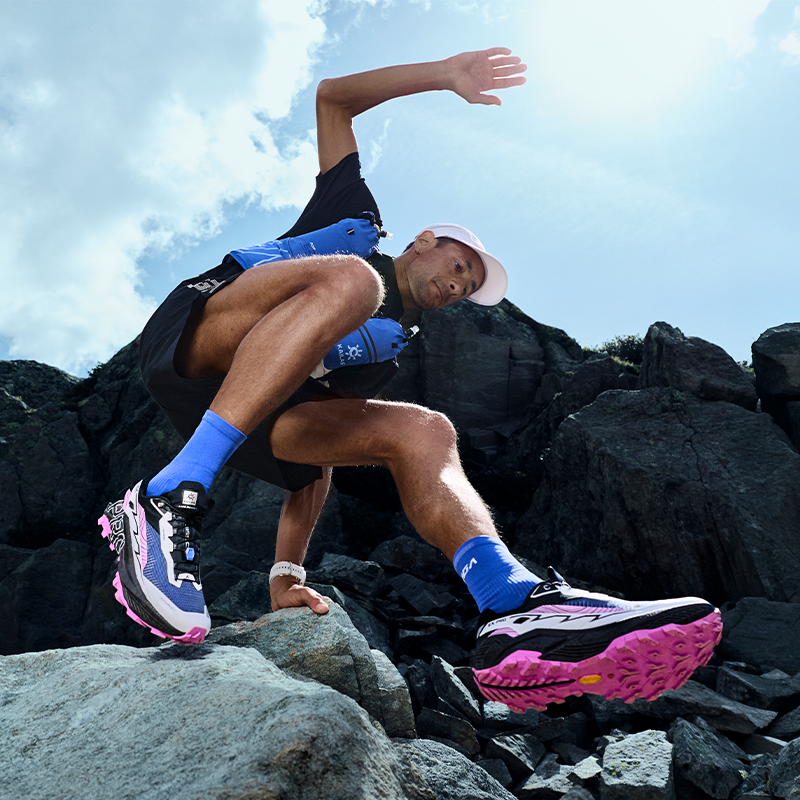
Il punto chiave è il sistema a due sezioni AWS 3.0™. Invece di stringere semplicemente tutta la scarpa, il che interrompe la circolazione sanguigna e provoca punti dolenti, divide la calzata in due zone. La prima zona blocca il mesopiede in posizione. Immaginatela come un catenaccio. Impedisce al piede di scivolare in avanti nelle discese ripide, mantenendo le dita lontane dalla parte anteriore della scarpa e prevenendo quel continuo urto che fa diventare nere le unghie. La seconda zona offre un avvolgimento stabile e flessibile che rimane comodo anche nelle giornate di allenamento più lunghe.
Fermare la scivolata è solo metà del problema. Bisogna anche gestire l'impatto. Per questo Kailas abbina questo sistema avvolgente a una spessa intersuola in Eccevai che offre un'ottima elasticità. Garantisce il 20% in più di ritorno di energia, è morbida e reattiva e assorbe gli impatti più violenti. Le gambe rimangono più fresche, i piedi si affaticano meno rapidamente e si può affrontare una maratona di 100 miglia senza dover cambiare scarpe.
L'ultimo
-
Piattaforma più ampia e stabile: La forma si allarga come un trapezio. L'avampiede è più largo del 4%, il tallone del 15%. La larghezza complessiva è aumentata del 12%, offrendo una base solida e stabile su terreni irregolari e riducendo il rischio di lesioni articolari.
-
Migliore presa e durata: Questa maggiore superficie di contatto offre anche una maggiore aderenza e riduce l'usura irregolare dei tasselli sulle lunghe distanze.
-
Vestibilità migliorata: La nuova forma si adatta meglio al piede, migliorando l'avvolgimento del collo del piede e dell'arco plantare. È una calzata sicura, simile a un guanto, che rimane comoda dal primo al centesimo miglio.
Avrete quindi a disposizione un aggressivo sistema antiscivolo, un'intersuola fortemente ammortizzata e una piattaforma più ampia. Queste scarpe non si limitano a proteggere la vostra falcata, ma difendono attivamente le unghie dei piedi dagli impatti ripetuti che possono rovinare una bella giornata sui sentieri.
Scegliere i calzini in base all'ammortizzazione e al controllo dell'umidità
Un buon paio di calzini fa davvero la differenza. Evita il cotone: assorbe il sudore e irrita la pelle. Opta per i materiali sintetici o la lana merino. Allontanano l'umidità, mantengono le unghie più forti e offrono un'imbottitura sotto le dita dei piedi, attutindo i piccoli urti.
Taglio delle unghie e cura dei piedi
Prendersi cura delle unghie dei piedi nel modo giusto vi eviterà molti problemi. Tagliatele dritte, senza arrotondare i bordi, e limate gli angoli appuntiti che potrebbero impigliarsi nei calzini. Tenetele abbastanza corte da non sporgere oltre la punta del dito. In questo modo eliminerete la leva necessaria per sollevare le dita quando la situazione si fa difficile.
Regolare la misura delle scarpe per le corse lunghe e le discese ripide
Durante le corse lunghe, i piedi tendono a gonfiarsi. Maggiore afflusso di sangue, ritenzione idrica, è normale. Ecco perché molti ultramaratoneti esperti scelgono una mezza taglia o addirittura una taglia in più per le scarpe da gara. Questo spazio extra permette ai piedi di espandersi senza essere schiacciati contro la tomaia durante le discese tecniche.

Tecniche di corsa per ridurre le lesioni alle unghie dei piedi e proteggere i piedi
Cambiare l'attrezzatura aiuta, ma anche modificare il modo in cui il piede appoggia a terra fa un'enorme differenza. Riduce lo sfregamento e l'abrasione che causano le sbucciature alle unghie.
Passo corretto e posizionamento del piede
Concentrati su una falcata rapida e leggera e cerca di appoggiare i piedi direttamente sotto il corpo. Questo cambia tutto sui sentieri. Passi più corti e veloci ti aiutano a reagire al terreno che cambia continuamente e distribuiscono l'impatto su tutto il piede invece di concentrarlo solo sulle dita.
Evitare passi troppo lunghi e un'eccessiva pressione sulle dita dei piedi.
Fare un passo troppo lungo significa appoggiare il tallone troppo in avanti con la gamba tesa. È una frenata brusca. Il piede sbatte contro la parte anteriore della scarpa e le unghie dei piedi ne risentono. Flettendo leggermente le ginocchia all'atterraggio, i muscoli più grandi delle gambe assorbono l'impatto.
Gestire in sicurezza le discese ripide
Scendi da una ripida collina e non inclinarti all'indietro. Questo fa solo sbattere i piedi contro la parte anteriore del tuo scarpe da trail running. Inclinati leggermente in avanti sulle caviglie, contrai i muscoli addominali e fai passi corti e leggeri.Distribuisce il carico di frenata e permette alle scarpe di mantenere il piede nella posizione corretta.
FAQ
1. Perché l'unghia del mio alluce sta diventando nera?
Si è accumulato del sangue sotto l'unghia. È questo che la fa diventare nera. Succede dopo una serie di piccoli urti ripetuti o un colpo più forte. Quando le dita dei piedi continuano a urtare la parte anteriore della scarpa durante le discese, si danneggiano i piccoli vasi sanguigni del letto ungueale. Il risultato è un livido viola scuro o nero, che ha il nome scientifico di ematoma subungueale.
2. Quanto tempo ci vuole perché un'unghia del piede nera guarisca?
Di solito ci vogliono dai sei ai dodici mesi. La parte danneggiata deve ricrescere completamente. Le unghie dei piedi crescono lentamente e, a seconda della gravità della contusione, la vecchia unghia potrebbe cadere per fare spazio a una nuova sottostante.
3. Posso correre con un'unghia del piede nera?
Sì, generalmente. Purché non provochi un dolore forte e pulsante o non mostri segni di infezione. Se è molto dolente, se trasuda liquido o se ti costringe a modificare il tuo modo di correre, riposati e consulta un medico prima di tornare a correre.
4. Le unghie dei piedi nere sono permanenti?
No, non sono permanenti. Una volta che la zona contusa ricresce o che un'unghia nuova sostituisce quella danneggiata, tornerà tutto alla normalità. Finché il letto ungueale sottostante non è gravemente danneggiato, non dovrai tenertelo per sempre.
5. Quali devono essere le scarpe adatte per il trail running?
Dovrebbero aderire bene alla parte centrale del piede e al tallone, lasciando però circa la larghezza di un pollice di spazio nella punta. Questa combinazione mantiene il piede ben saldo, impedendogli di scivolare in avanti nelle discese tecniche, e allo stesso tempo permette alle dita di distendersi e gonfiarsi naturalmente durante le corse più lunghe.
Conclusione
Le unghie dei piedi nere sono un problema comune per i corridori fuoristrada, ma non devono per forza essere un ostacolo. Una volta capito cosa le causa (attrito ripetuto, frenata in discesa e piedi bagnati), si può fare qualcosa al riguardo. Scarpe come le Kailas