






What Is Trail Running? A Complete Guide for Beginners
Trail running is one of the fastest-growing outdoor sports. Unlike road running, it takes place on natural surfaces such as forest paths, mountains, deserts, or park trails. For beginners, it offers not only a new way to exercise but also an opportunity to connect with nature while improving physical and mental health.
This guide explains what trail running is, how it differs from road running, what gear beginners need, and how to get started safely.
Trail Run Meaning Explained for Beginners
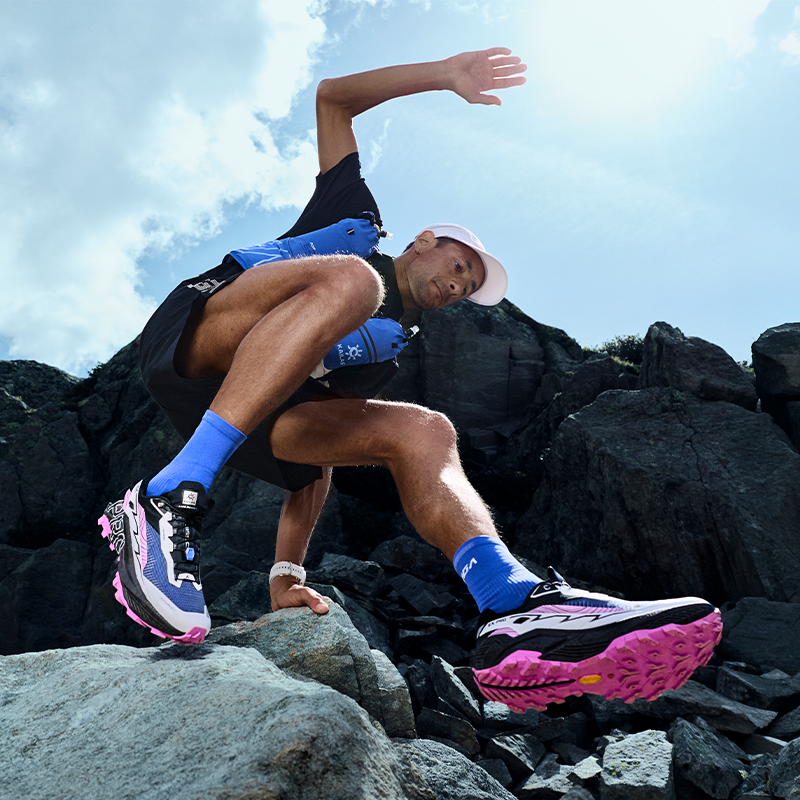
Trail running means running on natural, unpaved surfaces such as dirt paths, hiking trails, forest routes, or mountain tracks instead of paved roads. These trails often include uneven terrain like rocks, roots, mud, sand, or grass, which makes the running experience more dynamic and adventurous.
For beginners, trail running offers several appealing features:
-
Scenic locations: Parks, forests, deserts, and mountains away from traffic
-
Adaptive technique: Shorter strides and higher foot lift to clear obstacles
-
Balanced intensity: Slower pace but greater full-body engagement
Overall, trail running combines fitness, adventure, and time in nature, making it an enjoyable alternative to traditional road running.
What Is the Difference Between Trail Running vs Road Running
Although both involve running, trail running and road running differ in terrain, pacing, muscle engagement, and equipment. Understanding these differences can help beginners adjust their expectations and training approach.
Terrain and Surface
Road running takes place on smooth surfaces like asphalt or concrete, which are firm and predictable.
Trail running happens on natural terrain such as dirt, gravel, mud, or rocky paths. These surfaces are softer but more uneven, requiring greater attention and balance.
Intensity and Pace
Road runners can usually maintain a steady and faster pace because the surface is flat and consistent.
Trail running is generally slower due to hills, obstacles, and changing terrain, so runners focus more on effort rather than speed.
Muscular Focus
Trail running activates more stabilizing muscles, including the core, glutes, and ankles, because runners constantly adjust to uneven ground.
Road running involves more repetitive movement, mainly working the quadriceps, hamstrings, and calves.
Gear and Technicality
Road running requires minimal gear, usually just running shoes.
Trail running often benefits from specialized trail shoes for better grip, and runners may carry extra gear like hydration packs or safety essentials on longer routes.
|
Aspect |
Trail Running |
Road Running |
|
Terrain |
Dirt, gravel, mud, rocky trails |
Asphalt or concrete roads |
|
Pace |
Slower, effort-focused |
Faster, pace-focused |
|
Muscles |
Core, glutes, stabilizers |
Quads, hamstrings, calves |
|
Gear |
Trail shoes, hydration pack |
Basic running shoes |

What Gear Do You Need for Trail Running as a Beginner?
Understanding these differences also highlights another key factor: the right gear matters more in trail running. Uneven terrain, changing weather, and longer outdoor routes require equipment that provides grip, comfort, and safety.
For beginners, choosing proper trail running gear can make runs more comfortable and help prevent injuries. Below are some essential items to consider when starting trail running.
Trail Running Shoe
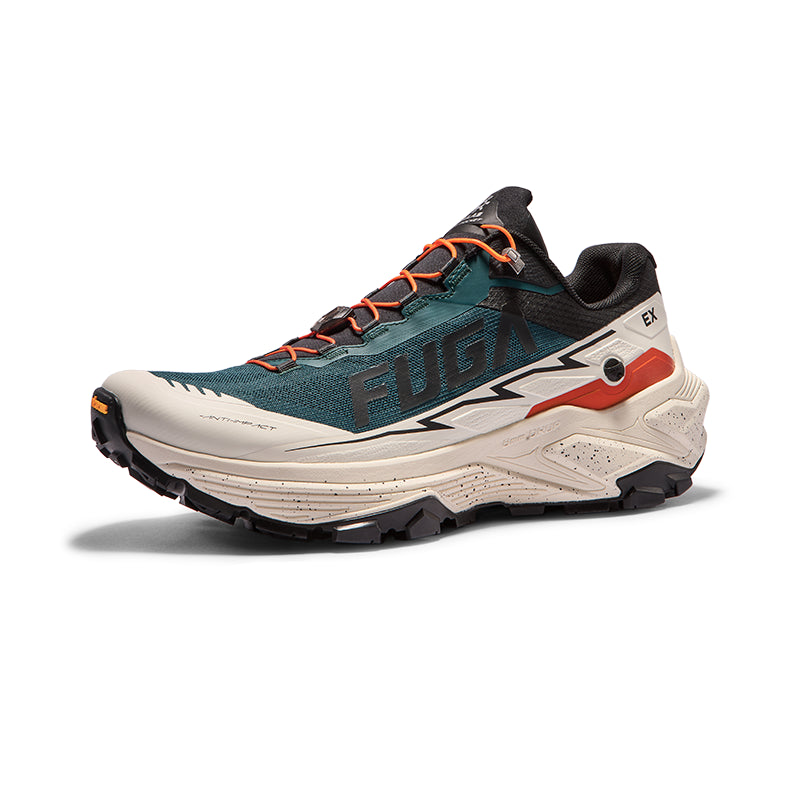
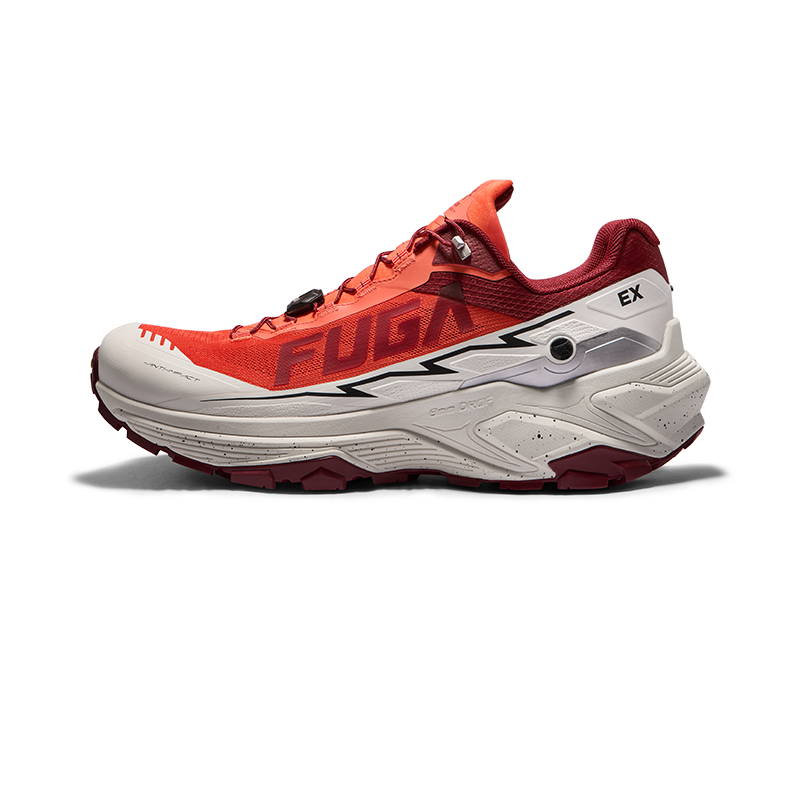
A reliable pair of trail running shoes is the most important piece of gear for any beginner. Compared to road running shoes, trail shoes provide better grip, stability, and protection on uneven terrain. KAILAS FUGA EX 3 Trail Running Shoes are built specifically for demanding trail conditions while maintaining comfort during longer runs.
Key Features:
-
Vibram® Megagrip outsole for reliable traction on wet, muddy, and rocky terrain.
-
ECCEVAI responsive midsole delivers cushioning and energy return for long-distance comfort.
-
AWS 3.0 dual-stage locking system secures the foot and helps reduce toe impact on steep descents.
-
A wider and more stable platform improves support and reduces fatigue on longer trail runs.
These features make the trail running shoes a dependable choice for beginners looking to build confidence and stability on technical trails.
Weather-Appropriate Running Apparel
Trail conditions can change quickly, so wearing the right apparel helps maintain comfort and mobility during your run. Apparel designed for trail running should balance breathability, protection, and support across varying terrain and weather. The KAILAS FUGA Compression Trail Running Pants reflect this approach, providing muscle support and protection while remaining breathable for long trail sessions.
Key Features
-
High-stretch compression fabric supports muscles while allowing full freedom of movement.
-
Moisture-wicking and quick-drying materials help keep runners comfortable during longer efforts.
-
Polygiene® odor control treatment keeps the fabric fresher for repeated use.
-
Reflective details improve visibility in low-light conditions.
The right apparel helps runners stay comfortable, protected, and focused regardless of changing trail conditions.
Hydration Systems and Carrying Options
On many trail routes, access to water and supplies can be limited. A reliable hydration system, whether soft flasks, reservoirs, or running vests, becomes essential for maintaining energy and safety during longer or remote runs. The KAILAS FUGA Air 8 IV Trail Running Vest Pack is designed with this in mind, offering lightweight storage and stable hydration carry for trail runners.
Key Features
-
Ultra-lightweight 220g vest design reduces burden during long runs.
-
ADF adjustable fit system provides quick, secure tightening for a bounce-free fit.
-
14 storage pockets keep hydration, nutrition, and gear well organized.
-
Breathable mesh construction improves airflow and comfort during extended runs.
With efficient storage and hydration support, runners can stay prepared and maintain performance even on longer, more remote routes.
Essential Safety and Navigation Gear
Essential trail running safety and navigation gear includes a GPS watch or navigation app such as AllTrails, a physical map and compass, and a fully charged phone for communication. Small safety items like a whistle and an emergency bivy or space blanket can also be useful in unexpected situations.
Runners should also carry a headlamp, a compact first-aid kit, and adequate water and food to stay prepared when running in remote and unpredictable terrain.

How to Start Trail Running the Right Way
Starting trail running is easier when you keep things simple. By choosing beginner-friendly trails, increasing distance gradually, and learning basic trail techniques, new runners can build confidence and enjoy the experience safely.
Choosing Beginner-Friendly Trail Routes
Beginners should start with well-marked trails under 5 miles and minimal elevation gain. Choose popular nature trails or park paths with stable terrain. Apps like AllTrails or Gaia GPS can help check trail conditions before running.
Building Gradual Distance and Elevation
Increase distance and elevation gradually to help your body adapt to trail terrain. A good rule is to increase weekly mileage by 10–15%. It’s normal to power-hike steep climbs instead of running.
Developing Foundational Trail Running Skills
Use a shorter, quicker stride to stay balanced on uneven trails. Strengthening your ankles and core improves stability, and learning to control downhill speed helps prevent injuries.
FAQ
What Is the 80/20 Rule for Trail Running?
The 80/20 rule means 80% of runs are easy and 20% are higher intensity. This balance helps build endurance while reducing the risk of fatigue or injury.
Is Trail Running Bad for Your Knees?
No, trail running is usually not bad for your knees. Softer trail surfaces often create less impact than pavement, though runners should control their speed on steep downhills.
What Muscles Does Trail Running Work?
Trail running mainly works the legs and core. It strengthens the quadriceps, hamstrings, glutes, calves, and stabilizing muscles because of uneven terrain.
Conclusion
Trail running is a great way to combine fitness and nature. By choosing beginner-friendly trails, using the right gear, and progressing gradually, new runners can safely enjoy the challenge and benefits of running on natural terrain.