






Quando sostituire i trail runner: segnali chiave che ogni trail runner dovrebbe conoscere
Le scarpe da trail running sono sottoposte a un uso intensivo. Salite fangose nel Peak District, corse costiere in Cornovaglia, qualsiasi cosa tu voglia metterci, sono l'elemento più importante del tuo equipaggiamento. Ma anche le paia più resistenti non durano in eterno. Questa guida ti illustra quanti chilometri puoi ragionevolmente aspettarti di percorrere, come capire quando sono ormai usurate e quando è il momento di sostituirle per evitare infortuni.
Quanto durano in genere le scarpe da trail running?
Prima di addentrarci nella questione delle tempistiche, vediamo cosa ci si può ragionevolmente aspettare da un buon paio di scarpe.
Durata media di una scarpa da trail running
Maggior parte scarpe da trail running Possono coprire distanze da 300 a 500 miglia (da 480 a 800 km), anche se si tratta di un'indicazione approssimativa e non di una garanzia assoluta. Se correte regolarmente sui sentieri rocciosi di Snowdonia, aspettatevi che le suole si consumino più vicino al limite delle 300 miglia.
Come il terreno influisce sulla durabilità
Il clima del Regno Unito è notoriamente brutale gear.Grit, Le paludi e il continuo ciclo di bagnatura e asciugatura consumano colle e tessuti molto più velocemente rispetto ai sentieri alpini asciutti. Il fango morbido non crea problemi ai tasselli, ma la selce tagliente e la ghiaia lacerano rapidamente la gomma.
Perché il tuo peso e la frequenza di corsa sono importanti
Se pesate di più o se appoggiate il piede a terra con forza durante la corsa, la schiuma dell'intersuola viene compressa maggiormente a ogni passo, consumandosi quindi più velocemente. Anche il tempo di recupero è importante. Lasciate riposare le scarpe per 24-48 ore, non solo per la schiuma. Sebbene le intersuole moderne ritornino alla loro forma originale abbastanza rapidamente, alternare due paia di scarpe è fondamentale per prevenire gli infortuni. Cambiare scarpe modifica i modelli di stress su muscoli e articolazioni, riducendo il rischio di lesioni da sforzo ripetitivo.
Inoltre, i sentieri britannici rimangono umidi per giorni. Una pausa di 48 ore garantisce che i tessuti interni e le schiume si asciughino completamente. Le scarpe umide perdono più velocemente la loro struttura e diventano un terreno fertile per i batteri, che possono causare irritazioni cutanee o infezioni. Lasciarle asciugare naturalmente mantiene i materiali morbidi e i piedi sani.
Scarpe da trail o da strada: una differenza fondamentale
Le scarpe da strada di solito si consumano quando l'intersuola si appiattisce, ma le scarpe da trail devono affrontare due problemi contemporaneamente. L'intersuola si appiattisce mentre la suola inizia a perdere aderenza. Poiché le scarpe da trail utilizzano una gomma più morbida per aderire alla roccia bagnata, usarle frequentemente sull'asfalto le consumerà più velocemente rispetto alle scarpe da strada, il che mostra una differenza fondamentale tra corsa su sentiero e corsa su strada.

Segnali chiave che indicano che è ora di sostituire le tue scarpe da trail running
Se inizi a sentire ogni sassolino sotto i piedi o a scivolare sull'erba umida, probabilmente le tue scarpe stanno cercando di dirti qualcosa. Ecco a cosa prestare attenzione.
| Segni di usura | Descrizione | Fattore di rischio |
| Tacchetti della suola | Tacchetti usurati fino a una profondità inferiore al 50%. | Scivolare sul fango/sassi instabili |
| Sensazione dell'intersuola | Sensazione di durezza, piattezza o "morte" | Aumento dell'impatto su ginocchia e articolazioni. |
| Integrità superiore | Strappi nella rete o bordi delaminati | Ingresso di detriti e perdita di aderenza |
Suole usurate che riducono la trazione
I tasselli ti mantengono in equilibrio. Quando il battistrada aggressivo si consuma fino a diventare una superficie liscia, perdi la potenza frenante in discesa. Questo diventa pericoloso sui sentieri britannici scivolosi e muschiosi, dove l'aderenza è fondamentale.
Perdita di ammortizzazione e reattività dell'intersuola
Se le tue scarpe ti sembrano piatte o insensibili, è probabile che la schiuma si sia deteriorata. Noterai una minore elasticità nei passi e le gambe ti sembreranno più pesanti del solito dopo una lunga pedalata domenicale mattutina.
Usura irregolare che compromette la stabilità
Controlla i talloni. Se un lato appare più usurato dell'altro, la tua andatura non riceve il supporto necessario. Questa inclinazione può causare problemi di iperpronazione o supinazione che prima non avevi.
Supporto ridotto durante le prove tecniche
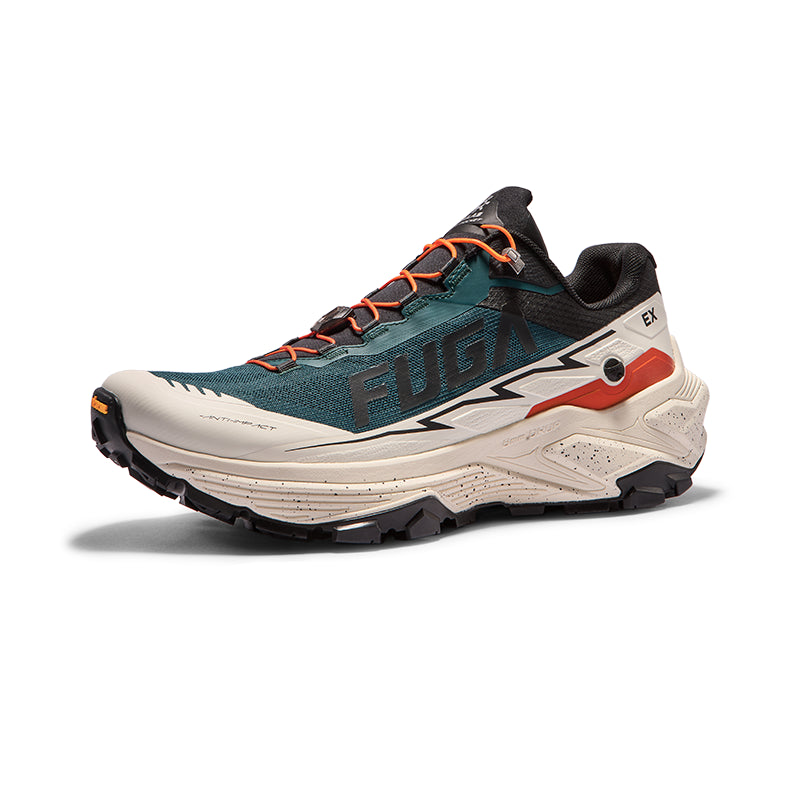
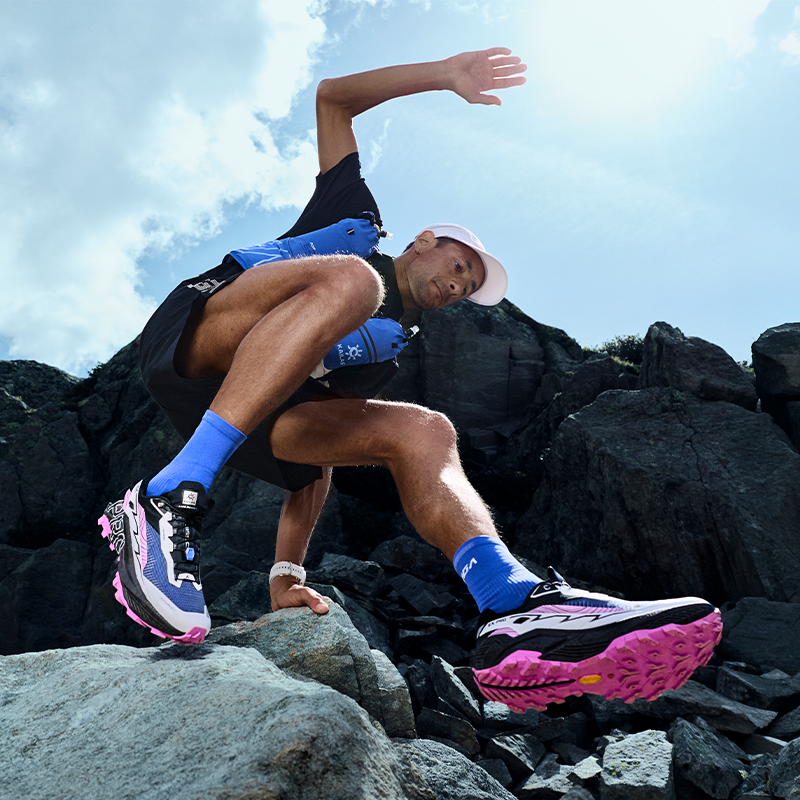
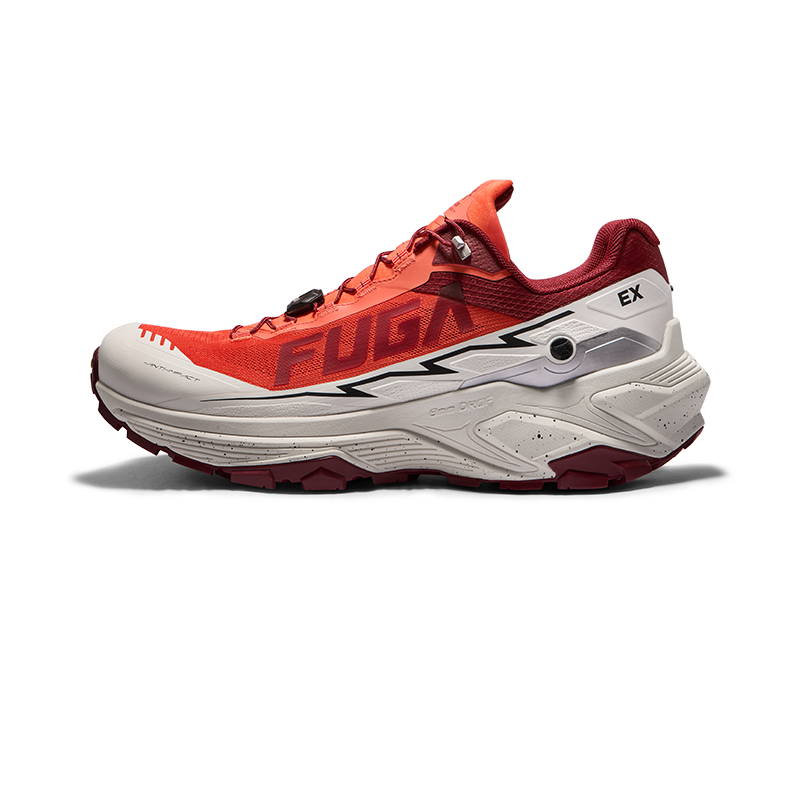
Quando le tue scarpe non offrono più un supporto sufficiente su terreni tecnici, potrebbe essere il momento di sostituirle. Scegliere un paio di scarpe da trail running di alta qualità con una migliore aderenza e stabilità può migliorare significativamente il controllo e ridurre il rischio di infortuni. A seconda del tuo stile di corsa, potresti prendere in considerazione queste due opzioni specializzate:
2025 Kailas
Se desideri un'ammortizzazione abbondante e meno stress per le articolazioni sulle lunghe distanze, EX 3 È perfetta. L'intersuola è morbida e assorbe gli urti sui sentieri compatti, e rimane comoda tutto il giorno senza stringere.
Kailas
Questo è per quando il terreno diventa ripido e scomodo. Il EX 330 Offre un supporto migliore e una tenuta del tallone superiore. Sentirai la differenza nelle discese veloci e sui veri pendii montuosi del Regno Unito, dove un passo falso può costare caro.
Fastidio persistente ai piedi, alle ginocchia o alle articolazioni
Le ginocchia iniziano a far male dopo una corsa che prima non dava problemi? Nuovi fastidi alla fascia plantare o alle tibie spesso indicano che le scarpe non assorbono più l'impatto del terreno.
Danni strutturali visibili o deterioramento dei materiali
Controlla se ci sono strappi, lacerazioni nella rete vicino al mignolo o punti in cui il bordo si sta staccando dalla tomaia. Una volta che questa struttura si deteriora, la scarpa non riuscirà più a tenere il piede ben saldo sull'intersuola.
| Segni di usura | Impatto sulle prestazioni | Urgenza |
| Lunghi calvi | Elevato rischio di scivolamento su fango/roccia bagnata. | Alto |
| Intersuola compressa | Aumento del dolore articolare & fatica | Mezzo |
| Lacrime superiori | Ingresso dei detriti & mancanza di sicurezza del piede | Mezzo |
| Usura irregolare del tallone | Rischio di distorsioni/disallineamenti della caviglia | Alto |
Come verificare le condizioni delle tue scarpe da trail running
Non aspettare di cadere per controllare la tua attrezzatura. Un rapido controllo mensile delle tue scarpe può evitarti molti problemi.
-
Verificare l'aderenza della suola e la profondità dei tasselli: Capovolgi la scarpa e controlla i tasselli. Se quelli centrali si sono consumati fino a raggiungere meno della metà della loro altezza originale, la trazione è già compromessa.
-
Valuta l'ammortizzazione dell'intersuola: Prova il test della pressione del pollice. Premi il pollice sul lato del midsole.If La schiuma risulta compressa e poco reattiva (come un pezzo di cartone rigido) anziché rimbalzare, e la sua vita come scarpa performante è finita.
-
Controlla i materiali della parte superiore: Controlla se i lacci sono sfilacciati, se ci sono buchi nella fodera o se il contrafforte del tallone ha perso la sua rigidità. Se il tallone è morbido o si è afflosciato verso l'interno, la scarpa non sostiene più correttamente il piede.
-
Valutare l'adeguatezza complessiva: A volte le scarpe si allargano semplicemente. Se ti ritrovi a dover stringere i lacci più del solito per avere una buona tenuta, significa che il materiale si è allungato troppo.

Come prolungare la durata delle tue scarpe da trail running
Se usi le scarpe da trail running anche su strada un paio di volte a settimana, i tasselli della suola si consumeranno rapidamente. Te ne accorgerai soprattutto sull'erba bagnata, in particolare con il clima umido e polveroso del Regno Unito. Ecco come mantenerli in buone condizioni.
Puliscili e asciugali correttamente
Salta la lavatrice e il termosifone quando scarpe da corsa per percorsi fluviali. La rotazione della lavatrice strapperà la rete e il calore diretto renderà le intersuole fragili, indebolendo al contempo la colla. Invece, spazzola via il fango secco e sciacqua velocemente le scarpe con acqua fredda. Per asciugarle, estrai le solette e riempi le scarpe con della carta di giornale. È un vecchio trucco che assorbe l'umidità senza deformare la scarpa.
Limitare l'uso a superfici dure.
Non usate le vostre scarpe da fuoristrada sull'asfalto. L'asfalto agisce come carta vetrata sulla gomma morbida che garantisce aderenza sui sentieri. Se il vostro percorso di corsa include tratti su strada per raggiungere l'inizio del sentiero, percorreteli a piedi o passate a scarpe ibride. Riservate le suole più profonde allo sterrato, e manterranno la loro trazione quando ne avrete bisogno.
Conservali correttamente
Conserva la tua attrezzatura in un luogo stabile e asciutto.Lasciare scarpe infangate nel bagagliaio umido di un'auto o in un capanno da giardino gelido le espone a sbalzi di temperatura che deteriorano la schiuma e favoriscono la formazione di muffa. Un locale di servizio o un corridoio ben ventilato sono l'ideale: mantengono i materiali morbidi ed elastici.
Ruota il tuo ingranaggio
Lascia che le tue scarpe si riprendano per 24-48 ore. Se corri spesso, alternare due paia permette alla schiuma dell'intersuola di decomprimersi completamente tra una sessione e l'altra. Questo non solo prolunga la durata dell'ammortizzazione, ma ti garantisce anche un paio di scarpe asciutte pronte per le giornate di pioggia consecutive.
Durante le sessioni di trail più lunghe, gestire la fatica è fondamentale per preservare l'attrezzatura. Un carico variabile costringe i muscoli del core a lavorare di più, spesso portando a una falcata "pesante" in cui i piedi iniziano a trascinarsi su superfici abrasive. Utilizzando uno zaino tecnico come il Kailas
FAQ
Le scarpe da trail running usurate possono causare infortuni?
Sì, le scarpe usurate sono una delle principali cause di lesioni da sovraccarico come periostite tibiale, fascite plantare e sindrome della bandelletta ileotibiale perché non assorbono più gli urti o non forniscono la stabilità necessaria, che può aiutare prevenire lesioni al ginocchio durante la corsa.
Quanti chilometri durano le scarpe da trail running?
La maggior parte dei trail runner percorre tra i 300 e i 500 chilometri, a seconda della difficoltà del terreno e della tecnica di corsa del singolo atleta.
Cosa devo considerare quando sostituisco le scarpe da trail running?
Dai priorità a una calzata sicura, a una profondità del battistrada adeguata al terreno locale e a un'intersuola reattiva che corrisponda alle tue preferenze di ammortizzazione.
Conclusione
Una buona regola generale è: se il tuo solito percorso di 10 km su sentiero improvvisamente ti fa sentire le ginocchia o la fascia plantare più sotto pressione del solito, anche senza aumentare il ritmo o la distanza, è probabile che l'ammortizzazione abbia perso la sua capacità di rimbalzo. Hai perso la presa? Dolori articolari? Non rischiare in montagna. Procurati un nuovo paio di scarpe e un buon gilet per mantenerti stabile. Poi vai a battere il tuo record personale, non te stesso.