






Come lavare le scarpe da corsa: consigli degli esperti per mantenere pulite le scarpe da trail
Le scarpe da trail running sono sottoposte a sollecitazioni ben maggiori rispetto alle scarpe da corsa su strada. Fango, sabbia, sudore e detriti possono accumularsi sulla tomaia, sulla suola, sui lacci e sulla fodera interna. Se non vengono rimossi, questi accumuli compromettono comfort, aderenza, traspirabilità e la durata complessiva della scarpa.
Pulire le scarpe da trail running non significa immergerle in acqua in modo aggressivo o metterle in lavatrice. Il segreto sta in una manutenzione delicata: rimuovere lo sporco prima che si indurisca e lasciarle asciugare all'aria. Con la tecnica giusta, le tue scarpe da trail running rimarranno sempre fresche, funzionali e pronte per affrontare qualsiasi percorso.
Perché una pulizia adeguata è importante?
La pulizia non riguarda solo l'estetica, ma anche le prestazioni. Per i trail runner, scarpe ben tenute garantiscono un'aderenza costante, un efficace controllo degli odori e l'integrità strutturale. Dato che le scarpe da trail running affrontano ambienti decisamente più ostili rispetto alle scarpe da strada, una routine di pulizia rigorosa è essenziale per proteggere il vostro investimento.
L'impatto dello sporco e del sudore sulle prestazioni delle scarpe
La pulizia riguarda le prestazioni, non solo l'estetica. Per i trail runner, le scarpe ben tenute garantiscono una presa costante, un efficace controllo degli odori e l'integrità strutturale. Dato che scarpe da trail running Affronta ambienti decisamente più ostili rispetto alle scarpe da strada, pertanto una routine di pulizia rigorosa è essenziale per proteggere il tuo investimento.
Come una pulizia inadeguata può danneggiare i materiali delle scarpe
Le scarpe da trail running sono assemblaggi complessi di mesh, inserti sintetici, intersuole in schiuma, suole in gomma e, a volte, strati impermeabili. L'uso di acqua calda, candeggina o detergenti aggressivi può danneggiare questi materiali avanzati, causando rigidità o deformazioni. Un metodo di pulizia delicato rimuove efficacemente lo sporco preservando al contempo la calzata originale, la flessibilità e le proprietà tecniche della scarpa.
Come metodi di pulizia errati possono ridurre la durata delle scarpe
Una cura inadeguata può essere più dannosa del sentiero stesso. Ambienti ad alta temperatura, come asciugatrici, termosifoni o la luce solare diretta e intensa, possono sciogliere gli adesivi, restringere i tessuti sintetici e causare il distacco della suola. Per garantire una lunga durata, le scarpe devono essere lasciate asciugare all'aria aperta, lontano da fonti di calore eccessivo.

Come lavare le scarpe da corsa passo dopo passo
Seguire un processo strutturato consente una pulizia accurata senza rischiare di danneggiare i componenti delicati della scarpa. Per scarpe da trail, La priorità è rimuovere le particelle abrasive prima di introdurre umidità.
Rimozione dello sporco superficiale con una spazzola asciutta
Prima di applicare l'acqua, usa una spazzola a setole morbide o un vecchio spazzolino da denti per rimuovere quanta più sporcizia superficiale possibile. Presta particolare attenzione ai tasselli della suola e alle cuciture dove la tomaia incontra l'intersuola, poiché queste zone trattengono la maggior parte della sporcizia. Consiglio: se il fango è ancora bagnato, lascialo asciugare finché non si sbriciola: questo eviterà di strofinare accidentalmente le macchie più in profondità nella rete.
Utilizzare acqua tiepida per una pulizia delicata.
Preparate una soluzione di acqua tiepida con una piccola quantità di sapone neutro e delicato. Invece di immergere le scarpe, intingete un panno o una spazzola morbida nell'acqua e pulitele gradualmente. L'acqua tiepida è efficace per rimuovere sudore e sporco senza danneggiare le colle o i tessuti speciali. Evitate assolutamente candeggina o detergenti industriali.
Pulizia accurata delle suole, della tomaia e della fodera interna
Trattare ogni componente della scarpa singolarmente per garantire una pulizia profonda senza saturare eccessivamente i materiali:
-
Suole: Iniziate da qui per rimuovere la maggior parte dei detriti del sentiero. Strofinate tra i tasselli per assicurarvi che il disegno della suola sia completamente ripristinato.
-
Tomaia: utilizzare un panno umido per pulire delicatamente la rete e gli inserti. Evitare di strofinare energicamente i pannelli in rete per prevenire sfilacciamenti o strappi.
-
Fodera interna: pulire delicatamente il tallone, la linguetta e il collo della scarpa, le zone più soggette alla sudorazione. Evitare di versare acqua all'interno della scarpa, poiché un interno inzuppato d'acqua è difficile da asciugare e può causare danni strutturali.
Risciacquare efficacemente i residui
Dopo la pulizia, passate un panno pulito e umido su tutta la scarpa per rimuovere ogni residuo di sapone. I residui di detersivo possono irrigidire il tessuto e, una volta asciutti, attirare ulteriore sporco. Infine, tamponate l'umidità in eccesso con un asciugamano asciutto, evitando di strizzare o torcere la scarpa, poiché ciò potrebbe deformarne la struttura interna.
Qual è il modo migliore per asciugare le scarpe da corsa?
L'asciugatura è la fase più critica della cura delle scarpe. L'umidità intrappolata non solo è sgradevole al tatto, ma crea cattivi odori e indebolisce gli agenti leganti che tengono insieme la scarpa. together.The Il metodo più sicuro è quello di lasciarli asciugare lentamente in un'area ben ventilata.
L'asciugatura all'aria è l'opzione più sicura.
L'asciugatura all'aria è il modo migliore per garantire che la schiuma e i tessuti mantengano la loro forma e le loro prestazioni. Per accelerare il processo in modo sicuro, rimuovi le solette e allenta completamente i lacci per massimizzare la circolazione dell'aria. Puoi riempire le scarpe con della carta assorbente per assorbire l'umidità interna, ma ricorda di sostituirla non appena si inumidisce.
Evitare il calore e la luce solare diretta.
Non utilizzare mai un'asciugatrice, un termosifone o lasciare le scarpe sotto il sole cocente. Il calore elevato può far perdere elasticità all'intersuola, restringere la tomaia o causare il distacco della suola. Le scarpe devono asciugarsi solo in un luogo ombreggiato e ben ventilato.
Una corretta asciugatura aiuta a prevenire i cattivi odori.
L'umidità residua è la causa principale dei cattivi odori dopo la corsa. Quando le scarpe rimangono umide, i batteri proliferano all'interno della fodera e della schiuma. Assicurarsi che le scarpe siano completamente asciutte prima del successivo utilizzo le mantiene fresche e ne prolunga significativamente la durata.

Come far durare più a lungo le scarpe da corsa?
Oltre alla pulizia, la durata delle scarpe dipende da come vengono utilizzate e conservate. Abitudini strategiche possono preservare l'ammortizzazione e l'aderenza ben oltre le prime centinaia di chilometri.
Pulisci le tue scarpe regolarmente, ma non troppo spesso.
Sebbene sia consigliabile spazzolare via il fango dopo ogni corsa, un lavaggio profondo con acqua è opportuno solo quando le scarpe sono davvero molto sporche. Lavaggi troppo frequenti possono infatti usurare le delicate fibre della tomaia in mesh. Per la cura quotidiana, di solito è sufficiente una rapida passata con un panno.
Conservali in un luogo asciutto e ben ventilato.
Quando non le usi, conserva le scarpe in un ambiente fresco e asciutto. Evita di lasciarle in borse da palestra umide, nel bagagliaio dell'auto o in armadi umidi, poiché questi ambienti accelerano il deterioramento dei materiali e favoriscono la formazione di muffa.
Alternare l'uso di diversi paia di scarpe
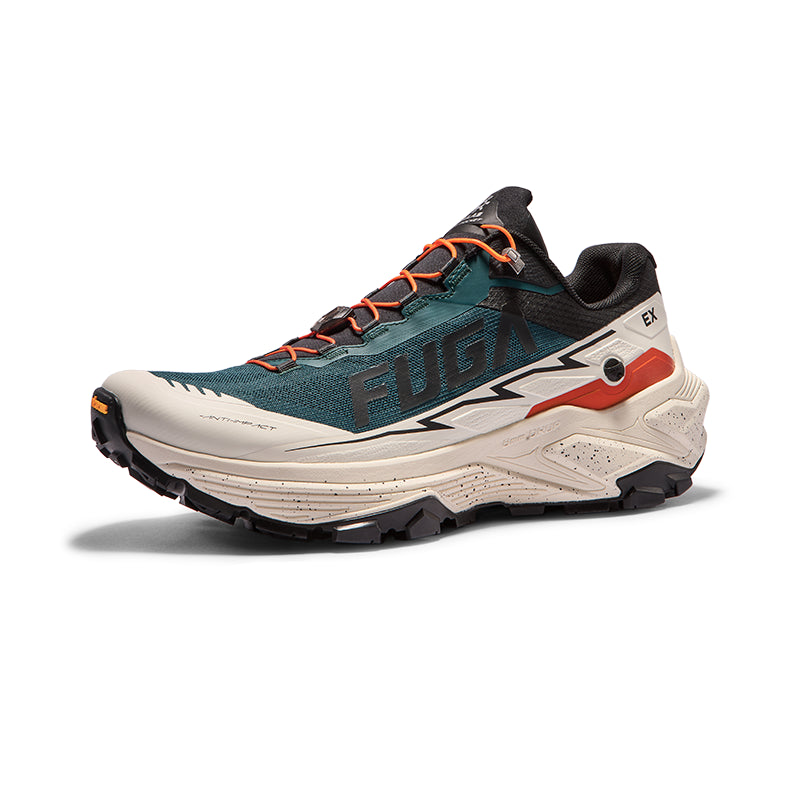
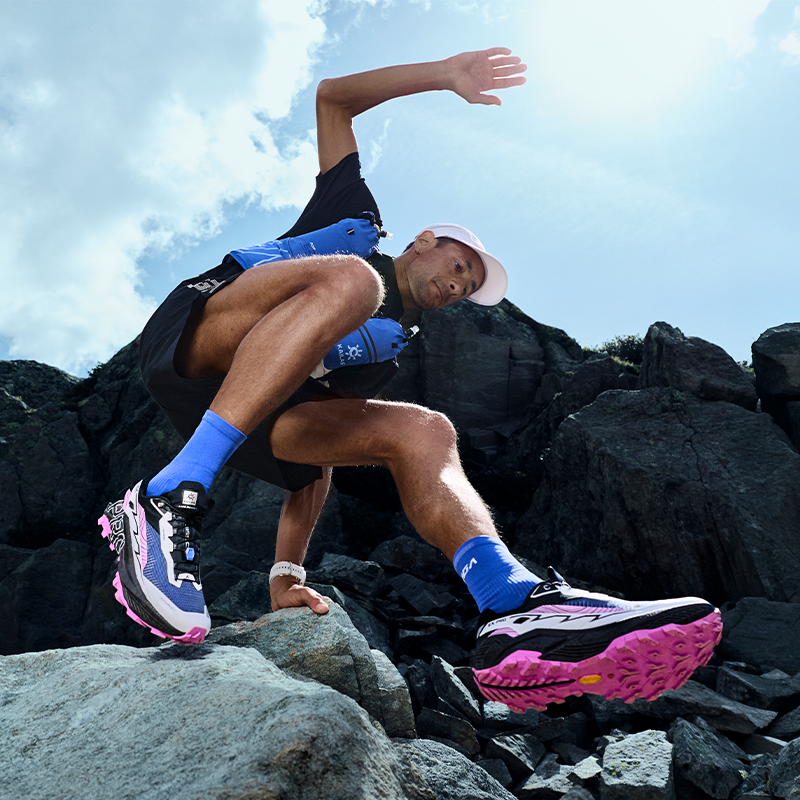
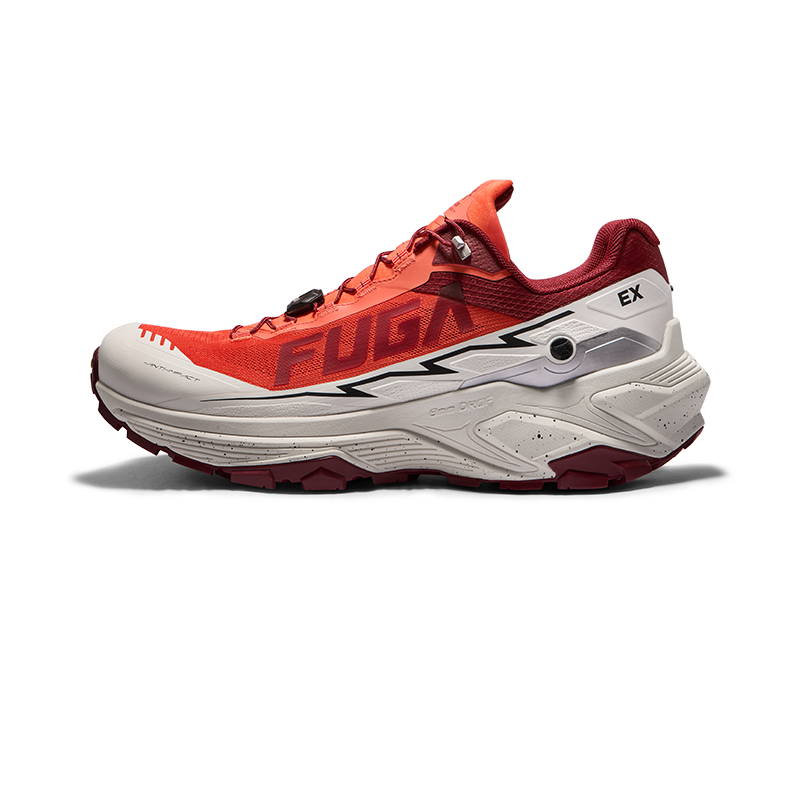
Quando si crea una rotazione di scarpe da trail running, molti corridori utilizzano un paio più leggero per le corse facili e un secondo paio progettato per percorsi più lunghi, più bagnati o più tecnici.In queste condizioni più impegnative, scarpe come le Scarpe da trail running EX3 Può fornire l'aderenza, l'ammortizzazione e la calzata sicura necessarie per affrontare terreni in continuo cambiamento.
La suola VIBRAM MEGAGRIP offre una trazione affidabile su superfici bagnate e miste, mentre l'intersuola Eccevai Rebound aiuta a ridurre l'affaticamento sulle lunghe distanze offrendo un'ammortizzazione reattiva. Nel frattempo, il sistema di bloccaggio AWS 3.0 migliora la stabilità del piede, mantenendolo saldamente in posizione durante le discese. Insieme, queste caratteristiche rendono la scarpa adatta per corsa su sentiero, Escursioni tecniche, condizioni esterne piovose e avventure su terreni misti.
Quali errori bisogna evitare quando si lavano le scarpe da corsa?
Anche quando le tue scarpe da corsa sono molto sporche, pulirle in modo troppo aggressivo può essere più dannoso che utile. Le scarpe da trail running richiedono una manutenzione regolare per rimuovere fango, sudore e cattivi odori, ma necessitano anche di cure delicate per preservare l'integrità della tomaia, della suola, dell'intersuola e della struttura adesiva.
Evitare alcuni errori comuni nella pulizia può prolungare significativamente il comfort, le prestazioni e la durata complessiva delle tue scarpe.
Non utilizzare candeggina o detergenti aggressivi.
La candeggina, i detersivi aggressivi e i detergenti chimici forti possono indebolire i materiali delle scarpe, sbiadire i colori, danneggiare la rete e compromettere l'adesivo che tiene insieme la scarpa. Per la maggior parte delle scarpe da corsa, acqua tiepida con una piccola quantità di sapone neutro è sufficiente per rimuovere sporco e sudore senza stressare eccessivamente i materiali.
Non lasciare mai le scarpe umide dopo il lavaggio.
Non asciugare bene le scarpe può rapidamente causare la formazione di cattivi odori e il deterioramento del materiale. Dai sempre la priorità a una corretta ventilazione e usa un asciugamano asciutto per rimuovere quanta più umidità possibile prima di lasciarle asciugare all'aria.
Non dimenticare di pulire l'interno
Molti corridori si concentrano solo sulla suola e sulla tomaia, ma sudore e cattivi odori si accumulano spesso all'interno delle scarpe. Usa un panno leggermente umido per pulire la zona del tallone, la linguetta, il collo e la fodera interna, quindi lascia asciugare completamente l'interno prima di indossarle di nuovo. Questo aiuta a mantenere le scarpe più fresche, più comode e pronte per la tua prossima corsa.
FAQ
Posso lavare le scarpe in lavatrice?
No, non è consigliabile lavare le scarpe da corsa in lavatrice, soprattutto quelle da trail running. La centrifuga, il forte flusso d'acqua e l'ammollo prolungato possono danneggiare la tomaia, indebolire l'adesivo e deformare la forma della scarpa.
Un metodo più sicuro è lavarle a mano con acqua tiepida, sapone neutro e una spazzola o un panno morbido. Questo permette di pulire efficacemente le scarpe preservandone la struttura e la durata.
Con quale frequenza devo pulire le mie scarpe da corsa?
Si consiglia di pulire leggermente le scarpe da corsa dopo ogni corsa su superfici fangose, bagnate o polverose, e di effettuare una pulizia più approfondita ogni 2-4 settimane se si corre regolarmente. Se le scarpe vengono utilizzate principalmente su strade asciutte e pulite, potrebbe essere necessario lavarle meno frequentemente.
Mantenere le scarpe in buone condizioni non solo ne prolunga la durata, ma garantisce anche di continuare a godere appieno dei benefici della corsa: migliore aderenza, maggiore comfort e un rischio ridotto di infortuni.
Si possono immergere le scarpe da corsa nell'acqua?
No, non bisogna immergere completamente le scarpe da corsa nell'acqua.L'umidità eccessiva può infiltrarsi nell'intersuola, nella fodera interna e nelle zone incollate, rendendo difficile l'asciugatura delle scarpe e aumentando il rischio di accumulo di odori o di deterioramento del materiale. damage.Instead, Utilizzare un panno umido o una spazzola morbida per pulire delicatamente le zone sporche, evitando un'inutile esposizione all'acqua.
Conclusione
Mantenere le scarpe da corsa pulite nel modo giusto contribuisce a mantenerle più fresche, a migliorare l'aderenza e a prolungarne la durata sui sentieri. Iniziate spazzolando via lo sporco superficiale, quindi pulite delicatamente le suole, la tomaia e la fodera interna con acqua tiepida e sapone neutro. Una volta terminato, risciacquate via eventuali residui e lasciate asciugare le scarpe all'aria in un luogo ben ventilato.
Evita di usare candeggina, di immergere le scarpe in acqua, di asciugarle con il calore o di lasciare l'interno umido. Con una cura regolare ma delicata, le tue migliori scarpe da trail running Potrai rimanere più comodo, traspirante e pronto per la tua prossima corsa.