






How to Start Trail Running: Gear, Training & Safety for Beginners
You may have been asking yourself how to start trail running, and you are not alone. Most runners who try trails stop going back to roads. The terrain demands something pavement never does: actual attention to where your feet are landing, and why.
That shift makes early trail runs harder than expected, and it's why the gear and pacing approach that works on roads doesn't quite carry over. Get those two things right first and everything else follows.
What Is Trail Running and How Is It Different from Road Running?
Trail running is a form of running that takes place on natural terrain rather than paved roads. It typically includes mountain singletrack, forest dirt paths, grassy fields, gravel roads, sandy stretches, and even muddy mountain trails, essentially any unpaved surface.
Unlike running on city streets, trail running emphasizes:
-
A deeper connection with the natural environment
-
The challenge of constantly changing terrain
-
Technical skills for climbing, descending, and navigating uneven ground
-
Greater overall strength, stability, and balance
Trail Running vs. Road Running: Key Differences
|
Category |
Trail Running |
Road Running |
|
Environment |
Mountains, forests, dirt, mud, gravel |
City streets, asphalt, concrete |
|
Surface |
Uneven, technical, varied elevation |
Smooth, consistent, predictable |
|
Skill Focus |
Balance, agility, uphill & downhill control |
Pace management and rhythm |
|
Pacing |
Hard to maintain a steady pace |
Easier to hold consistent splits |
|
Muscle Engagement |
Greater core and ankle stabilization |
Primarily forward propulsion |
|
Common Injuries |
Ankle rolls, slips, falls |
Knee pain, shin splints |
|
Shoe Design |
Aggressive lugs, strong traction, added protection |
Smoother outsole, lighter weight, more cushioning and rebound |

What Is the Essential Gear for Beginners in Trail Running
If you are learning how to start trail running, you should consider which gear to wear. The right equipment will make you run quicker, feel more confident and stay safe.
1. Trail Running Shoes for Grip and Protection
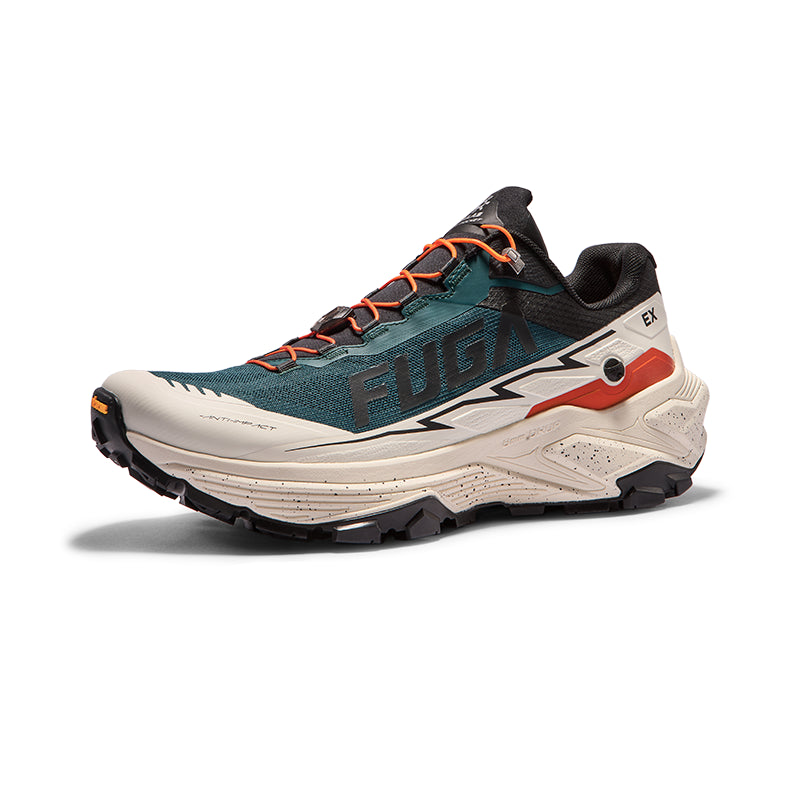
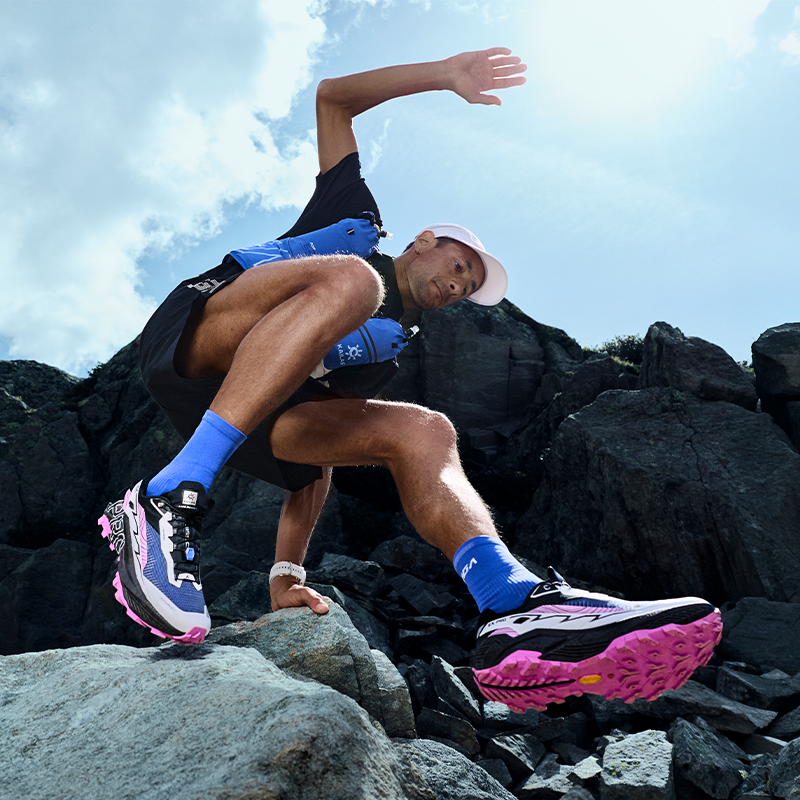
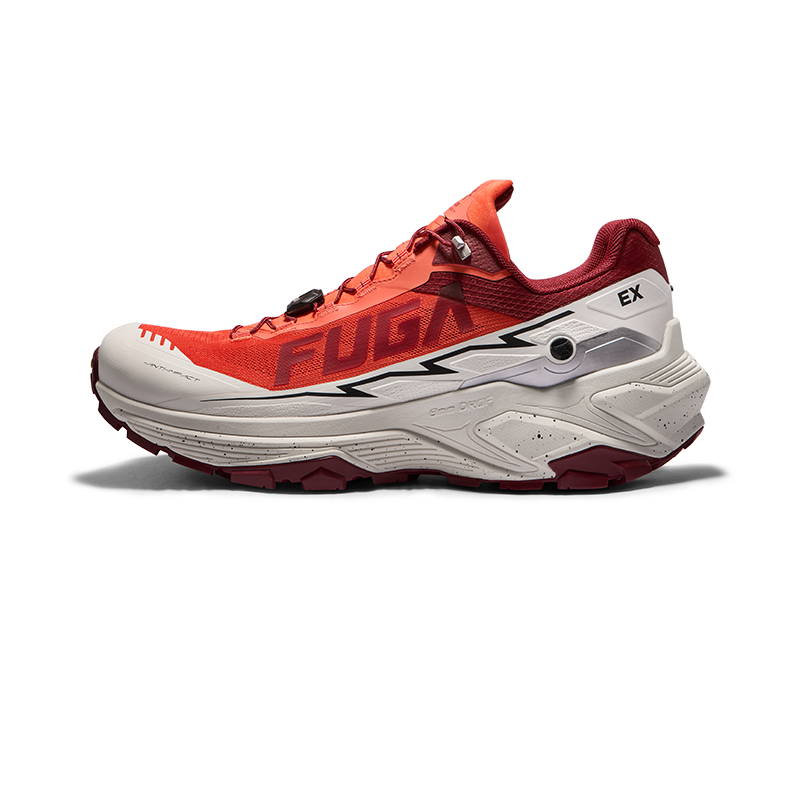
The most significant investment you will make is your shoes. The New Kailas FUGA EX 3 Trail Running Shoes are designed to run in mixed terrain and technical trails. They have a Vibram MEGAGRIP sole with 4mm lugs, that provide an excellent on both wet and dry ground. The new ECCEVAI midsole offers better energy rebound with balanced cushioning while maintaining ground feel.
The FUGA EX 3 has an 8mm drop and a trapezoidal heel that supports climbing and controlled recovery when descending. The AWS 3.0 two-section tightening system prevents toe jamming and black toenails during downhill runs in the first stage, while the second stage fine-tunes midfoot wrap and stability. The grip, protection, and durability provide beginners with confidence when choosing trail running shoes for unpredictable terrain.
2. Technical Clothing for Comfort and Weather Adaptation
Compared to road running, trail running exposes runners to more complex and unpredictable weather conditions. Sudden rain, strong winds, or sharp temperature drops can quickly impact both comfort and safety.
That’s why a lightweight, breathable jacket and pants with reliable wind and rain protection is often an essential item in a trail runner’s gear list.
For example, the Kailas AERO GTX Trail Running Hardshell is purpose-built for trail running. It features GORE-TEX ACTIVE 3-layer fabric, offering outstanding waterproof protection while remaining exceptionally lightweight. The jacket also incorporates the AAC®LITE ventilation system, which significantly improves breathability by helping release excess heat and moisture during high-intensity runs.
Together, these elements ensure reliable protection, unrestricted mobility, and lasting comfort in unpredictable trail environments.
To support the lower body, the KAILAS FUGA Compression Trail Running Pants Men have high-stretch compression that stabilizes the muscles and helps delay the onset of fatigue. They are also suited to longer trail activities where moisture management is important such as Polygiene® odor control and quick-dry performance.
3. Hydration Systems for Short and Long Runs
Trails rarely have water fountains, unlike city runs. It is vital to carry hydration with you.
The Kailas Fuga Air 8 IV Trail Running Vest Pack is an 8L ultra-lightweight vest that is only 220g (M size) in weight. It contains two 500ml soft flasks and features the BI-FIX Water Flask Compression System to minimize bottle sloshing. The 3D ergonomic cut and ADF System provides a bounce free, secure fit. It has 14 compartments, a separate bladder sleeve, making it applicable during short-training sessions and longer trail journeys.
4. Navigation Tools for Safe Route Planning
Novices should have a GPS watch, offline trail maps or a navigation app. Loss of signal may occur on off-road paths thus it is advisable to download routes in advance.
5. Safety Essentials for Remote Trail Conditions
Carry small but critical items:
-
A compact first-aid kit for minor injuries.
-
A whistle for emergency signaling.
-
A lightweight windproof layer for sudden weather changes.
How to Train for Trail Running as a Beginner
Starting trail running is exciting, but it requires a slightly different approach than training for road races. Uneven terrain, elevation gain, and constantly changing surfaces demand strength, balance, and adaptability.
Here’s a beginner-friendly roadmap to get you trail-ready.
Build a Solid Running Base First
Before focusing on technical trails, make sure you can comfortably:
-
Run 3–4 times per week
-
Complete 30–45 minutes continuously
-
Recover well between runs
If you’re coming from road running, you already have a strong foundation. If you’re new to running, spend 4–6 weeks building aerobic endurance first.
Add Hills Early (They’re Non-Negotiable)
Trail running = hills.
Start with:
-
Hill repeats (30–60 seconds uphill, walk down)
-
Power hiking steep climbs
-
Treadmill incline workouts if trails aren’t accessible
Climbing strength is more important than speed.
Strength Training Is Essential
Trail running demands more stability than road running.
Focus on:
-
Glutes (squats, lunges, step-ups)
-
Core (planks, rotational work)
-
Ankles and calves (single-leg balance, calf raises)
2 sessions per week can significantly reduce injury risk.
Practice Technical Skills
Find mild trails and work on:
-
Shortening your stride on descents
-
Keeping your cadence quick
-
Looking ahead instead of down
Trail running is reactive — smooth runners stay relaxed and light on their feet.
Train Time-on-Feet, Not Pace
Forget strict mile splits.
Instead, focus on:
-
Effort level (easy, moderate, hard)
-
Total time running
-
Elevation gain
On trails, pace varies naturally — effort is the better metric.
Gradually Increase Distance and Elevation
Follow the 10% rule:
-
Increase total weekly mileage gradually
-
Add elevation slowly
-
Avoid big jumps in long-run distance
Sudden elevation gain is one of the biggest beginner mistakes.
Practice Trail-Specific Fueling
If your runs exceed 60–75 minutes:
-
Carry water
-
Test gels or real-food snacks
-
Learn how your body reacts during climbs
Trail effort spikes quickly — fueling prevents crashes.
Sample Beginner Week (4 Days)
-
Day 1: Easy run (30–40 min)
-
Day 2: Strength training
-
Day 3: Hill workout (short repeats)
-
Day 4: Easy trail run (45–60 min, relaxed effort)
Trail running rewards patience and strength. Build gradually and focus on adapting to terrain rather than chasing speed.

Essential Trail Running Tips for Beginners to Stay Safe
Trail running offers incredible scenery and a refreshing break from pavement — but it also comes with more unpredictable terrain and added risk. If you’re new to the trails, safety should always come before speed. Here’s how to get started the smart way.
Start with Beginner-Friendly Trails
-
Choose shorter routes with moderate elevation gain
-
Avoid highly technical terrain (loose rocks, steep descents, muddy sections)
-
Stick to well-marked, popular trails when you’re starting out
Note: Don’t make your first run an all-out mountain adventure.
Wear the Right Gear (Especially Shoes)
Invest in proper trail running shoes with aggressive lugs and solid traction
-
Wear moisture-wicking fabrics — avoid cotton
-
Bring a hydration vest or handheld bottle for longer runs
Note: Road shoes can slip on dirt, gravel, and mud. Trail shoes are built for grip and protection.
Slow Down and Ditch the Pace Obsession
Trail running isn’t about hitting perfect splits.
-
Power-hike steep climbs
-
Shorten your stride on descents
-
Slow down on technical sections
Note: Efficiency on trails comes from control, not speed.
Keep Your Eyes on the Trail
-
Watch for rocks, roots, loose gravel, and sudden drops
-
Look 6–10 feet ahead to anticipate terrain
-
Avoid staring at your watch
Note: Trail running is reactive — your awareness matters.
Stay Hydrated and Fueled
-
Bring water for any run over an hour
-
Add electrolytes in hot conditions
-
Expect higher energy demands than road running
Note:Trail conditions and elevation can drain you faster than you think.
Know the Route and Check the Weather
-
Review elevation profiles before heading out
-
Mountain weather can change quickly
-
Let someone know your route and estimated return time
Preparation prevents unnecessary risk.
Respect the Trail
-
Follow Leave No Trace principles
-
Yield appropriately to hikers and uphill runners
-
Give wildlife space
Note: Trail running isn’t just a workout — it’s a shared outdoor experience.
FAQ
1. What Is the 80/20 Rule for Trail Running?
The 80/20 rule indicates that 80% of the training must be at low intensity while only 20% of the training should be conducted at speed or with more effort. This develops stamina and decreases chances of injury.
2. How Often Should Beginners Train on Trails?
Begin with one or two trail sessions per week, alongside aerobic base runs on less challenging terrain.
3. What Is a Good Mile Pace for Trail Running?
Trail speed is very much affected by the terrain and elevation. Road pace and trail pace cannot be always compared, the degree of effort is more significant than speed.
Conclusion
Trail running has a steeper learning curve than road running in a few specific ways. Shoes, pacing, and reading the ground. Get the gear right early and allow your fitness to build gradually. The Kailas FUGA EX 3 and FUGA Air 8 IV Vest Pack handle the equipment side well for most beginners. The rest comes with time on the trail.