


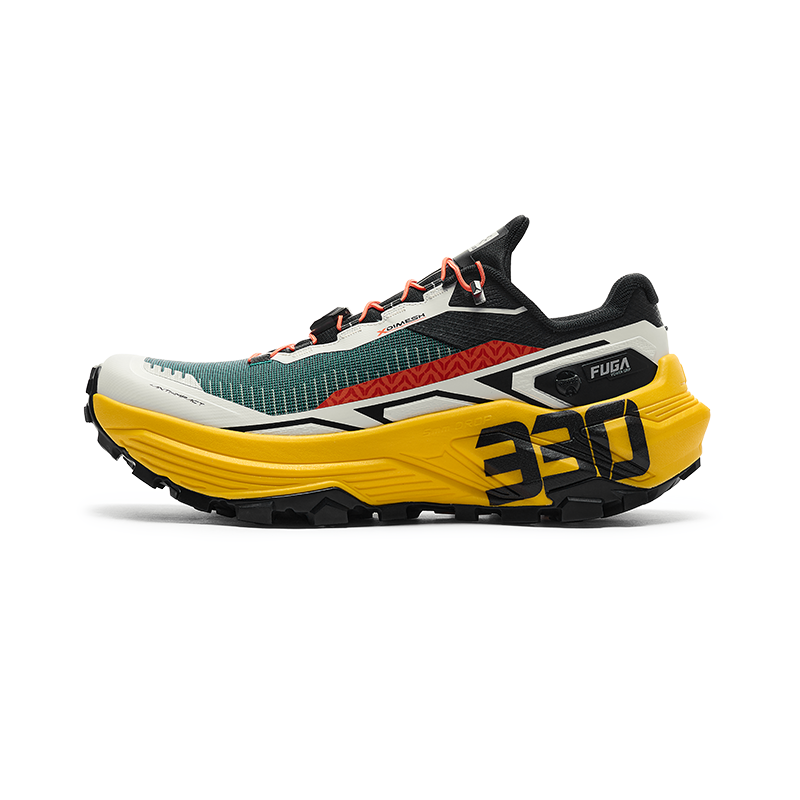
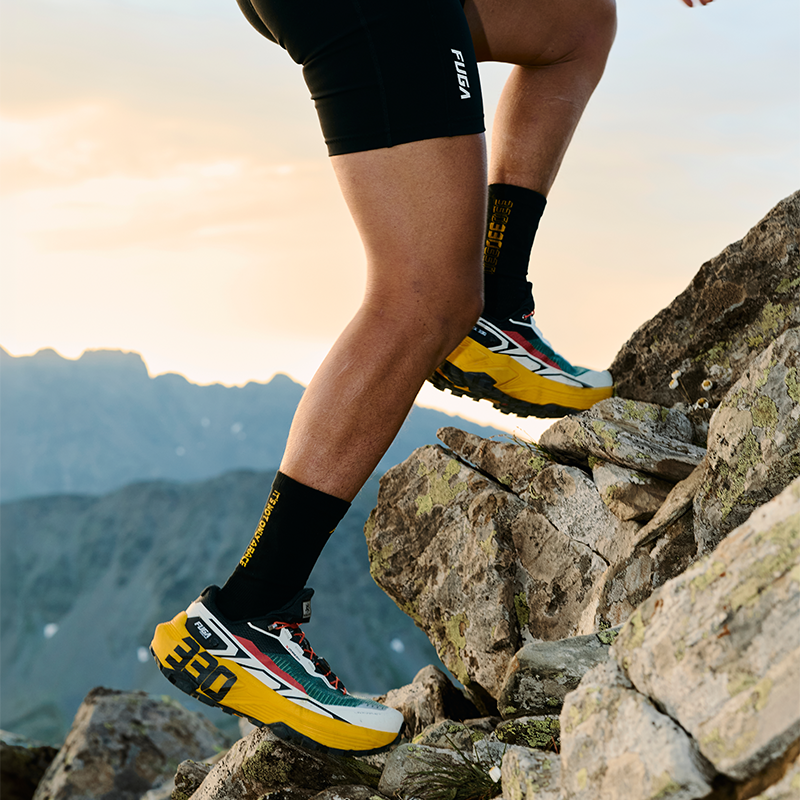
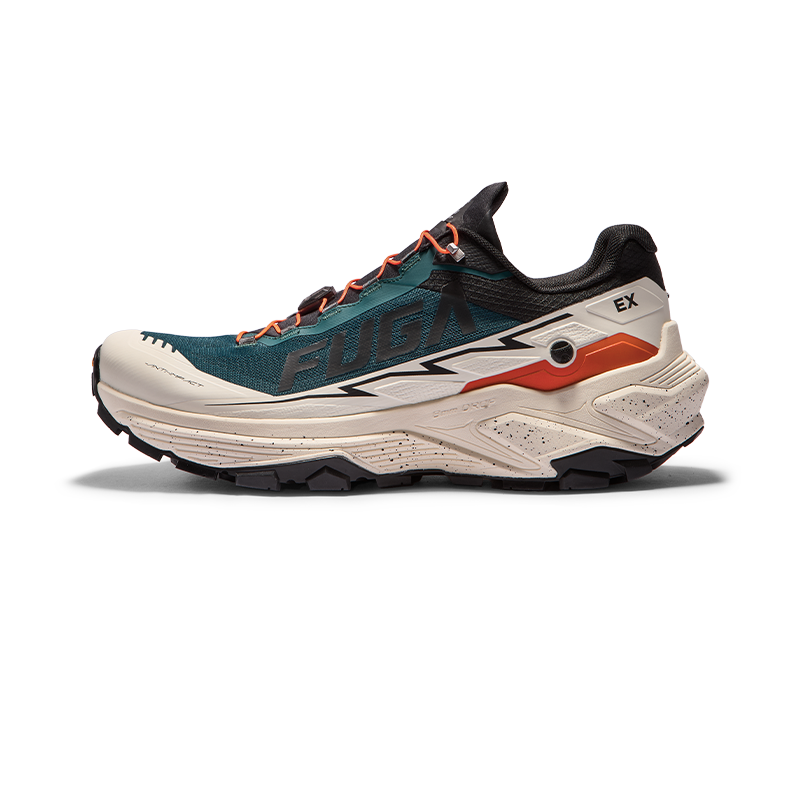
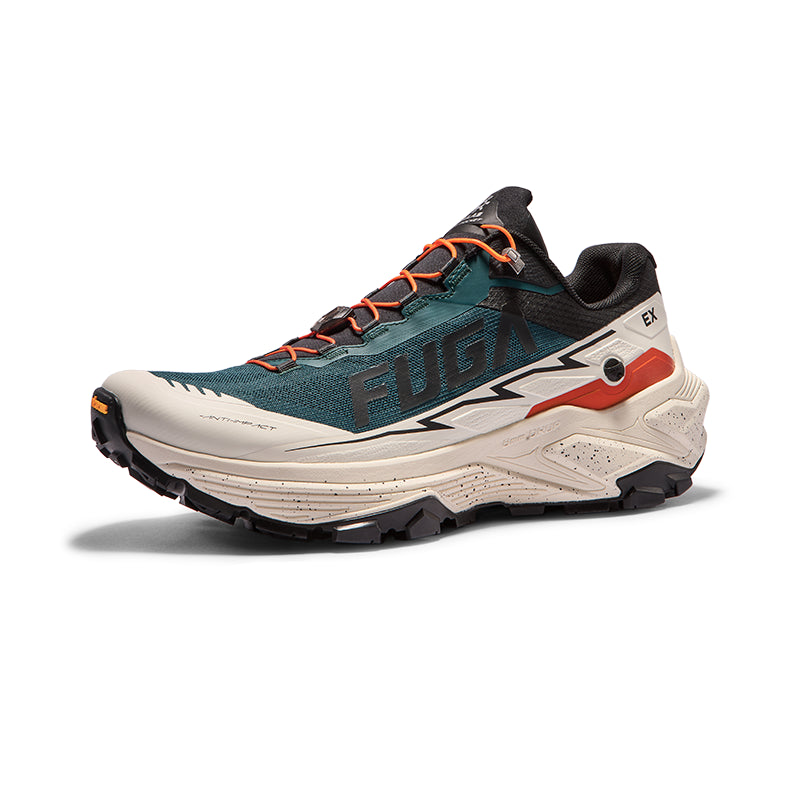
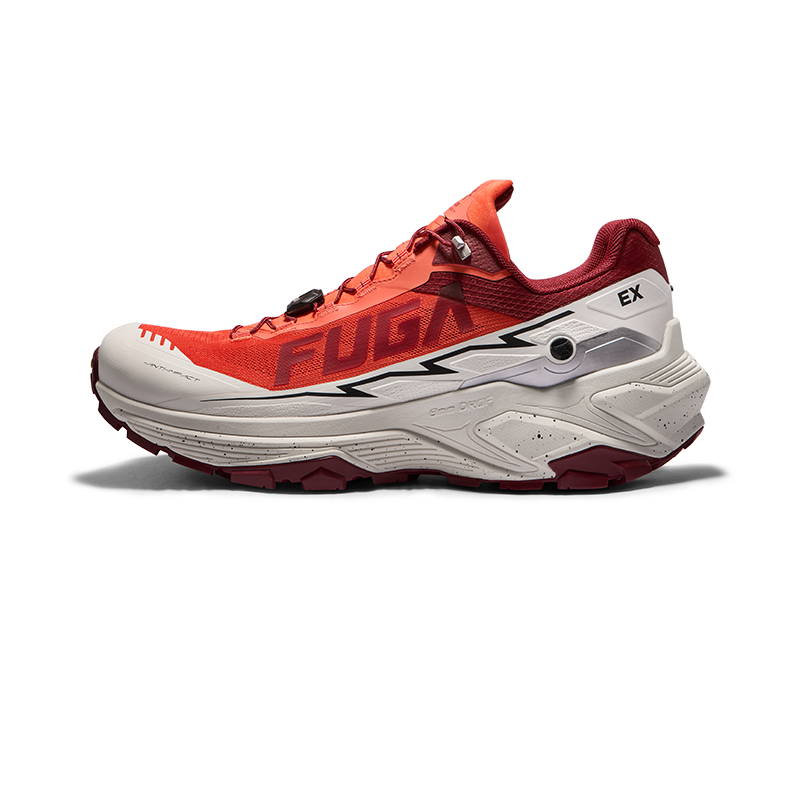
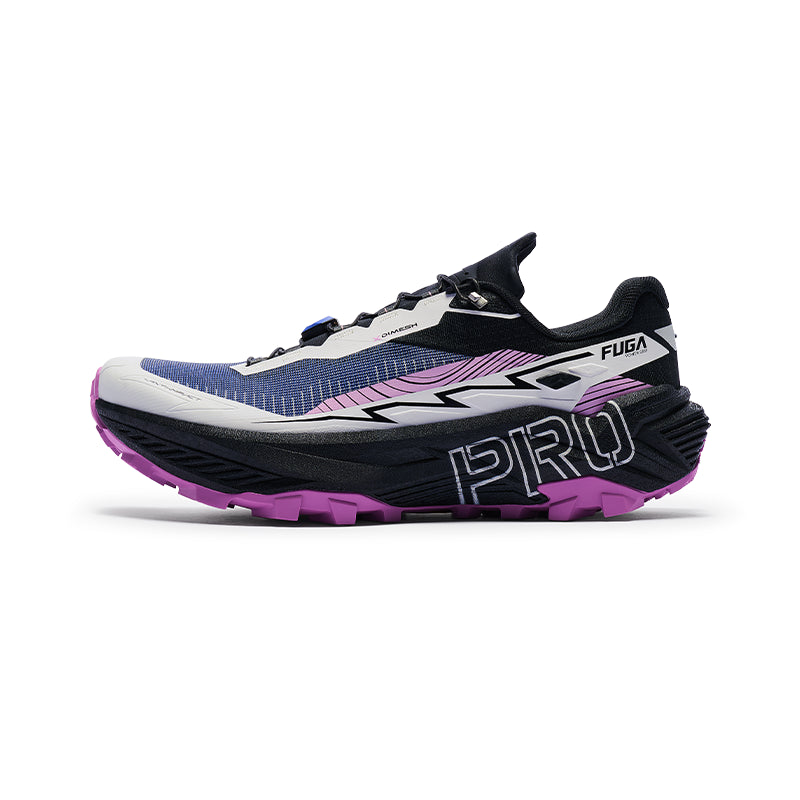
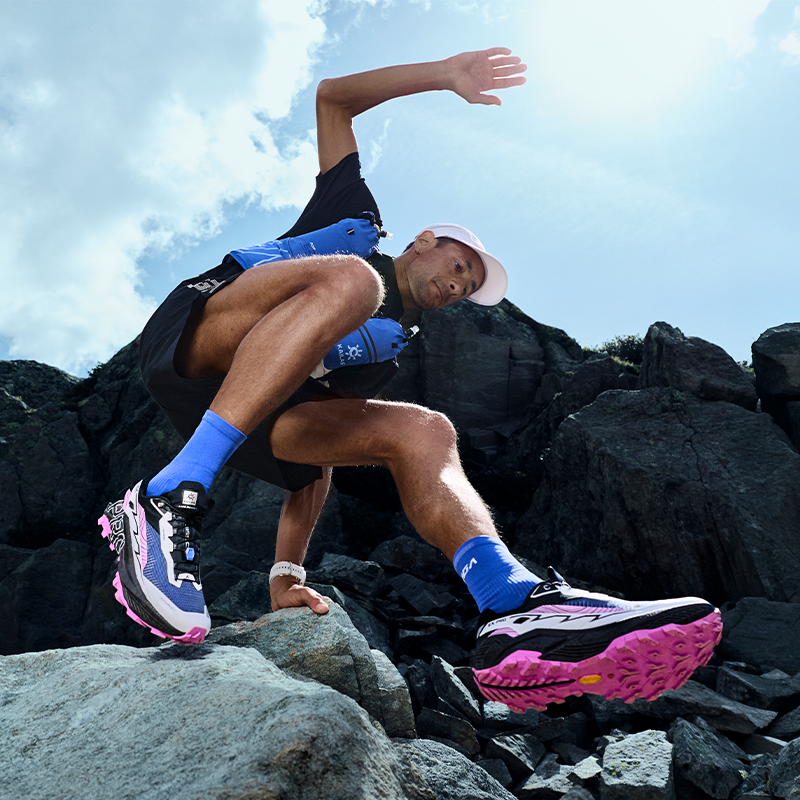
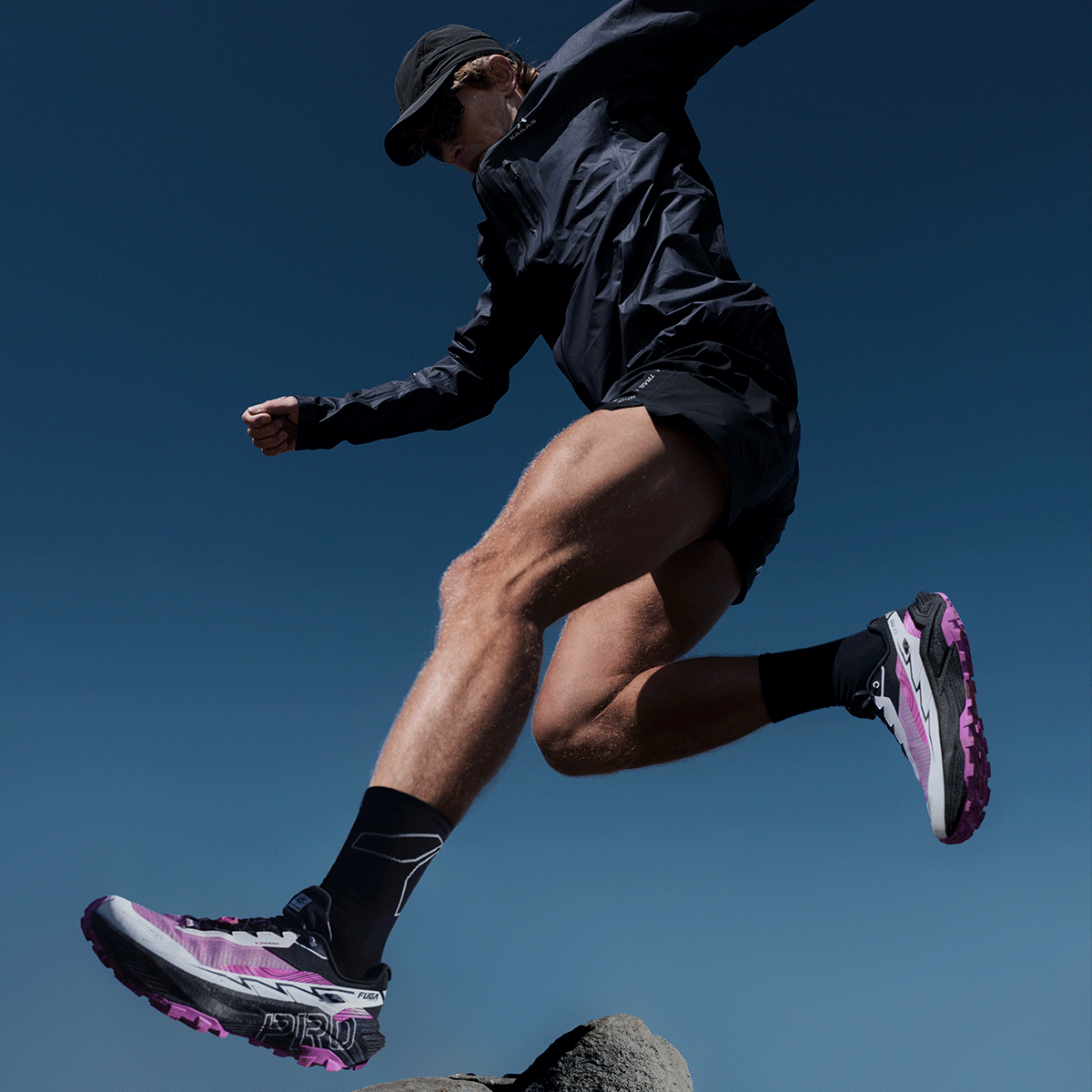
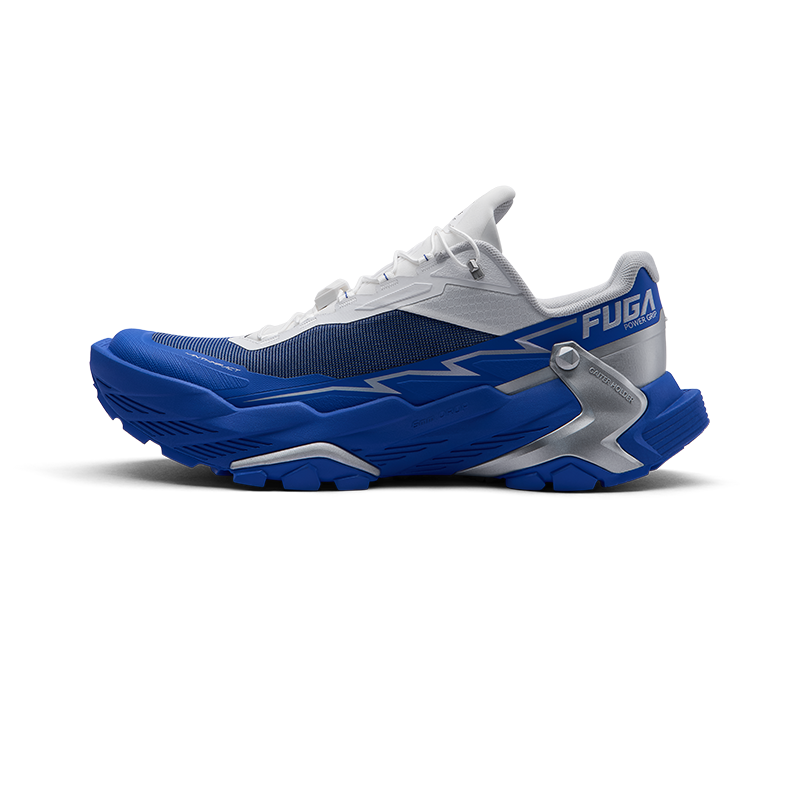
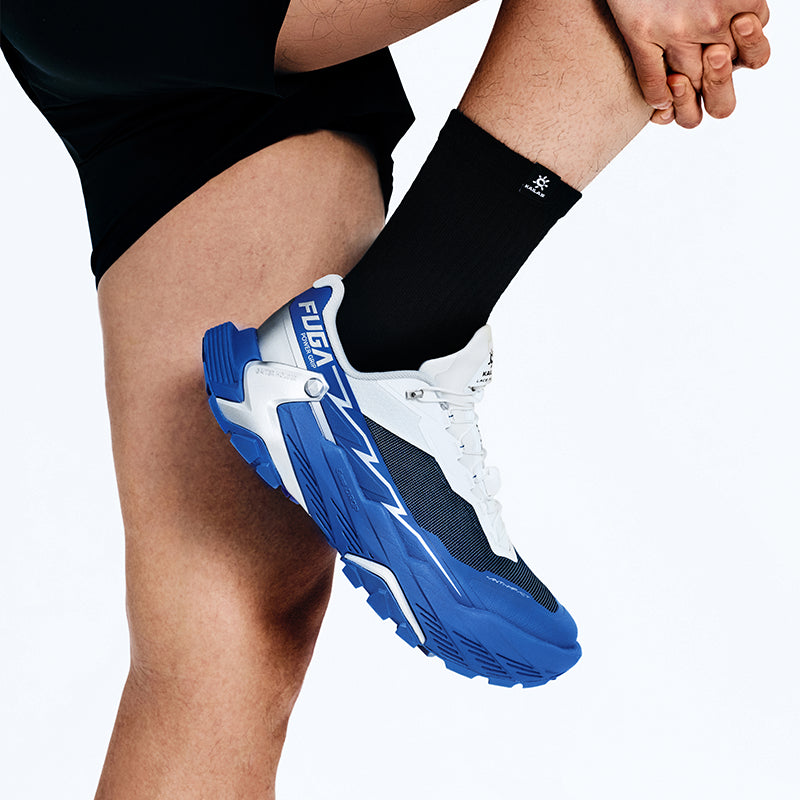
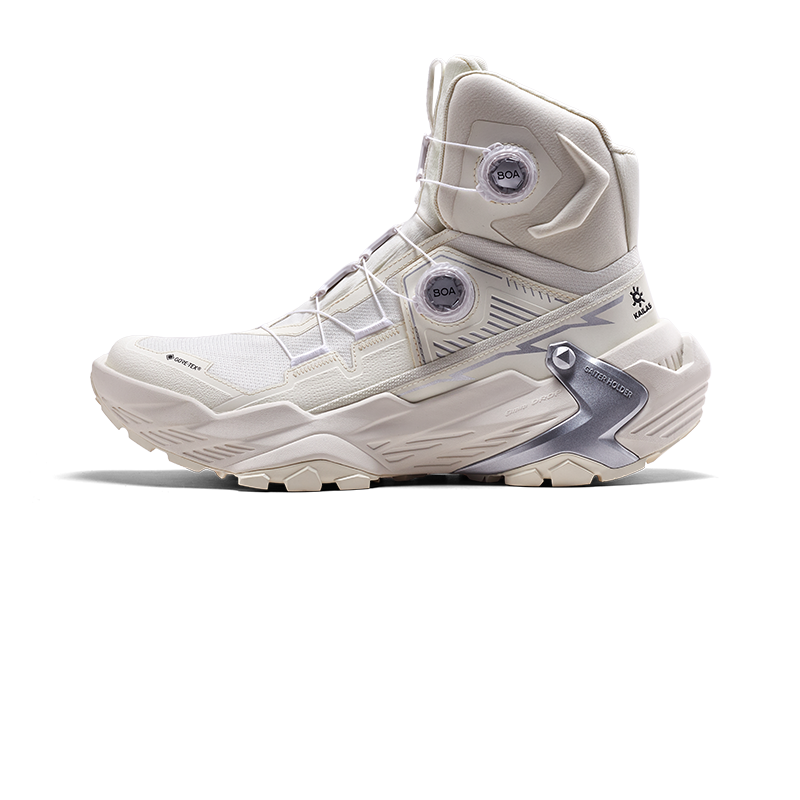
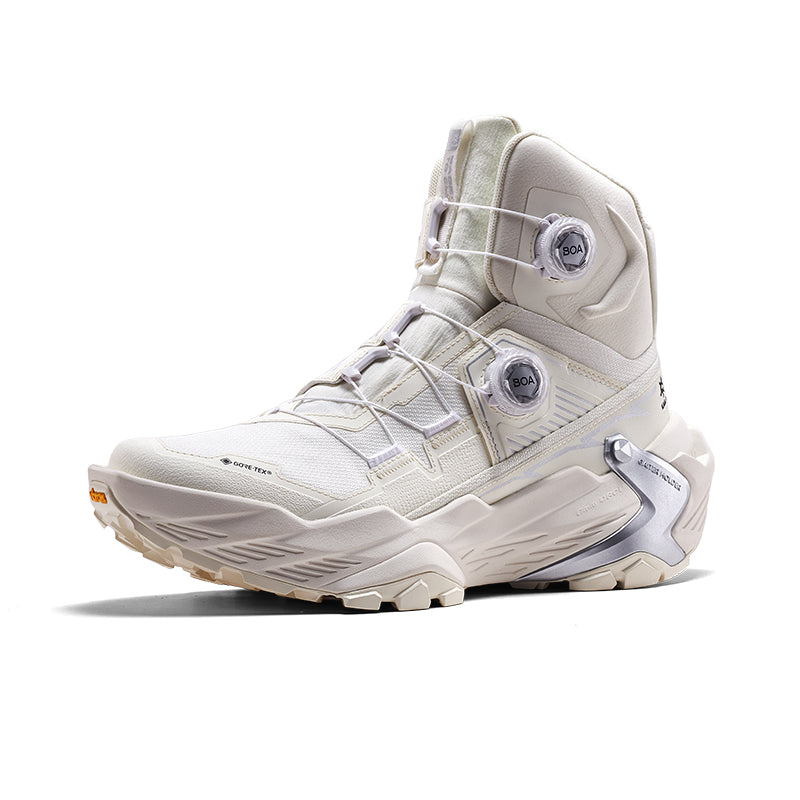
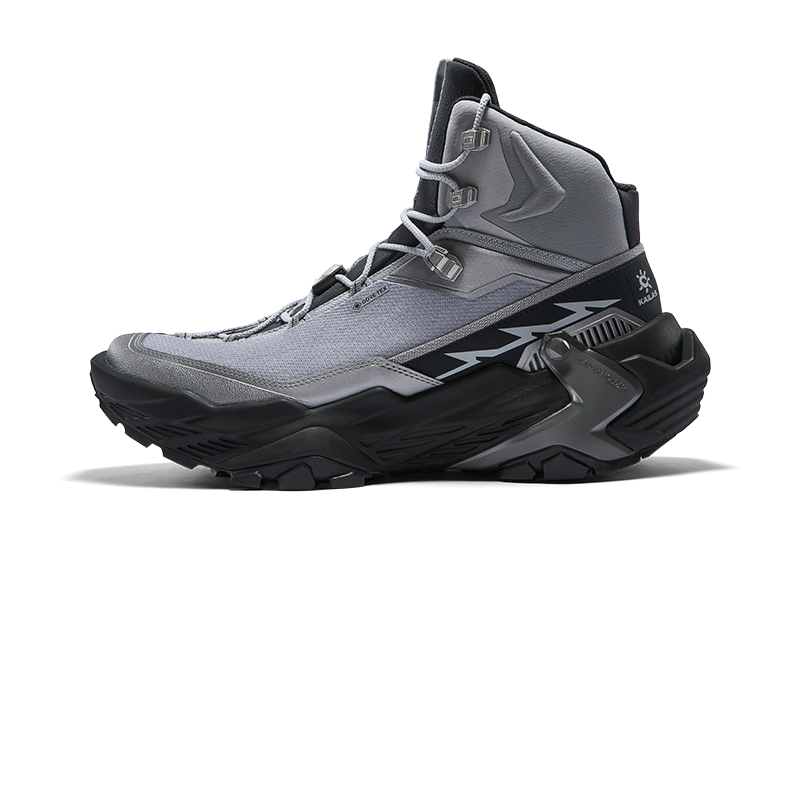
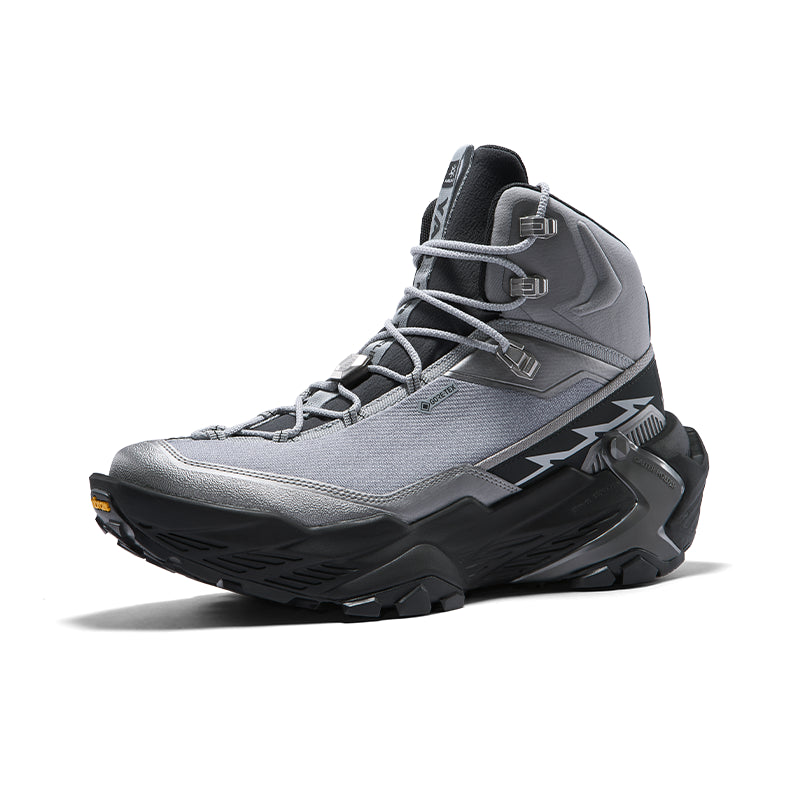
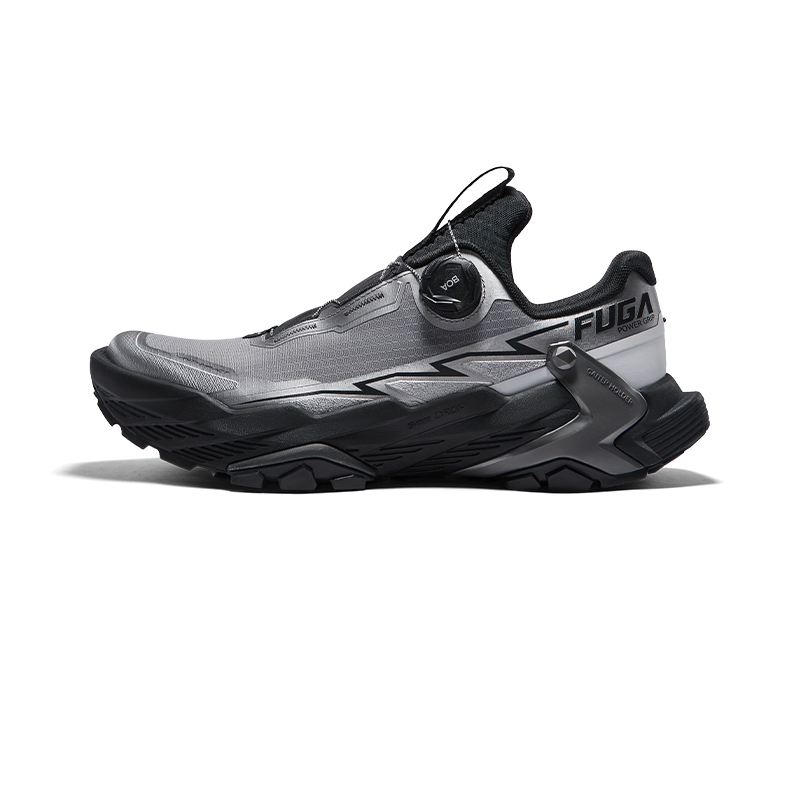
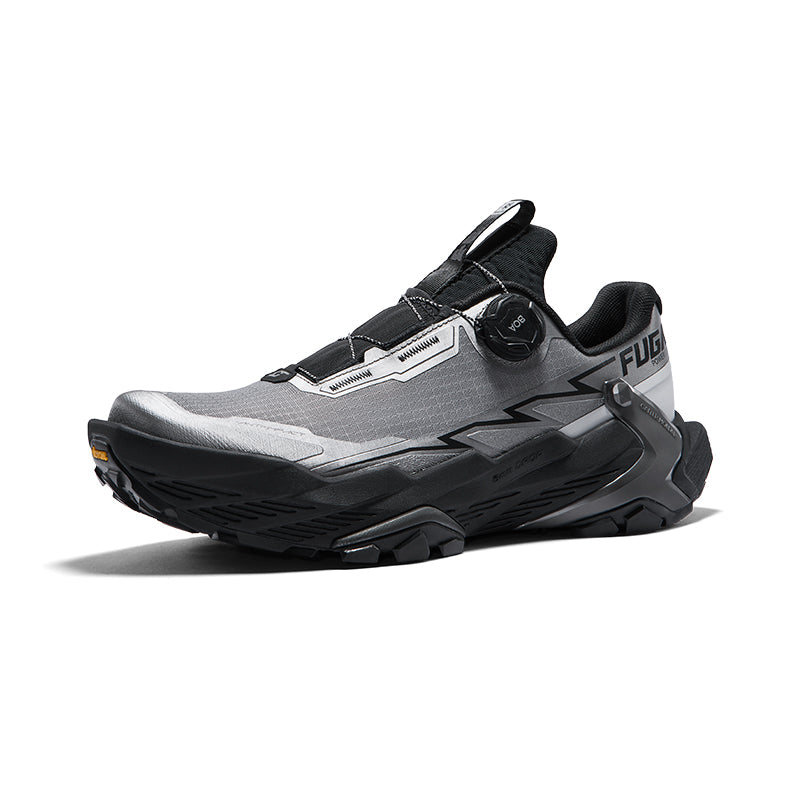
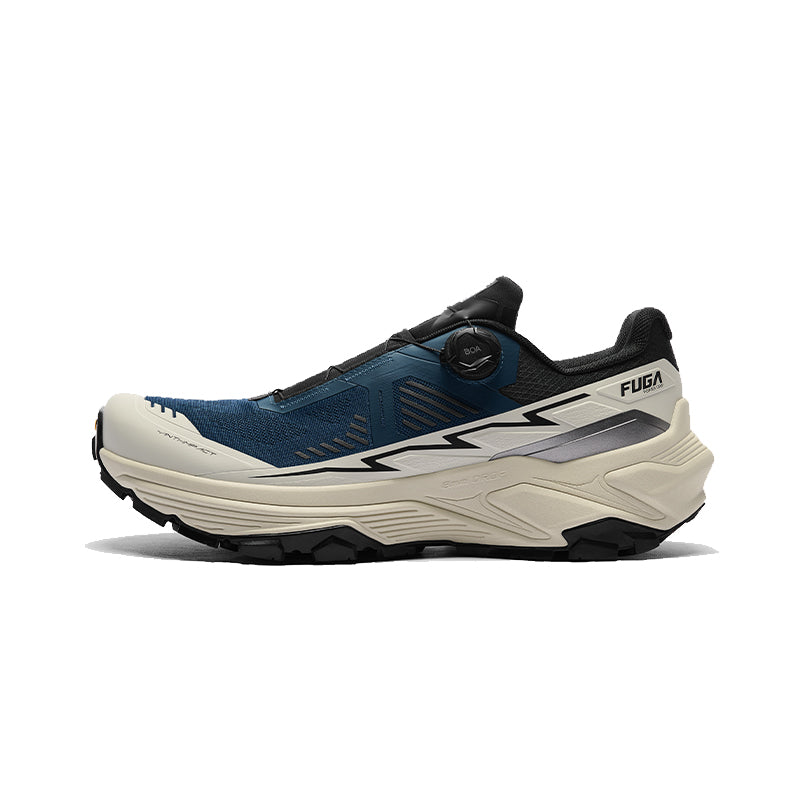
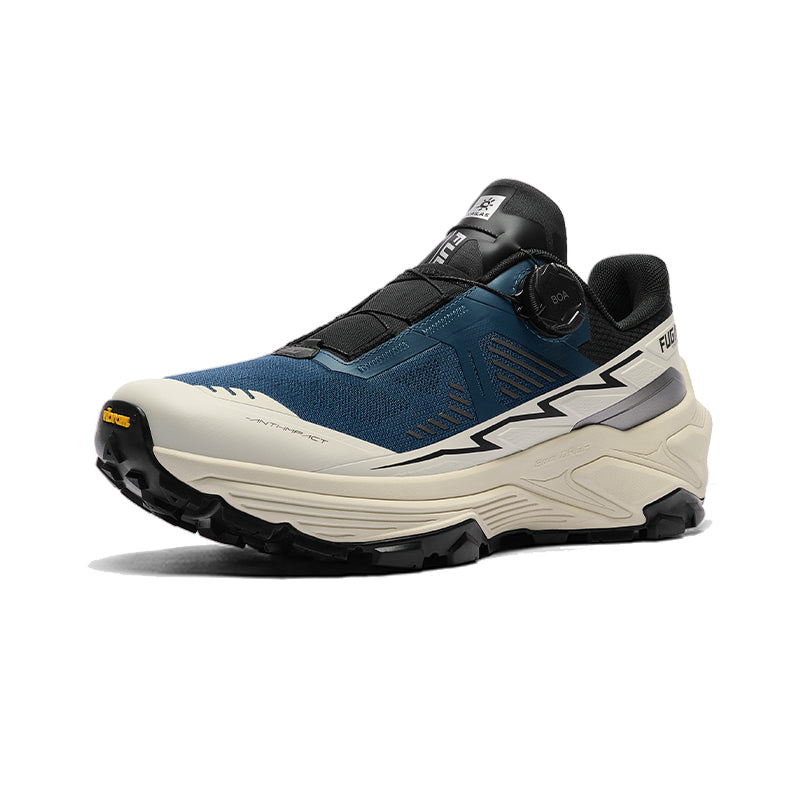
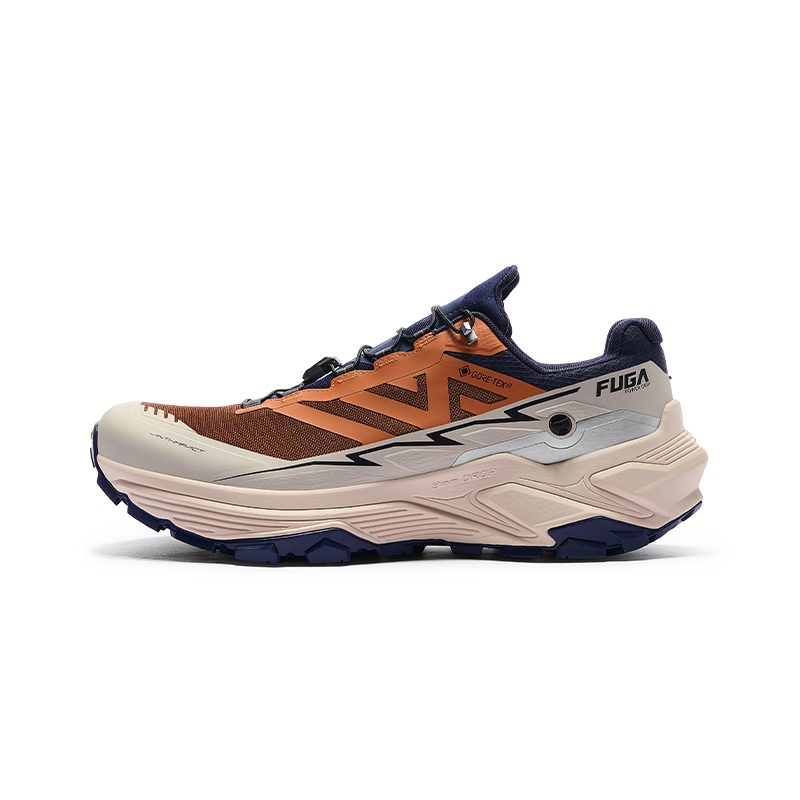
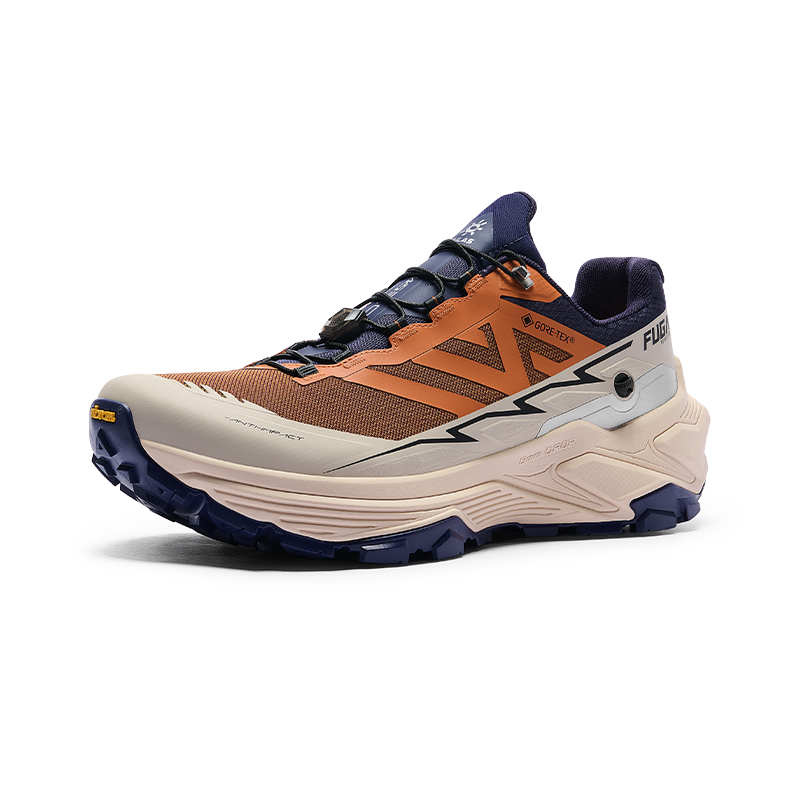
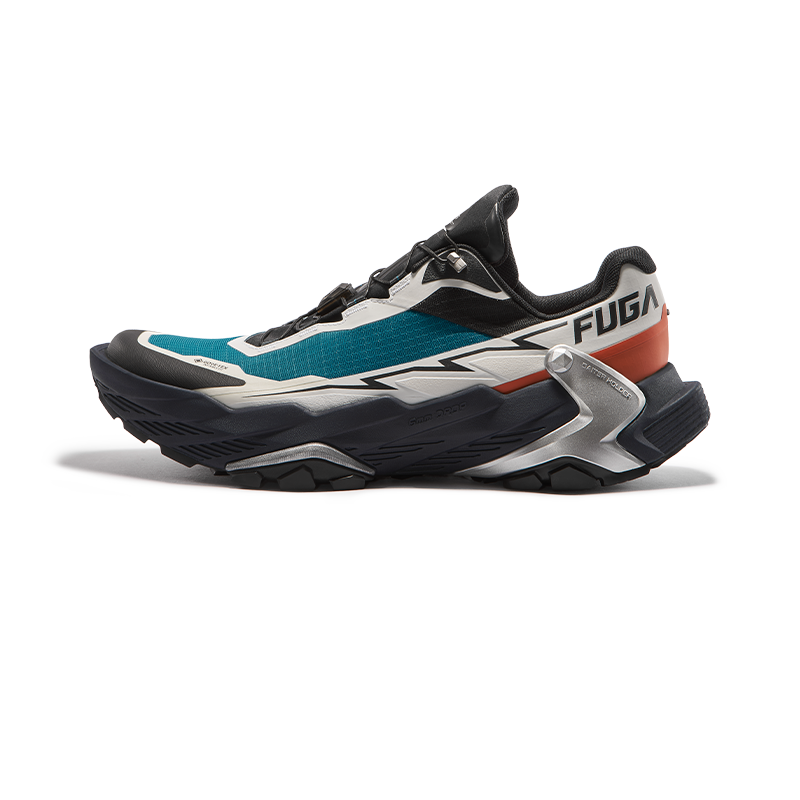
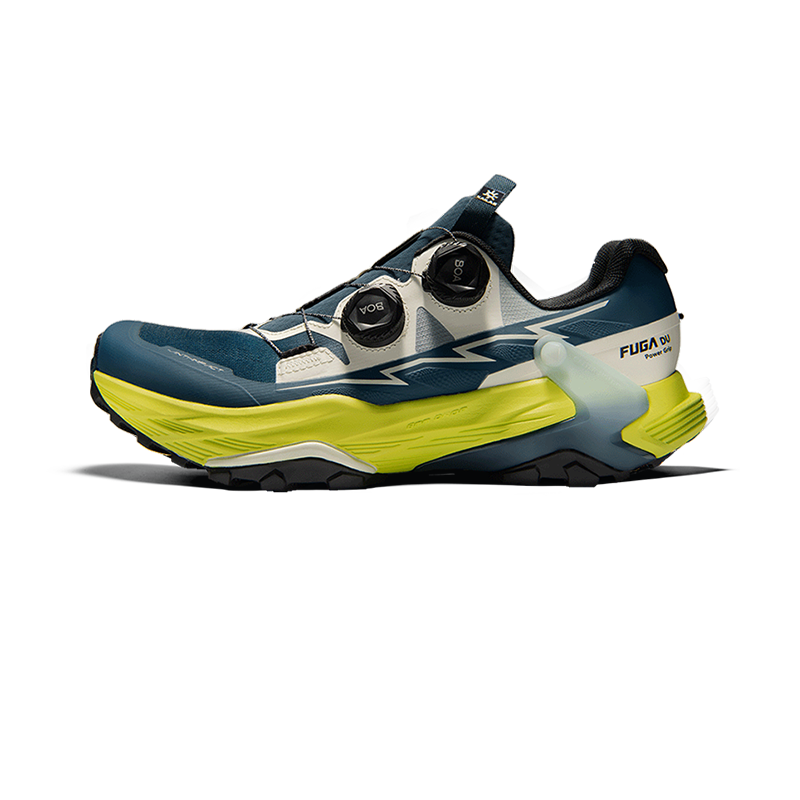
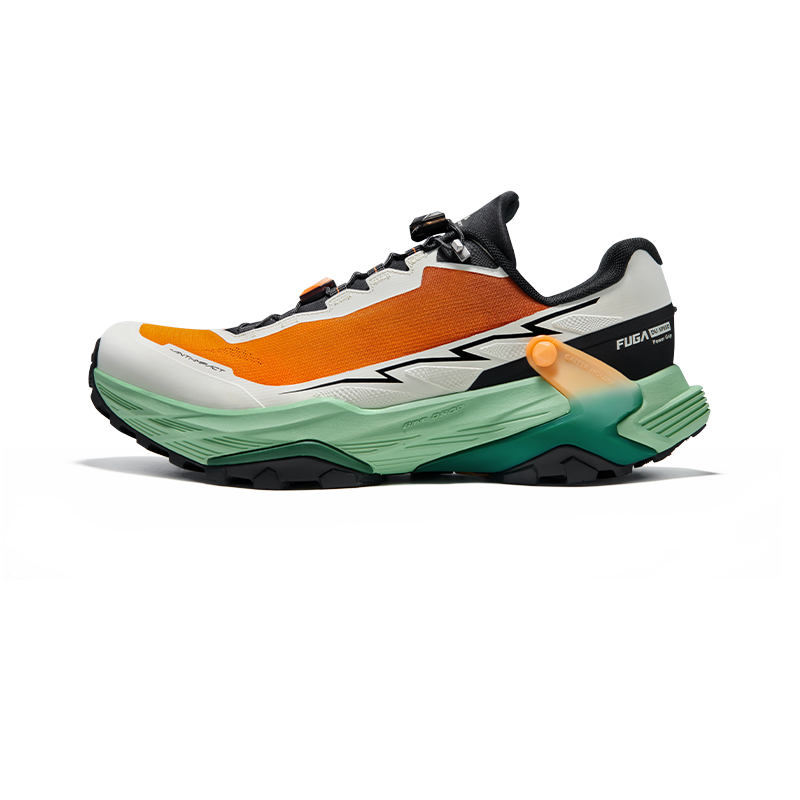
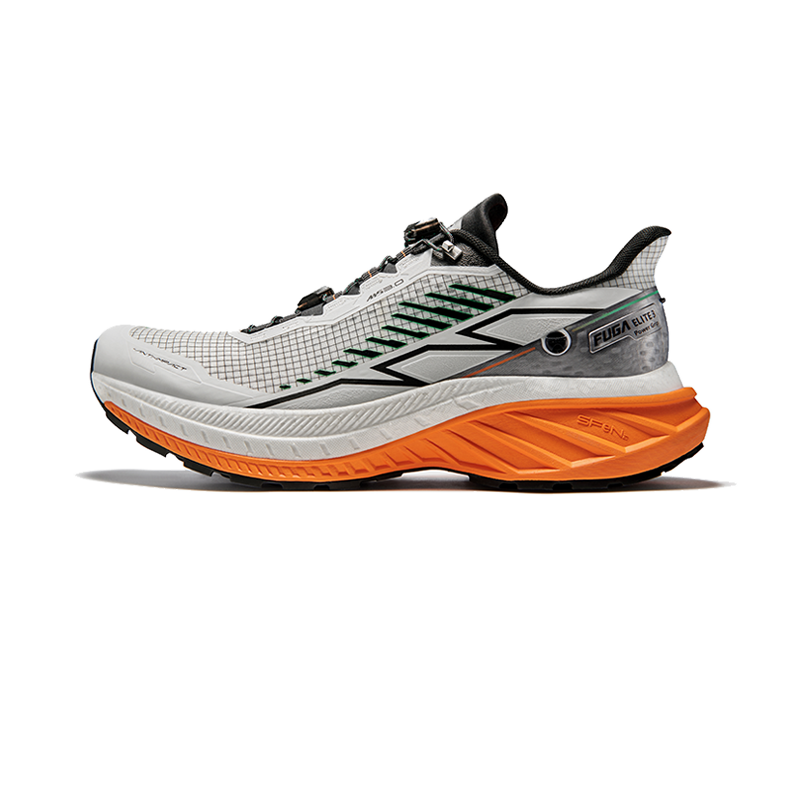
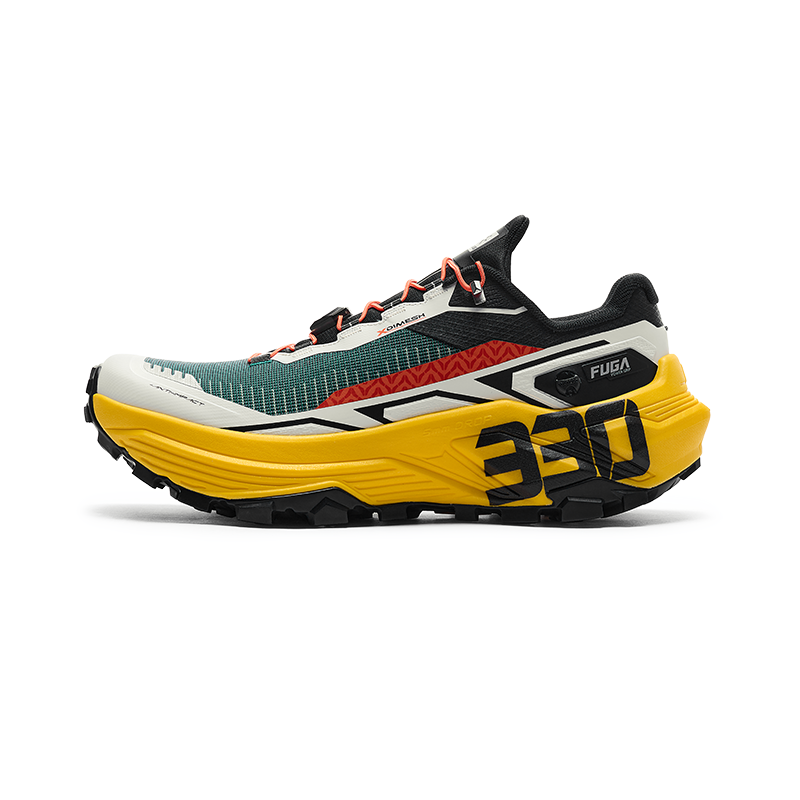
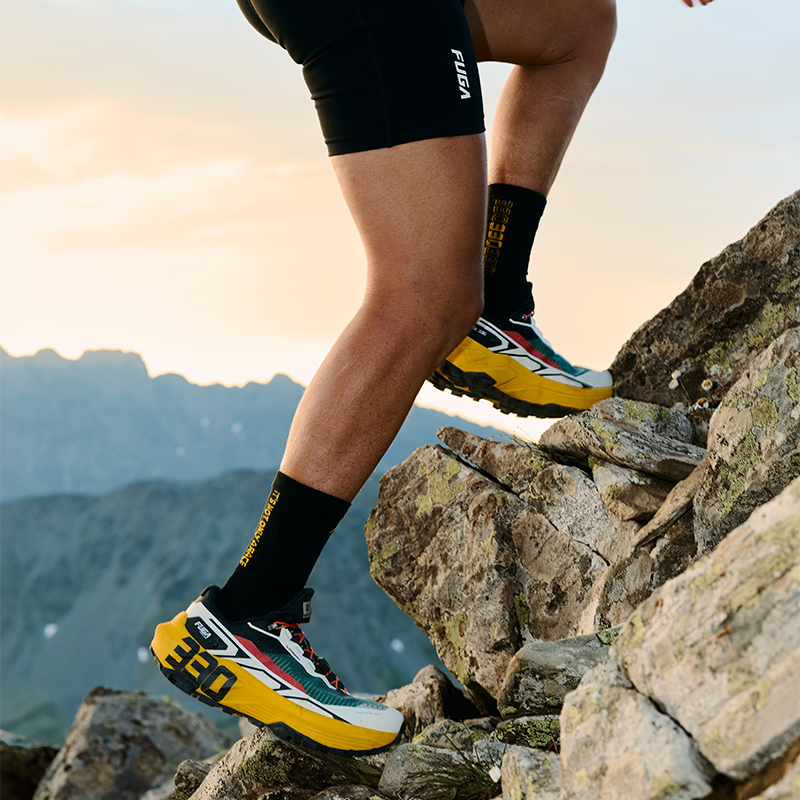
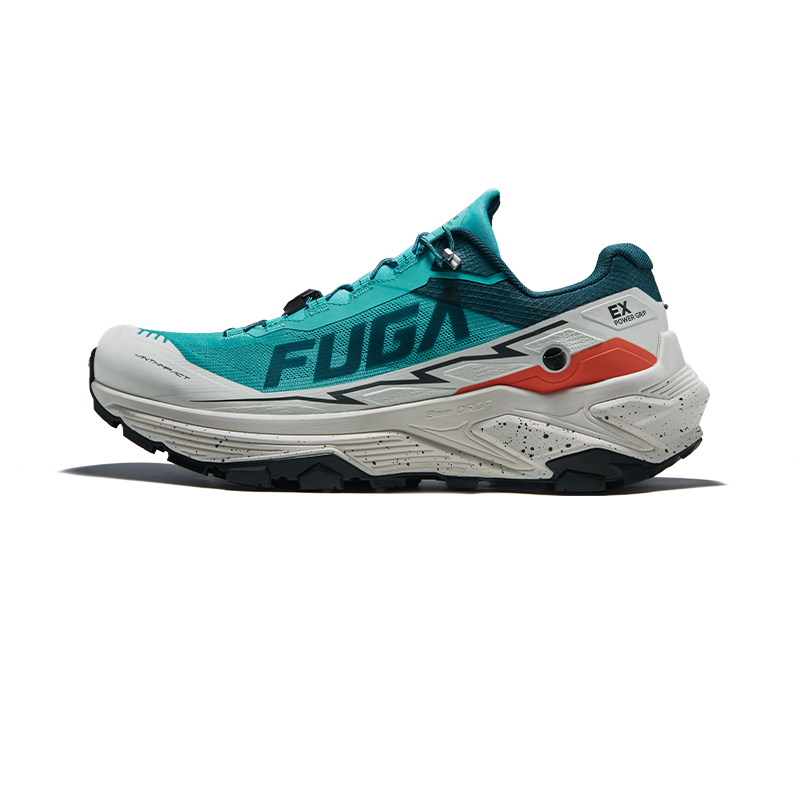
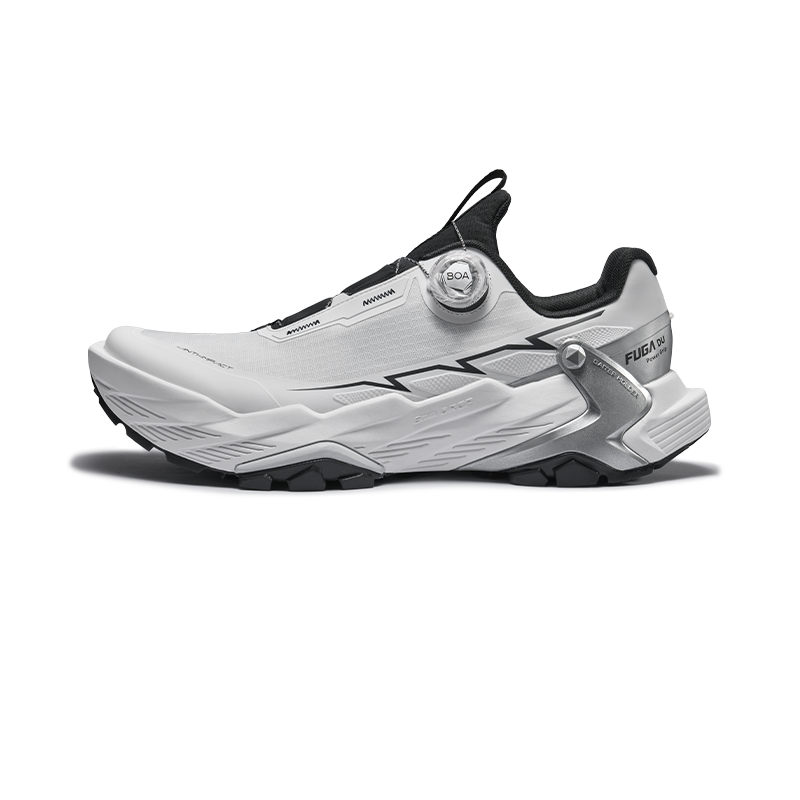
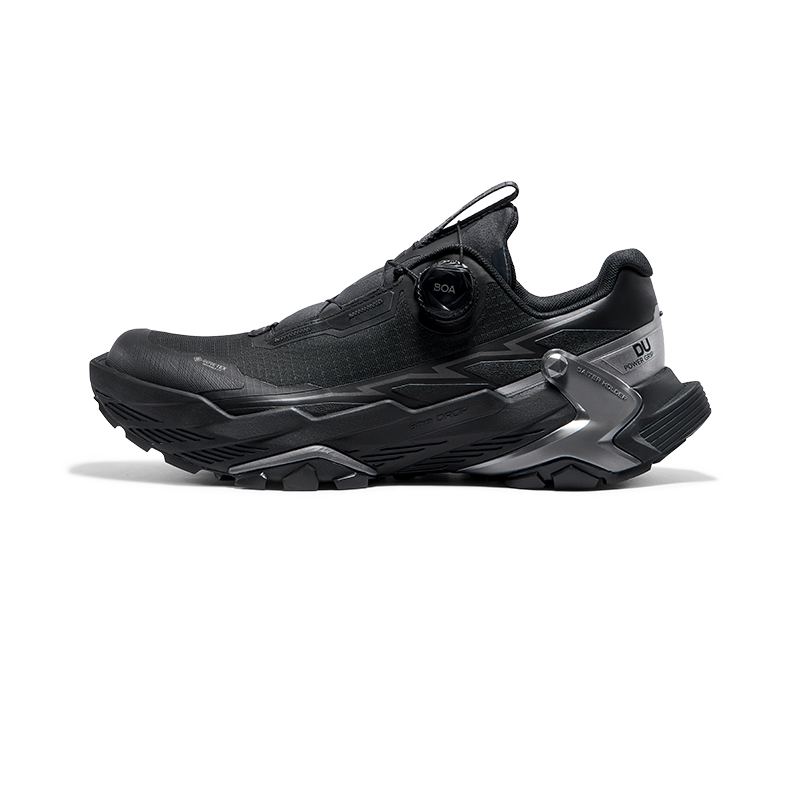
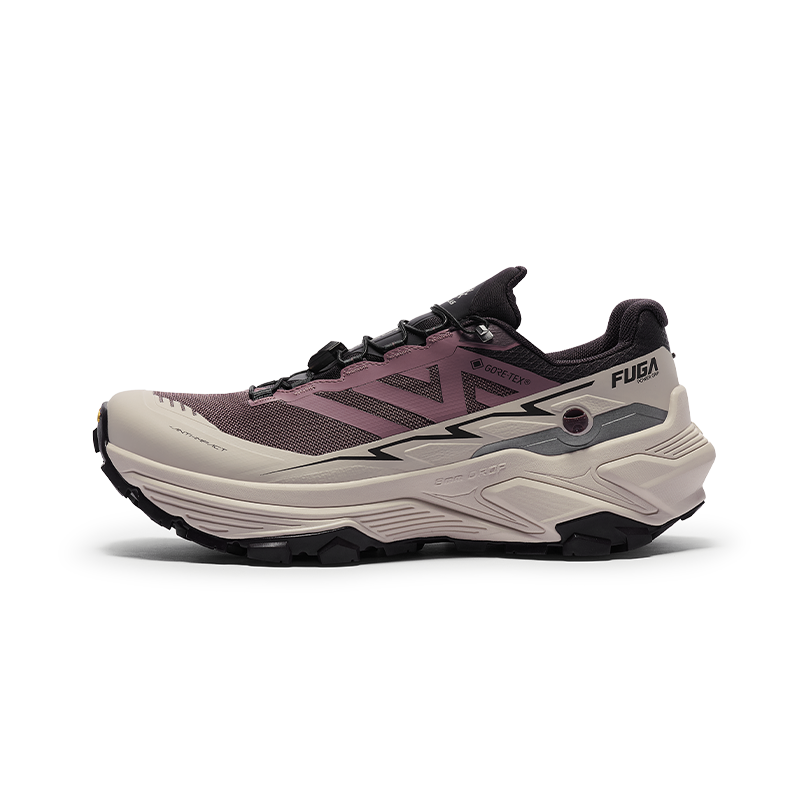
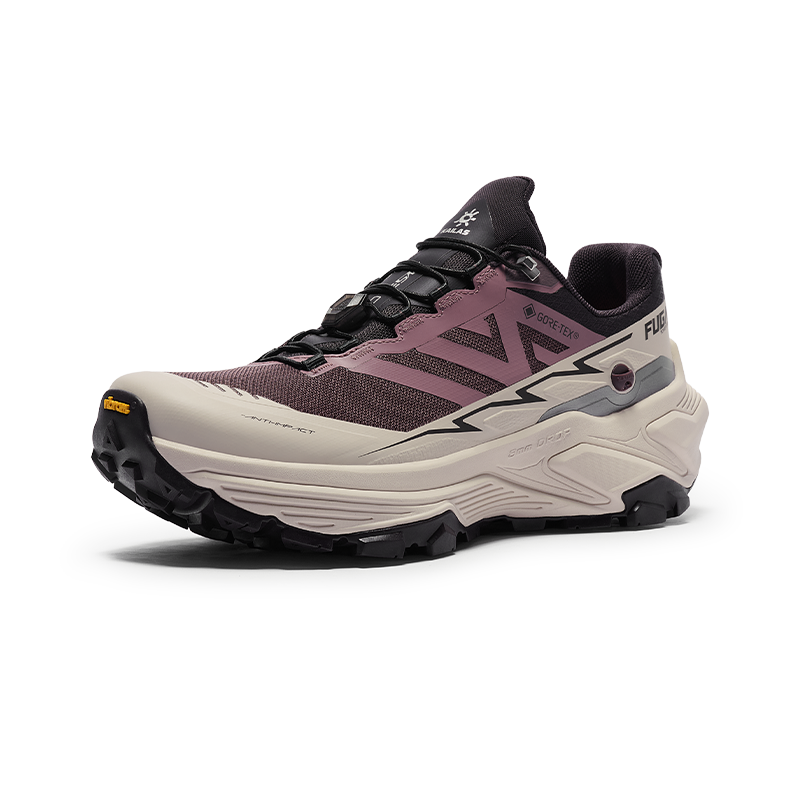
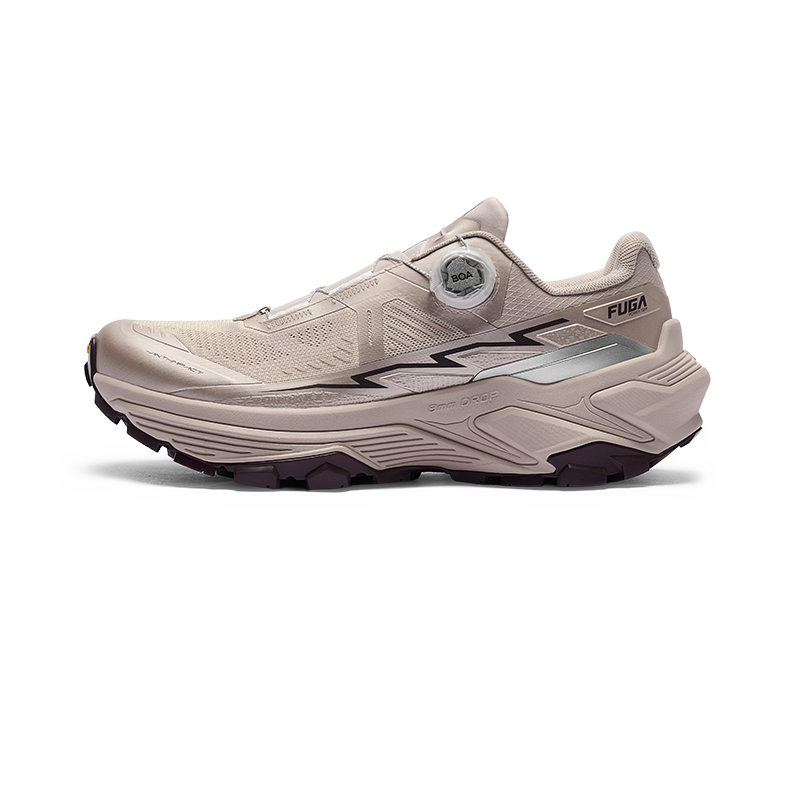
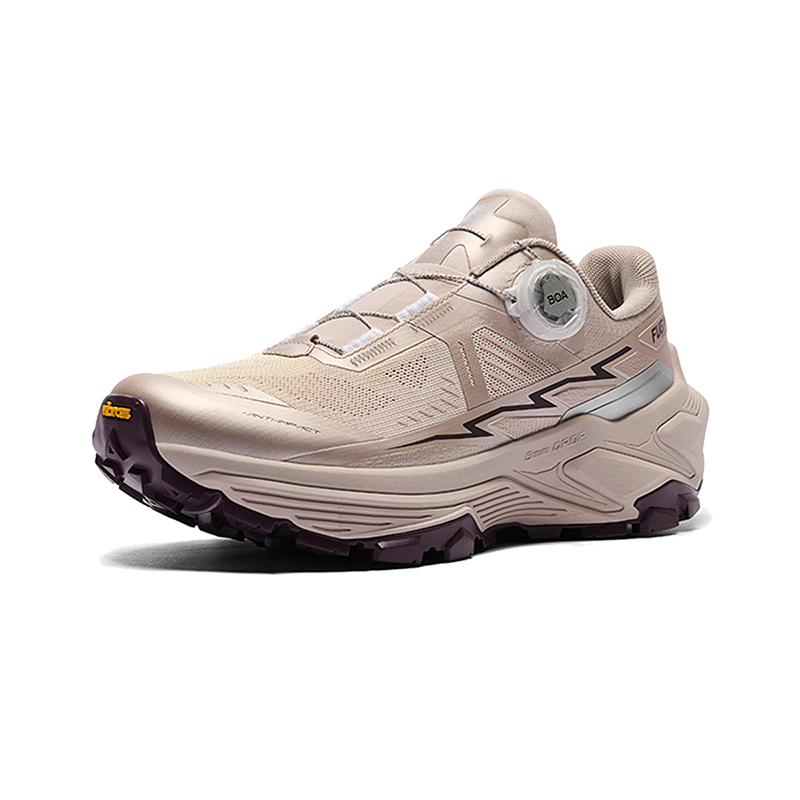
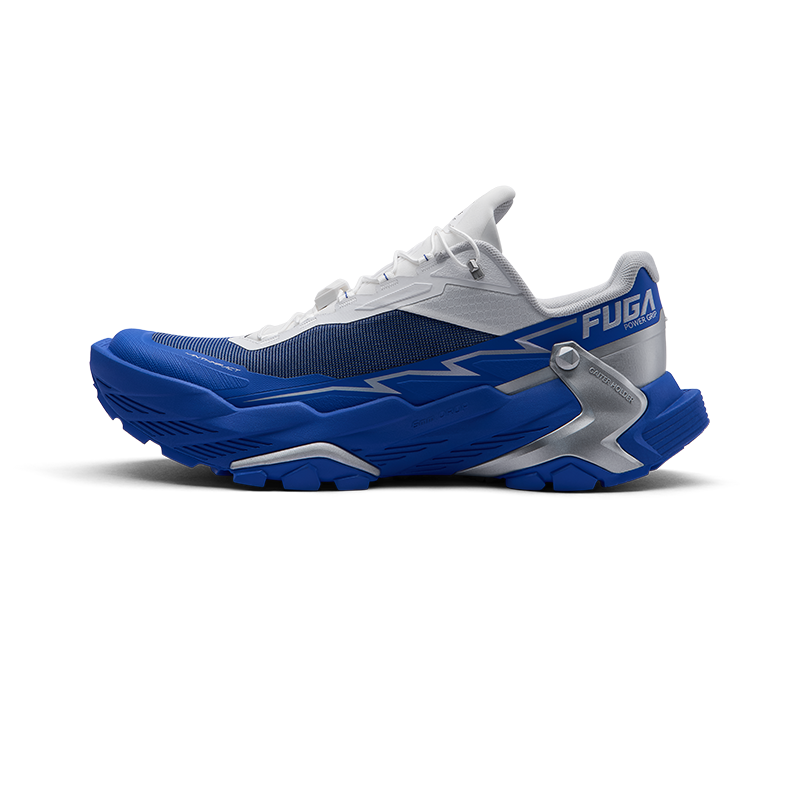
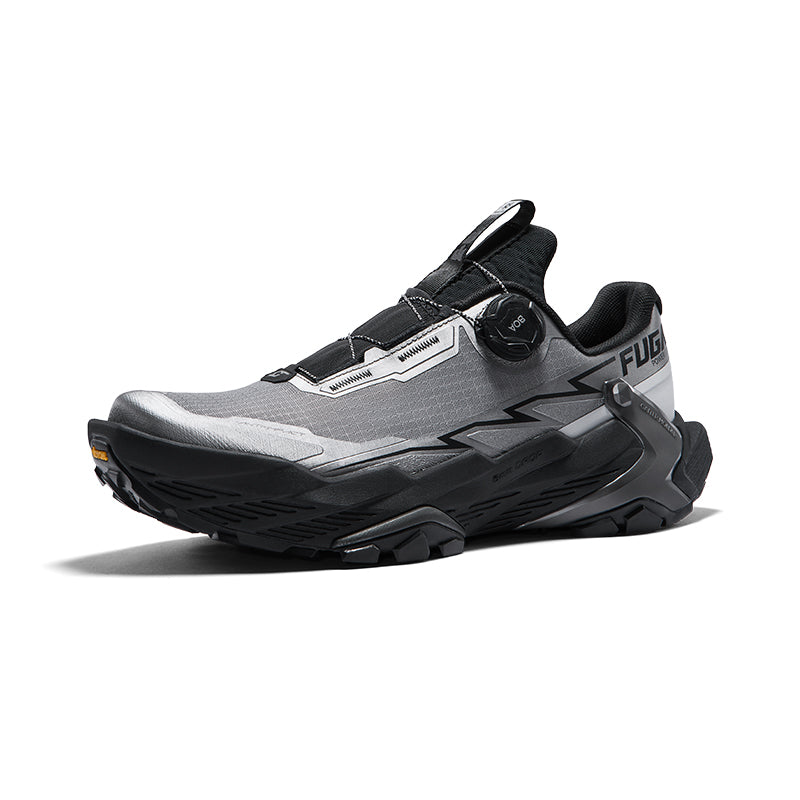
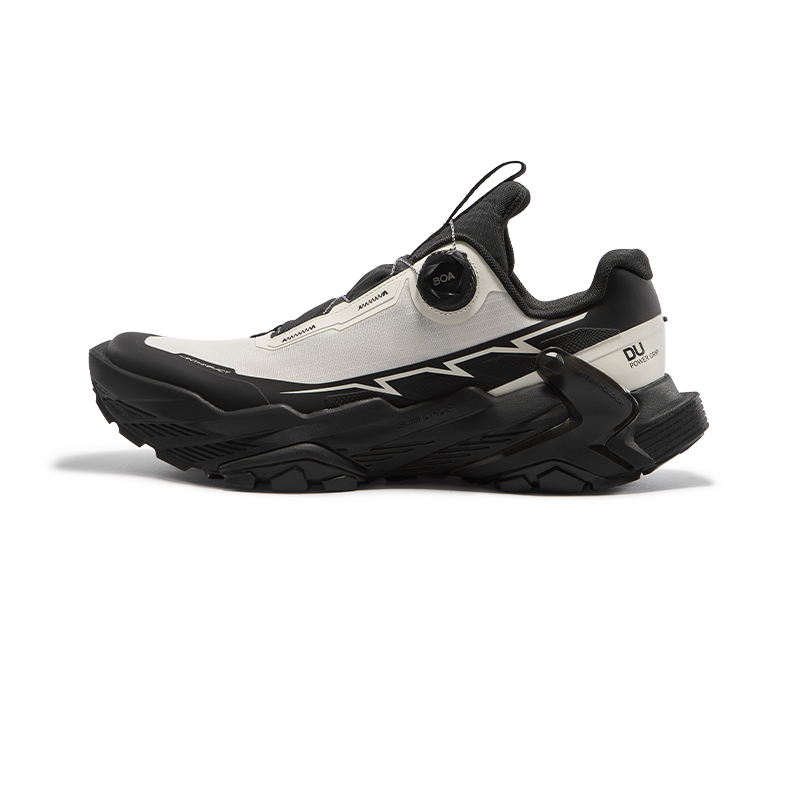
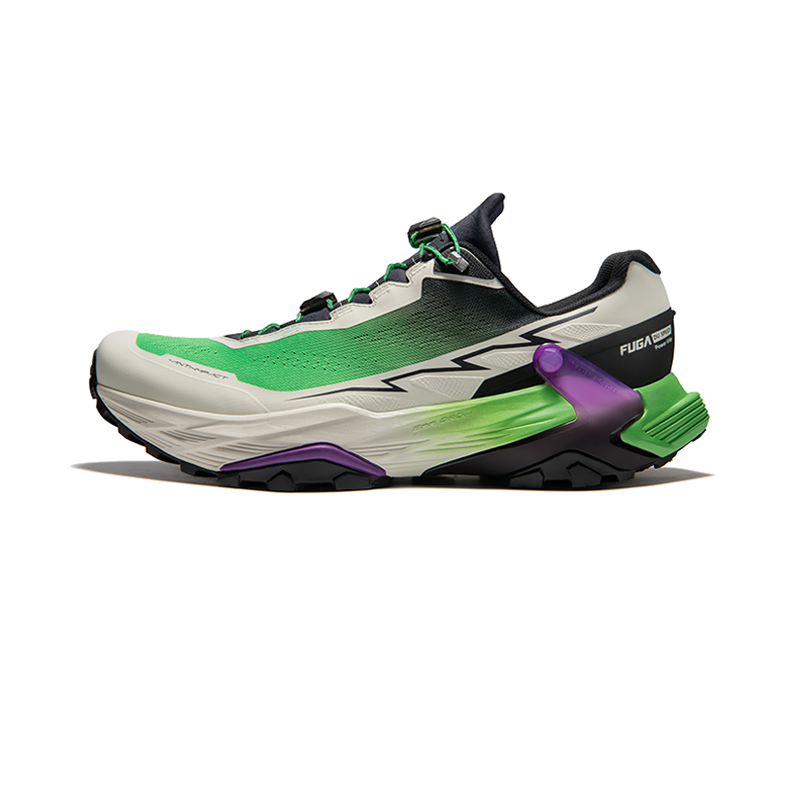
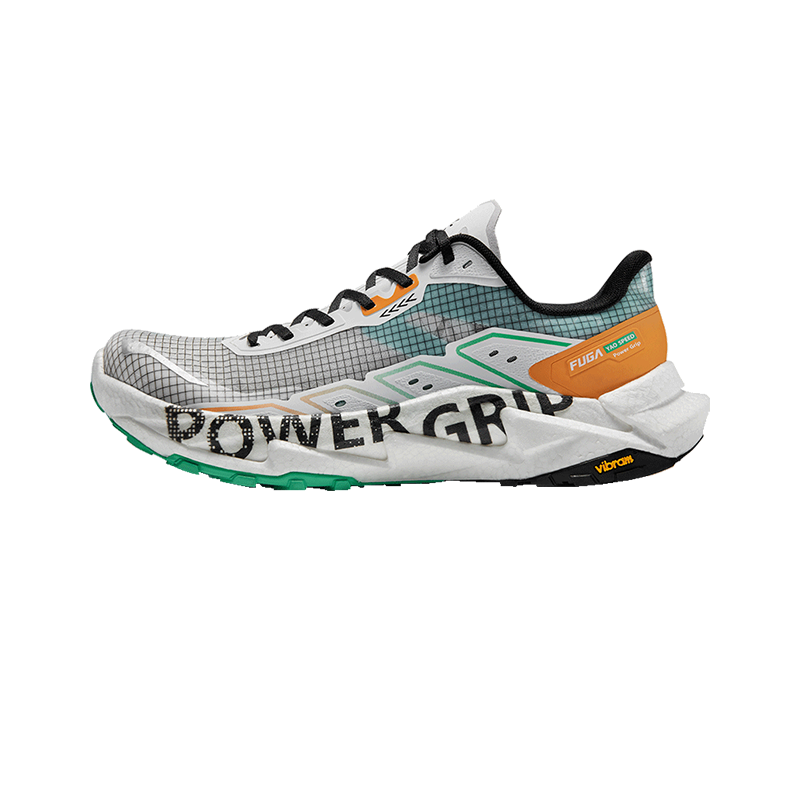
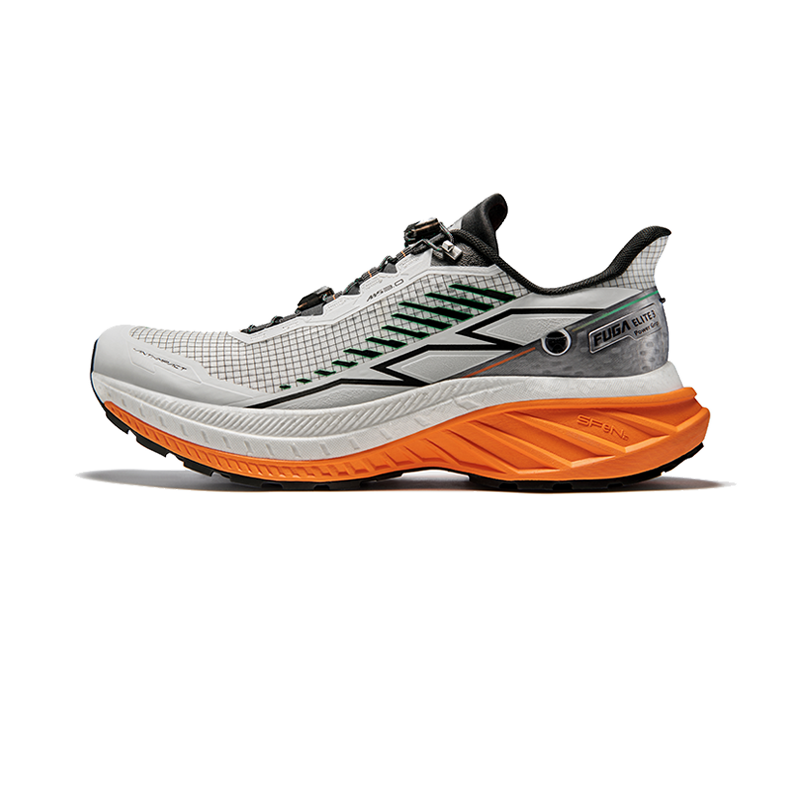
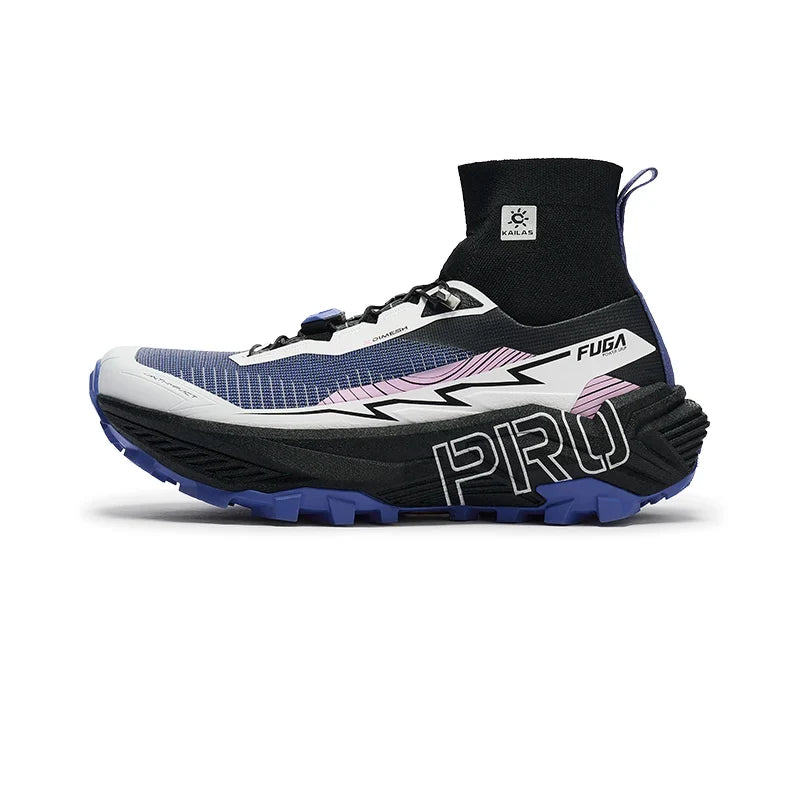
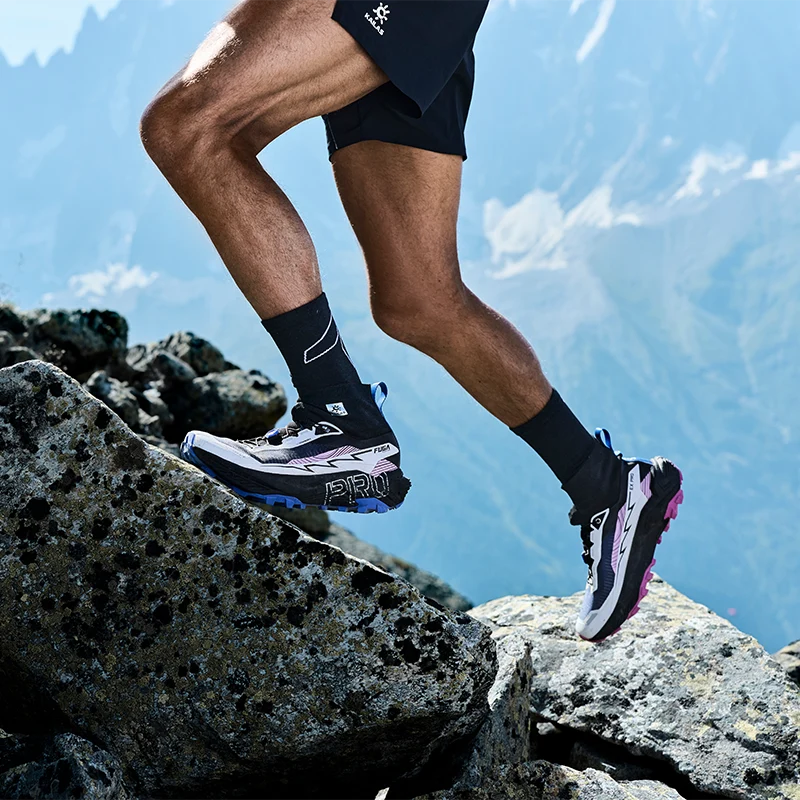
Explore lightweight men’s shoes built for technical trails, with reliable grip, secure support, and stable control across steep climbs, rugged terrain, and fast descents. Find the best trail running shoes for men designed to keep every step confident in demanding mountain conditions.























FAQs
1. What Is the Maximum Distance for Trail Shoes?
Trail running shoes for men are designed to handle uneven terrain, but the maximum comfortable distance depends on cushioning, shoe type, and individual running style. Lightweight models are better for shorter, faster runs, while more cushioned shoes can support longer distances. For most runners, 15 to 25 miles per session is a reasonable range.
2. What Features Should I Look for in Men's Running Shoes?
When selecting running shoes for men, focus on cushioning, stability, arch support, outsole traction, and breathability. The ideal combination depends on foot shape, running style, and terrain.Cushioning helps protect joints, traction improves stability on uneven surfaces, and breathable materials keep feet dry and comfortable.
3. Which Trail Running Shoes Are Best for Beginners?
For beginners, the best trail running shoes should balance cushioning, grip, and stability. Look for shoes with enough underfoot protection, reliable outsole traction, and a comfortable fit that supports steady running on light to moderate trails.
4. Can I Use Trail Running Shoes for Road Running?
Trail running shoes can be used on roads occasionally, but they may feel heavier and less responsive than pavement shoes. Their outsoles may wear faster on asphalt, while the midsoles may feel stiffer on smooth surfaces due to the lack of natural terrain feedback. For frequent road running, asphalt shoes usually offer better cushioning, smoother energy return, and more consistent joint support.
5. How Should I Clean and Maintain My Trail Running Shoes?
Clean by hand using lukewarm water, mild soap, and a soft brush. Remove laces and insoles, scrub gently, rinse, and air dry. Avoid washing machines or dryers to prevent damage.
6. Can Trail Running Shoes Help Prevent Injuries?
Proper trail shoes provide cushioning, stability, and traction, helping reduce stress on the feet, ankles, and knees. They absorb impact on uneven surfaces and help prevent slips or twists. Wearing the right trail running shoes for men can help reduce the risk of certain overuse injuries, support better running form, and improve comfort on varied terrain.
7. Do Trail Running Shoes Perform Well on Technical Terrain?
Yes, trail running shoes can perform well on technical terrain when they have protective toe caps, stable midsoles, and aggressive tread patterns. These features help improve grip, protect the feet from rocks and roots, and support more controlled movement on uneven trails, though runners should still choose shoes based on terrain difficulty and personal fit.
8. What Is the Difference Between Trail Running Shoes and Hiking Shoes?
Trail running shoes are lighter, more flexible, and designed for speed on uneven terrain. Hiking shoes are heavier, more rigid, and prioritize protection and durability over agility. Trail shoes focus on cushioning, traction, and responsiveness, whereas hiking shoes provide support for long walks or carrying heavier loads. Selecting the right type ensures comfort and safety depending on your activity.
9. How Long Do Trail Running Shoes Typically Last?
Trail running shoes generally last 300 to 500 miles, depending on terrain and usage. Rough trails wear down outsoles and compress midsoles faster, so rotation and care are important.Maintaining running shoes for men through cleaning and proper storage extends lifespan. Durable shoes provide consistent support, cushioning, and comfort for many miles of trail running.
10. How Often Should I Replace My Running Shoes?
Running shoes are often replaced after 300 to 500 miles, or sooner if the cushioning feels flat, the outsole tread is worn, or the shoe no longer feels stable. Replacing shoes at the right time can help maintain comfort and support, while rotating between pairs may help extend overall shoe life.