






Le migliori scarpe da trail running per il fango: come scegliere l'aderenza per i sentieri sciatti
Che tu stia faticando tra le paludi invernali del Peak District, attraversando boschi inzuppati di pioggia nelle Surrey Hills o schierandoti alla partenza di una classica corsa in montagna, una cosa rimane sempre imprevedibile: il fango. Scivolare su un terreno saturo non è solo fastidioso, ma affatica le gambe e interrompe il ritmo. Questa guida analizza perché le normali scarpe si disintegrano quando il sentiero si trasforma in una poltiglia, quali caratteristiche aiutano effettivamente a mantenere la presa e come muoversi velocemente anche nei tratti più fangosi.
Perché il fango richiede scarpe da trail diverse
Normale scarpe da trail running Sono progettate per terreni prevedibili e compatti, dove l'aderenza non è un problema. Ma basta mettere piede su un sentiero bagnato britannico e tutto cambia. Le leggi della fisica della corsa si modificano completamente e quelle suole standard diventano inutili quanto le gomme lisce sul ghiaccio.
Come il fango riduce il contatto con il terreno
Il fango si insinua tra il piede e il terreno. Invece di aderire al suolo, la scarpa scivola su uno strato di fango, lasciandoti senza una base solida da cui spingere.
Perché le scarpe da strada perdono il controllo
Le scarpe da strada si affidano a una superficie ampia e piatta per fare presa sull'asfalto. Ma sul fango bagnato, quello stesso profilo piatto le trasforma in sci. Senza tasselli profondi che penetrino nel fango, non riescono ad ancorarsi, provocando slittamenti laterali immediati e una totale assenza di trazione in avanti.
Quando il fango diventa un rischio per la sicurezza
Perdere l'equilibrio non è solo fastidioso, ma rappresenta un vero e proprio rischio di infortunio. Una torsione improvvisa su una discesa scivolosa può causare una distorsione alla caviglia, uno strappo muscolare al bicipite femorale o una brutta caduta su una roccia appuntita. Ecco perché, con l'arrivo dell'autunno e dell'inverno, una buona aderenza non è più un'opzione, ma una necessità.
Scarpa da fango contro scarpa da trail standard
| Caratteristica | Scarpe da fango | Scarpe da trail standard |
| Profondità delle linguette | 6–8 mm | 3–4 mm |
| Spaziatura delle anse | Largo | Mezzo |
| Sgombero di fango | Eccellente | Povero |
| Aderenza sulla palude | Eccellente | Moderare |
| Comfort sui sentieri asciutti | Moderare | Eccellente |

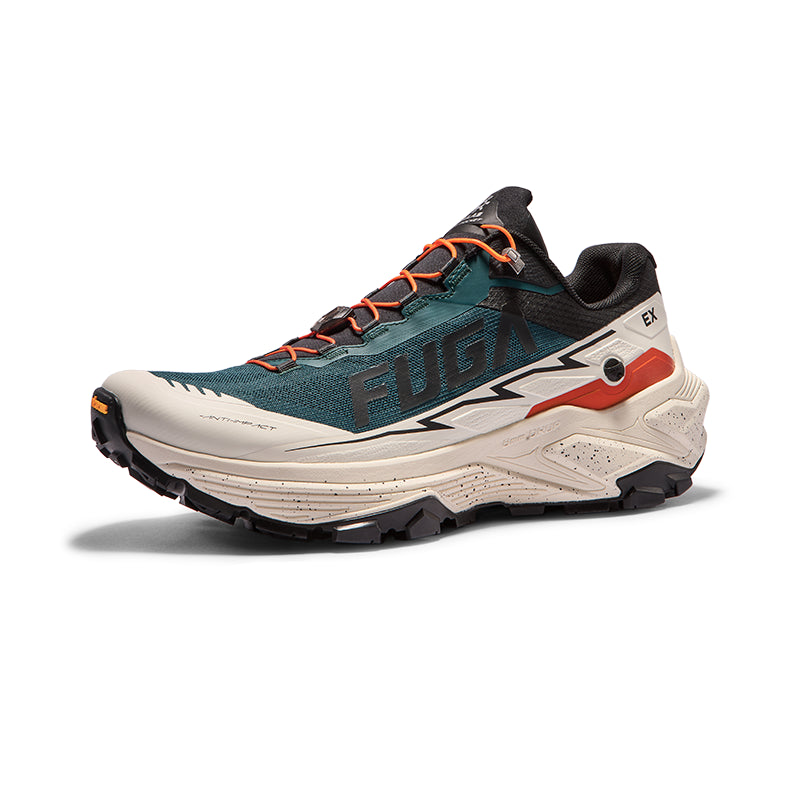
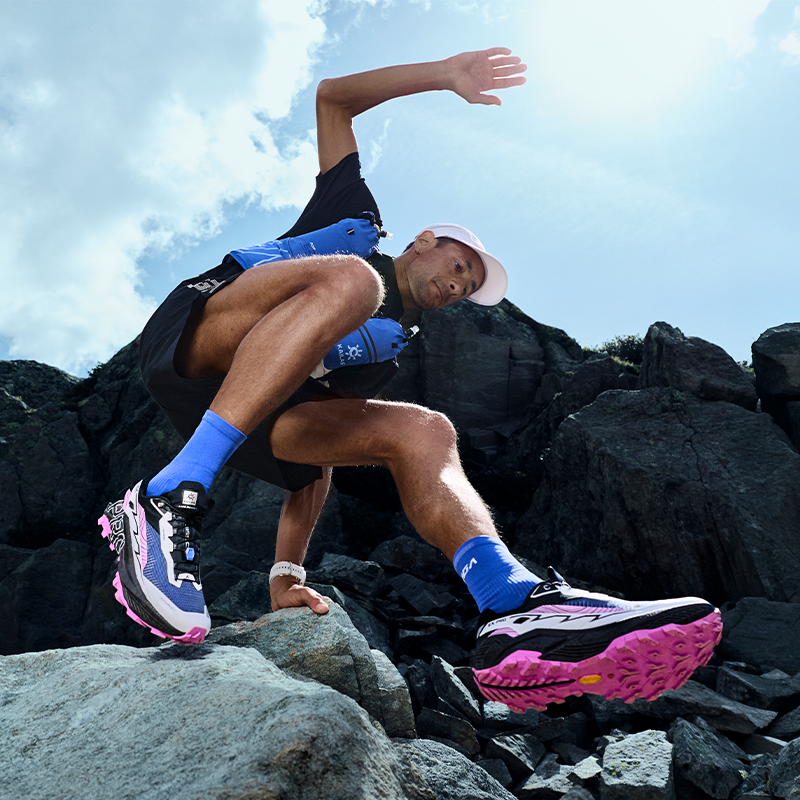
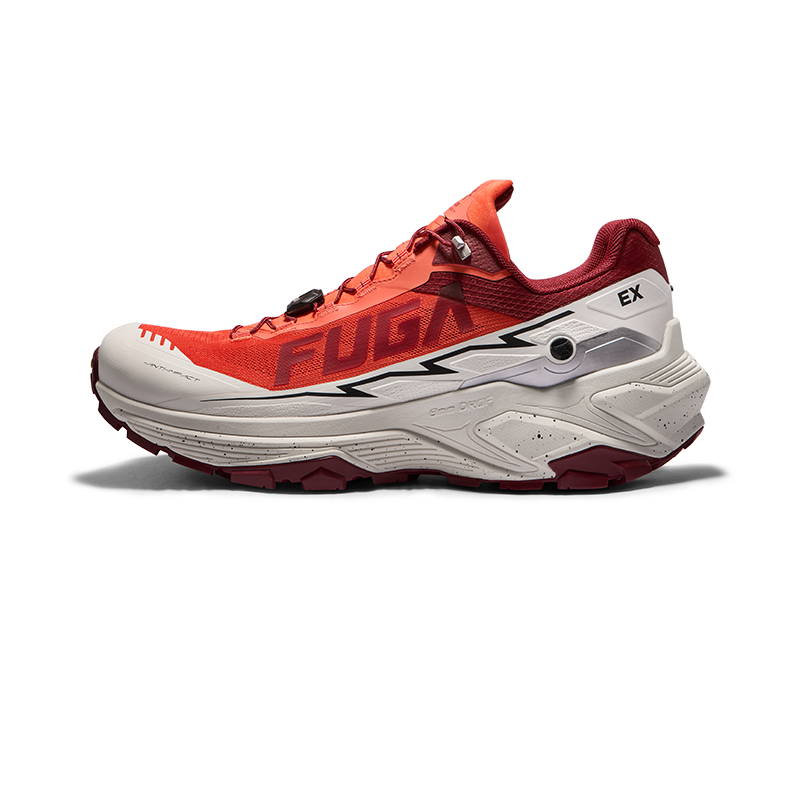
I migliori KAILAS FUGA Scarpe da trail running per fango
Per affrontare quel tipo di terreno, hai bisogno di una presa eccezionale. Le KAILAS
EX3 per percorsi misti bagnati
Le corse estive spesso riservano più sorprese di quanto ci si aspetti. Si può iniziare su sentieri di ghiaia asciutta, per poi addentrarsi in boschi ombrosi dove, dopo una recente pioggia, si nascondono ancora chiazze fangose, radici umide e rocce bagnate. KAILAS
EX330 per lunghe distanze nel fango
Progettato specificamente per le sfide di ultra-resistenza, il KAILAS
DU 2 per terreni misti e ripidi
Quando l'altitudine aumenta e il terreno diventa tecnico, il KAILAS
DU 2 GTX per corse in condizioni di pioggia
Per quei giorni freddi e piovosi in cui è garantito che sguazzerai in pozzanghere ghiacciate e sull'erba inzuppata, il KAILAS
DU MONSTER per Deep Mud
Quando il sentiero si dissolve in una melma profonda, densa e alta fino alle caviglie, niente funziona come il KAILAS
Cosa rende una buona aderenza sul fango
Scegliete una scarpa dalla suola, non dall'aspetto. Le vere prestazioni nel fango dipendono da tre fattori che lavorano in sinergia.
Tacchetti profondi per terreni morbidi
Per avere aderenza su un sentiero fangoso, la suola deve funzionare come uno pneumatico da fuoristrada. I tasselli profondi dai 6 agli 8 mm sono essenziali: penetrano nello strato superficiale bagnato e si aggrappano al terreno più solido sottostante.
Ampia spaziatura dei tasselli per facilitare lo scarico del fango.
I tasselli profondi non servono a nulla se si intasano. L'ampio spazio tra di essi permette alla suola di flettersi e disperdere il fango a ogni passo, mantenendo la presa pulita.
funziona correttamente in ogni sua parte.
Tacchetti direzionali per salite e discese
Una vera scarpa da fango non si limita ad avere lo stesso battistrada su tutta la superficie. La parte anteriore presenta tasselli a V rivolti in avanti che offrono una maggiore aderenza in salita. Il tallone, invece, ha tasselli rivolti all'indietro che fungono da ancoraggio, impedendoti di scivolare nelle discese ripide e fangose.
Caratteristiche principali della suola da confrontare
I tasselli determinano la presa sul fango. Ma la forma della gomma e della piattaforma determinano come affronti tutto il resto.
Mescola di gomma per superfici bagnate
La gomma dura scivola sul legno e sulla roccia bagnati. Le mescole più morbide e appiccicose offrono una maggiore aderenza, formando un legame microscopico con le superfici lisce. Ecco perché una gomma di alta qualità come Vibram Megagrip fa davvero la differenza.Puoi passare dal fango profondo a un ponte pedonale bagnato o a un passaggio di pietra scivoloso senza perdere la sicurezza.
Copertura completa per terreni misti
Alcune scarpe leggere lasciano parti di schiuma esposte per ridurre il peso. Ma per la corsa nel fango, è preferibile una suola completamente ricoperta di gomma. Questo impedisce a rocce appuntite e radici di causare danni e garantisce che la gomma sia sempre a contatto con il terreno, indipendentemente dall'angolazione di atterraggio.
Piattaforma stabile per sentieri fangosi
Una base sagomata leggermente più ampia impedisce alla caviglia di ruotare quando il terreno si muove sotto di te. Una piattaforma stabile e calzata corretta delle scarpe da trail Mantieni il piede in posizione orizzontale anche quando la scarpa affonda nel fango irregolare, in modo da rimanere stabile a ogni passo.

Come la forma fisica influisce sul controllo su sentieri fangosi
Anche la suola più aggressiva è inutile se il piede scivola all'interno della scarpa. Una calzata precisa e sicura è assolutamente fondamentale quando si affrontano terreni fangosi e ad alto rischio.
Presa sicura per i talloni nei tratti più ripidi
Il fango denso può far scivolare via una scarpa allentata. Una talloniera aderente e sagomata blocca il tallone in posizione, impedisce che si sollevi e ti protegge dalle vesciche quando affronti salite ripide.
Mesopiede bloccato per una maggiore stabilità
Per evitare torsioni laterali, il piede deve essere perfettamente integrato con la struttura della scarpa. I sistemi di allacciatura di alta qualità, come il sistema a doppia rotella o a sgancio rapido presente sui modelli specifici per il trail running, avvolgono delicatamente il collo del piede per eliminare i movimenti interni e offrire un controllo totale.
Tomaia protettiva per sentieri bagnati
Il fango è spesso carico di sabbia e detriti che possono corrodere la rete leggera. Una tomaia robusta con tessuto anti-detriti a trama fitta e rinforzi in TPU mantiene fango e ramoscelli all'esterno, proteggendo i piedi e prolungando la durata delle scarpe.
FAQ
Qual è la profondità ideale dei tasselli per i sentieri fangosi?
Una profondità dei tasselli compresa tra 6 e 8 mm è ideale per i sentieri fangosi. Questa profondità permette alla scarpa di penetrare nello strato superficiale morbido e di trovare una trazione sicura nel terreno più compatto sottostante, senza risultare eccessivamente instabile nei tratti occasionalmente duri.
Le scarpe impermeabili sono più adatte alla corsa nel fango?
Impermeabile scarpe da trail running Sono ottime per il fango freddo e poco profondo e per le giornate piovose perché mantengono i piedi completamente asciutti e caldi. Tuttavia, se si corre in paludi profonde dove l'acqua rischia di superare il collo della caviglia, potrebbero essere preferibili scarpe non impermeabili ma a rapido drenaggio per evitare che l'acqua si accumuli all'interno.
Si possono usare le scarpe da fango sui sentieri asciutti?
Sì, le scarpe da fango possono essere usate su sentieri asciutti, ma i loro tasselli morbidi e profondi si consumeranno molto più velocemente su terreni compatti. Inoltre, offrono una minore superficie di contatto, il che può renderle un po' rigide o instabili su singletrack duri e asciutti.
Cosa conta di più, la presa o l'ammortizzazione?
Quando si corre nel fango puro, l'aderenza è più importante dell'ammortizzazione, perché senza trazione non è possibile mantenere lo slancio in avanti né rimanere al sicuro. Sebbene l'ammortizzazione sia ottima per il comfort sulle lunghe distanze, il fango morbido stesso assorbe naturalmente gli urti, rendendo la suola aggressiva la priorità principale.
Conclusione
Sentieri bagnati e fangosi non significano necessariamente una corsa lenta e incerta.Scegliere Kailas