






Qual è una buona cadenza per la corsa: guida al ritmo del trail running
Che tu stia affrontando un sentiero tecnico e fangoso in Galles o correndo lungo i sentieri boschivi locali, trovare il ritmo giusto è fondamentale per essere efficienti e coprire la distanza. I corridori su strada tendono a ossessionarsi con un'andatura costante e uniforme. Il trail running è diverso. Ci sono salite ripide, ghiaia, radici affioranti, fango instabile: tutto ciò richiede un approccio molto più flessibile alla falcata. Al centro di questa adattabilità c'è la cadenza. Se la trovi giusta, trasformerà la tua corsa fuoristrada. Se è sbagliata, ti rallenterà.
Questa guida analizza l'importanza della cadenza quando si pedala fuori strada, che si tratti delle dolci colline del South Downs o delle impervie cime delle Highlands scozzesi. Spiegheremo cos'è effettivamente la cadenza, in cosa si differenzia dalla lunghezza della falcata e perché la vecchia regola dei 180 SPM non è più valida sui sentieri.
Che cosa significa la cadenza di corsa per i trail runner?
Per correre bene sui sentieri, devi imparare a percepire il contatto dei tuoi piedi con il terreno. La cadenza è ciò che ti mantiene in equilibrio, ti aiuta ad adattarti ai terreni irregolari e ti permette di continuare a correre fluidamente anche sui tratti più accidentati.
Definizione di cadenza di corsa: passi al minuto
Corsa su sentiero La cadenza è il numero di passi che fai al minuto. Se ogni piede tocca terra 80 volte al minuto, la tua cadenza è di 160. Pur essendo una misura semplice, può fornire utili indicazioni sull'efficienza della tua corsa.
Cadenza vs. lunghezza del passo
La tua velocità si riduce a una semplice equazione: cadenza per lunghezza della falcata. La lunghezza della falcata è semplicemente la distanza tra un appoggio del piede e l'altro dello stesso piede. Su strada, puoi impostare entrambi i parametri e ottenere tempi costanti. Sui sentieri, invece, è un continuo compromesso: devi costantemente bilanciare l'uno con l'altro e, il più delle volte, accorcerai la falcata per mantenere l'equilibrio.
Perché la cadenza di camminata cambia a seconda del terreno
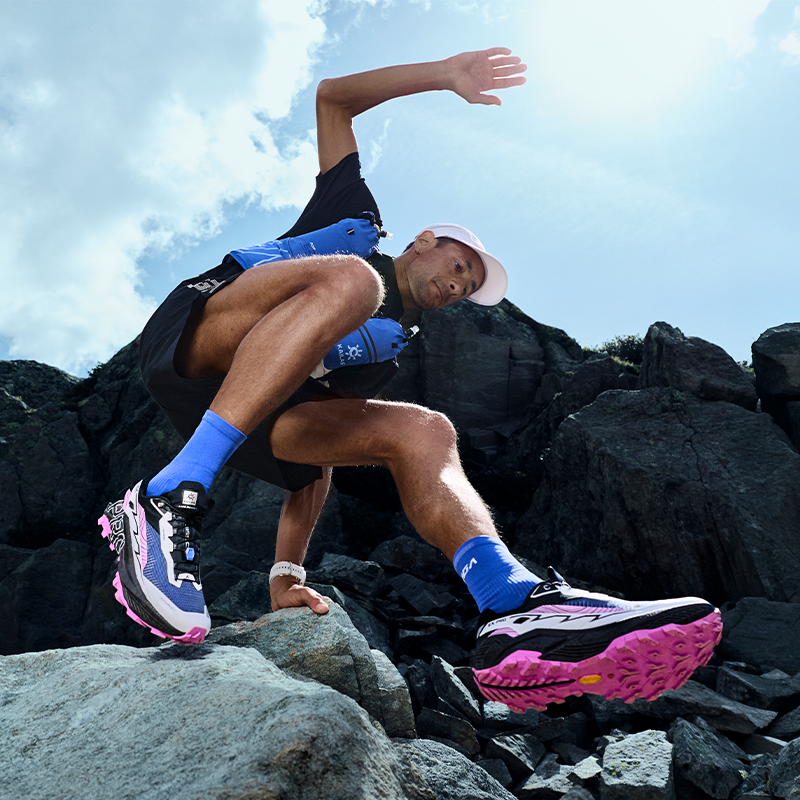
A differenza dell'asfalto pianeggiante, i sentieri britannici sono meravigliosamente imprevedibili, quindi una cadenza fissa semplicemente non funziona. Affrontando una ripida salita rocciosa nel Lake District, la falcata generalmente si accorcia, mentre la cadenza può aumentare o rimanere costante a seconda della pendenza. Scendendo lungo un'ampia distesa erbosa, si allarga completamente il passo e il ritmo cambia totalmente, mentre si cerca di trovare un equilibrio tra velocità e controllo.

Qual è una buona cadenza per la corsa?
Molti corridori sono ossessionati dalla ricerca della cadenza "perfetta". Sui sentieri, però, non esiste un numero magico. Ciò che funziona su strada spesso deve essere adattato quando il terreno si fa accidentato.
Una buona cadenza dipende dal corridore
Non esiste una cadenza universale. La maggior parte dei corridori amatoriali si attesta generalmente tra i 155 e i 180 passi al minuto (SPM), a seconda del ritmo, del terreno e dell'esperienza, ma questo non significa che si debba necessariamente puntare a un numero specifico. La cadenza migliore è solitamente quella che risulta comoda e sostenibile per il proprio stile di corsa.
Perché 180 SPM è solo un valore di riferimento
Il parametro di riferimento spesso citato di 180 passi al minuto (SPM) deriva dalle osservazioni dell'allenatore Jack Daniels sui corridori di fondo d'élite e non è mai stato concepito come un obiettivo universale per tutti i corridori, quindi non è mai stato pensato per tutti noi che ci avventuriamo sui sentieri. Aspettarsi di mantenere una cadenza fissa di 180 passi al minuto mentre si affronta il fango scivoloso britannico, ci si infila tra i cancelli e si rimbalza su singletrack tecnici non è realistico. Consideratelo come una linea guida approssimativa, non come una regola da seguire alla lettera.
Il terreno del sentiero influenza la cadenza ideale
Ciò che distingue davvero un buon trail runner è una cadenza che si adatta al terreno sotto i piedi. Su un sentiero liscio e compatto, potresti correre tranquillamente a 175 passi al minuto. Ma se incontri un tratto insidioso con radici bagnate e avvallamenti fangosi, i tuoi passi si accorceranno e accelereranno naturalmente per mantenerti stabile e in controllo.
In che modo la cadenza influisce sulla tecnica di corsa in sentiero?
La cadenza della corsa influisce direttamente sulla postura, sul carico che grava sulle articolazioni e sulla gestione dell'energia durante la corsa. Modificare il numero di passi al minuto può davvero cambiare l'efficienza con cui il corpo lavora durante il movimento.
Passo eccessivo e forza frenante
Una cadenza più bassa spesso ti porta ad allungare troppo il piede anteriore – un'andatura eccessiva, detta anche "falcata lunga" – è una cattiva abitudine. Quando il tallone tocca terra molto prima dei fianchi, si crea una forza frenante brusca che si propaga lungo le gambe. Su sentieri ondulati, questa frenata costante è come guidare con il freno a mano tirato: interrompe lo slancio e sottopone le articolazioni a un forte stress.
Posizionamento del piede sotto il corpo
Insieme al regolare esercizi di corsa, Aumentando la cadenza, il piede atterrerà naturalmente sotto il corpo, dove dovrebbe essere. Questo migliore allineamento riduce l'impatto sulle articolazioni e ti aiuta a spingere in avanti in modo più efficiente. Atterra con il corpo allineato – fianchi sopra ginocchia sopra caviglie – e questi agiranno come veri e propri ammortizzatori, che è esattamente ciò di cui hai bisogno su terreni irregolari e instabili.
Rimbalzo verticale e spreco di energia
Una cadenza lenta e pesante tende a farti sobbalzare invece di avanzare. Questo movimento verticale spreca energia combattendo la forza di gravità e rende anche l'atterraggio più duro. Una cadenza più rapida e decisa ti mantiene basso sul terreno, in modo che lo sforzo si concentri sulla spinta in avanti, esattamente dove vuoi sui sentieri.
La forma cambia con l'aumentare della fatica.
Con l'aumentare dei chilometri percorsi, che si tratti di un'ultramaratona o di una lunga corsa nel fine settimana, la fatica inizia a intaccare la tecnica di corsa. La cadenza tende a diminuire, le falcate si allungano e diventano più pesanti. È importante accorgersi di questo calo di ritmo, perché con la stanchezza, la cadenza si riduce e la postura peggiora, sviluppando schemi motori inefficienti che possono aumentare il rischio di infortuni. Impegnarsi consapevolmente a mantenere una rapida rotazione dei piedi nella parte finale della corsa può essere di grande aiuto per proteggere muscoli e articolazioni affaticati.

In che modo le scarpe da trail running favoriscono un migliore controllo della cadenza?
Sebbene la tecnica sia fondamentale, le scarpe da trail running giuste possono rendere molto più facile mantenere una cadenza efficiente. Una buona aderenza, un appoggio stabile, un'ammortizzazione reattiva e una calzata sicura ti aiutano a muoverti con sicurezza su terreni irregolari.
Scarpe da trail per un appoggio stabile del piede
Mantenere una cadenza precisa in fuoristrada richiede molto più che contare i passi; necessita di un'aderenza eccezionale, una stabilità assoluta del piede, un'ammortizzazione reattiva e un bloccaggio affidabile durante le discese ripide. Quando i piedi si sentono sicuri, si mantiene naturalmente un ritmo più costante ed efficiente. Per gestire al meglio queste diverse esigenze, è fondamentale avere la scarpa giusta, adatta al terreno specifico.
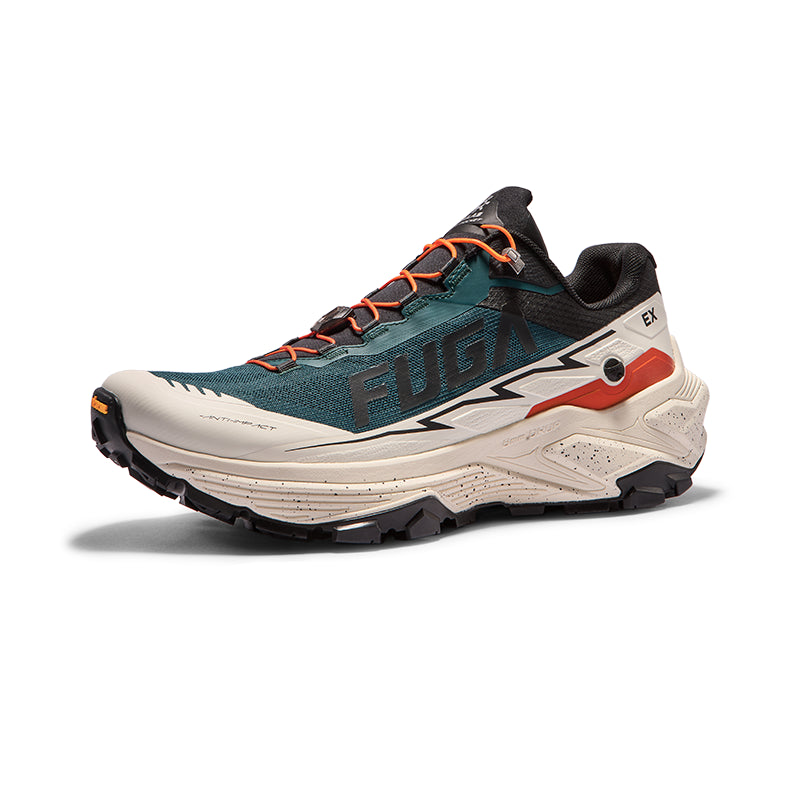
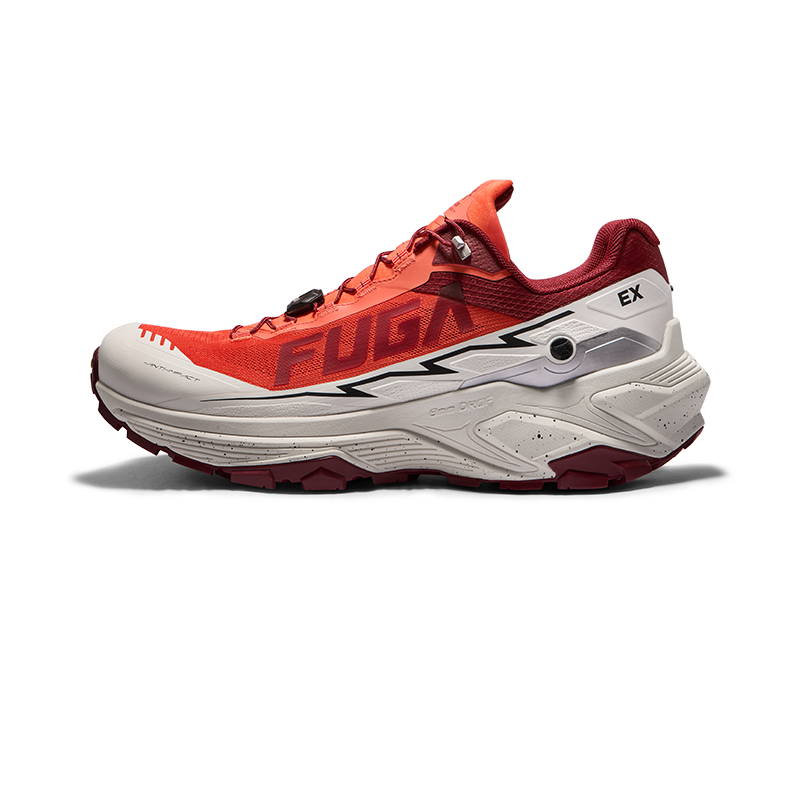
Per i corridori che affrontano terreni ampi e misti su ultra-distanze, il Kailas
D'altra parte, se ti trovi regolarmente ad affrontare superfici scivolose e bagnate, singletrack tecnici o bruschi cambiamenti di altitudine, il Kailas
Aderenza sui tratti tecnici del sentiero
Una buona cadenza inizia con una buona aderenza. Una suola in gomma resistente e tasselli ben progettati ti aiutano a mantenere la sicurezza su sentieri fangosi, rocce bagnate e terreni sconnessi, facilitando il mantenimento di un ritmo costante anche quando il terreno si fa impegnativo.
Ammortizzazione per ritmi a lunga distanza
Mantenere una cadenza costante sulle lunghe distanze non è solo una questione di allenamento. Scarpe con un'adeguata ammortizzazione aiutano a ridurre la fatica, mentre un'intersuola reattiva può rendere la corsa più fluida ed efficiente, soprattutto negli ultimi chilometri.
Blocco per il controllo della discesa
Per affrontare discese tecniche a tutta velocità serve una scarpa che blocchi il piede in posizione, impedendogli di scivolare in avanti verso la punta. Un buon sistema di allacciatura avvolgente o a rotella mantiene il tallone ben saldo, offrendoti la stabilità necessaria per correre con una cadenza rapida e controllata e per affrontare discese ripide in sicurezza, senza perdere l'equilibrio.
Come si può migliorare la cadenza di corsa in modo sicuro?
Non cercare di cambiare la tua cadenza da un giorno all'altro. Piccoli aggiustamenti graduali sono più facili da mantenere e danno al tuo corpo il tempo di adattarsi a un ritmo di corsa diverso.
Misurare la cadenza su diversi tipi di terreno
Prima di iniziare a modificare le tue abitudini di pedalata, stabilisci un punto di riferimento preciso. Monitora la tua cadenza su diversi tipi di terreno – percorsi pianeggianti, salite ripide, discese scorrevoli – utilizzando un buon orologio sportivo. Annota la tua media di passi al minuto (SPM) per ogni situazione. Devi sapere da dove parti prima di poter apportare modifiche significative.
Controlla la cadenza quando subentra la stanchezza.
È utile tenere d'occhio la cadenza durante gli ultimi chilometri di una corsa lunga, quando la fatica tende a farsi sentire. Se noti che diminuisce, cerca di rimanere rilassato e di mantenere una falcata compatta, evitando di allungarti eccessivamente a ogni passo.
Regolare la lunghezza del passo quando necessario.
Se vuoi aumentare la cadenza, dovrai accorciare leggermente la falcata per mantenere all'incirca la stessa velocità. Se provi ad aumentare la frequenza dei passi senza ridurre la lunghezza della falcata, finirai solo per correre a perdifiato e stancarti subito. Pensala come scalare marcia in macchina: movimenti più piccoli e rapidi ti danno un maggiore controllo.
Aggiungi esercizi a cadenza breve
Invece di cercare di cambiare tutto dall'oggi al domani, inserisci brevi esercizi di cadenza nella tua routine. Prova ad aggiungere da quattro a sei allunghi alla fine di una corsa leggera: brevi scatti di 30 secondi su un sentiero pianeggiante, concentrandoti solo su una falcata rapida e fluida. Col tempo, queste sessioni svilupperanno la memoria muscolare necessaria, così una cadenza più veloce diventerà naturale.
FAQ
I principianti dovrebbero concentrarsi prima sulla cadenza o sulla distanza?
Inizia con una cadenza comoda e una buona tecnica prima di macinare chilometri.Acquisire fin da subito un ritmo di passo rapido ed efficiente impedisce l'instaurarsi di cattive abitudini come la falcata troppo lunga, il che a sua volta aiuta a prevenire i comuni infortuni da sovraccarico man mano che la distanza settimanale percorsa aumenta.
Le modifiche alla cadenza di pedalata possono alleviare il fastidio al ginocchio?
Sì, può fare davvero la differenza. Aumentare la cadenza spesso incoraggia i piedi ad appoggiare più vicino al corpo, riducendo le forze frenanti e migliorando la meccanica della corsa. La ricerca suggerisce che un modesto aumento della cadenza può ridurre il carico sul ginocchio, aumentando leggermente il contributo della muscolatura della caviglia e dell'anca.
I corridori più alti hanno naturalmente una cadenza di corsa inferiore?
In generale, sì. I corridori più alti spesso, anche se non sempre, corrono con una cadenza leggermente inferiore perché percorrono una distanza maggiore a ogni passo rispetto ai corridori più bassi, pur mantenendo la stessa velocità.
Un orologio da corsa può misurare la cadenza con precisione?
Gli orologi moderni svolgono un ottimo lavoro utilizzando accelerometri integrati che tracciano i movimenti del polso. Per una precisione assoluta, soprattutto sui sentieri tecnici dove il movimento delle braccia potrebbe essere un po' irregolare, abbinare l'orologio a una fascia toracica o a un sensore da piede fornisce dati di cadenza più costanti e precisi.
La cadenza di corsa deve rimanere costante durante le lunghe corse su sentiero?
No, dovrebbe variare e adattarsi al cambiamento del terreno. Cercare di mantenere una cadenza rigida su salite, fango e tratti tecnici non ha senso e va contro il ritmo naturale della corsa fuoristrada.
Conclusione
Padroneggiare la cadenza di corsa su sentiero significa costruire una connessione fluida e reattiva con il terreno sotto i tuoi piedi. Dimentica di inseguire uno standard rigido come i 180 passi al minuto. Concentrati invece sullo sviluppo di una gamma di ritmi adattabili. Passi più corti e veloci riducono l'impatto sulle articolazioni, ti aiutano a mantenere la postura corretta quando subentra la fatica e ti offrono maggiore equilibrio e agilità su terreni difficili.
Abbina questa consapevolezza a calzature di qualità, progettate appositamente, come le Kailas