






Piano di allenamento per il trail running: guida alla gara 10K e 15K
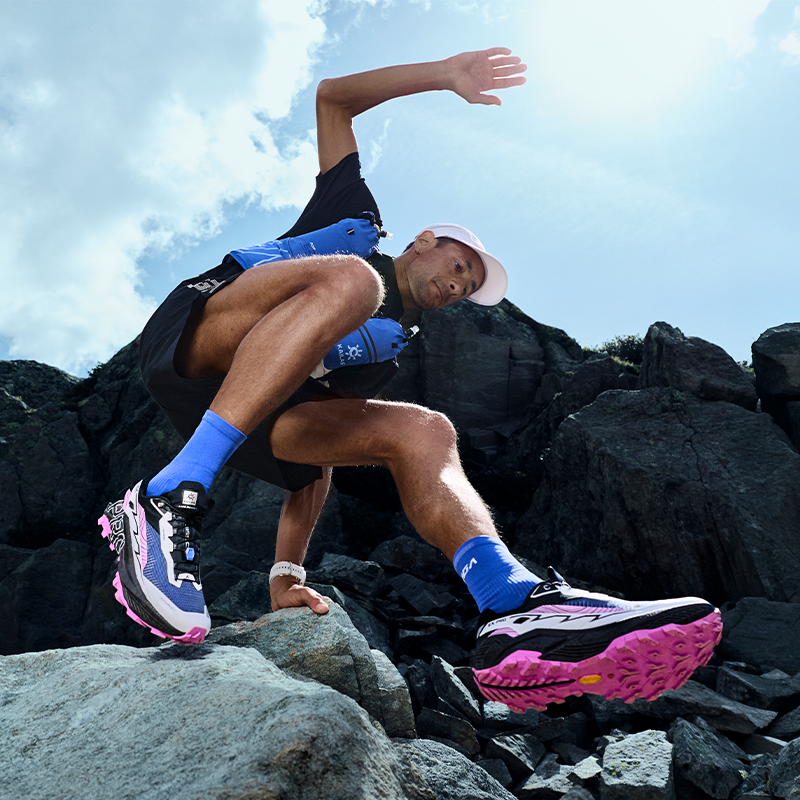
Il trail running richiede un tipo di preparazione diverso rispetto alle gare su strada. Il terreno irregolare, i dislivelli e gli sforzi prolungati sottopongono muscoli e articolazioni a maggiore stress. Un programma di allenamento strutturato aiuta a sviluppare la resistenza, migliorare la stabilità e ridurre il rischio di infortuni, soprattutto in preparazione di gare di trail running di 10 e 15 km.
Cosa fare prima e dopo una corsa in sentiero?
Preparazione e recupero sono elementi chiave dell'allenamento per il trail running. Ciò che fai prima di una corsa influisce sulle prestazioni del tuo corpo su terreni irregolari, mentre le routine post-corsa aiutano a ridurre la fatica e a favorire i progressi a lungo termine. Abitudini costanti in termini di riscaldamento e recupero rendono l'allenamento più efficace e sostenibile.
Esercizi di riscaldamento per attivare i muscoli prima della corsa
Un riscaldamento adeguato prepara il corpo alle esigenze di corsa su sentiero. Movimenti dinamici come oscillazioni delle gambe, affondi e corsa leggera contribuiscono ad aumentare il flusso sanguigno e ad attivare i principali gruppi muscolari. Questo migliora la coordinazione e riduce il rischio di infortuni quando si passa a terreni irregolari o tecnici.
Stretching statico post-corsa per flessibilità e recupero muscolare
Dopo una corsa, i muscoli sono spesso tesi a causa dei ripetuti impatti e dei cambiamenti di altitudine. Lo stretching statico aiuta a rilasciare la tensione e a migliorare la flessibilità nel tempo. Concentrarsi su aree come polpacci, ischiocrurali e fianchi può favorire il recupero e facilitare il mantenimento della mobilità articolare per le corse future.
Esercizi di mobilità e utilizzo del rullo in schiuma per favorire il recupero.
Gli esercizi di mobilità e l'utilizzo del rullo in schiuma aiutano a ridurre la rigidità muscolare e a migliorare la qualità del movimento.
Semplici esercizi di mobilità come oscillazioni delle gambe, circonduzioni delle anche e stretching dinamico possono migliorare l'ampiezza di movimento delle articolazioni e il controllo generale del movimento. L'utilizzo delicato del rullo in schiuma aiuta a sciogliere le zone muscolari contratte e a migliorare la circolazione sanguigna, favorendo un recupero più rapido e riducendo l'indolenzimento muscolare dopo l'allenamento.

Come creare un piano di allenamento per principianti di trail running
Creare un programma di allenamento per principianti nel trail running significa innanzitutto puntare sulla semplicità e sul realismo. Il trail running è diverso dalla corsa su strada: prevede terreni irregolari, salite e superfici variabili, quindi il corpo ha bisogno di tempo per adattarsi. Iniziate fissando un obiettivo chiaro, come ad esempio completare una gara di trail running di 10 o 15 km, e poi pianificate l'allenamento di conseguenza.
Piano di allenamento per la corsa su sentiero di 10 km
Una corsa di 10 km su sentiero è ideale per i principianti che si avvicinano al trail running o che passano dalla corsa su strada a questa disciplina. Un programma di allenamento di 8 settimane è solitamente sufficiente per prepararsi a questa distanza.
Struttura settimanale:
-
1 corsa lunga: Inizia con 4-5 km e aumenta gradualmente fino a 9-10 km
-
1 corsa continua: Sforzo moderato per migliorare la resistenza
-
1 corsa facile: Sforzo ridotto per il recupero
-
1 sessione facoltativa in collina o su sentiero
Concentrati sull'efficienza della corsa sui sentieri, accorciando la falcata, controllando la velocità in discesa e mantenendo l'equilibrio. Corri in base allo sforzo, non al ritmo, soprattutto su terreni irregolari.
Se sei completamente nuovo al trail running, iniziare con una 10 km è spesso la scelta migliore. Ti permette di acquisire sicurezza e adattarti alle condizioni del sentiero prima di passare a distanze più lunghe come una 15 km.
Piano di allenamento per la corsa su sentiero di 15 km
Una gara di trail running di 15 km è un ottimo passo successivo per i principianti con un po' di esperienza di corsa. Un programma tipico dura dalle 8 alle 10 settimane e si concentra sullo sviluppo della resistenza e della sicurezza sui sentieri.
Ogni settimana dovrebbe includere:
-
1 corsa lunga: Aumentare gradualmente da 6-8 km fino a 13-14 km
-
1 allenamento in salita: Brevi ripetute in salita per sviluppare la forza
-
Da 1 a 2 corse facili: Ritmo confortevole per migliorare la forma fisica aerobica.
-
Allenamento incrociato facoltativo: Escursionismo o allenamento di forza
Una semplice struttura settimanale potrebbe essere questa: una corsa leggera, un giorno di riposo, una sessione in salita, un altro giorno di riposo, una corsa leggera, una corsa lunga e un giorno di riposo completo.
Con l'avvicinarsi del giorno della gara, cerca di allenarti su terreni simili al percorso. Scegli sentieri adatti ai principianti, con dislivelli moderati e fondo stabile, per ridurre il rischio di infortuni. Nell'ultima settimana, riduci il chilometraggio per permettere al tuo corpo di recuperare e dare il massimo.
Panoramica del programma di allenamento di 8 settimane per la corsa su sentiero
Un programma di 8 settimane è un modo semplice ed efficace per prepararsi a una gara di trail running per principianti. L'obiettivo è aumentare gradualmente la distanza percorsa, garantendo al contempo un recupero adeguato.
| Intervallo settimanale | Messa a fuoco | Struttura settimanale | Suggerimenti chiave |
| Settimane 1 e 2 | Routine di costruzione | 3 corse a settimana: 2 corse facili (da 3 a 5 km), 1 corsa lunga (da 5 a 6 km) | Concentrati sulla costanza, mantieni un ritmo facile, impara a orientarti sui sentieri. |
| Settimane da 3 a 5 | Aumentare il chilometraggio e le colline | Da 3 a 4 corse a settimana: aggiungi 1 sessione in salita, corsa lunga (da 6 a 9 km) | Introduci le salite gradualmente, mantenendo uno sforzo costante |
| Settimane 6-7 | Allenamento di punta | 4 corse a settimana: corsa lunga (da 9 a 12 km), 1 corsa in salita o a ritmo sostenuto | Allenati su percorsi simili a quelli di gara, testa l'attrezzatura e acquisisci sicurezza. |
| Settimana 8 | Fase di scarico e preparazione alla gara | 2 o 3 corse brevi (da 3 a 5 km), riducono il volume di circa il 40-50%. | Dai priorità al riposo, mantieniti rilassato e preparati mentalmente |
Mantieni flessibile il tuo allenamento. Il meteo, il terreno e le sensazioni del tuo corpo possono influenzare le tue corse. Sii costante e concentrati sullo sviluppo della fiducia in te stesso piuttosto che sulla ricerca della prestazione perfetta.

Di quale attrezzatura hai bisogno per la tua prima gara di trail running?
Avere l'attrezzatura giusta può rendere la tua prima gara di trail running molto più comoda e piacevole. Non hai bisogno di molta attrezzatura, ma alcuni elementi chiave ti aiuteranno a correre in sicurezza, in modo efficiente ed evitare i comuni errori dei principianti.
Come scegliere le scarpe da trail running più adatte
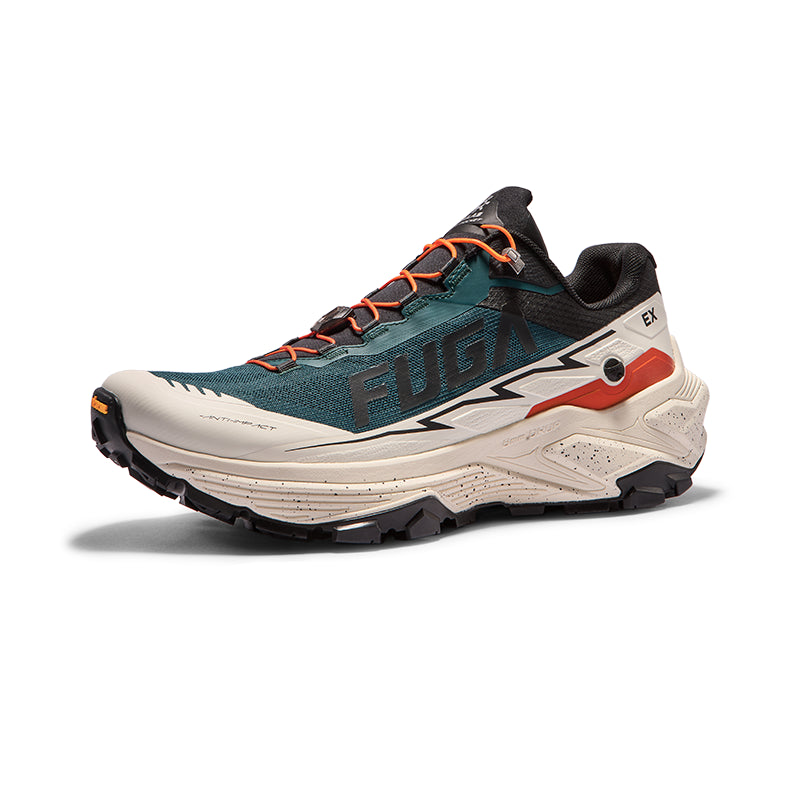
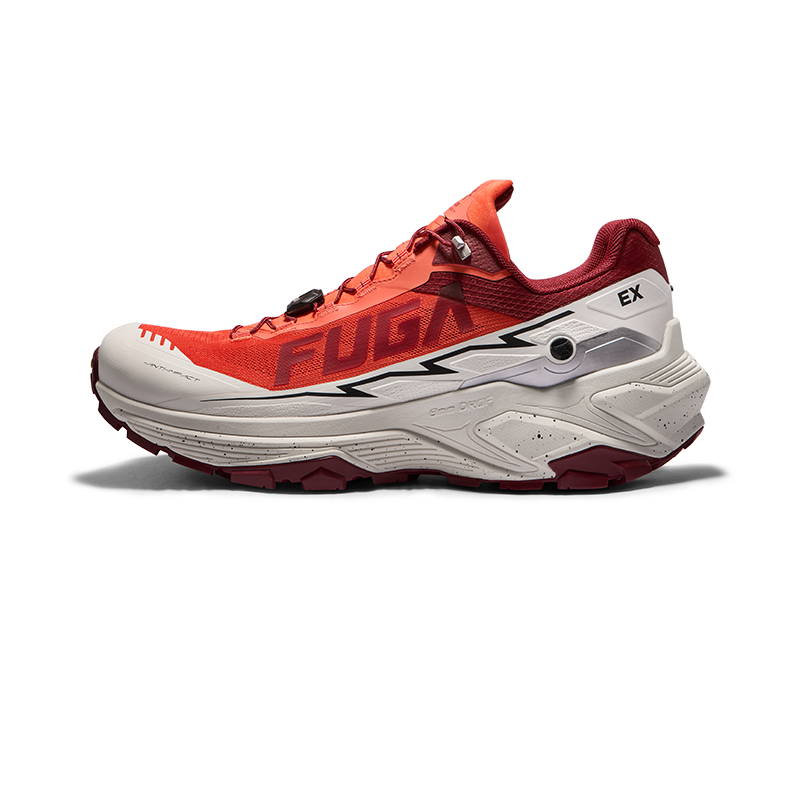
Le scarpe da trail running sono l'elemento più importante dell'equipaggiamento.A differenza delle scarpe da strada, sono progettate per affrontare terreni irregolari, ghiaia e superfici bagnate, quindi aderenza e stabilità sono fondamentali.
Per i principianti o per gli allenamenti giornalieri più brevi, la stabilità e la protezione dovrebbero venire prima di tutto. Kailas
Per le corse su sentieri di breve o media distanza o quando velocità ed efficienza sono la priorità, il Kailas
Abbigliamento traspirante per il massimo comfort
L'abbigliamento traspirante aiuta a mantenere il corpo asciutto e riduce gli sfregamenti durante le corse in montagna. Si consiglia di indossare tessuti leggeri e traspiranti che permettano di regolare la temperatura corporea.
Evita il cotone perché assorbe il sudore e rimane bagnato. Scegli tessuti tecnici che si asciugano rapidamente e migliorano il comfort durante le corse lunghe o in condizioni meteorologiche variabili.
Sistemi di idratazione per lunghe sessioni di allenamento su sentiero.
L'idratazione è essenziale per il trail running, soprattutto sui percorsi più lunghi senza accesso all'acqua. Le opzioni più comuni sono le borracce e i sistemi di idratazione. vests.Use Per le corse brevi, una borraccia da tenere in mano è l'ideale. Per le corse più lunghe, un gilet idratante è una scelta migliore perché permette di trasportare più acqua e integratori, mantenendo le mani libere e un movimento naturale.
IL Kailas
Come evitare infortuni durante l'allenamento di trail running
Evitare infortuni nel trail running dipende da un allenamento controllato, una progressione graduale e un adeguato recupero. Il terreno accidentato aumenta l'impatto e l'instabilità, sottoponendo articolazioni e muscoli a uno stress maggiore rispetto alla corsa su strada.
Rischi di infortunio comuni nel trail running
Gli infortuni più comuni nel trail running includono distorsioni alla caviglia, dolori al ginocchio e affaticamento muscolare. Il terreno irregolare, le superfici sconnesse e la corsa in discesa aumentano lo stress articolare e riducono la stabilità.
-
Distorsioni alla caviglia: si verificano spesso su sentieri tecnici con rocce o radici, dove il terreno è instabile.
-
Dolore al ginocchio: comunemente associato alla corsa in discesa e ai ripetuti impatti sulle articolazioni.
-
Affaticamento muscolare: si manifesta quando la distanza o l'intensità aumentano troppo rapidamente.
Passi più corti, una corsa controllata in discesa e un posizionamento preciso dei piedi contribuiscono a ridurre questi rischi.
Gestione del carico di allenamento e dei progressi settimanali
Il carico di allenamento dovrebbe aumentare gradualmente in modo che il corpo possa adattarsi allo stress nel tempo. Gli aumenti improvvisi di distanza o intensità sono una delle principali cause di infortunio. Una linea guida comune è quella di aumentare il chilometraggio settimanale di non più del 10%. Questo aiuta a mantenere progressi costanti senza sovraccaricare muscoli e articolazioni.
Per favorire questa progressione, bilancia il tuo programma settimanale intervallando le sessioni più intense con corse leggere. Gli allenamenti più impegnativi permettono al corpo di recuperare, mantenendo al contempo la costanza nell'allenamento.
Importanza del recupero e dei giorni di riposo
Il recupero favorisce la riparazione muscolare e riduce il rischio di infortuni da sovraccarico. Senza un riposo adeguato, la fatica si accumula e le prestazioni calano. I trail runner principianti dovrebbero includere almeno uno o due giorni di riposo a settimana. Attività leggere come camminare o esercizi di mobilità possono favorire il recupero senza aggiungere ulteriore stress.
Un recupero costante migliora la resistenza, riduce il rischio di infortuni e permette al corpo di gestire carichi di allenamento più elevati nel tempo.
FAQ
Quanto tempo ci vuole per allenarsi per una corsa in montagna?
La maggior parte dei principianti ha bisogno da 6 a 10 settimane Allenarsi per una corsa in montagna. La tempistica esatta dipende dal livello di forma fisica e dalla distanza: per una 10 km in genere ci vogliono circa 8 settimane, mentre per distanze maggiori è necessario un allenamento più graduale.
Qual è la distanza migliore per iniziare a praticare il trail running?
La distanza migliore per i principianti è 10.000. Offre una sfida sufficiente per sperimentare le condizioni del sentiero, pur rimanendo gestibile per sviluppare resistenza e sicurezza.
Come migliorare nella corsa in montagna?
Migliorare la corsa in salita richiede forza, ritmo e tecnica. L'allenamento in salita sviluppa la potenza, mentre la corsa controllata in discesa riduce l'impatto e contribuisce a migliorare l'efficienza nel tempo.
Conclusione
Un piano di allenamento ben strutturato è fondamentale per prepararsi a una gara di trail running di 10 o 15 km. Una progressione graduale, un allenamento costante e un recupero adeguato aiutano a sviluppare la resistenza riducendo al contempo il rischio di infortuni.
Seguendo il tuo piano e acquisendo esperienza, la tua corsa ti sembrerà più controllata ed efficiente. Scegliere la giusta distanza e gestire il carico di allenamento settimanale contribuiscono entrambi a un progresso costante, mentre un equipaggiamento affidabile, come il Kailas