






Running in Cold Weather: Essential Tips for Road and Trail Runners
Running in cold weather can be challenging. Freezing temperatures, icy surfaces and strong winds can make heading outdoors less appealing. However, with the right clothing and a few adjustments to your routine, you can continue training throughout the winter. Whether you're on neighborhood roads or snowy mountain trails, these tips will help you warm up, dress right, stay safe on slick surfaces and recover comfortably afterward.
How Does Running in Cold Weather Affect Your Body?
Cold weather does more than make you uncomfortable. Your muscles take longer to warm up, and breathing can feel tougher in dry winter air. Knowing how your body reacts helps you adjust your running routine.
Cold Temperatures Increase Muscle Stiffness and Reduce Flexibility
When temps drop into the 20s or 30s (°F), your body narrows blood vessels near the skin to keep your vital organs warm. Cold temperatures can reduce muscle temperature and make muscles feel stiffer, particularly before you've warmed up. Your legs may take longer to feel comfortable at your usual pace, so start with an easy effort and allow time for your body to adjust. Jumping straight into a fast pace raises the risk of strains or Achilles irritation, so easing through a slower first mile usually makes sense.
Cold Air Can Irritate the Airways and Affect Breathing
Winter air holds less moisture than warm summer air. Breathe deeply through your mouth and you pull cold, dry air straight into your airways, which can trigger irritation, chest tightness, coughing or "winter wheeze." These symptoms can hit runners who've never been diagnosed with exercise-induced asthma, too.
Low Temperatures Can Increase Physical Strain During Running
In cold conditions, your body uses energy to maintain its core temperature. If you become very cold and start shivering, this adds to the physical demands of the run. Wind, snow and bulky clothing can also make maintaining your usual pace more difficult. That's why a run that feels easy in October can feel noticeably harder in January.
Practical Tips on Running in the Cold for Winter Training
Cold weather doesn't mean you have to stop running, but a few tweaks to your usual routine can make winter training a lot more manageable. Start by checking the forecast, warming up properly and adjusting your pace.
Check Weather Conditions and Wind Chill Before Running
Temperature alone doesn't tell you much. A calm 25°F morning feels nothing like 25°F with a 20 mph wind, which can drop wind chill into the single digits. Before you head out, check wind speeds, precipitation and sunset times. On out-and-back routes, run into the wind first so it's at your back on the way home.
Warm Up Indoors Before Heading Outside
Warm up indoors for 5 to 8 minutes instead of standing outside waiting for your GPS watch to lock on. Leg swings, walking lunges, high knees and glute bridges get your body temperature up and loosen stiff joints. Aim to feel a little warm, not sweaty, before you head out the door.
Start Slowly and Gradually Increase Your Running Pace
Keep the first 10 to 15 minutes of your winter run easy. That gives your muscles time to warm up and lets your airways adjust to the cold. Hold off on faster intervals or hill repeats until your breathing and stride feel comfortable.
Adjust Your Training Intensity to Cold Weather Conditions
Snow-covered paths, black ice and strong winds aren't ideal for chasing PRs. When conditions are rough, focus on effort or heart rate instead of pace. You can also swap speed sessions for easier runs or move hard workouts onto a treadmill.
Maintain Hydration During Winter Runs
Cold weather can dull your thirst, but you still lose fluids through sweat and breathing. Drink up before you head out, and carry a bottle or electrolyte drink on longer runs. On freezing days, stash your bottle in a vest pocket so the valve doesn't freeze.
What to Wear for Running in Cold Weather
Figuring out what to wear for winter running takes some trial and error. Too few layers and you freeze, too many and you sweat through them. A good starting point is to dress as if it's 10°F to 20°F warmer than it actually is — lean toward the lower end for slower paces or windy days and adjust for precipitation. You should feel a little chilly at first, then comfortable once you're moving.
| Temperature Range | Base Layer (Torso) | Mid / Outer Layer | Bottoms & Accessories |
|---|---|---|---|
| 35°F–45°F (Cool) | Lightweight moisture-wicking long-sleeve shirt | Optional wind-resistant vest | Running tights or shorts, light gloves |
| 20°F–35°F (Cold) | Midweight synthetic or merino wool base layer | Breathable fleece or windproof shell | Thermal tights, gloves, headband or beanie |
| Below 20°F (Very Cold) | Heavyweight thermal base layer | Insulating fleece and windproof shell | Fleece-lined tights, windproof gloves, neck gaiter, warm beanie |
Dress in Layers to Regulate Body Temperature
A three-layer system lets you adjust as your body warms up or the trail changes. The base layer wicks sweat away, the mid-layer holds in heat, and the outer shell blocks wind and snow. Skip cotton since it soaks up moisture and loses most of its insulation once wet.
Choose Moisture-Wicking Base Layers to Keep Skin Dry
Staying dry is key to staying warm. Polyester, polypropylene and merino wool pull sweat off your skin, which helps you avoid that sudden chill when you slow down, stop at a crossing or hit an exposed stretch of trail.
Wear Insulating Fleece Jackets for Warmth During Winter Runs
A good winter mid-layer should keep you warm without restricting movement or trapping too much sweat. Heavy hoodies tend to hold moisture, while lightweight fleece may not do much against wind. For cold trail runs, the KAILAS FUGA AR Sports Warm Fleece Jacket strikes a more practical balance. Its stretchy POLARMATE fleece gives you breathable insulation and room to move, while hollow-yarn core panels and wind-resistant fabric help cut heat loss. The stand-up collar adds extra coverage around the neck, too.
Protect Your Hands, Head, and Feet from the Cold
Cold fingers make simple tasks like opening an energy gel or adjusting gear a pain. Wind-resistant gloves are a big help on exposed roads and trails. The KAILAS Windproof Trail Running Gloves pair a windproof fleece back with silicone-grip palms for handling poles or bottles. Touchscreen-friendly fingertips let you use your phone without pulling them off, and reflective details boost visibility. Finish the kit with a moisture-wicking beanie or headband and warm merino wool socks.

How to Stay Safe When Running in Cold Weather
Shorter days, icy surfaces, and unpredictable weather create additional risks during winter runs. Even familiar routes can become challenging after snowfall or freezing rain, so pay closer attention to visibility, footing, and trail conditions.
Improve Visibility During Winter Road Runs
In much of the U.S., the sun's down before 5 PM in December and January, so a lot of weekday runs happen in low light. Snowbanks can also narrow road shoulders and push you closer to traffic. Wear bright gear with reflective details, clip on a blinking LED light, and face oncoming traffic when there's no usable sidewalk.
Adjust Your Stride on Snowy and Icy Surfaces
On snowy or icy pavement, shorten your stride and take quicker, controlled steps. Landing closer to your center of gravity helps cut slipping. Look 10 to 15 feet ahead to spot hazards, and ease off before corners or downhills. If it's covered in black ice, pick another route, it's safer.
Adapt to Mud, Snow, and Frozen Trail Conditions
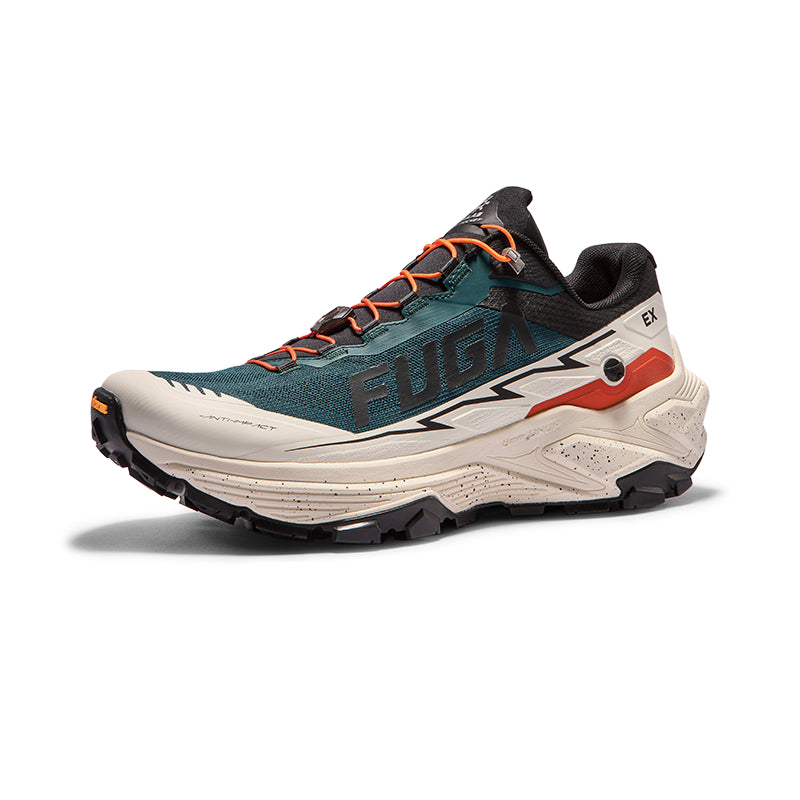
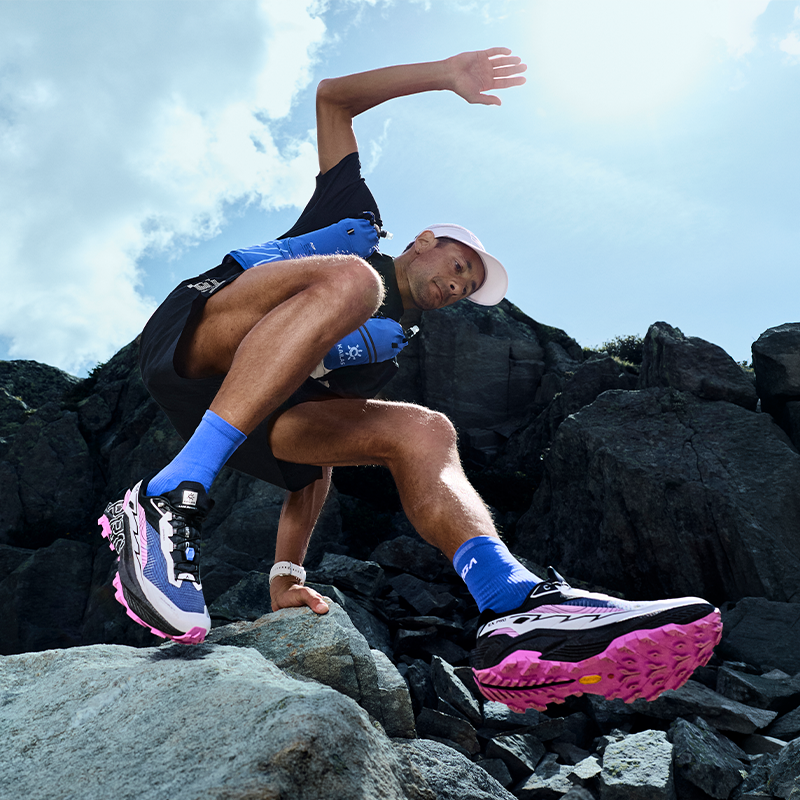
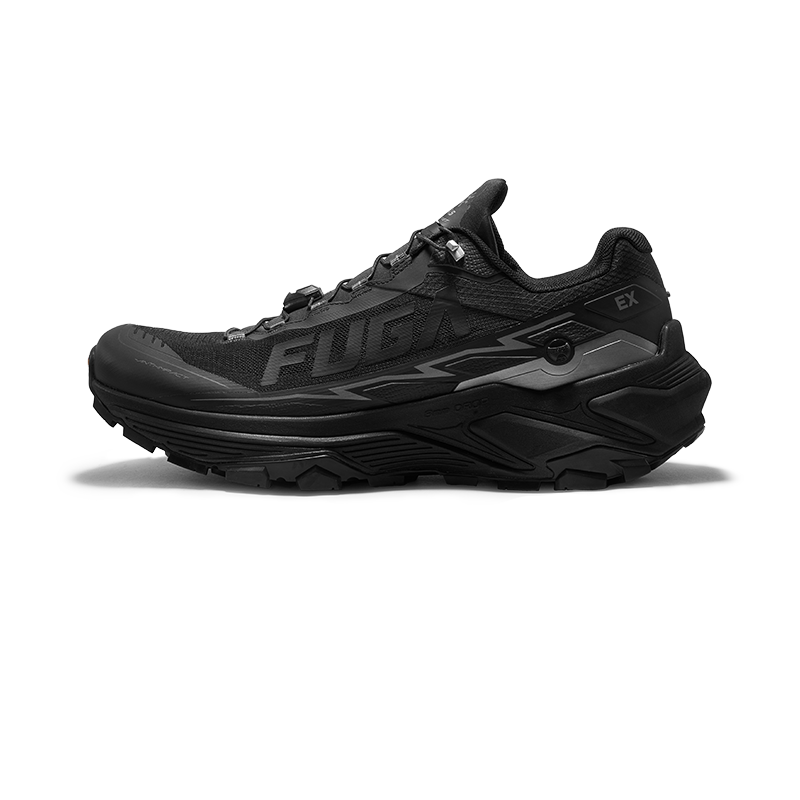
Winter trails throw mud, wet roots, packed snow and slick rocks at you all on the same run. Regular road shoes can struggle for grip and let moisture sneak in. For these conditions, the KAILAS FUGA EX 3 GTX pairs a waterproof, breathable GORE-TEX membrane with a Vibram Megagrip outsole. Wider forefoot and heel traction zones give you better grip on wet, uneven ground, and the cushioned ECCEVAI midsole supports longer runs.
Prefer quicker fit adjustments? The KAILAS FUGA EX 3 GTX BOA offers the same GORE-TEX protection and Vibram traction, but swaps traditional laces for a single-dial BOA Fit System. That makes it easier to dial in the fit without pulling off gloves or stopping to retie.
Note: If trails or roads are covered in solid ice rather than packed snow or mud, add removable traction cleats or microspikes over your shoes for reliable grip.
Plan Trail Routes Around Winter Weather and Daylight
Trail conditions can change quickly with elevation. When storms are possible, choose familiar, well-traveled routes with reliable cell coverage. Carry a charged phone in an inner pocket to protect its battery from the cold. For longer mountain runs, pack a headlamp and lightweight emergency blanket, even if you expect to finish before sunset.
How to Recover After Running in the Cold
Once you stop running, your body makes less heat, and damp clothes can leave you freezing fast. A gradual cooldown, dry clothes and proper refueling will help you recover more comfortably.
Cool Down Gradually After Your Run
Walk for 3 to 5 minutes after you finish to bring your heart rate down gradually. Instead of standing outside stretching in freezing wind, head inside and save static stretches until you're warm and dry.
Change Out of Wet Clothes to Prevent Further Heat Loss
Sweaty clothes cool you down fast once you stop moving. Swap out damp shirts, socks and other layers as soon as you can. If you're running from a trailhead, stash a dry towel and spare clothes in your car so you don't have to ride home cold.
Put on Warm Layers to Maintain Body Temperature
Once you're in dry clothes, throw on an insulating jacket to hold in heat while you stretch, rest or wait for a ride. Bulky winter coats aren't always easy to haul around, so a packable down jacket is a smart pick for post-run recovery. The KAILAS GT ZERO 900FP Goose Down Stand Collar Jacket packs 900 fill-power hydrophobic goose down for lightweight warmth. A high collar helps seal out drafts, and an inner pocket lets the whole thing pack down small when you're not wearing it.
Rehydrate and Refuel to Support Muscle Recovery
Rehydrate with water, warm tea or an electrolyte drink. After a hard run, eat a meal or snack with carbs and protein to refill your energy and help your muscles recover. Oatmeal with peanut butter and berries, or eggs on whole-grain toast, are easy go-tos.
Conclusion
Winter running gets a lot easier once you figure out how to dress, adjust your pace and handle changing conditions. New to cold-weather running? Start with shorter, easier runs and build up from there. Check the forecast, pick routes with safe footing and don't force your usual pace when conditions are rough. With the right prep, you can keep enjoying road and trail running all winter.
FAQ
Should You Run Slower in Cold Weather?
Yeah, it usually makes sense to slow down when it's freezing or snowy. Cold muscles, extra layers and slick footing make your usual pace harder to hold. Go by effort or heart rate, not by trying to match your warm-weather splits.
How Do You Breathe When Running in Cold Weather?
Just breathe normally, and maybe pull a lightweight neck gaiter over your mouth and nose. Breathing through your nose when you can, or through fabric, warms and humidifies the cold air before it hits your airways.
What Temperature Is Too Cold to Run Outside?
There's no one safe number for everyone. Some experienced runners who dress right can handle temps around 0°F, but wind chills of -15°F to -20°F really raise the frostbite risk. Think about moving indoors when it gets extreme, especially if you have breathing or heart issues.
What Are the Warning Signs of Hypothermia and Frostbite During a Run?
Hypothermia can bring on uncontrollable shivering, confusion, slurred speech, clumsiness and unusual fatigue. Frostbite may start with numbness, tingling, or skin that looks pale and waxy. If any of that shows up, stop running, get shelter and get medical help.