








Night Running: How to Run at Night Safely with the Right Gear
For many runners, evening is the only time that fits around work, family or other plans. The familiar route can feel different after dark, though: cracks and roots are harder to see, and drivers may not notice you until they’re close. A little planning goes a long way. Once you dial in a familiar route, match your lights to the terrain, and adjust your pace for lower visibility, running after dark becomes something to look forward to rather than stress over.
Why Is Night Running More Challenging Than Daytime Running?
Even a route you run every week can feel unfamiliar after sunset. With less light, it takes more effort to spot uneven ground, judge distance and notice what’s happening around you.
Reduced Visibility Makes It Harder to Spot Road Hazards
Even under streetlights, shadows hide uneven pavement, buckled concrete from tree roots, wet leaves, and loose rocks. Your eyes have less visual contrast to work with, which leaves you fractions of a second less time to adjust your footstrike before rolling an ankle or tripping.
Limited Lighting Affects Depth Perception and Distance Judgment
Low light flattens your field of vision. Without bright ambient sunlight, judging how deep a puddle is, how steep a trail drop-off gets, or how fast an oncoming car is approaching becomes noticeably harder, especially when moving at running speed.
Runners Become Less Visible to Drivers and Other Road Users
Most drivers aren't actively scanning the shoulder or crosswalks for pedestrians at 8:00 PM. Between glare from oncoming headlights, tinted windshields, and distracted commuters rushing home, a runner wearing dark athletic wear is nearly invisible until a vehicle is right on top of them.
Darkness Makes It Harder to Recognize Surrounding Activity
At night, peripheral awareness drops. Loose dogs in unfenced yards, silent e-bikes on multi-use paths, or people standing near poorly lit corners are much easier to miss until you are already close by.
Routes and Precautions for Night Running
Where you run matters just as much as what you wear. A smart night route comes down to predictable footing, decent lighting, and low traffic, plus a quick backup plan in case conditions change mid-run.
Choose Well-Lit and Familiar Running Routes
Save exploratory routes for Saturday morning. After dark, stick to loops you already know by heart like a well-lit suburban greenway, a local high school track, or neighborhood streets with continuous sidewalks and steady streetlamps. Knowing where the tricky curbs and potholes sit lets you focus on your stride instead of guessing what's ahead.
Avoid High-Traffic Roads and Blind Corners
Two-lane rural roads without shoulders, busy commuter corridors, and winding streets with blind turns leave zero margin for error at night. Whenever possible, choose residential streets with lower speed limits or separated paved paths away from fast-moving traffic.
Identify Safe Crossing Points and Alternative Routes
Plan your street crossings around marked crosswalks and traffic signals rather than dashing across mid-block. Having a mental backup loop also pays off if you run into a broken streetlight, construction zone, or late-night road closure.
Check Road Conditions Before Choosing a Route
A quick check of local conditions can save you from an unpleasant surprise. Recent rain leaves slick mud on dirt paths and standing water along curbs, while autumn leaves or early-season black ice can make running in the rain and other low-visibility conditions more challenging.
How to Choose Night Running Gear for Different Terrains
What works on a lit neighborhood sidewalk won't cut it on a pitch-black singletrack or in a cold drizzle. Let the surface underfoot and the evening forecast guide your choice of trail running shoes and other gear:
| Terrain Type | Primary Risk | Must-Have Gear | Footwear Priority |
|---|---|---|---|
| Urban Roads & Sidewalks | Traffic & low driver visibility | 360-degree reflective vest, clip-on strobe light | Road cushioning & wet-pavement traction |
| Dark Singletrack Trails | Roots, loose rocks & steep drops | High-lumen headlamp (300+ lumens) + waist light | Aggressive lug grip & toe-box lockdown |
| Wet or Rainy Conditions | Slick surfaces & hypothermia | Waterproof shell, breathable moisture-wicking layers | Wet-rock rubber compound & drainage |
| Ultra & Long-Distance Night Runs | Foot swelling, blisters & fatigue | Backup batteries, hydration vest, anti-chafe balm | Breathable upper & sustained stability |
Choosing Reflective Gear for Urban Road Running
On city streets and suburban roads, your number-one job is making sure drivers see you from every angle. Reflective vests, ankle bands, and jackets with 360-degree retroreflective materials bounce car headlights directly back toward the driver, while a small red blinking clip light on your waistband or heel gives approaching traffic an unmistakable moving signal from hundreds of feet away. Pair that high-visibility kit with a daily road trainer that offers reliable wet-pavement traction and responsive cushioning—evening dew and painted crosswalk lines can get surprisingly slick after sunset.
Selecting Headlamps for Dark Trail Conditions
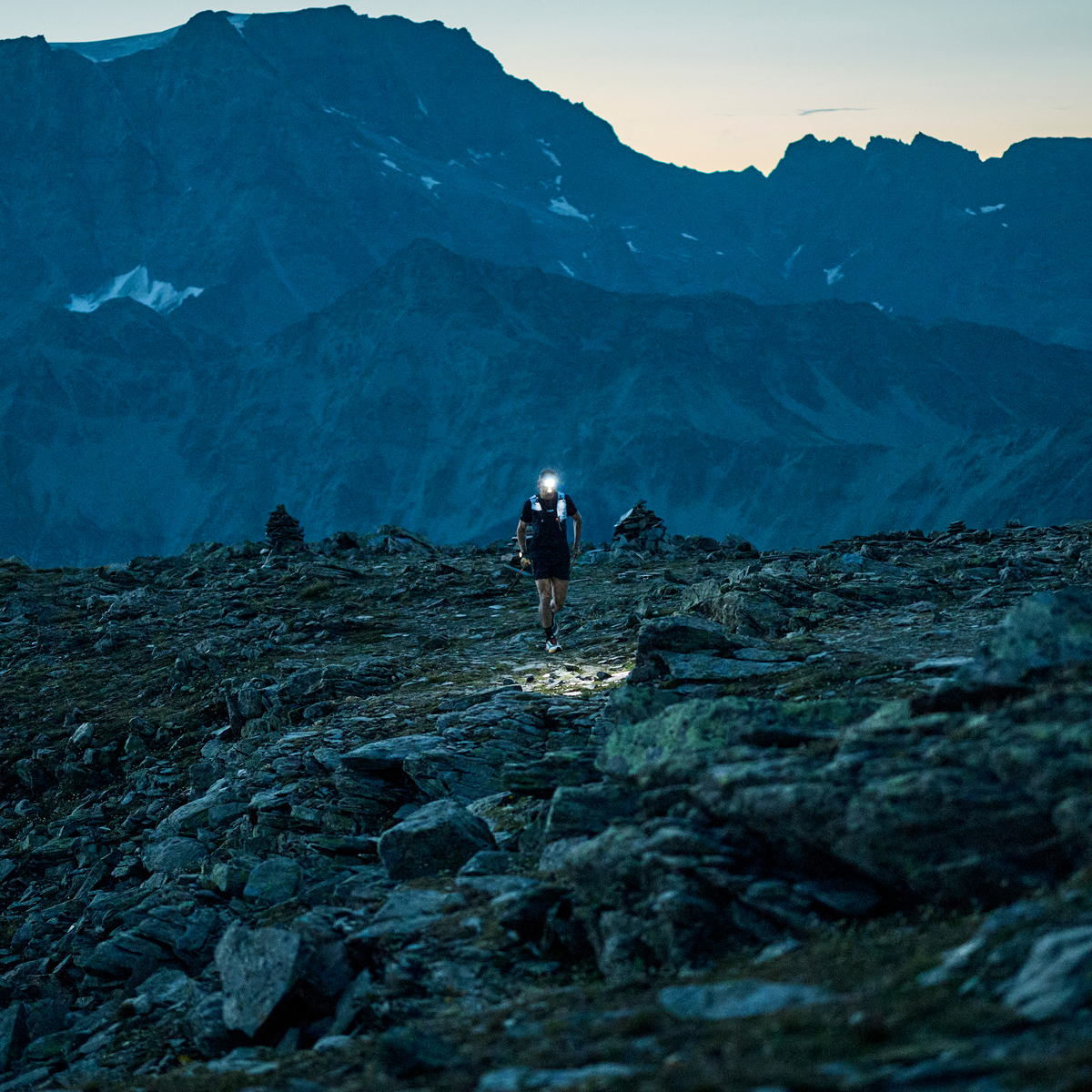
Once you leave streetlights behind, a reliable headlamp becomes non-negotiable. For road running and well-lit paths, a lower-output headlamp may be sufficient. On darker trails, look for a model with adjustable brightness, a suitable beam distance and enough battery life for the duration of your run. Higher-output lights can help reveal obstacles on technical terrain, but beam quality and battery performance are just as important as maximum lumen output. Using a headlamp alongside a waist-mounted light can improve depth perception by illuminating the trail from different angles. The additional light source can help reveal the shape of rocks, roots and other obstacles.

Choosing Running Shoes for Rocky and Uneven Trails
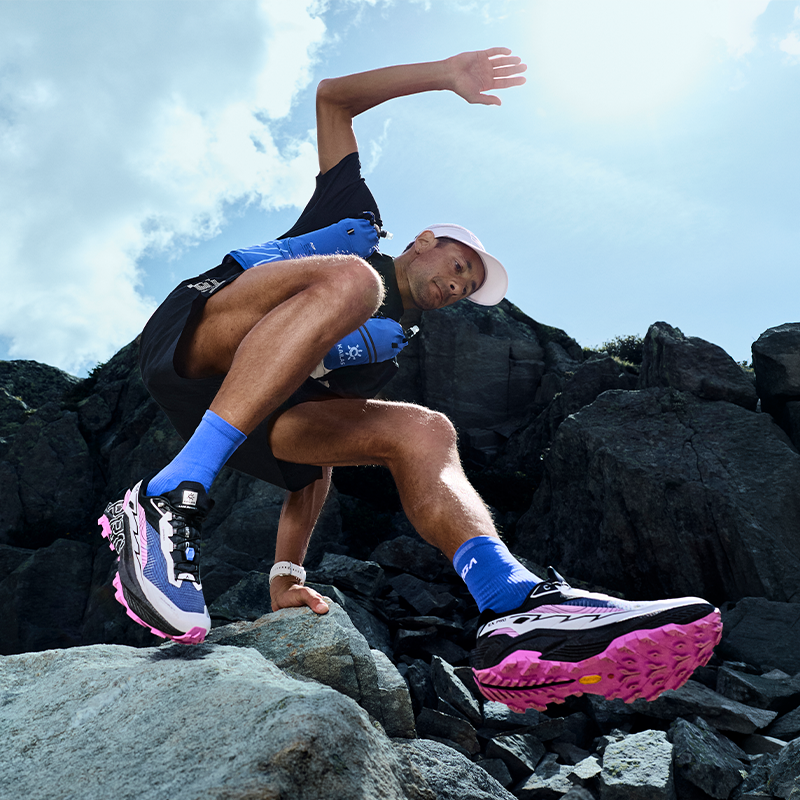
When you hit technical trails at night, dim lighting makes it much tougher to pick out loose gravel, jagged rocks, and slick patches, making trail running shoes for rocky terrain particularly relevant for maintaining traction and foot stability. That makes outsole grip and downhill foot stability two of the biggest factors when picking a trail shoe.
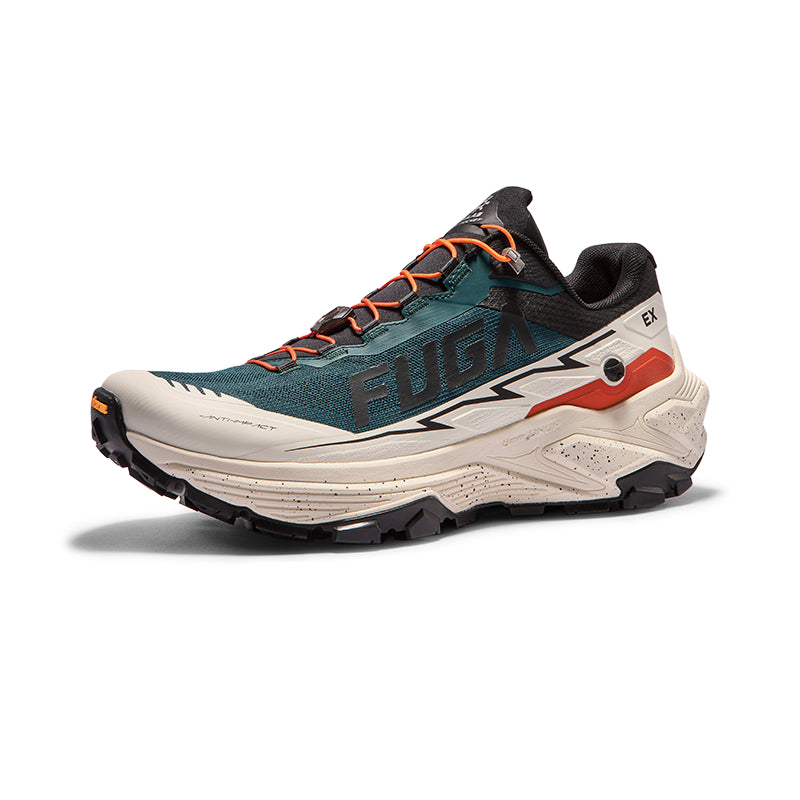
The KAILAS FUGA EX 3 is built specifically for this kind of unpredictable terrain, featuring a Vibram® MEGAGRIP five-zone wet-traction outsole that bites reliably into rock, gravel, and damp mixed surfaces. Its AWS 3.0 two-section tightening system locks the forefoot securely in place to prevent your foot from sliding forward and jamming your toes on steep downhills, while the upgraded ECCEVAI midsole balances plush shock absorption with responsive rebound—making it a dependable choice for night trail runners tackling technical ground and sustained descents.
Selecting Waterproof Gear for Wet Running Conditions
Running in cold rain or damp fog after dark saps your body heat fast. A lightweight, seam-sealed waterproof running shell blocks wind and rain without trapping excess sweat, while moisture-wicking synthetic or merino socks help keep your feet from pruning up during wet miles.
Choosing Running Shoes for Long-Distance Night Runs
Overnight ultras and multi-hour night training runs put relentless demand on your feet. Hours on the move lead to sweat buildup, swelling, and friction, while constantly shifting mountain terrain still requires trustworthy traction. Beyond cushioning, upper breathability and secure downhill lockdown become critical during ultra-distance running.
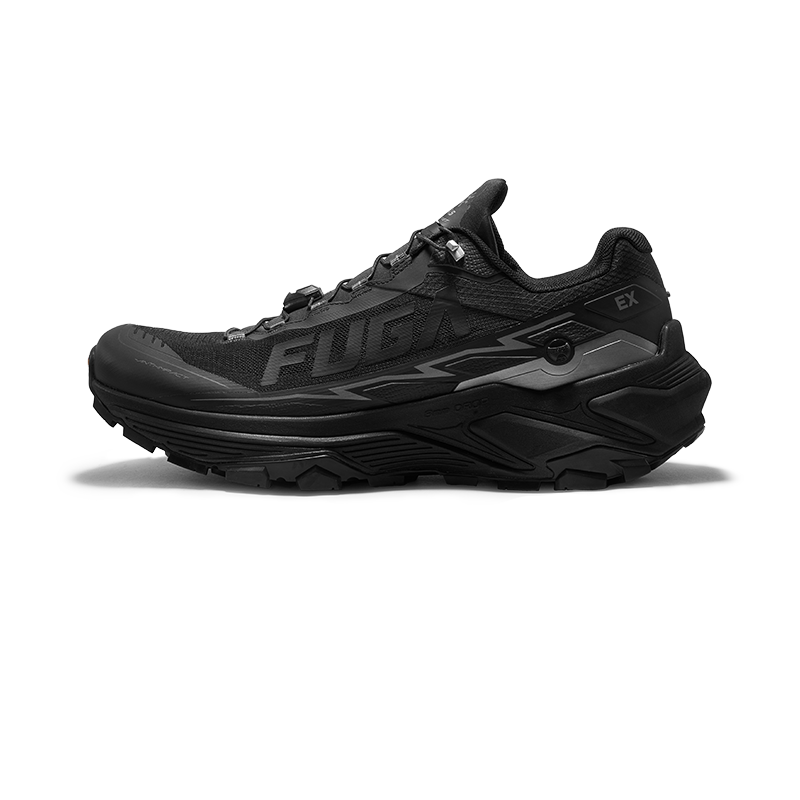
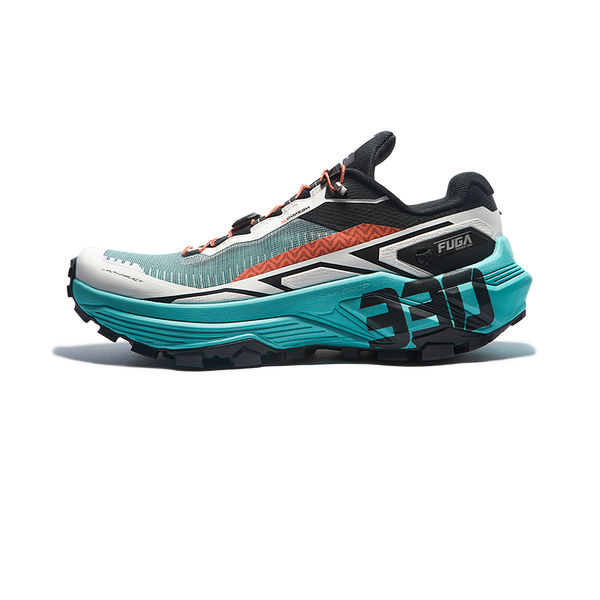
Built for grueling 60–200+ mile ultra-distance efforts, the KAILAS FUGA EX 330 uses XDiMESH multi-dimensional mesh to vent heat and moisture rapidly, cutting down on sweat accumulation, friction, and blisters over long hours. Its zoned dual-depth lug outsole adapts across changing surfaces for consistent grip, and the AWS 3.0 two-section tightening system keeps your foot locked down on long descents so your toes stay protected—ideal for night trail runners who prioritize breathability, grip, and long-haul comfort.

How to Prepare for a Night Run
Five minutes of preparation before you leave home can help you avoid an uncomfortable or potentially risky situation during your run. Run through these quick checks before lacing up:
Check Weather Conditions Before Running
Before stepping outside, check the hourly forecast rather than just the current temperature. At night, conditions shift quickly once solar heat disappears:
- Rapid temperature drops: Evenings in spring and fall can easily dip 10°F to 15°F within an hour of sunset.
- Wind chill: Open roads, bridges, and exposed ridges feel noticeably colder after dark.
- Precipitation and fog: Mist, drizzle, or low fog reduces beam distance on headlamps and makes painted road lines slippery.
- Humidity and dew: Rising evening humidity can leave grass and wooden boardwalks slick even when no rain is in the forecast.
Prepare Your Clothing for Temperature Changes
Dress as if it is about 10°F warmer than the actual thermometer reading so you don't overheat a mile in. Lightweight layers—such as a moisture-wicking long-sleeve shirt paired with a packable windbreaker you can tie around your waist—let you regulate your temperature easily as you warm up.
Charge Your Lights and Check Battery Levels
Nothing derails a night run faster than a dying headlamp two miles from your car. Top off rechargeable lights at your desk during the afternoon, and toss a spare battery pack or a small backup clip light into your pocket or vest just in case.
Carry Water and Essential Supplies
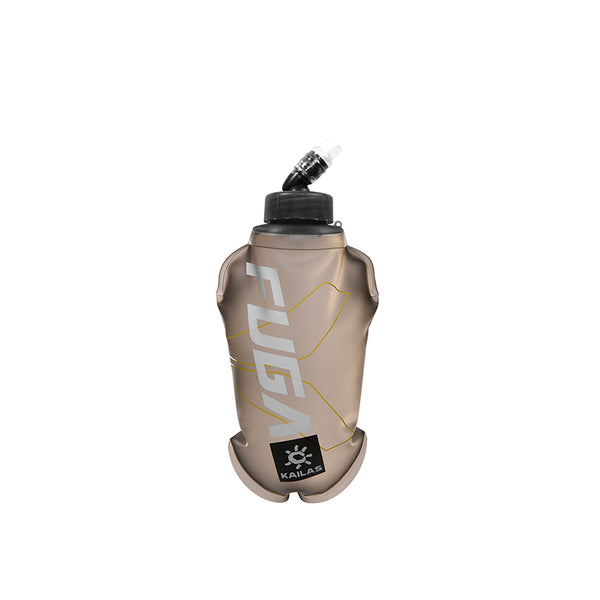
Even in cooler evening air, you still lose fluids through sweat. Bring a handheld soft flask or hydration vest on runs longer than 45 minutes, along with your ID, a credit card or $20 bill, and any quick-acting energy gels you rely on.
Plan Your Running Time and Distance
Map out your mileage and target turnaround time beforehand so you aren't improvising in the dark. Knowing roughly when you expect to finish also helps you pace your effort and stay well within your light's battery window.
Share Your Route and Expected Return Time
Let a partner, roommate, or family member know where you're running and when you plan to be back or share a live tracking link from your Garmin, Apple Watch, or Strava app before you start your timer.
Essential Safety Tips for Running at Night
Once you hit your stride, staying safe after dark comes down to awareness and restraint. Keep these habits in mind whenever you're out past sunset:
Warm Up Before Running After Dark
Cold evening air and stiff muscles from sitting at a desk all day are a recipe for strains and clumsy footwork. Spend five minutes indoors doing leg swings, calf raises, and dynamic lunges so your ankles and hips are mobile before you hit uneven pavement.
Adjust Your Pace to Visibility and Road Conditions
Night runs aren't always the best time to chase a new 5K personal record. Dial back your pace slightly on poorly lit stretches, shorten your stride on technical descents, and apply proper downhill running techniques to maintain better control whenever visibility narrows.
Stay Alert to Traffic and Surrounding Activity
Where there are no pavements or designated pedestrian paths, follow local road-safety rules. If permitted, face oncoming traffic so you can see approaching vehicles and move out of their path when necessary. Never assume a driver sees you at an intersection—wait for clear eye contact or a full stop before crossing in front of a vehicle.
Avoid Distractions While Running
Leave noise-canceling headphones at home after dark. If you like listening to music or podcasts, use open-ear bone-conduction headphones or keep one earbud out at low volume so you can still hear approaching cars, cyclists, or footsteps behind you.
Run with a Partner When Possible
Teaming up with a friend or joining a local evening run club boosts both safety and motivation. Two runners side by side create a larger visual footprint for drivers, and having someone with you turns an ankle twist or dead flashlight into a minor inconvenience rather than an emergency.
Carry a Phone for Emergency Situations
Keep a charged phone in a zippered pocket or running belt. Beyond calling for a ride if you pull a muscle or get caught in a sudden downpour, having GPS maps and an emergency flashlight on hand provides valuable peace of mind.
Conclusion
Night running can fit comfortably into a busy schedule, and it doesn’t have to mean taking unnecessary risks. Stick to routes you know, make yourself visible, and match your lights and footwear to the ground ahead. If you're ready to take your evening miles off-road, check out the KAILAS FUGA EX 3 for technical, rocky singletrack or the KAILAS FUGA EX 330 for overnight ultra-distance comfort. With the right setup dialed in, you can settle into your stride instead of second-guessing every shadow. What’s your non-negotiable piece of gear for running after dark?
FAQ
Are Reflective and Fluorescent Running Clothes the Same?
No. Reflective and fluorescent running gear work differently and light up under different conditions. Fluorescent colors (like neon yellow or bright orange) react to UV rays in daylight, so you stand out at dawn, dusk or on overcast days. Reflective materials, on the other hand, bounce direct light from car headlights or a flashlight back at the source in total darkness.
Does Running at Night Affect Your Sleep?
For most people, no, as long as you finish your run at least 60 to 90 minutes before bed. A moderate evening run often eases stress and helps you sleep deeper, though high-intensity intervals right before bed can keep your heart rate and body temperature up enough to delay falling asleep.
Is Night Running Suitable for Beginners?
Yes, beginners can absolutely run at night, as long as you start on flat, well-lit routes you know. Keep those early evening runs short, wear high-visibility gear and stick to sidewalks or local tracks, and new runners can build confidence safely before taking on darker paths or trails.
Is It Better to Run at Night Before or After Dinner?
For most runners, running before dinner is more comfortable because it avoids stomach cramps, acid reflux and sluggish digestion. If your schedule only lets you run after eating, keep dinner light and wait 60 to 90 minutes, or have a small pre-run snack like a banana or toast and eat your full meal afterward.
What Is the Best Time to Go for a Night Run?
The best time for a night run is usually between 5:30 PM and 8:30 PM, when rush-hour traffic has thinned out but neighborhoods and parks still feel busy. Running in that window also leaves plenty of time to cool down, shower, eat and wind down naturally before bed.