






Are Trail Running Shoes Good for Snow: Winter Trail Safety
Yes, trail running shoes can be good for snow, especially on light or moderately covered trails where deep lugs provide enough traction. However, packed snow, ice, slush, and freezing temperatures place different demands on your footwear, so outsole grip, waterproofing, fit, and sometimes extra traction all matter. What makes a trail running shoe suitable for winter? When are spikes or microspikes worth using? How to stay safer on changing snowy trails? All these questions are crucial for selecting the shoes.
What Makes a Trail Shoe Good for Snow?
For runners choosing shoes for changing terrain as winter turns the trails white, you don't have to hang up your shoes. But running on snow raises a fair question: can regular trail shoes handle it, or do you need something purpose‑built? Depends on the conditions. Light to moderate snow might just need an aggressive lug pattern. Hard‑packed snow and icy stretches usually need a specific rubber compound or add‑on traction. Waterproof uppers help too; they keep melting snow and slush from soaking your feet.
This guide covers what makes a trail shoe winter‑ready, when spikes actually make sense, how to protect your shoes from road salt, and the safety basics that keep you on your feet.
Changing terrain and understanding how different outsole designs balance grip, weight, and versatility can help match footwear to the trail. You can also compare different trail running shoes for different terrains before choosing a winter setup.
Deep Lugs for Fresh and Packed Snow
Fresh powder gives way underfoot. Hard‑packed snow, though, gets slick fast when you turn or head downhill. For decent traction, the outsole needs to cover three things: climbing, cornering, and braking.
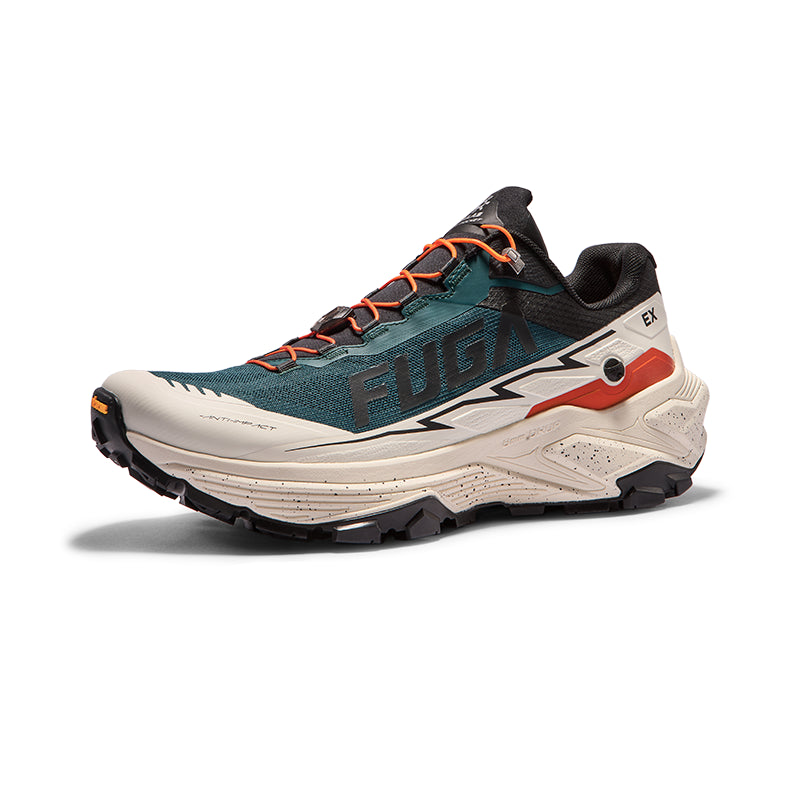
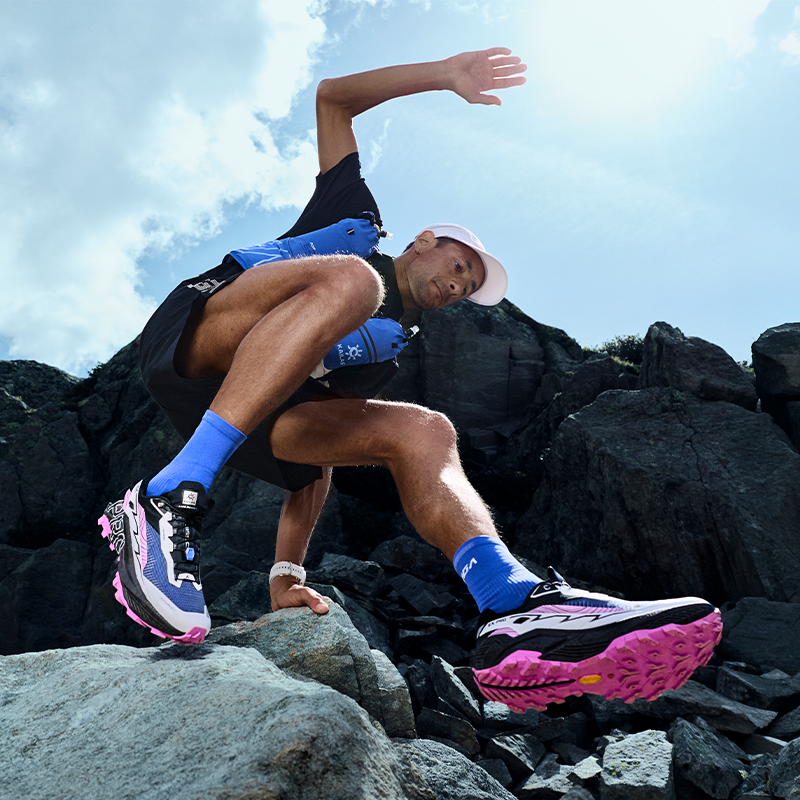
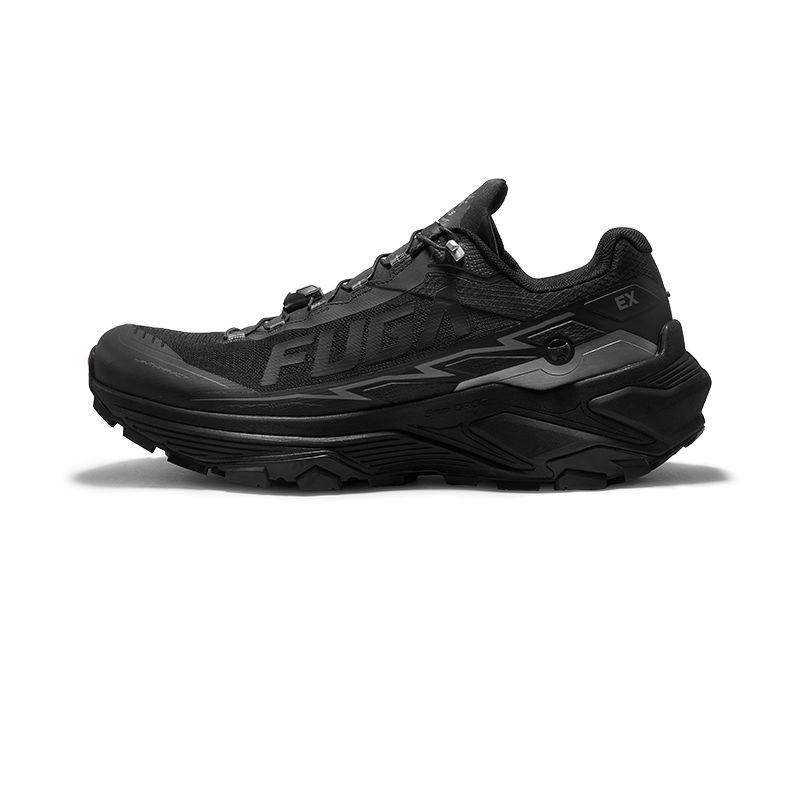
The KAILAS FUGA EX 330 handles that with a lug pattern that varies by depth. The outer edge has 6 mm lugs that dig into soft snow when you lean into turns. The center and heel use 4 mm lugs to grip on descents and give you something to push off on climbs. The Vibram® Megagrip outsole with Traction Lug and Litebase technology keeps the weight down without sacrificing grip. It works in mud, wet ground, and hardpack too. That's the kind of versatility you need when the terrain keeps changing.
Cold-Weather Rubber for Frozen Trails
Rubber stiffens up when it gets cold, and that affects how well it grips hard, frozen surfaces. Some winter‑specific shoes use compounds designed to stay flexible in low temperatures. But rubber alone won't save you on ice. The surface, any water film, the tread pattern, and mechanical traction all come into play. You can have the right rubber and still end up on your back if the conditions don't line up.
Waterproof Uppers for Slush and Wet Snow
When the sun comes out and the snow starts melting, slush becomes your biggest problem. It seeps through ordinary mesh in minutes. Your feet go numb. Blisters follow fast.
The KAILAS FUGA EX 3 GTX BOA deals with that. A GORE‑TEX membrane keeps the slush out while letting sweat escape. Tightly woven mesh and TPU overlays add another layer of defense. The BOA fit system lets you adjust on the fly, even with cold, gloved hands. And the Vibram® Megagrip outsole gives you reliable traction on wet climbs and messy descents. Simple setup. Dry feet. No excuses when things get sloppy.

A Secure Fit for Uneven Snowy Trails
Snow covers up what's underneath. Rocks, holes, ruts- you can't see any of it until your foot's already in it. A loose shoe is a rolled ankle waiting to happen.
You want an upper that locks your midfoot and heel in place without crushing your toes. A wider forefoot and a stable heel platform give you a solid base when the ground shifts under you. That's the difference between a stable landing and something that puts you on your side.
Why Trail Gaiters Matter in Snow
Even the best waterproof membrane won't keep your feet dry if snow drops in straight through the collar. That's where a gaiter attachment system makes the difference. The KAILAS FUGA EX 3 has a four‑point setup that secures low-profile trail gaiters flush against the collar, keeping out snow, grit, and trail debris. Combined with the AWS 3.0 lacing, a 4% wider forefoot, and a 15% wider heel base, it keeps everything snug and stable on soft, uneven ground. That's the kind of detail that matters when you're miles out and the trail's disappearing under fresh snow.
Do You Need Spikes for Running in Snow?
Before investing in extra traction devices, it helps to match your footwear setup to the exact trail conditions you face. Exploring different trail running shoes can help you find the right balance of traction, protection, and comfort before adding extra grip for winter conditions.
|
Traction Setup |
Best Surface Conditions |
Advantages |
Limitations |
|
Aggressive Trail Lugs (4–6 mm) |
Shallow fresh snow, soft snow over firm ground, mixed dirt and snow |
Lightweight and versatile; easy to transition between surfaces |
Traction can be limited on hard-packed snow and ice |
|
Slip-On Traction Devices / Microspikes |
Packed snow, icy trail sections, freeze-thaw conditions |
Adds mechanical grip to existing trail shoes |
Heavier than running shoes alone; awkward on long stretches of dry asphalt |
|
Studded Running Shoes |
Frequent running on icy or consistently frozen trails |
Built-in metal traction without a separate device |
Less comfortable on bare pavement and potentially unsuitable for some indoor surfaces |
Trail Shoe Lugs Are Enough for Light Snow
On shallow, soft snow over firm ground, aggressive trail lugs often do the job. But lug depth isn't the whole story. Snow density, what's underneath, temperature, slope, and hidden ice all affect grip. When the snow gets deeper or more mixed, traction needs can shift fast. Don't assume what worked for the first mile will work for the next.
Removable Ice Cleats Add Grip on Frozen Ground
When trails freeze and thaw, that hard sheet of ice shows up. Rubber lugs lose their bite fast. Slip‑on traction devices fix that. Metal spikes, chains, whatever the design, they add grip you can't get from rubber alone. On packed snow and steep sections, they're the difference between staying upright and sliding.
Studded Running Shoes Suit Frequent Icy Runs
If you live in a place where trails are frozen solid all winter, studded shoes are worth a look. The metal studs are built right into the outsole, so you don't have to mess around with slip‑on traction. Some use carbide or tungsten tips, but it varies by brand. When you're dealing with ice every day, that setup just works.
Spikes Perform Differently on Snow and Asphalt
Metal traction devices are great on ice and hard snow. On bare pavement, though, they feel clunky and noisy. And they wear out fast if you spend too long on hard surfaces. So if your run starts with a paved road connector before you hit the singletrack, skip the fixed studs. Carry removable cleats instead. Slip them on when you need them, take them off when you don't. It's simpler, and your gear will last longer.
How to Care for Trail Shoes After Snow Runs
Regular cleaning and proper storage also help extend the lifespan of trail footwear, especially after repeated exposure to mud, moisture, and winter debris. Knowing when materials start to wear down and how to maintain traction can help you get more performance from your shoes and know when to replace your shoes.
Remove Salt, Mud, and Road Grit
Salt and deicers are tough on your shoes, especially the metal parts. Rinse them off with cool water as soon as you're done. Use a soft brush to remove the grit from the lugs and upper. Don't let that stuff sit. Takes two minutes and saves your shoes from falling apart.
Dry Wet Trail Shoes Without Damaging Them
After a wet run, remove the insoles, loosen the laces, and leave your shoes somewhere dry with good airflow. Newspaper or paper towels can help with excess moisture if the shoes are soaked. Avoid high heat from a dryer or heater, which can damage some shoe materials and adhesives.
Check the Lugs, Studs, and Waterproof Upper
Check the soles regularly. Look for worn lugs, loose studs, rips, or damage to the waterproofing. If the traction's shot, especially on icy or snowy trails, replace the shoes or throw on some traction devices. Don't wait until you're slipping all over the place to do something about it.

How to Run Safely on Snowy Trails
Transitioning your training to winter trails requires adjusting your expectations and running form. Keeping safety top of mind ensures you stay injury-free all season long.
-
Check snow, ice, and weather first. Winter trails shift fast. Look up recent reports, keep an eye on freeze‑thaw warnings, and check the wind chill before you head out.
-
Slow down on corners and steep descents. Trying to PR on snow is a quick way to pull something or roll an ankle. Shorten your stride, increase your cadence, and take corners wide and controlled.
-
Walk across ice when you're unsure. There's no shame in slowing to a walk on smooth glare ice. Keep your weight low and land flat‑footed, not on your heels.
-
Carry extra traction for changing trails. The trailhead might be clear dirt, but the ridge two miles up could be solid ice. If the route changes with elevation or weather, bring lightweight traction devices and basic emergency gear. Match your kit to the distance, temperature, and how remote you're going.
FAQs
Should you size up for winter trail shoes?
Not necessarily. You might want a bit more room for thicker socks, but jumping up a half‑size can make the shoe sloppy and compromise stability. Go for enough toe space without your heel sliding around, and check the manufacturer's size guide.
Do trail shoes lose grip in freezing weather?
Yes. Standard summer rubber hardens below freezing and loses friction. Winter‑specific shoes use compounds that stay flexible on frozen ground.
Can snow and road salt damage trail shoes?
Yes. Salt eats away at glues, dries out fabrics, and breaks down waterproof membranes if you don't rinse them off after runs.
How long should trail running shoes last?
Most go 300 to 500 miles. In winter, retire them earlier if the lugs wear below 3 mm. Shallow lugs won't bite into snow.
Conclusion
Light to moderate snow? A good trail shoe with solid lugs is usually enough. But once things get icy, steeper, or mixed, you'll want something extra. Microspikes or studded shoes give you that bite you need.
Waterproof uppers and gaiters help with slush, but staying warm is about the whole setup: socks, insulation, fit, and what you're actually running in. The key thing is to pick your traction based on the trail surface, not just the depth of the snow. And when things look dicey, dial it back. That's the smart call.