









Running in the Rain: How to Run in the Rain Safely and Comfortably
Running in the rain is usually no big deal if you've got the right gear and know how to handle wet conditions. The main headaches are slick surfaces, poor visibility, and staying comfortable once your clothes and shoes get soaked. Whether you're on pavement or muddy trails, a few tweaks go a long way. This guide covers what to wear, how to pick a safe route, how to adjust your running form, and what to do with your gear afterward.
Is It Safe to Run in the Rain?
Running in light or moderate rain is generally safe, but conditions can change quickly. Temperature, wind, visibility, and the type of surface you're running on all matter.
When Rainy Conditions Are Suitable for Running
Steady late-autumn showers and early winter rain can make for some refreshing miles, but falling temps and raw winds mean you've got to respect the conditions. With the right cold-weather gear, these wet runs stay completely safe and invigorating. The hard safety line is severe weather: freezing rain that glazes the roads, lightning, gale-force winds, hail, and flash flood warnings. If you hear thunder rumble across the hills, pack it in or take the workout to the treadmill—open parks and exposed ridges offer zero protection from a lightning strike.
How Temperature and Wind Affect Rainy Runs
The ambient air temperature tells only half the story. Wet skin and water-soaked fabrics lose heat up to 25 times faster than dry skin. A 55°F drizzle on a calm afternoon feels pleasant, but 42°F paired with 20 mph gusts along a coastal road or open country route puts you at immediate risk for hypothermia. Always dress for the "real-feel" temperature, factoring in wind chill and water exposure, and keep wet-weather routes closer to home when mercury levels drop.
How to Prepare for Running in the Rain
Before heading out, check the forecast and think about where you'll be running. Shoes with reliable traction, comfortable layers, and a route that avoids flooding can make rainy runs much easier.

Check the Forecast and Plan Your Route
Radar apps are your best friend on rainy mornings. Look at precipitation timing to avoid the heaviest cloudbursts, and tailor your route layout:
- Run in loops: Instead of a long out-and-back route where you might get stranded miles away in a sudden squall, run smaller loops around your neighborhood or local greenway.
- Skip low-lying spots: Avoid paths bordering overflowing creeks, underpasses that collect standing water, or dirt tracks prone to deep washouts.
- Prioritize sheltered corridors: Wooded trail preserves or tree-lined avenues block sharp wind gusts and catch a fair amount of vertical rainfall.
Choose Shoes for Grip, Waterproofing and Comfort
Rain slickens everything from crosswalk paint to slick clay, meaning regular road flats won't cut it. The best waterproof trail running shoes combine sticky rubber outsoles, water-shedding uppers, and a secure fit to help limit movement inside soaked shoes.
|
Model |
Primary Focus |
Key Technologies |
Best Terrain & Distance |
|
KAILAS FUGA DU 2 GTX |
Weatherproofing & Technical Grip |
GORE-TEX INVISIBLE FIT, Vibram MEGAGRIP (4 mm lugs), AWS 3.0, TPU Exoskeleton |
Wet city roads, mixed terrain, rolling gravel, technical day runs |
|
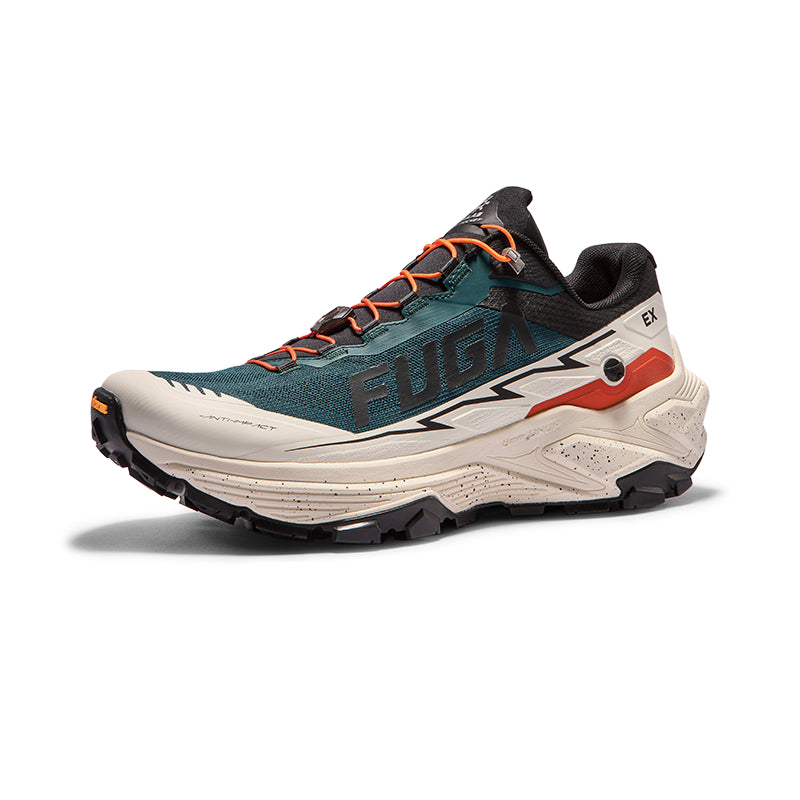
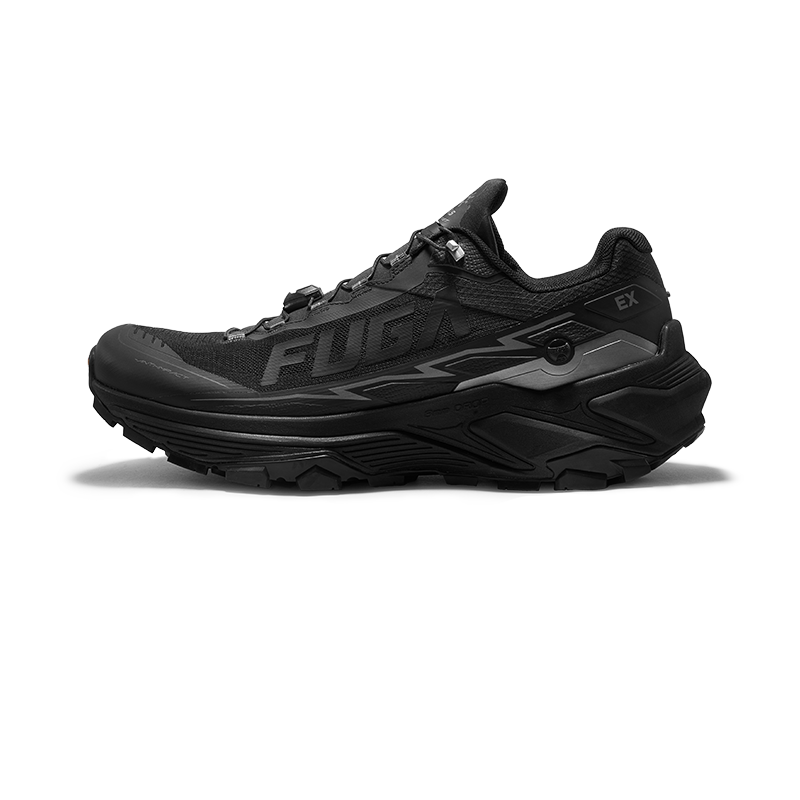
KAILAS FUGA EX 3 GTX |
Plush Cushioning & Long-Haul Comfort |
ECCEVAI Midsole, GORE-TEX membrane, Vibram MEGAGRIP, Midfoot Lock + AWS 3.0 |
High-mileage rain runs, marathon build-up, rocky fire roads |
For technical surfaces and unpredictable rainy conditions, the KAILAS FUGA DU 2 GTX brings together GORE-TEX INVISIBLE FIT waterproofing and a sticky Vibram MEGAGRIP outsole with 4 mm lugs. The integrated TPU exoskeleton and AWS 3.0 two-section lacing system lock down your heel and instep, keeping your foot stable when pivoting across wet sidewalks, slick boardwalks, or uneven gravel paths.
When the weekend training calendar calls for logging high mileage, continuous impact absorption takes priority. The KAILAS FUGA EX 3 GTX uses an ECCEVAI compound midsole to soak up repetitive pounding over pavement and fire roads. Its midfoot-wrapping cradle combines with AWS 3.0 lacing to prevent uncomfortable forward sliding inside the shoe, while the GORE-TEX liner and Vibram MEGAGRIP compound keep elements outside and traction locked in. Keep in mind: while the waterproof membrane keeps rain splash and puddles from seeping through the upper mesh, it cannot stop water from trickling down past your ankle collar.
Select Clothing and Rain Protection
Choose moisture-wicking running apparel for cold, wet runs rather than cotton, which holds moisture and leaves you chilled. A mid-weight Merino wool base layer is a better bet for November miles: it stays warm when damp and helps regulate your temperature as your pace changes. If the wind chill drops below 45°F, throw a breathable fleece vest or a light wind-resistant layer over it. You'll get extra warmth around your core without feeling too bundled up.
For your shell, running requires a delicate balance of complete waterproofing and active heat evacuation. A suffocating plastic poncho turns into a sauna within five minutes. The KAILAS AERO GTX Trail Running Hardshell Jacket solves this puzzle with a 3-layer GORE-TEX fabric boasting a 28,000 mm waterproof rating, reinforced by fully taped Gore-Seam joints. Built-in AAC Lite ventilation channels dump excess heat and vapor during uphill pushes, an ergonomic cut preserves free arm movement, and a shaped, adjustable hood keeps stinging rain directly off your eyes.

A brimmed running cap worn under your hood helps keep rain off your face while preserving your peripheral vision on wet city streets.
Protect Your Essentials and Warm Up Indoors
Phones, car remotes, and wireless earbud cases do not appreciate steady showers. Seal them inside zip-top silicone pouches or a dedicated dry bag before tucking them into your running vest or zippered pocket. Before opening the front door, spend 5 to 7 minutes warming up in your hallway. Jumping jacks, high knees, leg swings, and hip openers raise your core temperature and wake up stabilizing tendons, making that initial blast of cold rain feel refreshing rather than shocking.
How to Run in the Rain on Roads and Trails
Wet pavement and muddy trails require a little more attention to your footing. Slowing down when needed, taking shorter steps, and being careful on turns and descents can help you stay in control.

Adjust Your Pace to the Conditions
Throw target split times out the window. Wet pavement demands slightly wider cornering, muddy ascents sap momentum, and head-down rain squalls reduce cadence. Treat rainy efforts as heart-rate or perceived-exertion sessions rather than PR attempts.
Use Shorter, Controlled Strides on Wet Roads
Overstriding and landing on an outstretched heel in the rain is a recipe for a slip. Shorten your stride length slightly and bump your cadence up by 5–10%. Landing with your feet centered directly beneath your hips maximizes outsole contact area, drastically reducing the shearing forces that cause your feet to slip on slick surfaces.
Choose Stable Footing on Mud and Wet Rocks
Off-road running turns into a whole different adventure when trail dirt softens into slick, greasy mud. You need aggressive tread that bites into soup and shed clumps with every stride.
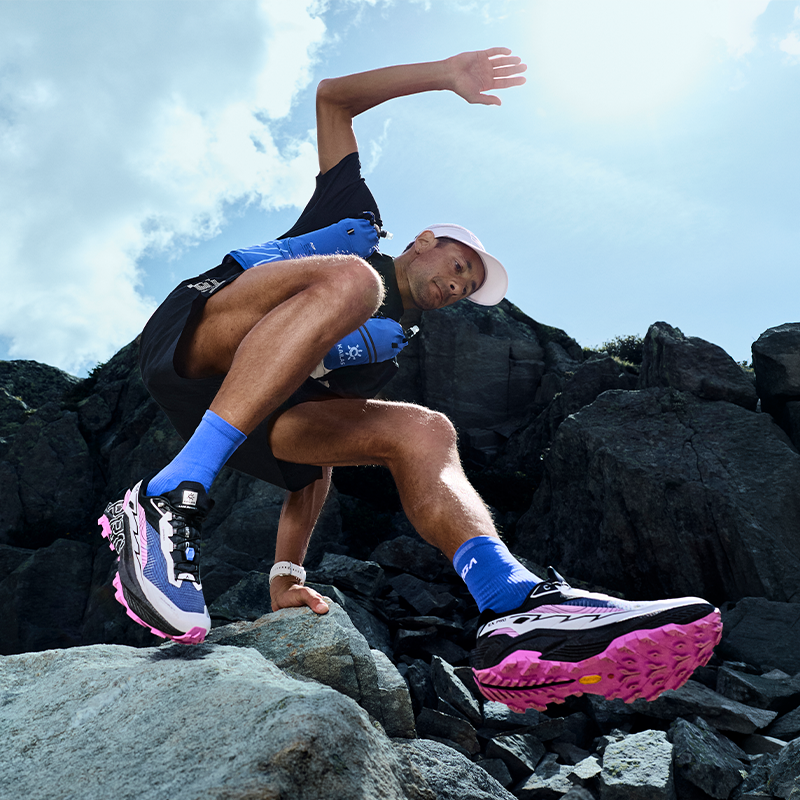
Built specifically for rugged, loose mountain trails, the KAILAS FUGA DU MONSTER features dual-zone 5 mm and 7 mm lugs with Vibram MEGAGRIP and TRACTION LUG technology to bite deep into soft mud and steep loam. A supportive TPU exoskeleton and AWS 3.0 dual lacing secure the midfoot on tricky cambered slopes. Remember that the design priority here is sheer mechanical grip and lateral foot hold rather than a waterproof barrier; when you encounter wet river rocks or polished slate, keep strides compact, land flat-footed, and avoid abrupt braking.

Stay in Control on Descents and Turns
Wet slopes call for extra care, especially on descents. The same principles used in downhill running apply on wet slopes: keep your knees relaxed, lean slightly forward, and take short, controlled steps. Slow down before sharp turns, painted crosswalks, and wooden footbridges, those surfaces get slick when wet. In late autumn, wet leaves are another hazard: they cut traction and can hide roots, potholes, or uneven ground. So skip the sudden braking and sharp turns, and steer around thick piles of leaves whenever you can.
Precautions for Running in the Rain
Rain can make it harder to see obstacles and easier to slip or develop blisters. Pay attention to traffic, avoid standing water, and take a few simple steps to protect your feet and skin.
Stay Visible and Aware of Your Surroundings
Gray afternoon rain blurs the boundary between sidewalks and roadways. Always wear high-visibility neon or fluorescent yellow gear equipped with reflective accents, and click a blinking clip-on LED light onto your chest and pack. Leave noise-canceling headphones at home or toggle them to ambient mode: you must hear approaching vehicles, splashes, and cycling bells through the sound of falling water.
Avoid Deep Puddles and Flooded Crossings
That calm, opaque puddle at the edge of the street curb could be two inches deep—or it could conceal an open storm drain or eight-inch pothole. Run around standing water whenever safe. If running near natural creeks or canyon washes, never attempt to wade across fast-moving storm runoff; currents rise rapidly and sweep runners off their feet with startling ease.
Reduce Chafing from Wet Clothing and Socks
Water magnifies skin friction exponentially. Areas prone to raw rubbing—inner thighs, underarms, bra bands, and toes—need generous coatings of anti-chafe balm or petroleum jelly before heading out. Choose seamless, snug-fitting running socks made from synthetic materials; they hold their shape when wet and reduce the loose wrinkles that can cause hot spots and blisters.
Tips for Caring for Yourself and Your Gear After a Rainy Run
Once you're finished, change into dry clothes and give your shoes time to air out. Cleaning off mud and checking your feet for irritation can also help prevent problems before your next run.
Change Out of Wet Clothing and Get Dry
The moment you step through the mudroom or garage door, peel off every soaked layer. Don't linger on your phone or start stretching while wearing damp technical wear. Grab a quick warm shower, bundle into dry fleece sweats, and rehydrate with a warm mug of broth or tea to bring your core temperature back to baseline.
Check Your Feet for Rubbing and Blisters
Soaked skin softens and gets vulnerable to shear stress. Dry your feet all the way, especially between each toe. Check the balls of your feet and heels for hot spots starting to form. Air them out well, and treat small friction spots with antiseptic or blister pads before you put your regular shoes back on.
Clean and Air-Dry Your Running Shoes
Caring for your footwear preserves its traction and structural cushioning:
- Rinse away grit: Use lukewarm tap water and a soft brush to knock mud and road salt off the uppers and outsoles.
- Remove the insoles: Pull out the footbeds to expose the strobel board underneath.
- Stuff with newspaper: Pack the toe boxes firmly with crumpled newspaper or unbleached paper towels to pull out interior moisture quickly.
- Air-dry in a well-ventilated spot: Never place running shoes in a tumble dryer, in front of a space heater, or on top of a radiator, as excessive heat warps EVA foams and delaminates outsole glue.
Care for Waterproof Clothing and Equipment
Hardshell jackets like your GORE-TEX outer layer collect dirt, body oils, and street grit that clog breathable pores and degrade the water-repellent (DWR) coating. Hang your jacket in a shower stall to dry after light runs. Every few weeks, wash technical shells with a dedicated technical outerwear wash (avoiding standard liquid detergents and fabric softeners) and tumble dry on low heat to reactivate the surface water-beading performance.
Conclusion
Running in the rain is a solid way to stay on top of your training as long as conditions are safe. The right shoes, breathable clothing, and a few pace tweaks can make wet-weather runs a lot more comfortable. Just watch your footing, steer clear of flooded areas, and head inside if thunderstorms or severe weather roll in. You don't have to skip every run just because of rain. With a little prep, you can still get a good workout in without taking unnecessary risks.
FAQ
Can You Wear Hiking Boots for Running in the Rain?
No, hiking boots are too heavy, stiff, and restrictive for a running gait. Their rigid ankle collars and thick soles fight normal foot flexion, which leads to shin splints and clumsy, awkward foot strikes on wet terrain. Go with dedicated trail running shoes instead, sticky rubber outsoles and flexible uppers.
Why Are My Feet Still Wet in Waterproof Running Shoes?
Water enters primarily by running down your exposed legs and through the ankle opening of the shoe. While waterproof membranes like GORE-TEX effectively block surface water from soaking through the tongue and mesh, rain running down soaked socks or shin-deep puddles breaches the top collar and becomes trapped inside. Lightweight water-resistant running gaiters can help reduce splashes entering around the ankle opening, although they won't keep your feet dry during deep crossings.
Should You Wear a Rain Jacket Over or Under a Running Vest?
Wear your rain jacket over your running vest if the jacket cut accommodates it. Placing the jacket on the outside shields your hydration flasks, soft snacks, and electronic gadgets from getting soaked while keeping the vest harnesses from rubbing down the waterproof seam taping of your expensive jacket. If your vest is bulky, wearing a breathable shell underneath still works well—just ensure essentials are sealed in waterproof bags.
How Should You Prepare for a Race in the Rain?
Pack a large plastic trash bag to wear as a makeshift poncho while standing in the chilly starting corrals, then discard it in a designated recycling bin right as the race starts. Apply extra anti-chafe balm to all contact zones, pack a brimmed hat to keep drops out of your eyes, and leave a complete bag of dry clothes, dry socks, and slide sandals at the post-race gear check for an immediate change at the finish line.