






How to Use a Foam Roller: Trail Runner Recovery Tips
Whether you're grinding up muddy climbs in the Lake District or flying down technical trails on the South Downs, British trail running gives your legs a proper hammering. Foam rolling won't fix everything, but it's a simple way to ease out tight spots, get moving better, and set yourself up for the next session. This guide covers why it works for trail runners, how to use it without harming yourself, which bits to target, and how to weave it into your post‑run routine.
Benefits of Foam Rolling for Trail Runners
Trail running places very different demands on your body than road running. Long climbs, uneven ground, and steep descents all place extra load on your calves, quads, and hips.
Reduce Post-Run Muscle Tightness
Steep, technical descents take it out of your legs. Your quads and calves are working hard to keep you steady on the way down, and by the end of a long day they're often tight and sore. Foam rolling can help ease things out, reduce that heavy stiffness, and make recovery after a tough route a bit more bearable.
Improve Flexibility and Joint Mobility
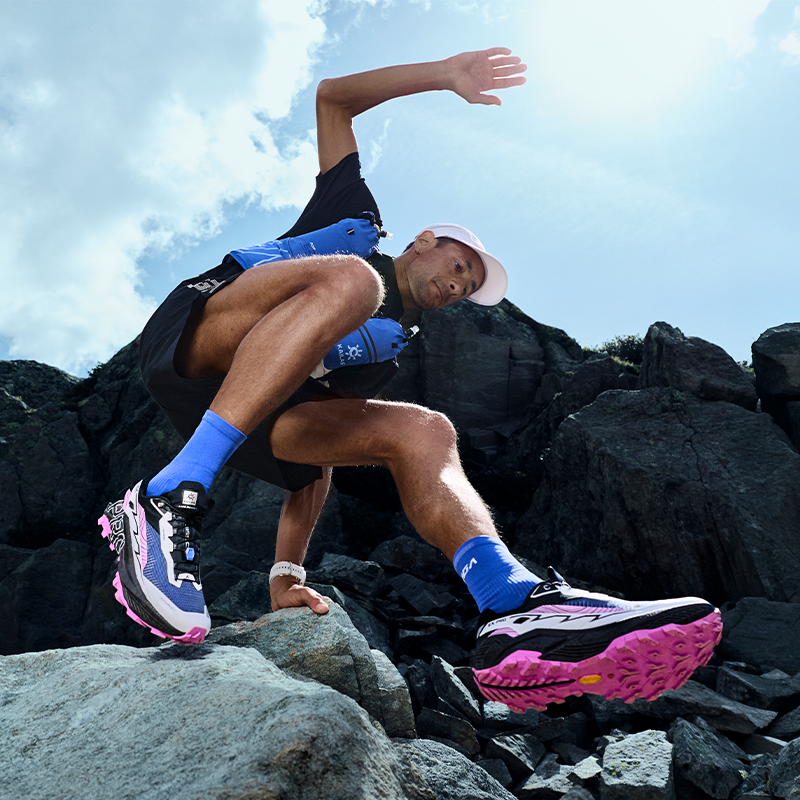
Picking through roots, hopping stiles, and squelching through bogs all take a good bit of mobility – and tight muscles just won't cut it. Regular rolling helps loosen up those stiff fibres, which improves your ankle and hip movement. Free up the restricted bits around your joints, and you'll react better to whatever the trail throws at you, without overloading your tendons. When comparing all trail running shoes, a secure fit and terrain-appropriate grip can also help your feet stay more controlled across uneven ground.
Enhance Recovery and Blood Flow
Rolling gets the blood flowing through tired muscles and helps your body start recovering. Foam rolling may help increase blood flow locally and reduce the feeling of stiffness, helping tired muscles feel more comfortable after hard efforts. It can also sit alongside the easier sessions and recovery work in a structured training plan for trail running, rather than being treated as a substitute for rest.
How to Use a Foam Roller Safely
Foam rolling works well, but going at it with too much force and poor technique can do more damage than good. Getting the basics right means you get the most out of it without risking any injury.
Distinguish Pre-Run and Post-Run Use
When you roll matters as much as how you roll. Before a run, keep it short, light, and dynamic – quick, brief sweeps over the main muscle groups to wake up the nervous system and get the tissues warm without sapping your power. Save the slow, deep pressure for after your run, when your muscles are warm and ready for some proper work.

Maintain Correct Body Position and Pressure
The trick is to find the right pressure, not just push through the pain. Use your arms and the leg you're not rolling to control how much weight you put on the roller. Go slowly, and when you hit a tight spot, stop for a few seconds and let the muscle ease off before you carry on.
Recognize When Not to Roll
Rolling over fresh injuries, bony bits, or inflamed joints is asking for trouble. Never roll straight over your knees, ankles, or lower back. If you're dealing with sharp pain, bad bruising, or a suspected muscle tear, put the roller away and see a chartered physio.
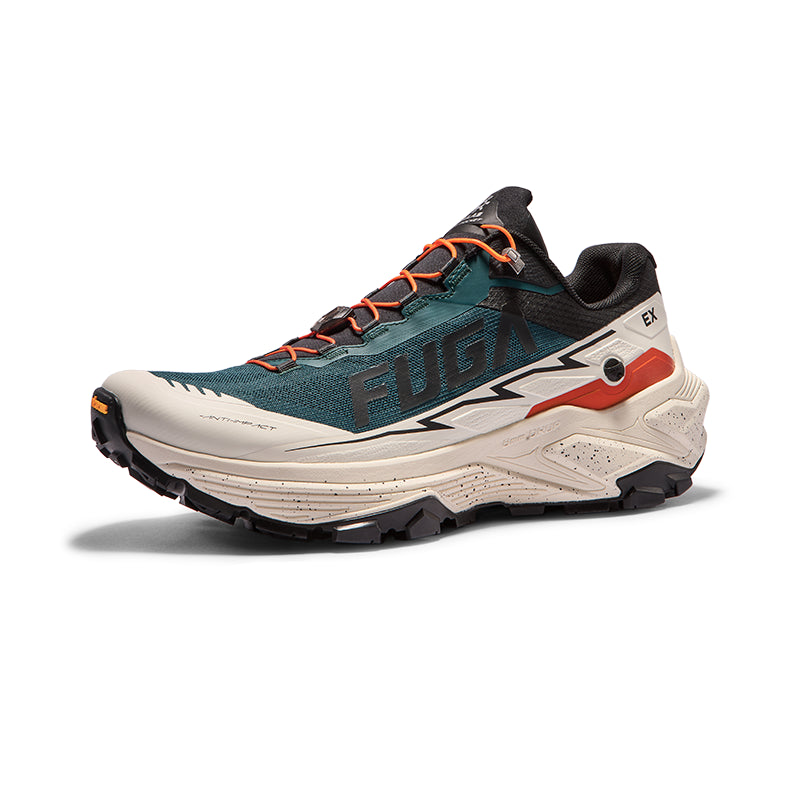
Glutes and hips are worth spending time on after technical routes, tight switchbacks, or steep descents; they're key for stabilising your pelvis and keeping your stride and balance in check. And if you're regularly running on loose gravel, muddy tracks, or undulating fells, good footwear like the KAILAS FUGA EX 3 makes a real difference. Its grip and support help stop your foot sliding about inside the shoe, which means less extra work for your muscles when they're already tired.
Key Foam Roller Exercises for Trail Runners
Trail running relies heavily on a few key muscle groups. Spending a few minutes on these areas after a run can help relieve built-up tension and keep your legs moving freely.
Roll Calves and Achilles
Rest one calf on the roller with your hands propping your hips off the floor. Roll slowly from just above the ankle up to the back of the knee, turning your leg slightly in and out to work both sides of the muscle. Skip the Achilles tendon itself and focus on the lower soleus – that's usually where the tight spots start.
Roll Quadriceps and Hamstrings
Lie face down with the roller under your thighs to work the quads, the muscles that take the brunt of downhill impact. Keeping these muscles mobile and strong also supports preventing knee injuries when running on trails, especially on steep or technical descents. Roll slowly from the top of the hip down to just above the knee. For hamstrings, flip over, put the roller under the back of your legs, and roll from the bottom of your glutes down to the back of the knee. Cross one leg over the other if you want to dig in a bit deeper.
Roll Glutes and Hips
Sit on the roller with your right ankle crossed over your left knee, and lean gently into your right hip. Roll back and forth over the gluteus medius and piriformis – the muscles that do a lot of the work keeping your hips stable on uneven ground. Take your time and work around the side of the hip to release any rotational tension that's built up.
Build an Effective Post-Run Routine
Consistency matters far more than duration. Adapting your foam rolling routine to match the length and intensity of your outing guarantees optimal physical restoration.
|
Run Type |
Duration |
Target Muscle Groups |
Primary Focus |
|
Short / Easy Trail Run |
5–8 Minutes |
Calves & Quads |
Quick tissue flush & light mobility check |
|
Long / Technical Fell Run |
15–20 Minutes |
Calves, Quads, Hamstrings, Glutes & Hips |
Deep tension release, hydration & full recovery |
|
Ultra-Distance / Race |
10–15 Minutes (Gentle) |
Full Lower Body Sweeps |
Very light flushing, avoid deep pressure on inflamed tissue |
Perform a Quick Routine After Short Runs
After a mid‑week 5k or an easy recovery run, five to eight minutes of light rolling is enough. Keep it simple – sweep the calves and quads with moderate pressure to stop any niggles from turning into proper knots.
Follow a Full Routine After Long or Technical Runs
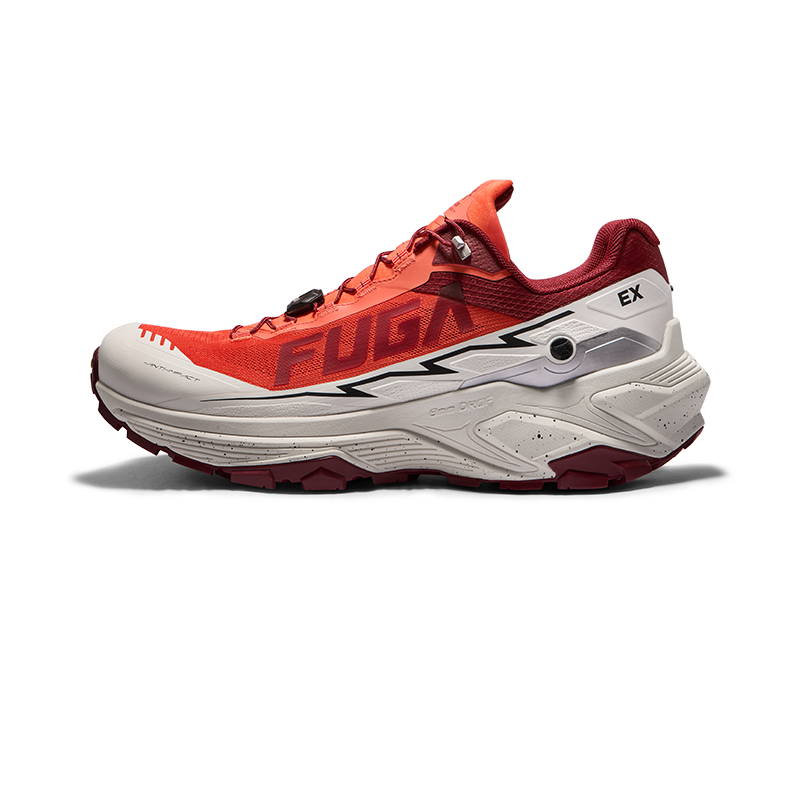
After long alpine routes or technical fell runs, you need a proper post‑run routine. Instead of going hard on one sore spot, work your way through your calves, quads, hamstrings, glutes, and hips. A bit of gentle rolling, some static stretching, and a good drink all help get you back on track after hours of climbing and descending. And when you're gearing up for big training blocks, something like the KAILAS FUGA EX 330 gives you the cushioning and grip you need – it soaks up the impact and keeps you stable over ultra distance, saving your joints from taking a hammering.

Combine Foam Rolling With Recovery Activities
Foam rolling really comes into its own when it's part of a proper recovery routine. After you've rolled, spend five minutes on some light stretching while your muscles are still warm. Pair that with decent food, electrolytes, and good sleep, and you'll give your body the best chance to repair itself.
FAQ
How often should I foam roll as a trail runner?
Most trail runners find 2–5 sessions per week useful, depending on training volume and how their body feels. Consistency matters more than going mad with it; a short 10‑minute session after your key runs or a long weekend effort will stop tightness building up and getting in the way of your training.
Can foam rolling prevent injuries for trail runners?
Foam rolling may support injury prevention indirectly by helping maintain mobility and manage muscle tightness, but it should not replace strength training, proper recovery, or addressing underlying issues.
Should I foam roll sore spots or the whole muscle group?
Start with the whole muscle group, then gently work on any tender spots. Rolling the surrounding tissue first releases overall tension, making it safer and easier to deal with trigger points without causing more inflammation.
Can I foam roll immediately after a race or very long run?
You can, but keep the pressure very light straight after a big effort. Tired muscles are already dealing with micro‑damage and swelling, so save the deep work for 24 to 48 hours later, when the worst of the inflammation has settled.
Is it better to foam roll before or after dynamic stretching?
Do it before dynamic stretching in your warm‑up. Rolling loosens things up and warms the tissue, so your stretches then have a better, smoother range of motion.
Can I use a foam roller on my IT band?
No, avoid rolling directly over the IT band itself; it's a dense tendon‑like band that won't release. Instead, roll the muscles at the top of your hip and the surrounding quads and glutes, which will help ease tension around the outside of your knee.
Conclusion
Trail miles stack up fast, especially when every run comes with climbs, descents, and rough ground. A few minutes on the roller after your tougher sessions can make a real difference to how your legs feel for the next one. Fancy upgrading your recovery kit? Check out our trail running gear, which is built for long days on demanding terrain.