








Best Trail Running Shoes for Women: Top Picks for Different Running Needs
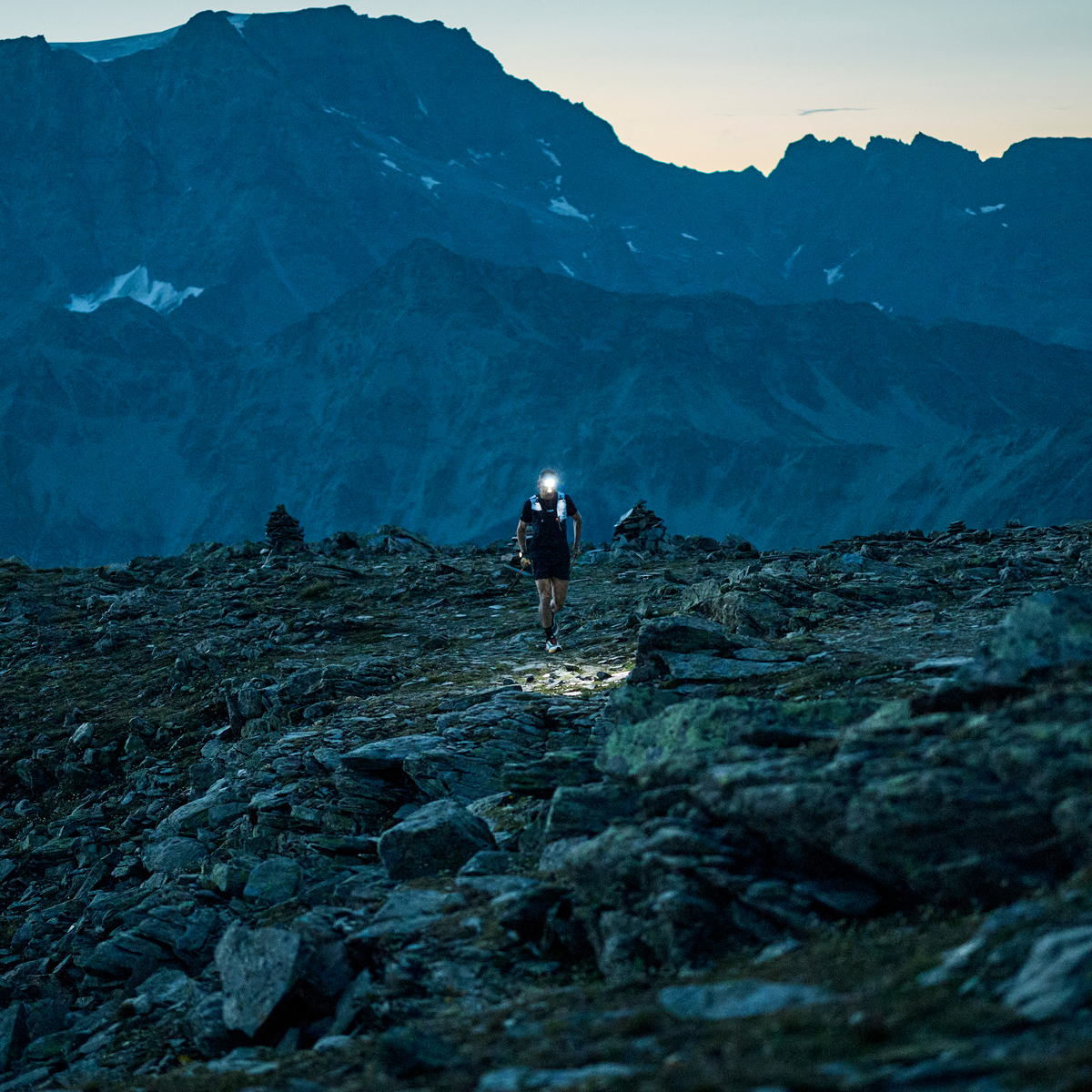
Trail running shoes need to grip uneven ground, protect your feet from rocks and roots, and stay comfortable over long distances. The right pair depends on where you run and what you need most: a lighter feel for faster runs, more cushioning for long days, or waterproofing for wet conditions. This guide compares four women’s trail shoes by use case and covers the fit and features to consider before choosing.
Key Features of Women's Trail Running Shoes
A good pair of trail running shoes has to handle loose dirt, rocks, roots, and changing slopes. These are the main features to compare when choosing a pair.
Outsole Traction and Grip
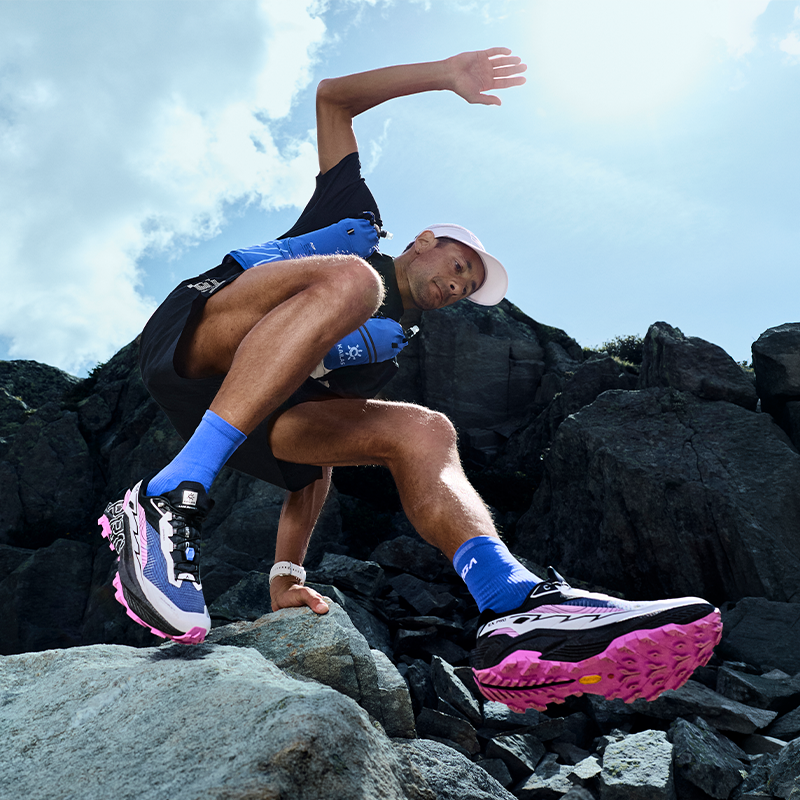
Gripping granite slabs in the Rockies or skittering across slick mud in the Pacific Northwest requires specialized rubber compounds and deliberate lug design. Trail outsoles rely on sticky compounds, such as Vibram® MEGAGRIP to adhere to wet, polished rock. Deep lugs (around 4mm to 6mm) dig aggressively into loose pine duff and clay, while directional arrangements provide propulsion on steep uphills and secure braking power when bombing loose descents.
Cushioning and Shock Absorption
Landing on hidden rocks and uneven hardpack over and over takes a toll on your joints, that's where the foam stack earns its keep. Modern trail midsoles run responsive materials like supercritical nitrogen-infused foams and resilient EVA blends. These materials help absorb impact and provide a responsive feel underfoot, balancing cushioning with the stability needed on uneven terrain.
Stability and Support
Nothing ends a weekend trail run faster than rolling an ankle on a rogue root. To guard against lateral blowouts, trail shoes build in wide perimeter bases, midfoot shanks, and structured heel counters. Features such as a wider platform, structured heel counter and torsional support can help improve stability on uneven or cambered trails.
Weight and Flexibility
Cutting ounces keeps your legs fresher on brutal vertical climbs, but stripping too much weight can leave your underfoot protection compromised. The sweet spot is a nimble, flexible forefoot that lets your toes splay and read the trail naturally, balanced with just enough rock-plate protection to keep stones from bruising your feet.
Durability and Breathability
Scrambling through brambles, sandstone scrapes, and desert scrub takes gear that can handle abuse. Ripstop engineered mesh uppers, reinforced TPU overlays, and beefy toe bumpers keep vulnerable fabric from getting shredded. At the same time, targeted micro-mesh vents dump heat and sweat during summer afternoon efforts, keeping blister-causing moisture from building up.
Women's vs. Men's Trail Running Shoes: Key Differences
Fit can vary between women’s and men’s models, especially around the heel and midfoot. Here’s what to know about lasts, width, and unisex options.
How Women's and Men's Shoe Lasts Differ
A shoe’s last dictates its internal architecture. Women's-specific trail shoes are often designed around differences in foot shape and proportions, including heel width, instep volume and forefoot shape. However, fit varies between brands and models, so runners should focus on how securely the shoe holds the heel and midfoot while allowing enough room for the toes.
Toe Box Width and Heel Fit
Biometrically, women typically possess narrower heels and lower-volume insteps relative to forefoot width. Standard unisex models often feel loose around the Achilles, forcing runners to over-tighten their laces. A true women's fit hugs the heel securely to eliminate friction while providing a generously proportioned toe box so toes can splay comfortably during steep downhill braking, making proper trail shoe fit especially important.
Women's-Specific vs. Unisex Trail Running Shoes
Unisex footwear is usually constructed on a standard men's "D" width last, while traditional women's sizing aligns with a "B" width. Runners with higher-volume or wider feet sometimes thrive in unisex frames, but athletes seeking locked-in security through technical switchbacks will usually find that women's shoes deliver a noticeably snugger collar, refined heel pocket, and proportional arch contours.

Best Trail Running Shoes for Women by Running Needs
The best shoe depends on your terrain, distance, and the conditions you run in. These picks are grouped by the needs they’re designed to meet.
Best Lightweight Trail Running Shoes for Women
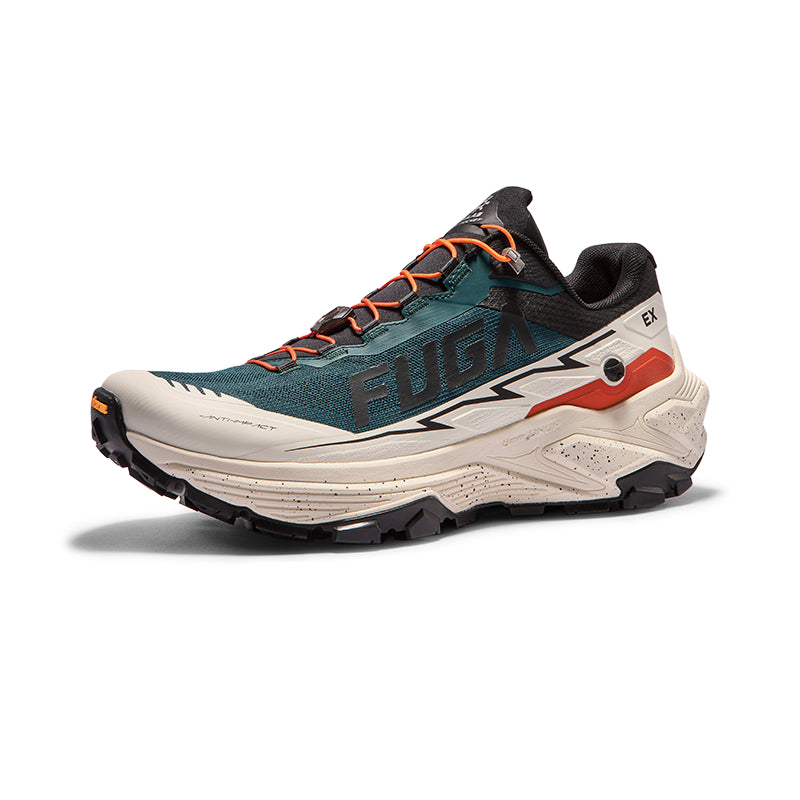
A lighter shoe can feel more comfortable on climbs and faster runs, but it still needs enough cushioning and grip for rough ground. The KAILAS FUGA EX 3 trail shoes Women's weigh around 8.8 oz (251g for a women's US 6.5) and use an ECCEVAI midsole to absorb impact and provide a responsive feel. Its Vibram® MEGAGRIP outsole has multidirectional lugs, with a design intended to support grip on both climbs and descents. It’s suited to mixed terrain, from dirt singletrack to rocky trails.
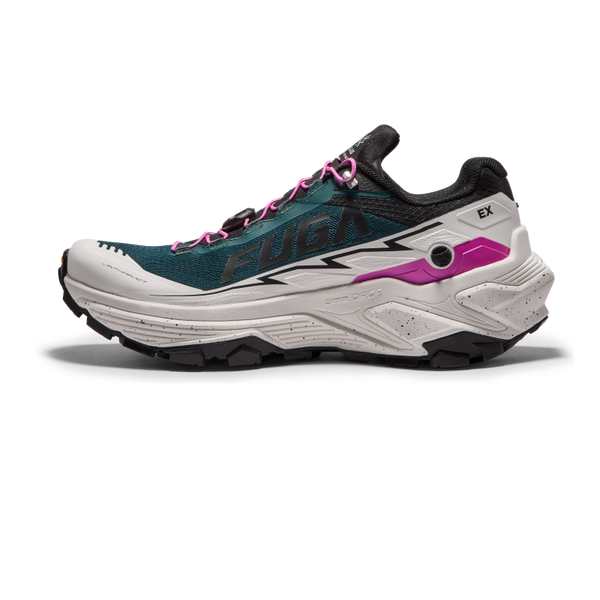
Best For: Everyday mixed-terrain training, rolling dirt singletracks, and fast-and-light runners.
Best Trail Running Shoes for Ultra-Distance Running
On a long mountain run, your feet take a lot of pounding, especially on rocky descents. The KAILAS FUGA EX 330 trail shoes are made for runners who want extra cushioning over long distances. Its supercritical foam midsole has a 21% thicker cushioning stack and 23% greater energy return than the EX 3. The breathable XDiMESH upper helps keep feet more comfortable as the miles add up, while the 6mm and 4mm lugs are designed to grip uneven ground, from wet roots to loose shale.
Best For: 50K-to-100-mile ultras, rugged backcountry days, and runners prioritizing premium shock absorption.
Best Waterproof Trail Running Shoes for Women
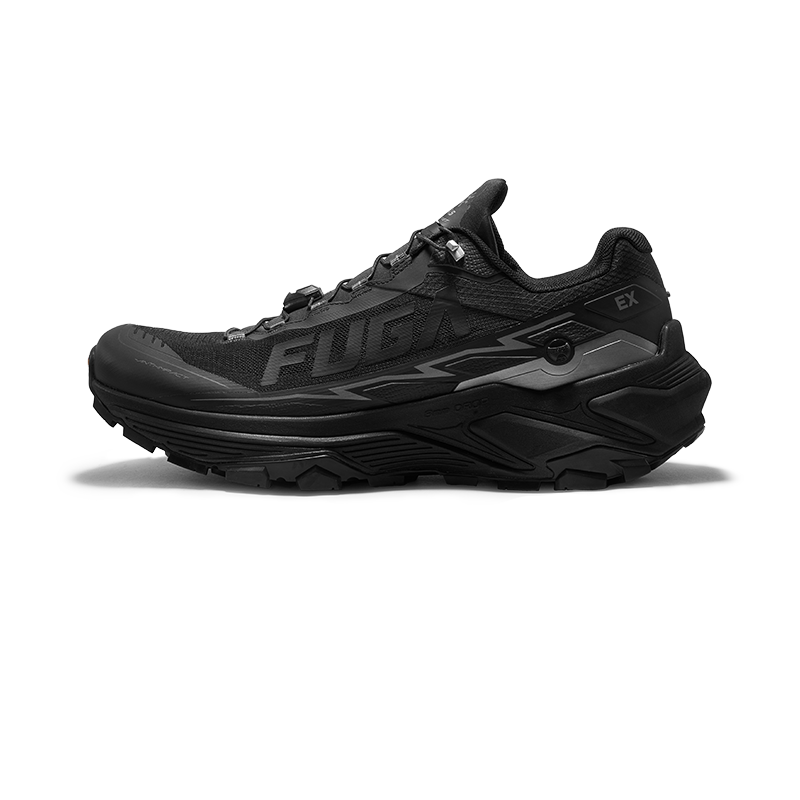
If your usual trails stay wet for days after it rains, the KAILAS FUGA EX 3 GTX Women's can help keep your feet dry through puddles and muddy sections. It has a GORE-TEX membrane, plus an ECCEVAI foam midsole for cushioning and a Vibram® outsole with 4mm lugs for grip on wet roots and leaf-covered ground. Understanding how waterproof trail running shoes balance protection, breathability, and traction can also help you choose the right footwear for wet conditions. It’s a good option for rainy runs, though waterproof shoes can feel warmer than mesh ones when the weather turns mild.
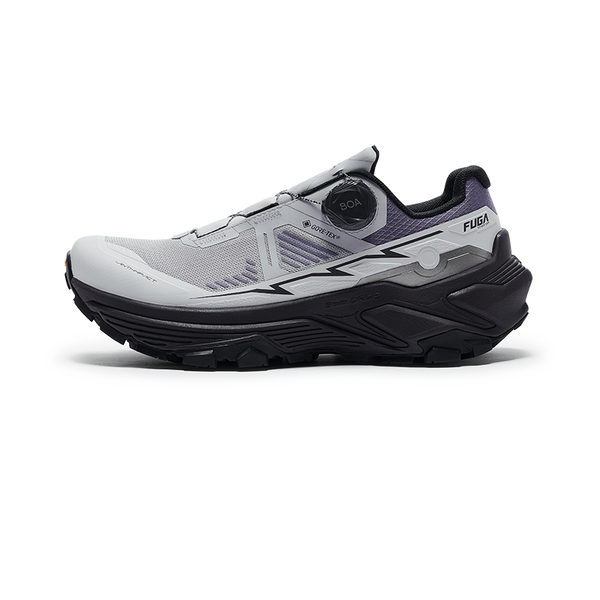
Best For: Rainy climates, muddy winter routes, and marshy lowlands.
Best Trail Running Shoes for Cushioning and Stability
If you like a cushioned shoe but often run over rocks or sloping trails, stability matters as much as softness. The KAILAS FUGA DU 2 trail shoes pair a dual-density midsole with an external TPU heel structure to help keep your foot secure on uneven ground.
Best For: Steep alpine terrain, off-camber paths, and runners seeking firm stability with responsive cushioning.
Comparison of the Best Women's Trail Running Shoes
The table below compares weight, cushioning, grip, and intended use to help you narrow down the options.
|
Comparison Criteria |
EX 3 Women's |
EX 330 Women's |
EX 3 GTX Women's |
DU 2 GTX Women's |
|
Weight |
8.8 oz / 251g (US W 6.5) |
10.0 oz / 285g (Sample size) |
11.6 oz / 330g (Sample size) |
≈11.5 oz / 328g (Sample size) |
|
Outsole / Lug Depth |
Vibram MEGAGRIP / 4mm |
Vibram MEGAGRIP / 6mm & 4mm |
Vibram Rubber / 4mm |
Vibram MEGAGRIP + LITEBASE / 4mm |
|
Midsole |
ECCEVAI Foam |
Supercritical Foam |
ECCEVAI Foam |
Dual-Density High-Rebound |
|
Heel-to-Toe Drop |
8mm |
5mm |
8mm |
6mm |
|
Waterproofing |
No (Breathable Mesh) |
No (High-Vent XDiMESH) |
GORE-TEX Bootie |
GORE-TEX INVISIBLE FIT |
|
Best For |
Mixed Terrain & Speed |
Ultra-Distance Mountain Runs |
Wet Trails & Soggy Climates |
Technical Terrain & Max Stability |
Note: Weight specs reflect manufacturer reference samples (US Women's 6.5 / EUR 37 for EX 3; unisex sample US Men's 8.5 / EUR 42 for EX 330, EX 3 GTX, and DU 2 GTX). Actual weight varies by size.

Tips for Maintaining Your Women's Trail Running Shoes
Mud, grit, and poor drying habits can wear out trail shoes faster. A few simple care steps can help keep the uppers, cushioning, and outsole in better shape.
Cleaning Mud and Dirt After Trail Runs
Don't toss your trail runners straight into the washing machine, because spin cycles and hot water break down the structural adhesives and weaken the heel counters. Instead, let caked-on mud dry completely, then clap the shoes together to knock the clumps loose. Grab a soft nylon brush with lukewarm water and mild soap, and scrub the grit out of the mesh pores and lug channels.
How to Dry Trail Running Shoes Properly
Direct heat sources, like car defroster vents, campfires, or clothes dryers, shrink technical uppers and warp foam midsoles. Pull out the insoles, loosen the lacing, and stuff the toe boxes with plain unprinted newspaper or paper towels to draw out internal moisture. Set them in a well-ventilated, shaded spot to air-dry naturally.
Protecting the Outsole and Upper Materials
Sharp trail stones and fine silt can grind away at stitch threads over time. Periodically rinse out fine granite dust, which acts like sandpaper against internal mesh fibers. If you run in swampy or clay-heavy areas, rinse off the lugs immediately post-run to prevent dried mud from hardening inside lug flex grooves.
When to Replace Your Trail Running Shoes
Most quality trail runners hold up well for 300 to 500 miles, depending on runner weight and trail roughness. Warning signs of retirement include worn-down traction lugs, visible wrinkling or bottoming out in the midsole foam, fabric tearing along the pinky toe, or lingering ankle fatigue after routine runs.
Conclusion
Picking out the best women’s trail running shoes comes down to knowing where and how you love to run. If snappy agility over smooth dirt is your aim, a lightweight build like the EX 3 keeps turnover effortless. When signed up for punishing ultra-distance verticals, the high-rebound cushion of the EX 330 saves your legs over the long haul. For wet seasons, rainy climates, or technical alpine ridgelines, opting for the weather-sealed protection of the EX 3 GTX or the surefooted stability of the DU 2 GTX gives you the confidence to run through whatever nature dishes out. Match the shoe to your terrain, lock in your fit, and enjoy every mile out on the trail.
FAQ
Are trail running shoes suitable for beginners?
Yes, trail running shoes are highly recommended for beginners venturing off-road because their aggressive grip and reinforced protective bumpers prevent slips and shield feet from jagged stones far better than slick road runners can. Choosing the right footwear also depends on whether you need trail shoes for trail running, particularly when transitioning from road running to uneven terrain.
Can you wear trail running shoes on pavement?
You can wear them on pavement, but doing so frequently will quickly wear down the soft, sticky rubber lugs and may feel somewhat stiff or clunky underfoot on hard, unforgiving asphalt.
Are waterproof trail running shoes better for winter?
Yes, waterproof trail shoes are generally better for cold winter runs involving shallow snow and slush because the membrane keeps freezing moisture out, though in warm rain they can trap sweat and take longer to dry if submerged.
What socks should you wear with women's trail running shoes?
You should wear moisture-wicking synthetic or merino wool trail socks, as they prevent friction hotspots, manage sweat effectively, and cushion high-impact zones far better than standard cotton socks.