






Come prevenire gli infortuni al ginocchio quando si corre sui sentieri
Il trail running ti avvicina alla natura, ma il terreno irregolare, le salite ripide e le superfici variabili sottopongono le ginocchia a uno stress maggiore. A differenza della corsa su strada, il trail running richiede continui aggiustamenti di falcata ed equilibrio, il che rende le ginocchia più vulnerabili a stiramenti e sovraccarico. Ridurre l'impatto, migliorare il controllo e rafforzare i muscoli sono elementi chiave per diminuire il rischio di infortuni.
Tipi comuni di infortuni al ginocchio nel trail running
Gli infortuni al ginocchio nel trail running spesso si sviluppano gradualmente a causa di stress ripetitivo, biomeccanica scorretta o recupero inadeguato. Riconoscere le patologie più comuni è il primo passo verso la prevenzione.
Sindrome dolorosa femoro-rotulea
La sindrome femoro-rotulea, nota anche come ginocchio del corridore, causa un dolore sordo intorno o dietro la rotula, soprattutto durante la corsa in discesa. Il terreno irregolare aumenta la pressione sul ginocchio, rendendola più comune nei trail runner. È spesso collegata a squilibri muscolari, come la debolezza dei quadricipiti o dei muscoli stabilizzatori dell'anca. L'allenamento di forza per le gambe e il core, insieme alla corsa in discesa controllata, può contribuire a ridurre il rischio.
Sindrome della bandelletta ileotibiale
La sindrome della bandelletta ileotibiale provoca dolore sul lato esterno del ginocchio a causa dell'irritazione del tessuto connettivo che va dall'anca al ginocchio. Condizioni del percorso come pendii e superfici irregolari possono peggiorare il problema. Rigidità delle anche e scarsa flessibilità sono fattori che contribuiscono frequentemente. Stretching regolare, utilizzo del rullo in schiuma ed evitare falcate eccessivamente lunghe sono misure preventive fondamentali.
Stress e degenerazione del menisco
Il menisco contribuisce ad assorbire gli urti nel ginocchio, ma può subire lesioni a causa di torsioni improvvise o terreni instabili. Sollecitazioni ripetute possono causare dolore, gonfiore o instabilità. La prevenzione si concentra sul rafforzamento dei muscoli intorno al ginocchio e sul miglioramento dell'equilibrio. Prestare attenzione al terreno e evitare di correre quando si è affaticati può inoltre ridurre il rischio di infortuni.

Come migliorare la tecnica di corsa per proteggere le ginocchia sui sentieri?
La forma di corsa influisce direttamente su come la forza viene distribuita attraverso le ginocchia, soprattutto su terreni irregolari e variabili. Sui sentieri, un movimento efficiente non riguarda solo la velocità, ma anche il controllo, la stabilità e la riduzione dell'impatto non necessario ad ogni passo, evidenziando l'importanza di benefici del trail running nello sviluppo di una maggiore coordinazione e stabilità articolare.
Ottimizza la lunghezza del passo e la cadenza
Mantenere una falcata leggermente più corta e aumentare la cadenza aiuta a ridurre l'impatto sulle ginocchia. Le falcate lunghe spesso portano il tallone ad appoggiare molto in avanti rispetto al corpo, creando una forza frenante e aumentando lo stress sulle articolazioni. Una cadenza più rapida incoraggia i piedi ad atterrare più vicino al baricentro, consentendo ai muscoli di assorbire gli urti in modo più efficace. Questo diventa particolarmente importante sui sentieri dove le superfici sono irregolari e richiedono continui adattamenti.
Utilizzare la corretta tecnica di corsa in discesa
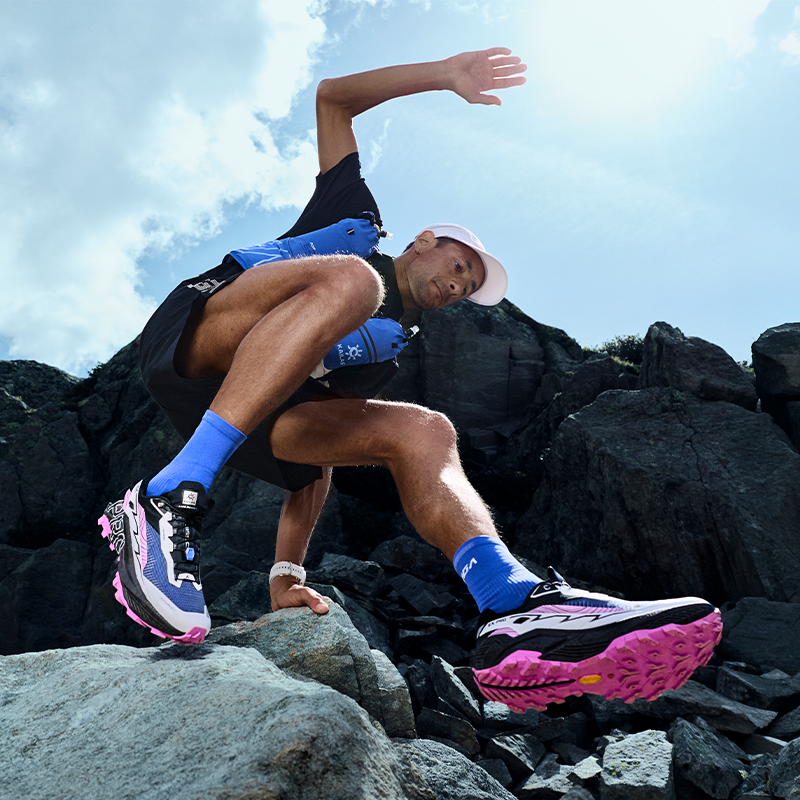
La corsa in discesa sottopone le ginocchia a uno stress maggiore, soprattutto nei tratti ripidi o tecnici. Molti corridori istintivamente si inclinano all'indietro e frenano a ogni passo, aumentando significativamente la pressione sull'articolazione del ginocchio. È invece consigliabile mantenere una leggera inclinazione in avanti e lasciare che il corpo segua la forza di gravità, anziché opporre resistenza. Mantenete passi leggeri e veloci per conservare il controllo. Attivare i muscoli del core e dei fianchi può inoltre contribuire a stabilizzare il movimento e a ridurre il carico sulle ginocchia.
Mantenere una postura corretta del corpo e un'inclinazione in avanti
Una postura stabile migliora l'equilibrio e riduce gli sforzi inutili.La postura deve rimanere eretta, con una leggera inclinazione in avanti a partire dalle caviglie, non piegandosi in vita. Questo allineamento mantiene il baricentro in equilibrio e consente transizioni più fluide su terreni irregolari. Spalle rilassate e un movimento costante delle braccia contribuiscono ulteriormente all'equilibrio, aiutandovi a reagire rapidamente ai cambiamenti del terreno senza sottoporre le ginocchia a sforzi eccessivi.
Migliorare il posizionamento del piede
Sui sentieri, è fondamentale posizionare i piedi con attenzione. Invece di reagire all'ultimo secondo, guarda avanti di qualche passo per pianificare dove appoggerai i piedi. Cerca superfici stabili e piane ed evita, quando possibile, rocce instabili o tratti scivolosi. Appoggiare i piedi dolcemente con le ginocchia leggermente flesse aiuta ad assorbire l'impatto e a ridurre lo stress sulle articolazioni. Sviluppare questa consapevolezza non solo protegge le ginocchia, ma migliora anche l'efficienza complessiva della corsa e la sicurezza su terreni tecnici.

Quale attrezzatura può proteggere le ginocchia durante la corsa in montagna?
L'attrezzatura giusta può fare una notevole differenza nella quantità di stress a cui sono sottoposte le ginocchia durante una corsa in montagna. Sebbene l'attrezzatura non possa sostituire una buona tecnica e la forza, può fornire supporto, migliorare la stabilità e ridurre l'impatto su terreni impegnativi.
Criteri di selezione per le scarpe da trail running
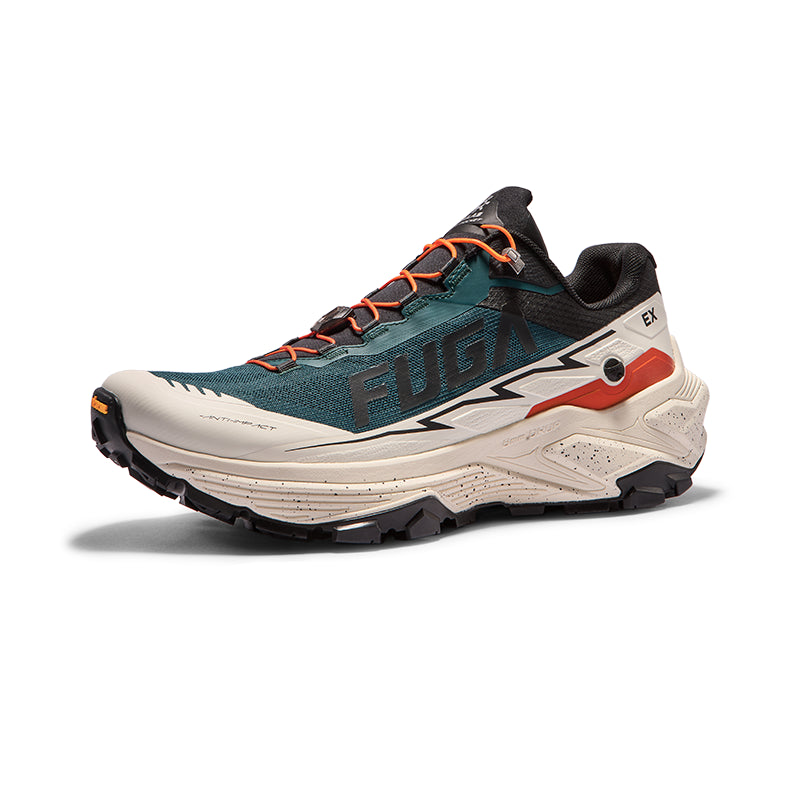
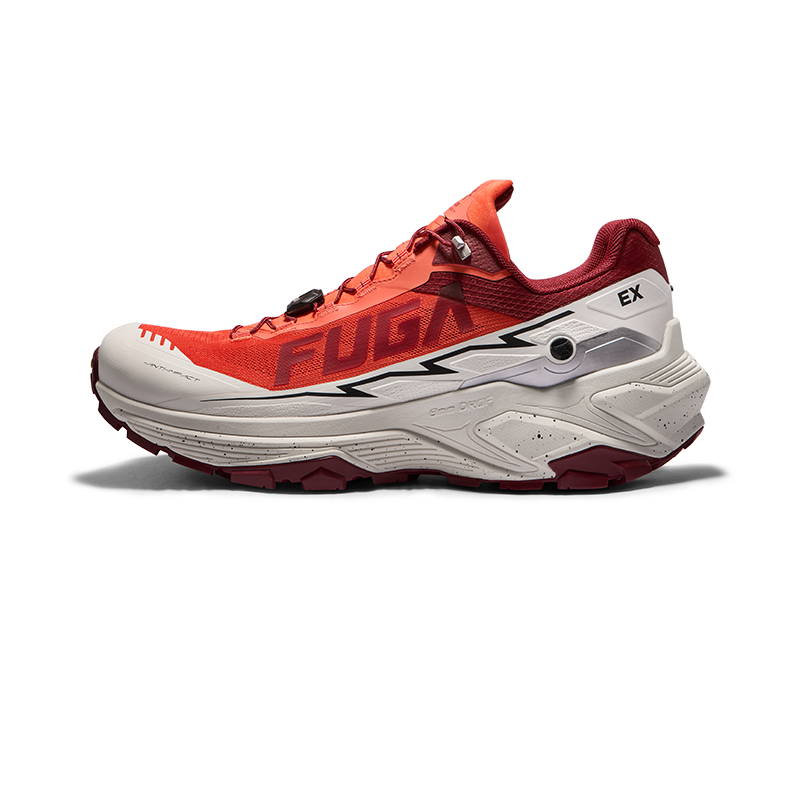
scarpe da trail running Dovrebbero offrire una buona aderenza, ammortizzazione e stabilità. Le suole con una forte trazione aiutano a prevenire lo scivolamento su superfici sconnesse o bagnate, riducendo gli improvvisi traumi al ginocchio. Un'ammortizzazione moderata può assorbire gli impatti senza compromettere la sensibilità al terreno, fondamentale per l'equilibrio. Una calzata sicura è altrettanto importante, in quanto mantiene il piede stabile e previene movimenti superflui che possono compromettere l'allineamento del ginocchio.
IL KAILAS
Per i percorsi più lunghi e impegnativi, il KAILAS
Utilizzo dei bastoncini da trekking per ridurre il carico sulle ginocchia
I bastoncini da trekking sono particolarmente utili nelle salite e discese ripide. Distribuendo parte del carico sulla parte superiore del corpo, riducono la pressione sulle ginocchia. In discesa, aiutano a controllare la velocità e a migliorare l'equilibrio, diminuendo il rischio di impatti improvvisi o passi incerti. Se usati correttamente, possono rendere le corse lunghe o tecniche meno faticose per le articolazioni.
Efficacia dei tutori per il ginocchio nella prevenzione degli infortuni
Le ginocchiere possono fornire un supporto aggiuntivo e una maggiore stabilità, soprattutto ai corridori che hanno sofferto di fastidi al ginocchio. Possono contribuire a migliorare l'allineamento e a ridurre lo sforzo durante i movimenti ripetitivi.Tuttavia, non bisogna farvi affidamento come soluzione principale. L'allenamento di forza, gli esercizi di mobilità e una corretta tecnica di corsa rimangono più importanti per la salute del ginocchio a lungo termine.
In che modo flessibilità e mobilità contribuiscono a prevenire il dolore al ginocchio?
Quando la mobilità è limitata, il corpo compensa in modi che mettono sotto stress le ginocchia. Migliorare la flessibilità e il controllo articolare aiuta a distribuire il movimento in modo più uniforme, riducendo lo sforzo inutile durante il trail running, motivo per cui il lavoro sulla mobilità dovrebbe essere una parte costante di qualsiasi allenamento. programma di allenamento per il trail running.
Migliorare la mobilità dell'anca per ridurre la compensazione dell'articolazione del ginocchio
La mobilità limitata dell'anca spesso costringe le ginocchia a svolgere un ruolo di rotazione e stabilizzazione eccessivo. L'aggiunta di riscaldamenti dinamici come circonduzioni dell'anca e affondi con rotazione, insieme a esercizi di potenziamento come i glute bridge e le alzate laterali delle gambe, può migliorare il controllo dell'anca. Una migliore funzionalità dell'anca riduce lo stress sulle ginocchia, soprattutto in salita e in discesa.
Allunga la banda ileotibiale e i quadricipiti
La tensione della banda ileotibiale e dei quadricipiti può esercitare una trazione sul ginocchio e comprometterne l'allineamento. Lo stretching post-corsa, che include esercizi di stretching per i quadricipiti in piedi e il rilascio mirato della banda ileotibiale con un rullo di schiuma, aiuta a ridurre la tensione. Mantenere questi muscoli rilassati permette al ginocchio di seguire un percorso più naturale e riduce il rischio di irritazione.
Migliora la mobilità della caviglia per un migliore assorbimento degli urti.
Una mobilità limitata della caviglia riduce la capacità del corpo di assorbire gli impatti, trasmettendo una maggiore forza direttamente alle ginocchia. Esercizi come le spinte della caviglia, i sollevamenti dei polpacci e gli esercizi di equilibrio su una gamba sola possono migliorare sia la flessibilità che la stabilità. Con una migliore mobilità della caviglia, ogni passo diventa più fluido e il carico sulle ginocchia si riduce.
FAQ
Con quale frequenza dovrei fare esercizi di mobilità per la salute del ginocchio?
È possibile eseguire esercizi di mobilità quotidianamente. Una breve routine prima della corsa aiuta ad attivare le articolazioni, mentre lo stretching o l'utilizzo del rullo in schiuma dopo la corsa contribuiscono a ridurre la tensione muscolare. Anche solo 10-15 minuti al giorno sono sufficienti, se eseguiti con costanza.
Gli esercizi di stretching dinamico sono migliori di quelli statici per i corridori?
Sì, gli esercizi di stretching dinamico sono più efficaci prima della corsa perché preparano i muscoli e migliorano il movimento. Gli esercizi di stretching statico sono più efficaci dopo la corsa per migliorare la flessibilità e ridurre la tensione.
Il rullo di schiuma aiuta a ridurre il dolore al ginocchio?
L'utilizzo del rullo in schiuma aiuta a ridurre la tensione muscolare a livello di fianchi, cosce e banda ileotibiale. Questo può alleviare la pressione intorno al ginocchio e migliorare la mobilità, risultando utile sia per la prevenzione che per il recupero.
Conclusione
Sui sentieri, le ginocchia si adattano costantemente a terreni irregolari, cambi di altitudine e lunghe discese. Mantenere un'andatura controllata, appoggiare i piedi dolcemente e preservare una buona mobilità contribuiscono a ridurre l'impatto. Col tempo, questi piccoli accorgimenti migliorano la stabilità e rendono il movimento più efficiente.
Allo stesso tempo, l'equipaggiamento dovrebbe supportare, piuttosto che ostacolare, i tuoi movimenti. Scarpe con una presa affidabile, un'ammortizzazione reattiva e una calzata sicura ti aiutano a rimanere stabile su terreni tecnici e a ridurre lo stress eccessivo sulle ginocchia. Opzioni come KAILAS Le scarpe da trail running sono progettate per queste condizioni, adattandosi naturalmente alle corse di lunga distanza e ai terreni misti senza interrompere il ritmo.