






Do I Need Trail Shoes for Trail Running? Understanding Trail Footwear Needs
Do you need trail running shoes, or can you use your regular running shoes on trails? The answer depends on the terrain. Road running shoes can work well on smooth dirt paths and dry gravel, but rocky, muddy, or steep trails often require better grip, stability, and foot protection. This guide explains when trail running shoes are worth buying, what features to look for, and how to choose the right pair for different trail conditions.
Why Is It Important to Wear Trail Running Shoes?
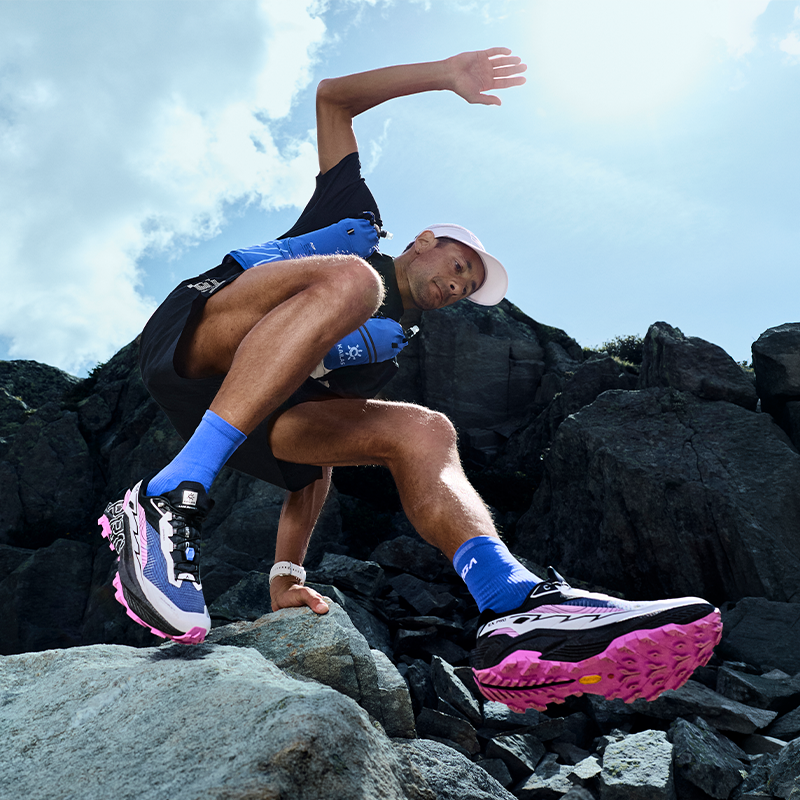
Trail shoes give you better traction, stability and foot protection on uneven ground. Those features really pay off on loose gravel, wet rocks, steep slopes or trails with exposed roots.
Improved Grip on Uneven Terrain
Road shoes are built mainly for pavement, so they can offer limited traction on loose dirt, mud or wet trails. Trail shoes use specialized rubber outsoles and multidirectional lugs to improve grip on uneven ground, especially when you're running uphill or downhill.
Better Stability on Challenging Trails
Uneven trails make it harder to stay balanced, especially on rocky paths and steep slopes. Trail shoes often come with wider bases, secure uppers and supportive midsoles to keep your feet stable. These features cut down on unwanted foot movement when you're running over uneven ground.
Enhanced Foot Protection on Technical Trails
Rocks, roots and other trail obstacles can cause discomfort or injury, especially on technical routes. Many trail shoes come with reinforced toe caps, durable uppers and extra underfoot protection to shield your feet from impacts and sharp objects.
What Features Should You Look for in Trail Running Shoes?
The right trail running shoes should match the terrain you run on most often. Pay attention to outsole grip, midsole cushioning, underfoot protection, and upper durability when comparing different models.
Outsole Lug Patterns for Reliable Traction
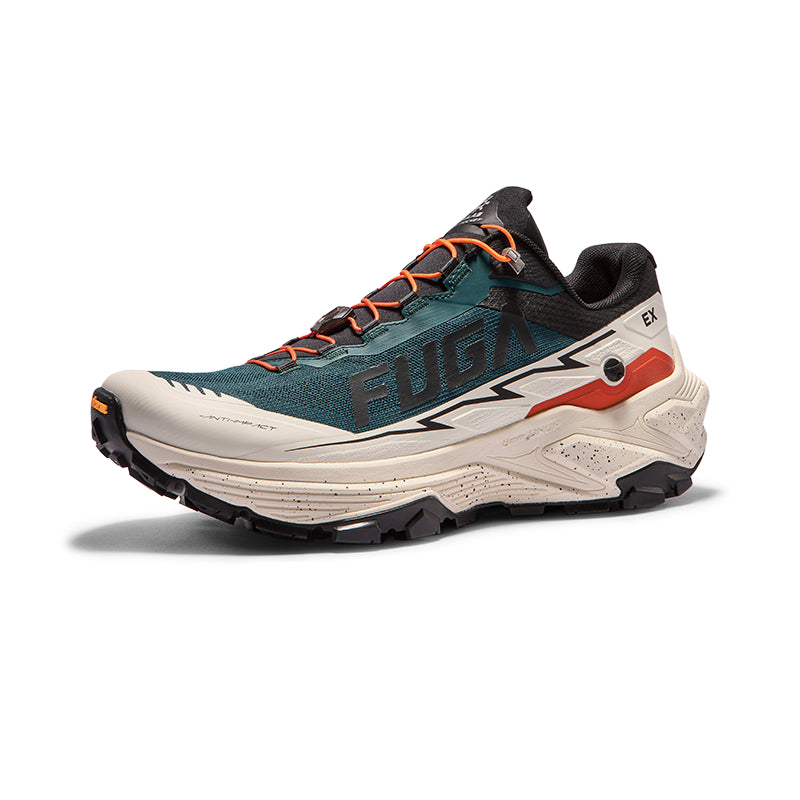
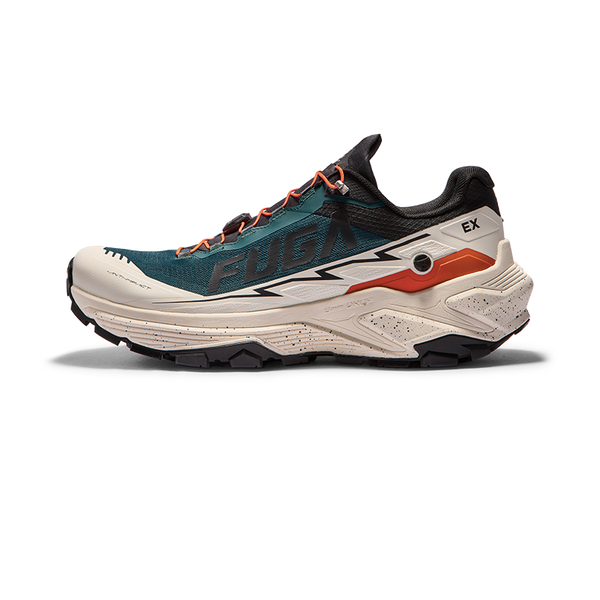
A shoe's grip comes down to lug shape, spacing and rubber compound. Shallow, tightly spaced lugs (around 2 to 3 mm) roll smoothly over dry, packed dirt, while aggressive 5 mm+ lugs shed sticky mud. For runners who want one shoe that handles everything from baked hardpack to damp river rock, the KAILAS FUGA EX 3 is a standout. It pairs a durable Vibram® Megagrip outsole with an engineered 3.4 mm multi-directional lug pattern designed to balance forward propulsion, lateral stability, and downhill braking. Backed by Kailas's dual-density ECCEVAI midsole and signature AWS 3.0 two-section tightening system, it delivers plush, responsive cushioning alongside a secure fit that prevents toe bruising on steep descents, making it an adaptable everyday trainer across shifting mixed terrain.
Midsole Cushioning for Comfort and Shock Absorption
Balancing ground feel and joint protection matters. If the midsole foam is too pillowy, you lose your sense of what's happening underfoot. Make it too rigid, and your shins will complain after 45 minutes on sunbaked clay. Look for responsive, medium-density foam that absorbs repeated downhill braking shock while still giving you a snappy toe-off.
Rock Plates for Underfoot Protection
A rock plate is a protective insert embedded within the midsole layers (or placed directly above the foam), usually made from semi-rigid TPU, nylon, or composite fiber. It helps ease pressure from sharp rocks and uneven ground. If you run rocky trails often, shoes with a rock plate give you extra protection, though they may feel a bit stiffer underfoot.
Protective Uppers for Durability and Debris Resistance
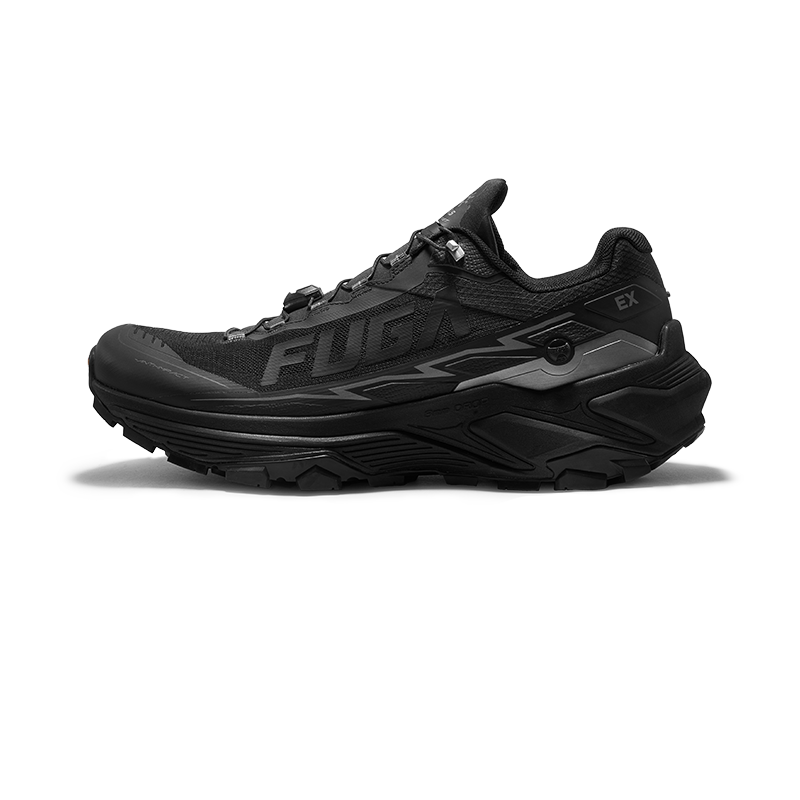
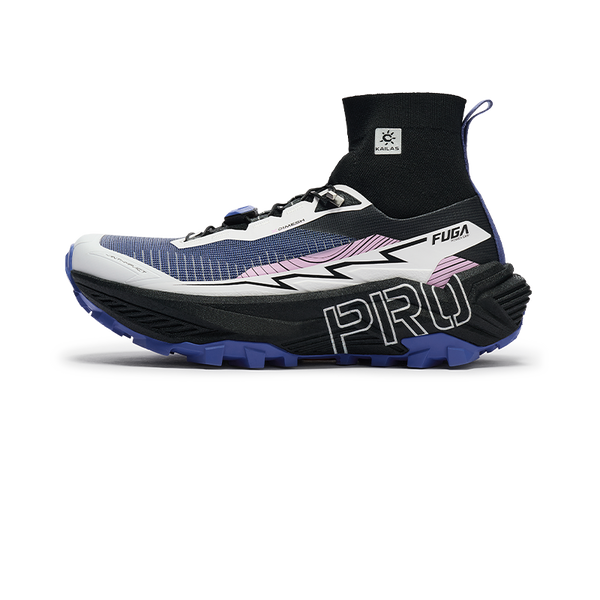
Standard road mesh lets fine silt, grit and stray twigs slip into your socks, which creates hotspots and forces an annoying mid-run stop. The KAILAS FUGA EX PRO GAITER solves this on loose, dusty ground by building a protective stretch-sock collar right into the shoe. That built-in barrier blocks scree, sand and trail grit from getting in at the collar, while the XDiMESH multidirectional weave keeps air flowing around your foot. For runners who regularly hit loose scree fields, sandy washes or unmaintained backcountry trails, this integrated build keeps out irritating debris so you can hold your pacing rhythm without interruption.
How Do You Choose Trail Running Shoes for Different Terrain?
Different trails call for different shoe features. Gravel paths generally need less aggressive traction, while muddy or rocky routes require more specialized outsoles and protection. The table below compares the features to consider for each terrain type.
|
Terrain Type |
Ideal Lug Depth |
Cushioning & Stack Height |
Rock Plate Needed? |
Primary Outsole Rubber |
|
Gravel & Hard-Packed Paths |
2 mm – 3.5 mm |
Moderate to High (Plush) |
Not Needed (Reduces forefoot flexibility) |
Firm, durable rubber blend |
|
Muddy & Wet Terrain |
5 mm – 7 mm (Wide spaced) |
Moderate Stack (Soft ground adds cushion) |
No (Soft ground absorbs impact) |
Soft, sticky wet-traction compound |
|
Rocky & Technical Routes |
4 mm – 5 mm |
Low to Moderate Stack (Low center of gravity prevents rolling) |
Highly Recommended |
Vibram® Megagrip or equivalent |
|
Mixed / Variable Terrain |
3.5 mm – 4.5 mm |
Balanced Energy-Return |
Optional / Lightweight insert |
Hybrid multidirectional sticky rubber |
Trail Running Shoes for Gravel and Hard-Packed Paths
Rail-trails, suburban bridle paths and packed dirt fire roads have a lot in common with road running. On these uniform surfaces, you don't need aggressive monster treads or stiff rock plates. In fact, tall lugs feel clunky on hard surfaces, and rigid rock plates limit the natural flex of your foot on uniform ground. Instead, opt for low-profile lugs (around 2 to 3.5 mm) paired with flexible, plush midsole cushioning that rolls smoothly from asphalt connectors right onto packed gravel.
Trail Running Shoes for Muddy and Wet Terrain
For muddy trails, go with shoes that have deep, widely spaced lugs (5 mm or more) for traction and to help shed mud. Wet rocks, logs and wooden bridges get slippery too, so look for outsole rubber built to hold grip on wet surfaces.
Trail Running Shoes for Rocky and Technical Terrain
Rocky trails with loose stones, exposed roots and uneven ground call for shoes with good grip and stability. Look for a protective toe cap, a secure midfoot fit and enough underfoot protection to cut discomfort from sharp rocks. A rock plate also helps on really rough terrain.
Trail Running Shoes for Mixed Terrain
A lot of scenic trail runs start right on city pavement before rolling through gravel service roads, hardpack switchbacks and technical climbs. On these longer outings, repeated impact adds up fast, so cushioning, energy return and adaptable traction all matter equally. The KAILAS FUGA EX 330 is built to strike that balance, with a high-rebound supercritical foam midsole that soaks up shock without feeling sluggish. Its Vibram® Megagrip outsole uses zone-tuned lug depths to handle directional stability, strong forward drive and controlled braking on descents. For endurance runners putting in long hours on shifting surfaces, this setup delivers the cushioned comfort and all-terrain grip to keep your legs fresh through high-mileage days.
Trail Running Shoe Fit Tips
A proper fit helps prevent blisters, toe injuries, and unwanted foot movement on uneven trails. When trying on trail running shoes, check the toe room, heel security, shoe width, and comfort with your usual running socks.
Proper Shoe Width for Natural Foot Movement
Feet naturally spread out when you're stabilizing on uneven ground. A shoe that squeezes your metatarsals together messes with your body's natural balance and invites painful friction blisters. Your forefoot should have room to spread out comfortably while the midfoot stays snug and locked down.
Adequate Toe Room for Downhill Running
Your feet can slide forward on downhills, pressing your toes against the front of the shoe. That leads to discomfort or bruised toenails. To prevent it, leave about a thumb's width of space between your longest toe and the front of the shoe when you're standing.
Secure Heel Fit to Prevent Slipping
Your heel should stay locked in place whether you're running uphill or downhill. Too much heel movement causes friction and blisters, especially on longer runs. If your heel slips a little, try heel-lock lacing before you drop to a smaller size.
Comfortable Fit with Trail Running Socks
Don't try on trail shoes with thin road socks or cotton gym socks. Trail-specific running socks made from merino wool or technical synthetics have extra padding at the Achilles, heel and toe box to cut friction and cushion impact. Bring your go-to trail socks when you try on new pairs so you can judge the real fit.

Other Trail Running Tips You Should Know
Besides choosing the right shoes, a little preparation can make trail running safer and more comfortable. Check trail conditions before heading out, carry appropriate gear, and adjust your pace to match the terrain.
Check Trail Conditions Before Your Run
Rain can make trails muddy and slippery, while fallen trees or maintenance work may block certain routes. Before your run, check apps like AllTrails or Trailforks, along with local park updates, for current trail conditions and closures.
Wear Appropriate Trail Running Gear
Beyond footwear, outdoor trail running exposes you to changing elements and shifting microclimates:
- Hydration Vest or Handheld Bottle: Trail outings almost always take longer than road runs of the same distance. Always bring water and electrolytes.
- Moisture-Wicking Apparel: Ditch cotton entirely in favor of breathable, quick-drying synthetics or lightweight merino wool.
- Basic Safety Essentials: A mini first-aid kit with blister tape, a whistle, a charged phone, and a lightweight wind shell or rain layer in case an unexpected front blows in.
Adjust Your Pace to the Terrain
Trail running is usually slower than road running because of hills, rocks and uneven ground. Instead of trying to hold your usual pace, adjust your speed to the terrain and how hard you're working. For better control on rocky descents, follow these tips on how to run downhill, and walk steep uphill sections when you need to save energy.
FAQ
Do You Need Trail Running Shoes for Easy Dirt Trails?
No, regular road running shoes are usually just fine for wide, flat dirt paths, well-graded rail-trails, and dry park loops. If the trail is smooth, devoid of sharp rocks, and mostly dry, your everyday trainers will provide adequate traction and comfort.
Can You Wear Regular Running Shoes on a Trail?
Yes, you can wear road running shoes on light, non-technical trails, but you should expect significantly less grip, quicker upper wear, and minimal underfoot rock protection. On damp, muddy, or jagged singletrack, road shoes offer less grip and underfoot protection, increasing the risk of slipping or bruising your soles. If you need footwear better suited to these conditions, compare the best trail running shoes for different terrain and running needs.
Do You Need Gaiters for Trail Running?
No, gaiters are not mandatory for everyday trail outings, but they are incredibly helpful if you run in deep sand, scree, or overgrown backcountry trails. A good gaiter keeps pebbles, dirt, and burrs from working into your shoes and causing blisters.
Do Trail Running Gaiters Keep Water Out of Your Shoes?
No, standard breathable trail running gaiters are made to block dirt, pine needles, and rocks, not water. While water-resistant or waterproof gaiters exist for wet snow, crossing a stream that rises above your shoe line will still result in wet feet from water soaking through the shoe mesh itself.
Conclusion
You don't always need trail running shoes for easy dirt paths or well-maintained park trails. However, if you regularly run on rocky, muddy, or steep terrain, dedicated trail shoes can provide better grip, stability, and protection. Choose a pair that fits comfortably and suits your usual trail conditions rather than focusing on aggressive tread or extra cushioning alone.