






Best Trail Running Shoes for Rocky Terrain: Choosing the Right Grip
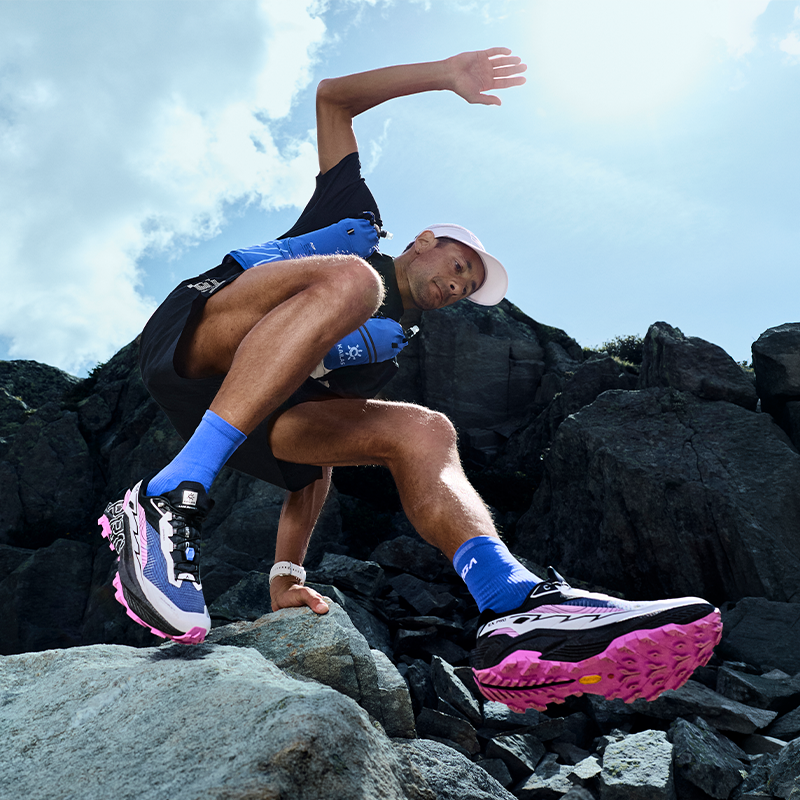
Rocky trails put extra demands on your shoes. Sharp stones, loose gravel, and uneven ground call for good traction, solid foot protection and a secure fit. Road shoes often lack the grip and support these conditions require. The best trail shoes for rocky terrain combine durable outsoles, protective cushioning and stability without giving up comfort. This guide covers what to look for and recommends shoes suited to technical trails, long-distance runs and steep descents.
Why Does Rocky Terrain Require Specialized Trail Running Shoes?
Rocky trails are harder on your feet than smooth dirt paths. Sharp stones can cause discomfort, loose gravel reduces traction, and uneven surfaces make it harder to maintain balance. Trail running shoes designed for these conditions provide additional grip, protection, and support.
Sharp Rocks and Uneven Surfaces
Sharp rocks can put extra pressure on your feet, especially when running over uneven ground. Without enough underfoot protection, repeated impacts can cause discomfort, bruising, and foot fatigue during longer runs.
Loose Gravel and Unstable Footing
Loose gravel can make it difficult to maintain traction, especially on steep slopes. Shoes with shallow tread patterns may struggle to grip these surfaces, while trail running shoes with deeper, multidirectional lugs provide better traction and stability on uneven ground.
Wet Rocks and Steep Descents
Wet rocks and steep descents can make it harder to maintain traction, increasing the risk of slipping. Trail running shoes with grippy rubber outsoles provide better traction on slippery rock surfaces, helping runners maintain stability when moving downhill.

What Features Matter Most in Trail Running Shoes for Rocky Terrain?
When choosing trail running shoes for rocky terrain, focus on outsole grip, underfoot protection, cushioning, and upper durability. These features affect how well the shoes handle sharp rocks, uneven ground, and repeated impacts.
Outsole Grip and Lug Design
Both rubber compound and lug design affect traction on rocky trails. Outsoles made with Vibram® Megagrip provide reliable grip on wet and dry rocks. For rocky terrain, medium-depth lugs (around 3.5–4.5 mm) with wider contact areas are generally a better choice than deep mud lugs, which can feel less stable on hard surfaces.
Rock Plates and Underfoot Protection
A flexible rock plate made from TPU, carbon composite, or woven ballistic nylon is essential gear. Sandwiched between the outsole and midsole, it disperses sharp, localized point impacts across a wider surface area without compromising your natural stride.
Cushioning and Stability
Soft midsoles may feel comfortable on flat trails, but they give you less stability on uneven rocky ground. Look for a midsole with enough cushioning to soak up repeated impacts while keeping firm lateral support. That helps cut foot fatigue and keeps your feet more stable when you land on angled rocks.
Durable Uppers and Toe Protection
Rocky trails wear down shoe uppers over time, especially thin mesh ones. Look for durable materials like reinforced ripstop or tightly woven mesh, plus TPU overlays for extra protection. A reinforced toe cap also helps protect your toes from accidental rock hits.
Choosing the Best Trail Running Shoes for Rocky Terrain
Different rocky trails call for different shoe designs. The following KAILAS FUGA models are suited to technical terrain, long-distance running, and loose gravel descents, with each offering features tailored to those conditions.
Best Trail Running Shoes for Technical Rocky Trails
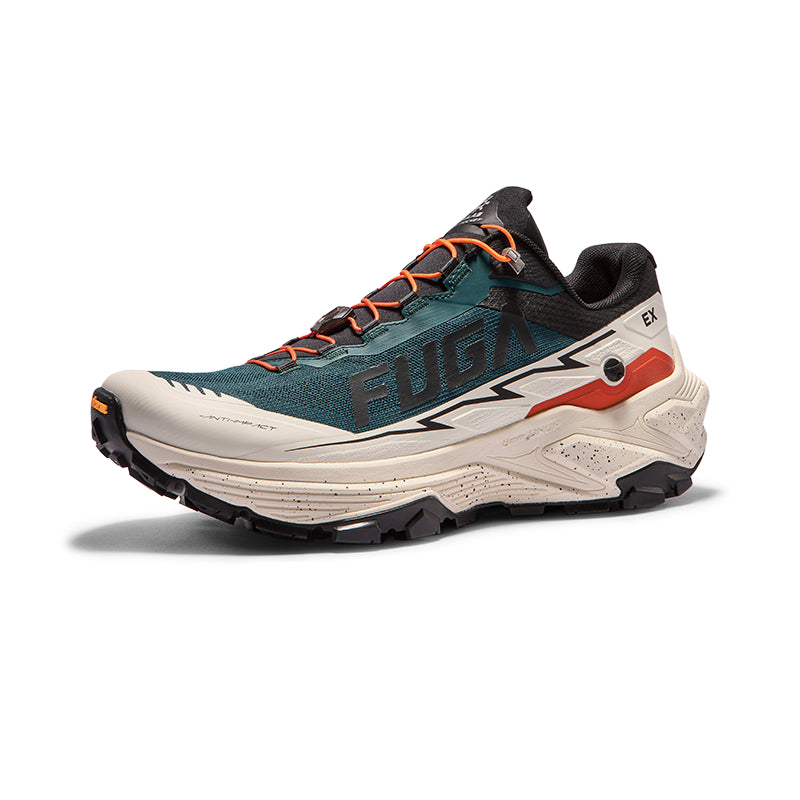
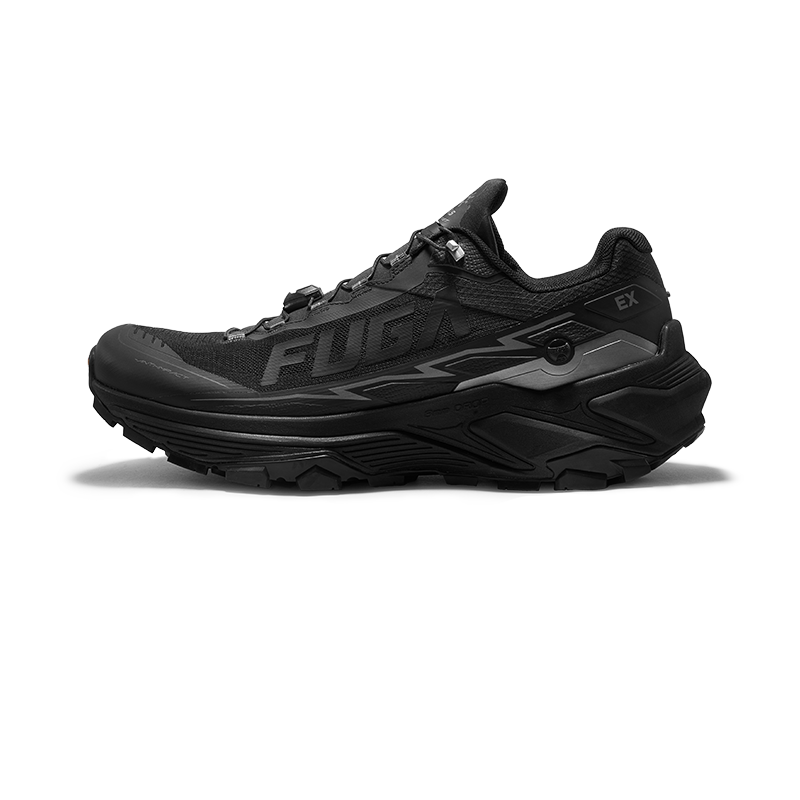
When your route is all narrow ledges, sudden turns and jagged scrambles, agility and reliable grip are everything. The KAILAS FUGA EX 3 is built directly for these high-precision routes. It comes with an industry-tested Vibram Megagrip outsole with 4 mm lugs and a zoned tread layout that adapts to different traction angles across changing rock slabs. If your weekend routes regularly throw mixed rock faces, roots and uneven switchbacks at you, this shoe belongs on your shortlist. Just weigh your own underfoot preference and how steep your descents are, since no rubber compound removes the need for attentive footwork.
Best Trail Running Shoes for Long-Distance Rocky Runs
Long runs on rocky trails put extra strain on your feet, making cushioning and stability especially important. The KAILAS FUGA EX 330 features a supercritical foam midsole that delivers 23% more rebound and 21% more cushioning than the standard EX 3. Its dual-depth lug design provides traction for climbing, cornering, and descending on varied rocky surfaces. With added cushioning and reliable grip, the EX 330 is a practical choice for long-distance trail runners looking to reduce foot fatigue.
Best Trail Running Shoes for Loose Gravel and Technical Descents
Bombing down loose switchbacks and shifting scree tests your shoe's lateral support as much as its rubber. The KAILAS FUGA DU 2 Series is built for the high-shear forces that come with steep, unstable descents. Loose pebbles roll under your feet while gravity pushes your foot forward inside the shoe. This series pairs aggressive grip patterns with reinforced sidewalls and precise lacing that clamps the midfoot firmly in place. Compare the individual trims in the lineup to match your local trail grade, and keep in mind that a dialed-in fit often matters more on technical descents than lug height alone.
Rocky Trail Running Shoes Comparison at a Glance
|
Rocky Terrain |
Recommended Shoe |
Key Selection Criteria |
|
Technical rocky trails |
KAILAS FUGA EX 3 |
Outsole grip and foot control |
|
Long-distance rocky runs |
KAILAS FUGA EX 330 |
Cushioning and rebound |
|
Loose gravel and technical descents |
KAILAS FUGA DU 2 Series |
Grip, support and secure fit |
Why Does Rocky Terrain Require Specialized Trail Running Shoes?
A secure fit is just as important as outsole grip on rocky trails. Your shoes should hold your heel and midfoot firmly while leaving enough room for your toes, especially when running downhill or covering longer distances.

Toe Box Space and Heel Lockdown
A proper trail fit requires a secure, anatomical balance. You want enough room in the toe box for your toes to splay naturally across uneven surfaces, paired with a cupped, immovable heel collar. If your heel lifts when stepping up steep inclines, that friction will produce nasty blisters well before your run is over.
How to Prevent Heel Slip and Foot Movement
Locking down the midfoot is your best defense against black toenails. Try heel-lock lacing using the extra top eyelet, or dual-dial lace systems to pin the instep firmly over your arch. Choosing the right trail shoe fit and sizing means keeping the midfoot and heel secure without cutting off circulation.
Sizing for Long-Distance Trail Runs
Feet swell over long miles, especially on hot summer runs across exposed mountain terrain. Many trail runners go up a half size from their everyday road shoe to leave enough toe-box clearance for long descents, where proper downhill running technique also helps maintain control.
Conclusion
The best trail shoes for rocky ground should fit the conditions you run most. If you're on technical trails, put grip and foot control first. For longer distances, lean toward cushioning. For loose gravel or steep descents, stability matters more. A secure fit and solid underfoot protection also keep you comfortable on uneven surfaces. Before you pick a pair, think about your usual terrain, how far you run and how you like a shoe to fit.
Frequently Asked Questions
What Lug Depth Is Best for Rocky Trail Running?
A lug depth between 3.5 mm and 4.5 mm is ideal for rocky terrain. Deeper 6 mm to 8 mm lugs are designed for soft mud and tend to bend, twist, and feel unstable when landing on firm, unyielding rock faces.
Can You Use Road Running Shoes on Rocky Trails?
No, don't wear road shoes on rocky trails. Road shoes have smooth, exposed midsoles and thin outsoles with little traction and no rock plate, so they slip dangerously on boulders and puncture easily on sharp rocks.
How Often Should You Replace Trail Running Shoes Used on Rocky Terrain?
Most trail running shoes last between 300 and 500 miles, but frequent use on sharp, abrasive rocks can wear out outsoles and degrade midsole foam closer to the 250- to 350-mile mark. Replace them once the lug edges round off or you begin feeling sharp stone pokes through the footbed.
Do Lightweight Trail Running Shoes Provide Enough Protection on Rocky Trails?
Yes, as long as they have a dedicated composite rock plate and durable reinforced uppers. A lightweight shoe can handle rocks safely if you don't sacrifice underfoot protection and midfoot lockdown for weight savings.