






Las mejores zapatillas Ultra Trail Running en 2026: guía de compra completa
Si buscas las mejores zapatillas de ultratrail para 2026, el par adecuado puede marcar la diferencia en tu rendimiento en largas distancias. Desde senderos embarrados del Reino Unido como el South Downs Way hasta rutas de montaña técnicas en el Lake District, el ultratrail exige zapatillas que ofrezcan un equilibrio perfecto entre amortiguación, agarre y durabilidad.
Esta guía explica qué buscar en unas zapatillas de ultramaratón y algunas de las mejores opciones disponibles este año. Tanto si buscas terminar la carrera en menos de 24 horas como si simplemente esperas completar tu primera carrera de 80 kilómetros sin sufrir ningún percance, encontrar el par adecuado es lo más importante que harás antes del día de la carrera.
Factores clave a considerar al elegir zapatillas de ultra trail running
Cuando elijas zapatillas para largas distancias, no te limites a coger las más llamativas. Vas a estar al aire libre durante más de diez horas, expuesto al clima británico. Pequeños detalles que resultan ligeramente molestos en una tienda pueden convertirse en desastres que arruinen la carrera. Así que aquí tienes lo que realmente importa.
Comodidad para correr distancias ultralargas.
Los pies se hinchan al estar de pie durante horas. No hay nada que puedas hacer al respecto. Si metes los dedos en un zapato demasiado estrecho, te vas a romper una uña en la primera bajada pronunciada. Así que busca algo con espacio en la parte delantera, pero que te quede bien ajustado en la parte media del pie para que no se te resbale.
Sistema de amortiguación para la absorción de impactos
Correr durante horas por senderos compactos y grava simplemente maltrata las articulaciones. zapatillas de trail running Necesitas una amortiguación que alivie el impacto y evite que tus piernas se duerman tan pronto. Buscas algo lo suficientemente suave para protegerte, pero no tan grueso como para que no puedas distinguir dónde pisas.
Estabilidad en superficies irregulares de senderos
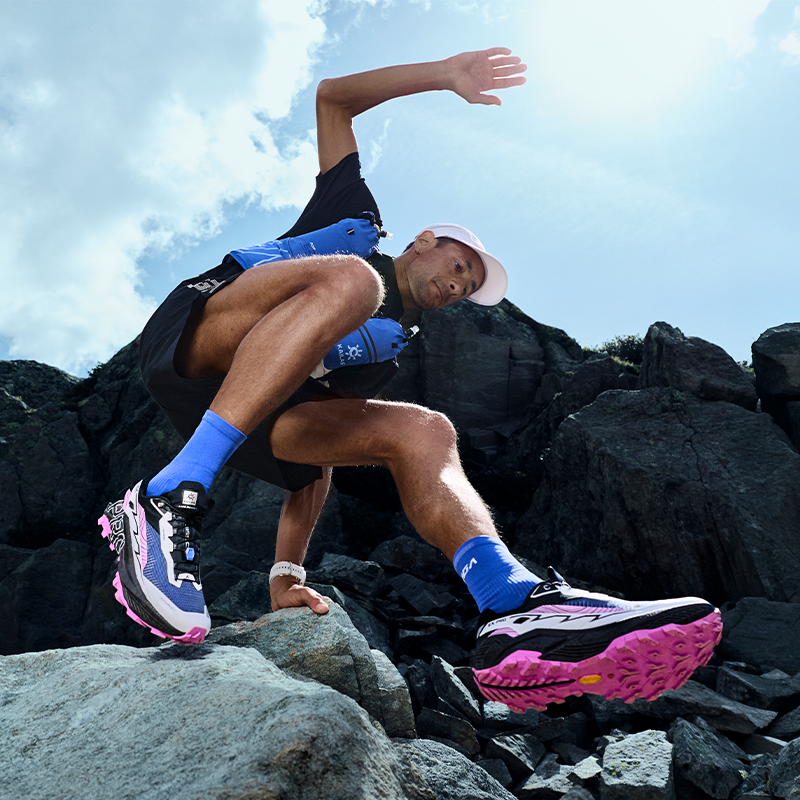
Esa sensación supersuave y esponjosa es ideal en caminos de grava llanos. Pero en cuanto te encuentras con raíces y terrenos técnicos, la cosa se complica rápidamente. Necesitas una plataforma ancha y estable, con una forma inteligente que impida que te tuerzas el tobillo cuando el sendero se vuelve difícil.
Protección para pies y dedos
En las carreras de montaña, te encontrarás con piedras que no viste, raíces afiladas y grava puntiaguda. Por eso, una buena zapatilla de ultradistancia necesita una puntera reforzada. Esto te protege de golpearte el pie contra algo peligroso. Además, la malla superior debe ser lo suficientemente resistente para soportar toda esa suciedad sin romperse a mitad de la carrera.

Las mejores zapatillas de trail running para un rendimiento óptimo en largas distancias.
Eso es lo que debes buscar en unas zapatillas de ultradistancia. Aquí tienes las mejores para 2026. Estas zapatillas tienen la tecnología y la resistencia necesarias para afrontar carreras realmente largas y duras.
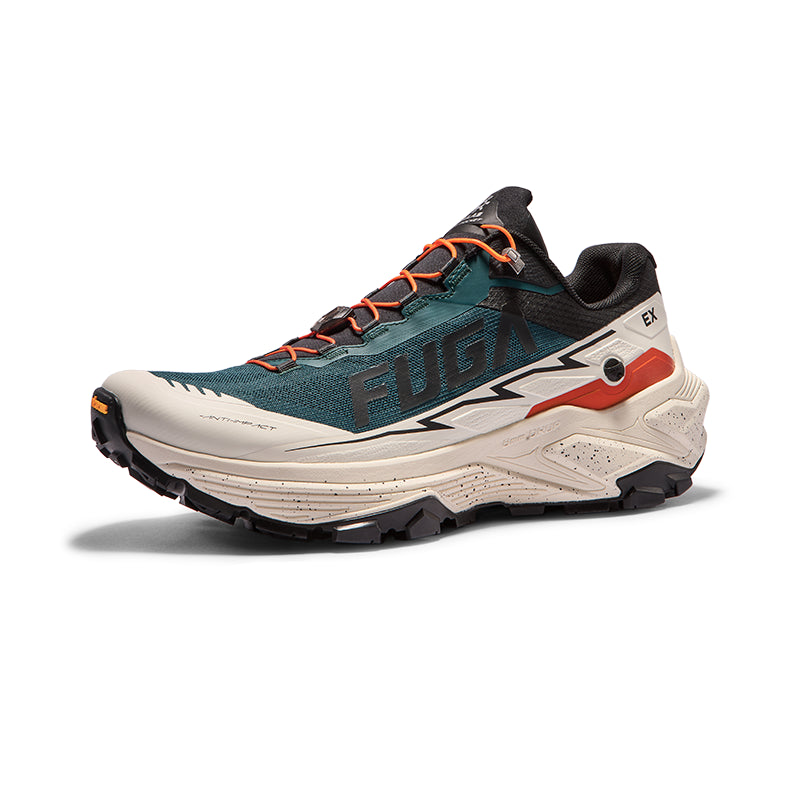
Kailas FUGA EJ 3
Si buscas una zapatilla de ultradistancia fiable y versátil para entrenamientos diarios y carreras largas por terrenos mixtos, la Kailas
-
Entresuela: La espuma ECCEVAI mejorada es ligera y elástica, con un 20 % más de rebote. Proporciona una pisada más suave y reactiva que se mantiene durante largas distancias.
-
El ajuste & Estabilidad: El sistema de cordones AWS 3.0 permite ajustar el calce en dos zonas. Ayuda a sujetar el pie y evita que los dedos se enganchen en descensos pronunciados. La nueva forma y el diseño trapezoidal del talón también mejoran el ajuste y la estabilidad en terrenos técnicos.
-
Agarre: Suela Vibram Megagrip con tacos multidireccionales agresivos. Te brinda una tracción segura en ascensos, descensos, roca mojada y senderos sueltos.La plataforma más ancha en la parte delantera y el talón proporciona mayor estabilidad.
-
Protección en el sendero: El sistema de sujeción de polainas de 4 puntos mantiene las polainas antiescombros en su lugar, para que la suciedad y la grava no entren durante las largas jornadas en el sendero.
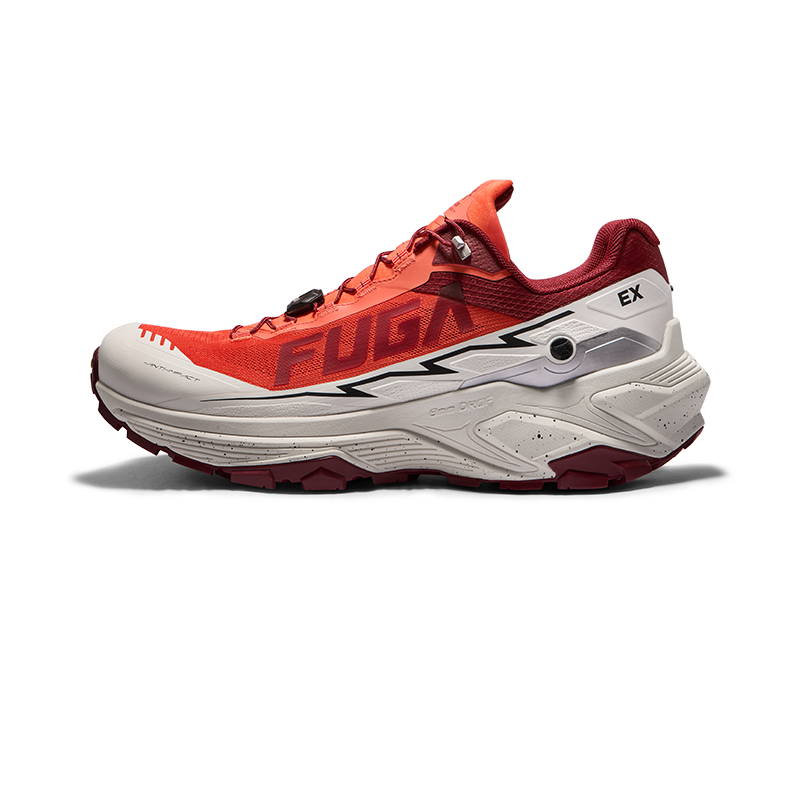
Kailas Fuga EX330
Para los corredores que quieren adentrarse más en distancias extremas, piensen en carreras de 100 millas o épicas de montaña de varios días, Kailas
-
La espuma: Esta versión utiliza una entresuela de espuma supercrítica más gruesa, diseñada para mejorar la amortiguación y la comodidad en largas distancias en comparación con el modelo EX 3 estándar. Proporciona una absorción de impactos máxima y mullida que reduce considerablemente la tensión en las articulaciones tras recorrer grandes distancias.
-
La construcción: A pesar de su suela más gruesa, la zapatilla sigue siendo relativamente ligera, con un peso aproximado de 285 g (talla 42 europea). La parte superior de malla técnica está diseñada para mejorar el flujo de aire y mantener la zapatilla transpirable durante esfuerzos de larga distancia.
-
El agarre: Está equipada con la avanzada tecnología Vibram® Megagrip Litebase y Traction Lug, que incluye tacos de doble profundidad (6 mm en los laterales para mayor estabilidad en las curvas y 4 mm en el centro para un mejor control de la frenada). Si te enfrentas a condiciones climáticas impredecibles en la montaña y largas jornadas de pie, esta es una opción fiable para disfrutar de comodidad en senderos exigentes.
| Característica | Kailas | Kailas |
| Lo mejor para | Entrenamiento diario de ultradistancia/Terreno mixto | Rutas de 100 millas/Épicas técnicas de montaña |
| Tecnología de la entresuela | Espuma supercrítica (ligera) & Sensible) | Espuma supercrítica gruesa (Maximalista) & Felpa) |
| Suela exterior | Vibram® Megagrip | Base Vibram® Megagrip Litebase & Taco de tracción |
| Peso (UE 42) | ~255 g (Más ligero, versátil) | ~285 g (Protección máxima) & amortiguación) |
¿Qué diferencia a las zapatillas de ultra trail running de las zapatillas de trail convencionales?
Quizás pienses que todas las zapatillas de trail son bastante parecidas. Pero las diseñadas para ultramaratones son completamente diferentes a las zapatillas de entrenamiento habituales para 10 km. Aquí te explicamos por qué vale la pena invertir en unas mejores si vas a correr largas distancias.
Durabilidad para carreras de larga distancia
Las zapatillas de trail convencionales priorizan la velocidad y la agilidad. Esto suele implicar materiales más finos y menos duraderos. ¿Y las zapatillas de ultradistancia? Empeines más resistentes, refuerzos más robustos y suelas de goma de alta resistencia. Diseñadas para soportar cientos de kilómetros en terrenos difíciles sin desgastarse.
Soporte para la estabilidad técnica del terreno
Tras 50 o 100 km, tu rendimiento se resiente. Estás cansado y sientes las piernas como plomo. Las zapatillas de ultradistancia te ayudan ofreciéndote una plataforma más ancha, un talón firme y una sujeción adaptable en el mediopié. Te mantienen erguido y seguro incluso cuando apenas puedes levantar los pies.
Protección contra los peligros del sendero
Las zapatillas de trail convencionales buscan ser ligeras. Las zapatillas de ultradistancia se centran en proteger los pies. Cuentan con placas protectoras más gruesas en la suela para evitar que las piedras afiladas lastimen la planta del pie. Además, incorporan guardabarros y refuerzos en la lengüeta más resistentes que impiden la entrada de suciedad.

Consejos de cuidado y mantenimiento para prolongar la vida útil del calzado.
El equipo para ultramaratones no es barato, y los senderos destrozarán tus zapatillas si no las cuidas. Dedica unos minutos después de cada carrera a revisarlas, y tu par favorito te durará cientos de kilómetros más.
Limpieza regular después de correr por los senderos.
No dejes barro pegado en tus zapatos. Así es como los matas. Cuando lavar zapatillas para corrers Después de una carrera complicada, simplemente enjuágalas con agua fría y usa un cepillo de dientes viejo para quitar la suciedad de las costuras y los tacos. El barro reseca la malla, la vuelve quebradiza y luego se agrieta.
Secado adecuado para prevenir daños
Nunca metas tus zapatillas de trail mojadas en la secadora ni sobre un radiador. El calor derrite el pegamento y daña la espuma. Saca las plantillas, rellénalas con papel de periódico y déjalas secar al aire libre. Eso es todo.
Monitoreo del patrón de desgaste para reemplazo
Presta atención a la suela y la entresuela. Si los tacos se desgastan, no tendrás agarre en el barro húmedo. Eso es buscarse problemas. Si ves pliegues profundos y permanentes en la espuma, o si te duelen las articulaciones más de lo normal después de correr, la amortiguación ya no sirve. Es hora de comprar un par nuevo.
Prácticas de cuidado del calzado a largo plazo
Si entrenas intensamente, te conviene alternar entre dos pares de zapatillas. Deja que cada par descanse 48 horas entre carreras. Así, la espuma recuperará su forma original. Es un truco sencillo que hará que ambos pares duren mucho más.
Preguntas frecuentes
¿Puedo usar zapatillas de correr en asfalto para correr por senderos?
Usar zapatillas de trail running para correr en carretera. Una cosa es eso, pero no, no es al revés. Las zapatillas de carretera no tienen el agarre necesario para el barro o las rocas mojadas. Y no protegerán tus dedos de los pies de las rocas y las raíces como lo hacen las zapatillas de trail.
¿Qué amortiguación es la mejor para correr ultratrails?
Algo con buena amortiguación, como esa espuma supercrítica. Absorbe mejor los impactos, protege tus articulaciones y evita que tus piernas se resientan tanto tras tantos kilómetros.
¿Las zapatillas de ultratrail deben ser ajustadas o holgadas?
Ajustan bien en el talón y el mediopié para evitar resbalones. Deja un espacio del ancho de un pulgar en la parte delantera. Los pies se hinchan ahí, y ese espacio extra protege las uñas de los dedos al bajar cuestas.
Conclusión
Correr un ultramaratón castiga los pies tanto como la mente. Así que consigue unas zapatillas diseñadas específicamente para ello: lo suficientemente amplias, con buena amortiguación y protección. Así podrás olvidarte de las ampollas y simplemente correr. Conoce el tipo de terreno de la carrera, elige las zapatillas adecuadas y cuídalas. Eso es todo.
Si quieres ver cómo son estos zapatos ultra de Kailas