






Swiss Peaks Trail Ultra Race : Parcours Alpes Suisses
Le Swiss Peaks Trail est l'un des plus grands sentiers des Alpes. Il traverse le Valais, des glaciers d'altitude jusqu'au lac Léman, au Bouveret. Proposant des distances allant de 10 km à 660 km, il couvre un vaste territoire. Quel que soit votre choix, préparez-vous à des ascensions abruptes, des descentes techniques et une météo changeante. Ce guide décrit le parcours, les difficultés du terrain, l'équipement nécessaire et comment s'entraîner pour réussir votre randonnée.
Qu'est-ce que le sentier SwissPeaks ?
Le SwissPeaks Trail est un ultra-trail de montagne qui se déroule dans le Valais, en Suisse. L'événement propose plusieurs distances, allant de courses de trail plus courtes à des ultras exigeants. Les parcours les plus longs présentent un dénivelé important et un terrain alpin technique.
Une course entre glaciers et lacs à travers le Valais
La course vous emmène des hauts glaciers alpins jusqu'aux rives du lac Léman. Selon la distance, les départs se situent au col de l'Oberalp (à la frontière entre l'Uri et les Grisons) ou dans des lieux plus reculés du Valais, comme le Val de Bagnes. Le parcours serpente à travers des vallées isolées, des forêts de pins et des plateaux d'altitude dégagés avant l'arrivée au Bouveret, au bord du lac. Il offre aux coureurs une grande variété de paysages valaisans, des hauts sommets alpins aux vallées reculées, en passant par les forêts et les sentiers lacustres.
Dates et lieu du sentier Swiss Peaks
La course se déroule de fin août à début septembre, période idéale pour profiter pleinement des Alpes. Les cols sont alors dégagés de neige et les refuges sont encore ouverts. Le point de ralliement principal et l'arrivée se situent au Bouveret, petite ville lacustre du Valais, près de la frontière française. Facile d'accès, on peut s'y rendre en avion jusqu'à Genève ou en train. Les deux options sont possibles.
Distances de course : de 10 km à 660 km
L'événement SwissPeaks propose des distances pour tous les niveaux. Bien sûr, il est célèbre pour son ultra-trail Monster 660K, mais il offre bien plus. Des courses sont organisées pour les débutants comme pour les coureurs confirmés. Vous pouvez choisir votre distance en fonction de votre expérience.
| Catégorie de course | Distance (environ)) | Gain d'altitude | Format & Style |
| SwissPeaks 660K | 660 km/410 miles | ~49 000 m/160 700 pieds | Ultra traversée extrême en solo à travers le Valais |
| SwissPeaks 360K (Odyssée) | 360 km/223 miles | ~25 500 m/83 600 pieds | Méga-ultra emblématique de plusieurs jours |
| SwissPeaks 170K (Légende) | 170 km/105 miles | ~11 500 m/37 700 pieds | Référence alpine classique de 100 miles |
| SwissPeaks 100K/70K/42K | 100 km, 70 km, 42 km | Dénivelé vertical de 4 000 m à 6 200 m | Ultra-trails de montagne en une seule étape et en haute altitude |
| SwissPeaks 21K/10K | 21 km & 10 km | Dénivelé vertical de 500 m à 1 500 m | Courses rapides et pittoresques sur sentiers de montagne |
Pourquoi tous les parcours se terminent au lac de Genève
L'arrivée au Bouveret offre un contraste saisissant avec les portions plus élevées du parcours. Après des heures passées sur des sentiers alpins, les coureurs descendent enfin vers le lac Léman et des terrains de plus basse altitude.
À quoi ressemble le cours SwissPeaks ?
La préparation pour SwissPeaks doit se concentrer sur l'ascension, la descente, l'endurance et les compétences techniques en sentier.
Longues ascensions à travers les Alpes valaisannes
Les longues ascensions constituent l'un des principaux défis des parcours les plus longs du Swiss Peak. Au lieu de maintenir une allure de course normale, les coureurs doivent gérer leur effort lors des ascensions prolongées. La marche rapide peut s'avérer plus efficace dans les passages les plus raides, permettant ainsi de conserver de l'énergie pour les descentes et les dernières étapes de la course.
Sentiers rocailleux et descentes techniques
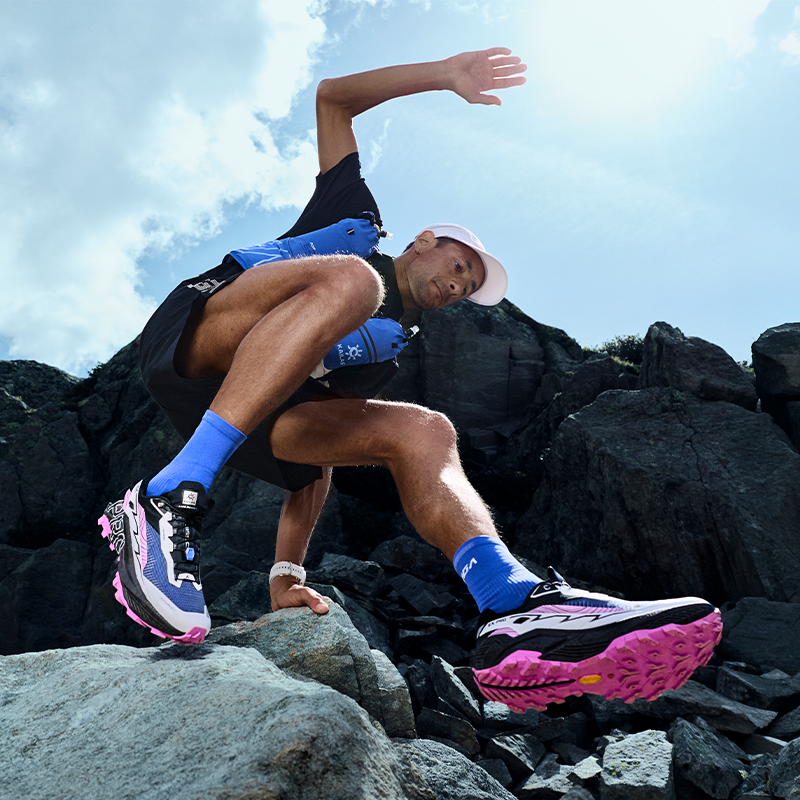
Les descentes peuvent être abruptes et techniques, avec des pierres instables et un terrain accidenté qui rendent la progression plus difficile. Les longues descentes sollicitent davantage les chevilles et les quadriceps ; les coureurs devraient donc inclure un entraînement technique en descente dans leur préparation. toutes les chaussures de trail Pour ce type de terrain, privilégiez l'adhérence de la semelle extérieure, la stabilité latérale et un bon maintien plutôt que de choisir uniquement en fonction de l'amorti.

Sentiers forestiers, villages et cols de montagne
Le parcours n'est pas technique du début à la fin. Vous emprunterez des sentiers forestiers, traverserez des villages alpins et longerez des chemins de vallée plus tranquilles. Ces portions plus faciles permettent de varier les terrains et de récupérer avant la prochaine ascension.
Dénivelé positif pour chaque distance de course
Le dénivelé positif est plus révélateur de la course que la distance elle-même. Le 360 km cumule plus de 25 500 mètres de dénivelé (environ 83 600 pieds), tandis que le 170 km totalise près de 11 500 mètres (environ 37 700 pieds) de dénivelé. Pour ces épreuves, le dénivelé positif peut être plus important que la distance. Si c'est votre premier ultra-trail alpin longue distance, concentrez-vous sur le dénivelé.Les coureurs venant de régions situées à des altitudes plus basses doivent également tenir compte de course en sentier en haute altitude, Là où l'air raréfié peut modifier la respiration, l'allure soutenable et la fatigue lors des longues ascensions, l'entraînement doit toujours inclure des montées et des descentes régulières, en quantité suffisante pour préparer vos jambes aux variations constantes de rythme.
Comment la météo peut changer le cours
La fin de l'été dans les Alpes est imprévisible. On peut commencer la journée sous un ciel dégagé et, une heure plus tard, se retrouver sous une pluie verglaçante, un épais brouillard ou de la grêle. Les températures au-dessus de 2 100 mètres peuvent chuter rapidement. De bons vêtements imperméables et chauds sont indispensables : ils vous protègent efficacement lorsque le temps change.
Comment se préparer pour le sentier des Swiss Peaks
S'entraîner pour SwissPeaks, c'est maîtriser quelques aspects essentiels : la montée, la descente, l'endurance pour les longues journées d'aventure et la maîtrise des sentiers accidentés. Si vous prévoyez une longue randonnée, il faut également prendre en compte la course de nuit, les changements météorologiques rapides et les longues périodes passées debout.
Développer sa force pour les longues ascensions alpines
Des jambes fortes et un tronc solide sont essentiels pour gravir les pentes. Les montées sur step lestées, les squats, les fentes et les exercices inclinés développent les muscles nécessaires pour affronter les dénivelés importants. Si vous habitez en plaine, utilisez un appareil de musculation des escaliers et trouvez des côtes pour faire des répétitions. La force verticale ne s'improvise pas le jour de la compétition. Développez-la dès maintenant.
Entraînez vos jambes aux descentes abruptes
Les longues descentes alpines mettent vos quadriceps et vos genoux à rude épreuve. Il vous faut des jambes robustes et des chaussures adaptées. Sur 170 km et 360 km, les descentes constantes usent rapidement les chaussures de running classiques. C'est pourquoi des chaussures conçues pour les terrains longs et techniques sont essentielles.
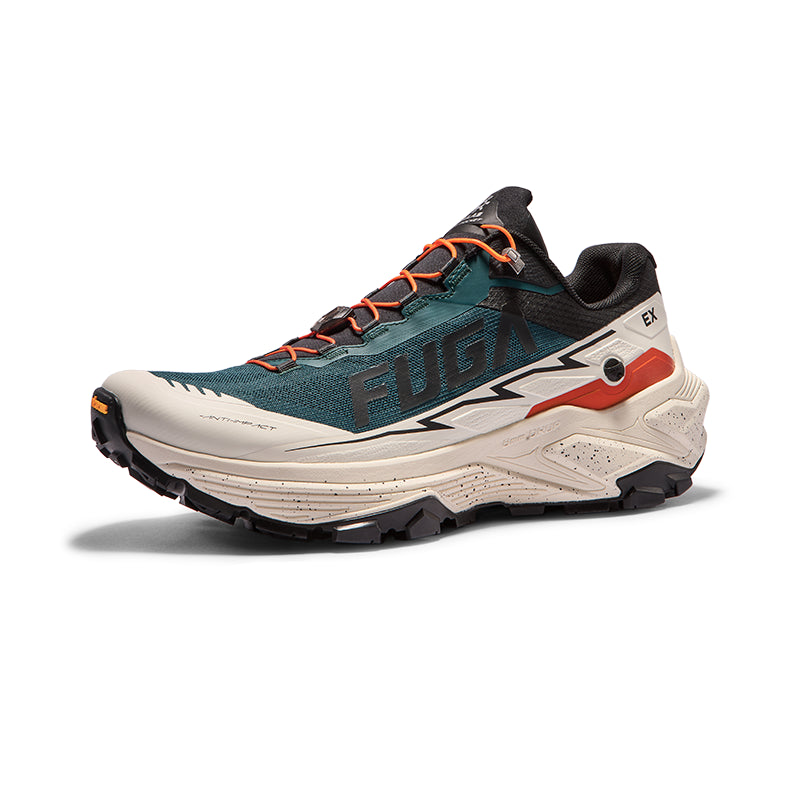
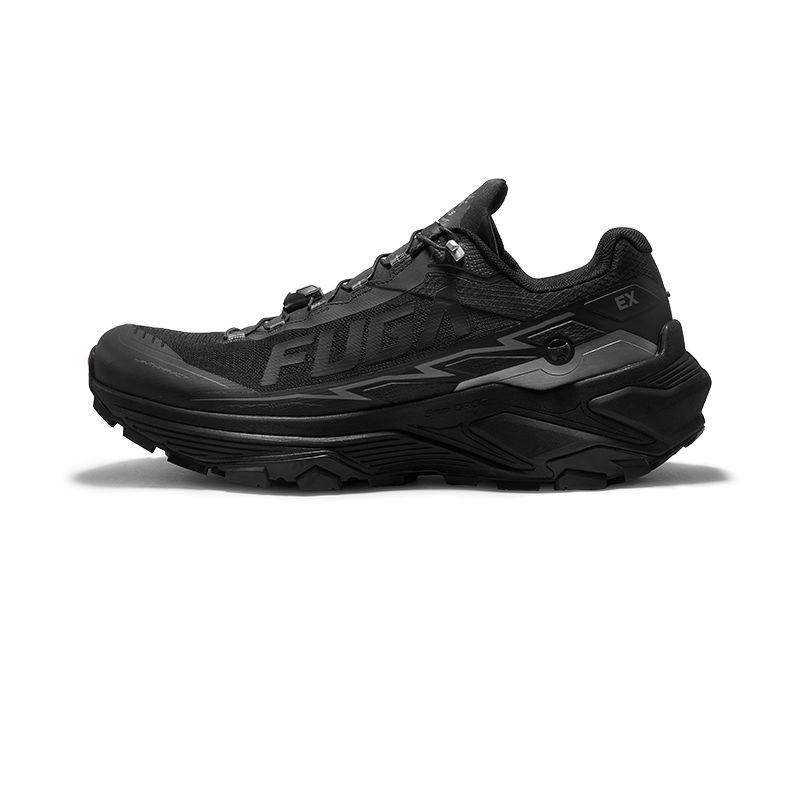
Chaussures recommandées pour les longues descentes alpines
Le KAILAS
Sur rochers mouillés, éboulis instables et passages techniques comme ceux de Swiss Peaks, l'adhérence et la stabilité sont primordiales. KAILAS

Pratiquer la randonnée rapide avec des bâtons de course
Les bâtons soulagent la charge lors des longues ascensions et offrent une meilleure stabilité sur terrain accidenté. Entraînez-vous sur des sentiers escarpés. Apprenez à alterner fluidement entre course et marche rapide. Si vous utilisez des bâtons pliables, entraînez-vous à les déplier et à les ranger en mouvement. Mieux vaut éviter d'avoir à improviser en pleine course.
Préparez-vous pour la course de nuit et les intempéries.
Entraînez-vous à courir dans l'obscurité avant la semaine de la compétition. Les longues distances vous amèneront à courir de nuit, alors familiarisez-vous avec votre lampe frontale et la lecture du sentier en faible luminosité.Testez également vos vêtements imperméables et chauds sous la pluie et le vent. Vous éviterez ainsi de découvrir le jour de la course qu'ils ne sont pas étanches ou assez chauds.
Consultez la liste officielle du matériel obligatoire
Les organisateurs de la course prennent les contrôles de matériel très au sérieux. Vous ne recevrez pas votre dossard sans avoir prouvé que vous possédez l'équipement requis. Cela inclut notamment un vêtement imperméable à coutures étanches.
Liste de vérification du matériel essentiel et obligatoire :
-
Étanche
Veste : Joints étanches, résistance minimale à l'eau de 10 000 mm. -
Couches de base thermiques : Haut thermique à manches longues et collant de course long.
-
Phares & Piles : Lampe frontale principale (minimum 300+ lumens) plus une lampe de secours secondaire avec piles de rechange.
-
Hydratation & Nutrition: Capacité d'au moins 1,5 litre de liquide plus des calories d'urgence.
-
PREMIERS SECOURS & Sécurité: Bandage élastique, sifflet, couverture de survie et téléphone portable avec couverture suisse.
Planifiez les postes de secours, les sacs de ravitaillement et le couchage.
Sur les longues distances, les sacs de ravitaillement peuvent faire toute la différence. Préparez-les soigneusement : chaussettes propres, lubrifiant supplémentaire, batteries externes et de quoi vous faire plaisir après des heures de course. Pour les 360 km et 660 km, de nombreux coureurs devront gérer leur sommeil autant que leur alimentation et leur hydratation. Si vous prévoyez de courtes pauses pour dormir, testez cette stratégie lors de longs stages d’entraînement plutôt que de l’essayer pour la première fois en course.
FAQ
Avez-vous besoin de points ITRA pour SwissPeaks ?
Les points ITRA ne sont pas forcément la condition principale pour participer à une course SwissPeaks. Cependant, les coureurs doivent vérifier les conditions d'inscription pour la distance choisie, notamment pour les ultras longs.
Pouvez-vous avoir un stimulateur cardiaque ?
Non. Toutes les distances entre les points de ravitaillement ne sont pas couvertes. Vos amis peuvent vous encourager aux endroits prévus à cet effet, mais ils ne peuvent pas courir avec vous sur le sentier. C'est strictement interdit.
Quand les fichiers GPX des sentiers SwissPeaks seront-ils disponibles ?
Les fichiers GPX officiels sont généralement envoyés aux coureurs inscrits deux à trois semaines avant la course. Les organisateurs attendent ce délai car les sentiers de haute montagne peuvent évoluer rapidement. La neige peut persister, un glissement de terrain peut fermer une portion de parcours, ou les équipes d'entretien peuvent effectuer des travaux de dernière minute. Leur objectif est de vous fournir des données de parcours précises, et non des informations déjà obsolètes.
Conclusion
Le sentier des Swiss Peaks est un véritable défi. Le dénivelé à lui seul vous impressionnera. Ajoutez à cela le terrain accidenté et le fait que vous y passerez des heures, voire des jours, et vous aurez affaire à une épreuve redoutable. Commencez par choisir une distance adaptée à votre niveau. N'en faites pas trop. Ensuite, axez votre entraînement sur le dénivelé positif, le dénivelé négatif et le temps passé debout. Ce sont les aspects les plus importants.
Testez vos chaussures, vos bâtons et vos vêtements. N'attendez pas le jour de la course pour vous rendre compte qu'un équipement vous frotte ou ne vous va pas. Et consultez le règlement de la course avant de partir ; il change d'une année à l'autre.Une fois tous ces éléments réglés, vous pourrez consacrer le jour de la course à vous concentrer sur le parcours lui-même, au lieu de vous démener pour résoudre des problèmes que vous auriez pu régler des mois auparavant.