







Estiramientos de carrera para corredores de senderos: mejore la flexibilidad & Prevenga lesiones
Ya sea que estés corriendo por las páramos embarrados del Distrito de los Lagos o abriéndote paso por un sendero costero técnico, correr por senderos requiere más que buena forma física. Necesitas un cuerpo que pueda adaptarse a terrenos en constante cambio. Esta guía explica por qué el trabajo de movilidad es la mejor opción para evitar lesiones, destaca los grupos musculares que realmente necesitas trabajar y proporciona una rutina práctica de calentamientos dinámicos y estiramientos estáticos para ayudarte a recorrer terrenos irregulares con confianza.
Por qué estirar es esencial para los corredores de montaña
Los estiramientos te preparan para correr al aire libre. Correr en carretera es bastante predecible. Carreras de montaña No lo es. Te enfrentas a terrenos irregulares, descensos pronunciados y cambios de dirección repentinos a cada paso. Frenas y absorbes impactos constantemente en esos tramos cuesta abajo, lo que ejerce mucha más presión excéntrica sobre tus piernas que correr en carretera.
Por qué la flexibilidad te protege de lastimarte
Bajar cuesta abajo ejerce una enorme carga excéntrica sobre los cuádriceps, las pantorrillas y los músculos estabilizadores. Estos trabajan intensamente para mantener el control. Cuando estos músculos se tensan o se cansan, las rodillas y los tobillos soportan mayor impacto, lo que puede provocar lesiones por sobreesfuerzo en terrenos técnicos. Además, están los resbalones. Si te encuentras con una roca mojada o un charco de barro, los músculos con mayor movilidad pueden absorber mejor la fuerza repentina, mientras que los tejidos con movilidad reducida son más vulnerables a las distensiones y las lesiones por sobreesfuerzo. Para eso sirve la flexibilidad: evita que los tendones y ligamentos lleguen a su límite al tropezar, permitiéndote caminar en lugar de cojear de vuelta al coche.
Cómo los estiramientos mejoran la estabilidad y el equilibrio.
Si tienes las caderas y los tobillos rígidos, estarás luchando contra el terreno a cada paso. Relájalos con ejercicios de movilidad regulares y tu cuerpo encontrará el equilibrio de forma más instintiva cuando el suelo se mueva bajo tus pies. No hay que pensarlo demasiado: simplemente sucede.
Lesiones comunes en carreras de montaña que se pueden prevenir con estiramientos
La mayoría de las molestias comunes, como la fascitis plantar, la tensión en la banda iliotibial o en el tendón de Aquiles, no comienzan donde duele. Empiezan con rigidez en otra parte de la pierna. Si haces ejercicios de movilidad, las prevendrás antes de que aparezcan.

Grupos musculares clave en los que deben centrarse los corredores de montaña
Corre bien fuera de la carretera y unos pocos grupos musculares se encargan del trabajo pesado cuando el sendero se inclina. Manténlos funcionando correctamente.
| Grupo muscular | Función principal en el trail running |
| glúteos | El "motor" para la potencia en subidas y la estabilidad pélvica. |
| Cuadríceps | Absorbe las fuertes cargas excéntricas durante los descensos técnicos pronunciados, lo que ayuda a controlar las fuerzas de frenado en las bajadas y a reducir la tensión en las rodillas. |
| isquiotibiales | Controlar la longitud de la zancada y proteger las rodillas. |
| Terneros | Proporciona propulsión y absorbe los impactos en terrenos irregulares. |
Estabilidad del tobillo y el pie en terrenos irregulares
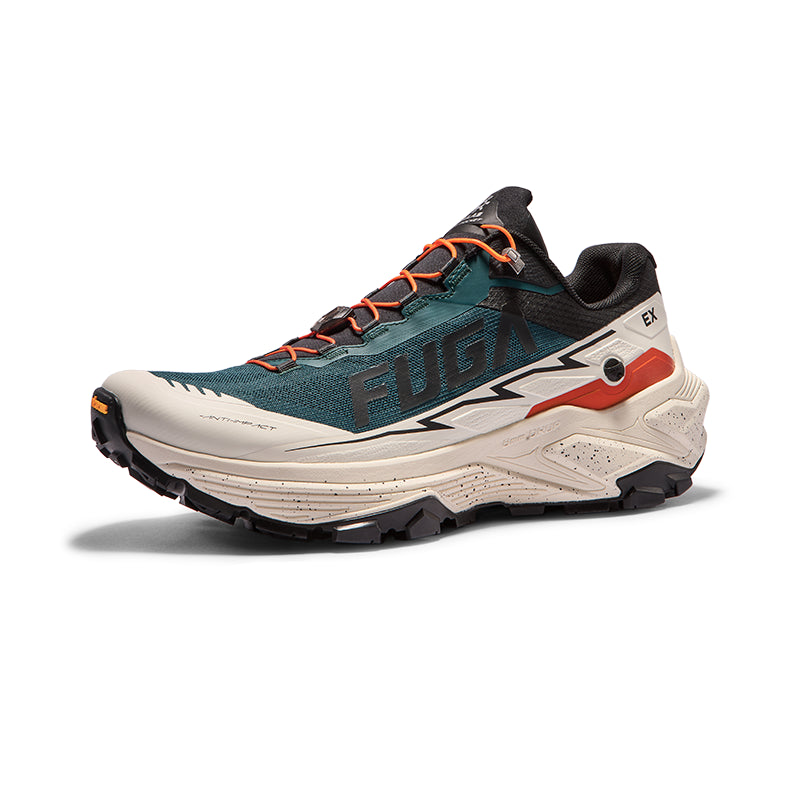
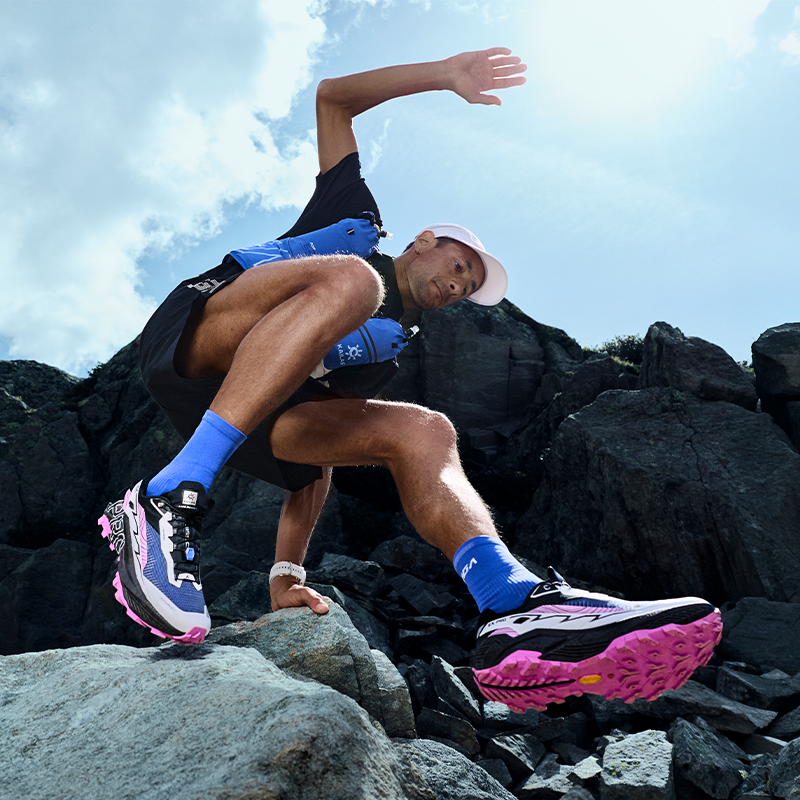
En los senderos, los tobillos y los pies sufren mucho. Necesitas tenerlos estables, de lo contrario, es más probable que te tuerzas un tobillo en terrenos irregulares.Los estiramientos mantienen los tendones flexibles, pero un buen calzado te proporciona una base sobre la que apoyarte.
Para largas jornadas técnicas sobre roca mojada y terreno irregular, el Kailas
Estiramientos dinámicos antes de correr por senderos (Rutina de calentamiento)
El estiramiento dinámico activa tu sistema nervioso, mejora la circulación sanguínea y prepara tu cuerpo para las exigencias de terrenos irregulares, ayudándote a disfrutar plenamente del Beneficios de correr por senderos. Aquí tienes algunos ejercicios sencillos de calentamiento para prepararte para la ruta.
Balanceo de piernas para mejorar la movilidad de la cadera.
Agárrate a una puerta o a un árbol para mantener el equilibrio. Balancea cada pierna hacia adelante y hacia atrás, y luego de lado a lado de forma controlada. Este movimiento lubrica las articulaciones de la cadera y crea el espacio necesario para una zancada firme al pasar por encima de vallas, rocas y senderos forestales empinados.
Zancadas caminando con rotación para la activación de todo el cuerpo.
Da un paso largo, gira el torso hacia la pierna delantera y luego da el siguiente paso. Ese pequeño giro es justo lo que necesitas para senderos estrechos y sinuosos donde tu cuerpo tiene que girar y moverse de lado a lado constantemente.
Elevación de rodillas y patadas de glúteos para activar los nervios.
Dedica 30 segundos a cada ejercicio, lo justo para activar tu ritmo cardíaco y recordarle a tu cerebro que estás a punto de moverte. Estos ejercicios te ayudarán a perfeccionar tu técnica y a mantener tus reflejos ágiles, para que te mantengas ligero y evites raíces ocultas y piedras sueltas.
Estiramientos estáticos después de correr por senderos (rutina de enfriamiento)
Una vez terminada la carrera y de vuelta en el punto de partida, es momento de estirar los músculos. Aquí comienza la recuperación antes de volver a casa.
Estiramiento de isquiotibiales para una mayor flexibilidad
Mantén la espalda recta e inclínate hacia adelante desde las caderas, tanto de pie como sentado. Esto evita la combinación de "tendones isquiotibiales tensos y dolor lumbar" que muchos corredores sufren después de una sesión en terrenos con cuestas.
Estiramiento de pantorrillas para mejorar la estabilidad del tobillo.
Busca un bordillo o una roca y deja que tu talón cuelgue del borde. Si tienes pantorrillas flexibles, es mucho menos probable que tires del tendón de Aquiles durante tu próxima carrera.
Estiramiento de los flexores de la cadera para una mejor postura al correr.
Arrodíllate sobre una rodilla y empuja suavemente las caderas hacia adelante. Esto contrarresta la postura sentada que muchos adoptamos en nuestros escritorios, ampliando tu zancada para un movimiento más eficiente.

Beneficios de los estiramientos regulares para el rendimiento en carreras de montaña
No puedes esperar ganar flexibilidad de la noche a la mañana, del mismo modo que no esperarías correr una maratón de montaña sin entrenar. Los verdaderos avances se consiguen con el tiempo, para que tu cuerpo aprenda a moverse con fuerza en lugar de luchar contra sí mismo.
Mayor eficiencia: aprovechando al máximo cada paso.
Cuando tus articulaciones ofrecen menos resistencia, desperdicias menos energía en cada paso.Los flexores de cadera relajados reducen la fricción interna contra la que tu cuerpo tiene que luchar, lo que también puede Ayudar a prevenir lesiones de rodilla. Esa mayor amplitud de movimiento te proporciona una zancada más fluida, de modo que puedes mantener el ritmo en caminos llanos o subidas empinadas, quemando menos calorías y manteniendo baja la frecuencia cardíaca.
Mayor resistencia: Retraso de la fatiga
Una mayor movilidad también mejora el control excéntrico durante los descensos largos, donde los corredores de montaña suelen experimentar mayor fatiga muscular y tensión articular. Los músculos tensos te cansan más rápido. Una mayor movilidad ayuda a mantener la eficiencia durante las carreras largas. Tus glúteos y cuádriceps te lo agradecerán en los últimos kilómetros, cuando todos los demás estén agotados.
Mejor adaptación: Fluyendo con el terreno
Estirar con regularidad mejora la propiocepción, permitiendo que el cuerpo reaccione con fluidez a las raíces, piedras y barro bajo los pies. En lugar de sacudir el sistema con cada resbalón, un cuerpo flexible realiza esos microajustes instantáneos sin interrumpir el ritmo. Esto convierte un descenso complicado, que antes daba miedo, en uno de los mejores momentos de la carrera.
Preguntas frecuentes
¿Los estiramientos aumentan la velocidad al correr?
Los estiramientos no te harán más rápido por sí solos, pero ayudan a mejorar la eficiencia de tu zancada y tu amplitud de movimiento. Cuando la rigidez no limita tus músculos, puedes generar más potencia y mantener una técnica más fluida.
¿Con qué frecuencia deben estirar los corredores de montaña?
Lo ideal es realizar los estiramientos dinámicos antes de cada carrera y dejar los estáticos para después. Para obtener beneficios a largo plazo en flexibilidad, añade una sesión de movilidad de 15 minutos dos veces por semana.
¿Estirar después de correr reduce el dolor muscular?
Estirar después de correr ayuda a que la sangre circule por los músculos y alivia la sensación de rigidez. No elimina por completo las agujetas, pero sí mejora notablemente la recuperación.
Conclusión
Incluye estos estiramientos en tu semana y asegúrate de que tus zapatos, como los Kailas