






Qué tan ajustados deben ser los zapatos de trail: guía de ajuste y tallas
Cuando te preparas para una carrera matutina húmeda y brumosa por el Peak District o para recorrer los escarpados senderos costeros de Cornualles, un elemento clave puede marcar la diferencia: tus zapatillas de trail. Si te quedan bien, sentirás que te deslizas sobre el brezo. Si no, pasarás más tiempo curándote ampollas que disfrutando del paisaje británico. Entonces, ¿cuán ajustadas deben quedarte las zapatillas de trail?
Esta guía te explica todo lo que necesitas saber sobre tallas y ajuste. Hablaremos de los detalles de una buena puntera, trucos para atar los cordones y cómo encontrar el equilibrio perfecto: lo suficientemente seguras para mantenerte firme en el barro resbaladizo, pero lo suficientemente amplias para que tus pies respiren durante largas jornadas.
Por qué es importante que el calzado de trail te quede bien.
Deja atrás las calles de la ciudad y adéntrate en senderos adecuados, donde tus pies tendrán que hundirse bien. Un buen calzado es fundamental para que tu carrera sea un éxito.
Un calzado adecuado puede mejorar la comodidad y el rendimiento al correr.
Cuando tu zapatillas de trail running Con un ajuste perfecto, dejas de pensar en tus pies y te concentras en el camino. Sin rozaduras ni molestias en el talón. Un buen ajuste te permite moverte con naturalidad: cada zancada se siente suave y eficiente, sin desperdiciar energía. Dejas de luchar contra el calzado, encuentras tu ritmo y te concentras en correr. Ya sea que estés subiendo una empinada colina en Lakeland o dejándote llevar en un descenso por la hierba, simplemente corres.
Cómo prevenir ampollas, uñas negras y lesiones en los pies.
Nada arruina más una buena carrera de fin de semana que una dolorosa ampolla o una uña del pie negra y magullada. Estas molestias casi siempre se deben a un mal ajuste. Si el calzado es demasiado holgado, el pie se desliza hacia adelante en las bajadas, golpeando los dedos contra la parte delantera, lo que suele provocar uñas negras. Según la Academia Estadounidense de Cirujanos Ortopédicos, el impacto repetido de los dedos con un calzado mal ajustado es una de las principales causas de uñas negras en los corredores. Si es demasiado ajustado, la fricción constante se convierte rápidamente en ampollas desagradables. Si se usa un calzado inadecuado durante mucho tiempo, se pueden sufrir lesiones por sobreuso como fascitis plantar o periostitis tibial.
Estabilidad en terrenos irregulares
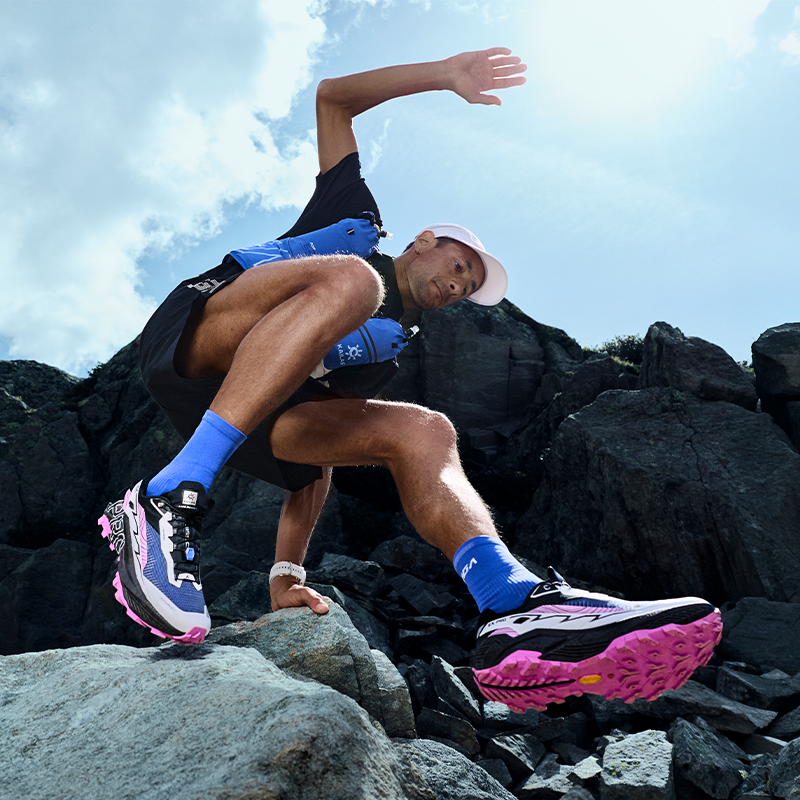
Los senderos británicos son maravillosamente caóticos. Un minuto estás abriéndote paso entre grava suelta, al siguiente estás sorteando raíces resbaladizas o hundiéndote en el pantano. Para afrontar todo esto con seguridad, necesitas una buena estabilidad. Un calzado que te quede bien sujeta el pie y evita que el tobillo se tuerza cuando el terreno cede.

Cómo deben ajustarse correctamente las zapatillas de trail
Encontrar el calzado adecuado implica fijarse en las distintas zonas de la zapatilla. Una zapatilla de trail no debería sentirse como tus zapatillas deportivas de uso diario. Necesitas un equilibrio estratégico: suficiente espacio para estar cómodo y suficiente sujeción para mantenerte firme.
Ajuste de la puntera: espacio suficiente para tus dedos.
Aquí tienes una regla sencilla: deja un espacio del ancho de un pulgar entre el dedo más largo y la punta del zapato. Si corres una distancia considerable, los pies se hinchan. Así que deja que tus dedos tengan espacio para moverse y extenderse. Si los aprietas, dificultarás la circulación sanguínea, y es entonces cuando aparecen las lesiones.
Ajuste en el mediopié y el talón: ceñido pero no restrictivo.
Si bien los dedos de los pies necesitan un poco de espacio, el mediopié y el talón requieren una sujeción adecuada. El mediopié debe quedar bien sujeto a la altura del empeine para evitar que el pie se desplace lateralmente. Además, la talonera debe sujetar el talón con firmeza, sin presionar el tendón de Aquiles.
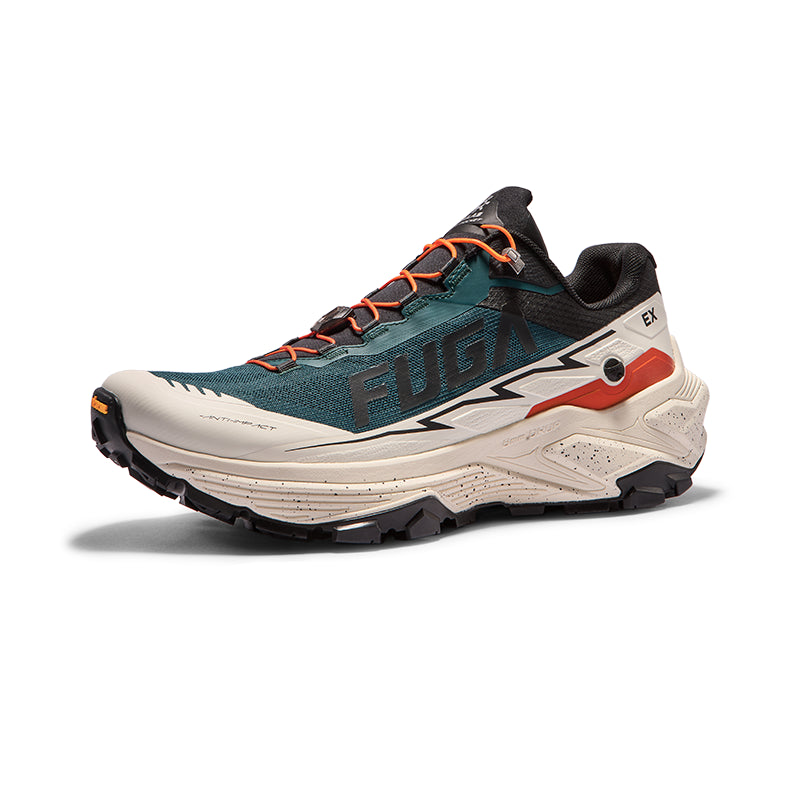
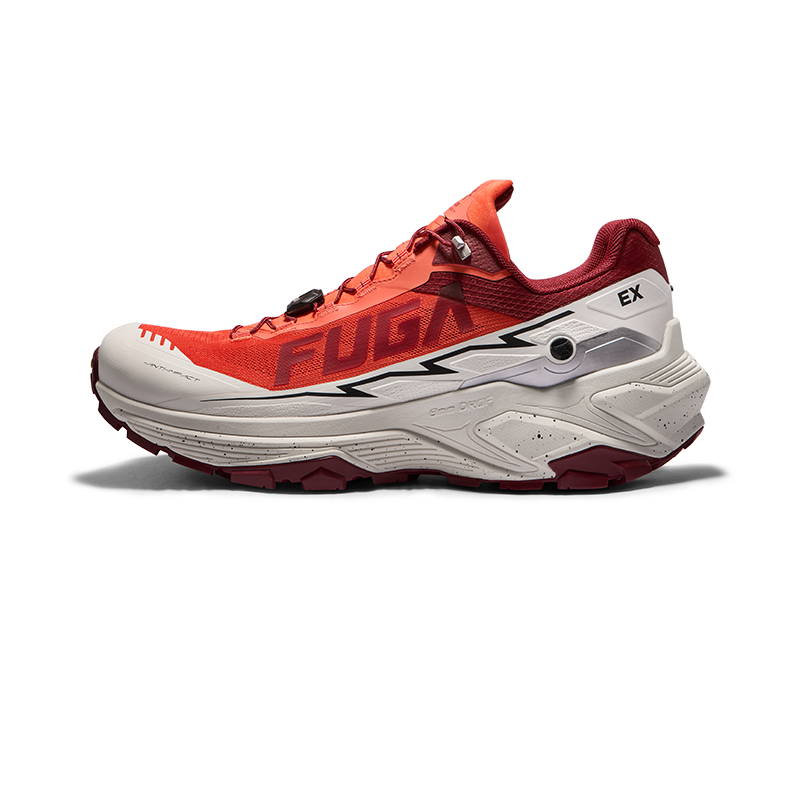
Por ejemplo, el Kailas
Además, estas zapatillas de trail de primera calidad cuentan con las siguientes características: Entresuela de rebote ultragruesa Eccevai, Ofrece una amortiguación de alto rebote con una pisada reactiva. Proporciona un retorno de energía continuo, lo que significa que puedes completar un ultramaratón de 100 kilómetros sin necesidad de cambiar de zapatillas ni sentir fatiga.
Esta versión mejorada incorpora mejoras estructurales cruciales diseñadas para ofrecer la máxima comodidad y seguridad articular:
-
Agarre superior & Desgaste reducido: La parte delantera del pie se ha ensanchado un 4 % y el talón un 15 %, maximizando así el contacto con el suelo y la durabilidad.
-
Amortiguación mejorada: Proporciona un aumento del 20 % en la absorción de impactos y el rebote, previniendo la fatiga en largas distancias.
-
Máxima estabilidad: Presenta un diseño ancho, trapezoidal y elevado (base un 12 % más ancha) para reducir drásticamente el impacto en las articulaciones y la torsión del tobillo.
-
Envoltura optimizada & Comodidad: Una horma mejorada refuerza específicamente el ajuste en el empeine y la parte media del pie para una sensación verdaderamente personalizada.
Comprobación de deslizamiento o pellizco del talón
Antes de salir a la montaña, prueba tus zapatillas en casa. Sube y baja un tramo de escaleras o busca una pendiente pronunciada. Si el talón se sale de la zapatilla al subir, no te quedan bien: o son demasiado grandes o no se ajustan correctamente. Y presta atención a cualquier roce o presión alrededor del tobillo. Eso no mejorará. Solo empeorará después de recorrer unos kilómetros por un sendero mojado.
¿Qué tan ajustadas deben estar las zapatillas para correr?
El grado de ajuste depende realmente de dos cosas: el zapato y cómo se atan los cordones.
Encontrar el equilibrio entre lo ajustado y lo holgado
Quieres que tus zapatillas de trail te queden como un buen apretón de manos: firmes en el medio, pero sin apretar tanto que pierdas la sensibilidad. ¿Se te duermen los dedos o te salen marcas rojas al quitártelas? Te aprietan demasiado. ¿Sientes que el pie se te mueve dentro? Te quedan demasiado sueltas.
Técnicas de atado de cordones para ajustar el ajuste
No subestimes la importancia de los cordones. ¿Tienes el talón estrecho pero necesitas una puntera ancha? Usa el sistema de sujeción del talón (o presilla para corredores) con los ojales adicionales en la parte superior del zapato. Esto ajusta el talón firmemente hacia atrás sin tener que apretar los cordones sobre el empeine. Así, evitas la tensión en los nervios y tendones.
Señales de que tus zapatos están demasiado apretados o demasiado sueltos
Para ayudarte a diagnosticar rápidamente tu calzado actual, aquí tienes una práctica lista de verificación:
Señales de que tus zapatos te quedan demasiado ajustados:
-
Hormigueo, entumecimiento o pérdida de sensibilidad en los dedos de los pies.
-
Puntos calientes o ampollas por fricción que se forman en la parte superior de los dedos de los pies.
-
Una sensación sofocante y palpitante en el empeine.
-
Incapacidad para mover los dedos de los pies en absoluto.
Señales de que tus zapatos te quedan demasiado sueltos:
-
El talón resbala hacia arriba y hacia abajo al caminar o al subir cuestas.
-
Aparición de ampollas en la parte posterior del talón o a lo largo del arco del pie.
-
Los dedos de los pies golpean repetidamente la parte delantera del zapato en las bajadas.
-
Sensación de deslizamiento lateral al tomar curvas en terrenos técnicos.

Consejos sobre la talla de zapatillas de trail running para una mayor comodidad.
Elegir la talla adecuada para correr fuera de pista requiere un poco más de atención que comprar zapatillas de calle. Aquí te explicamos cómo conseguir el ajuste más cómodo.
¿Debo comprar una talla más grande para mis zapatillas de correr?
Sí, la mayoría de los corredores suben media talla, o incluso una talla completa, para correr por senderos. Ese espacio extra permite que tus pies se hinchen mientras corres y evita que tus dedos se golpeen en bajadas pronunciadas.
Cómo medir tus pies con precisión
Para asegurarte de elegir la talla perfecta, lo mejor es medir tus pies en casa dibujando su contorno en un papel y midiendo la distancia más larga desde el talón hasta la punta en centímetros. Otra opción es buscar calzado con un diseño innovador, pensado para solucionar este problema de ajuste.
Espacio adecuado en la puntera para mayor comodidad.
Como ya hemos dicho, tus dedos necesitan espacio para moverse. Zapatos con una parte delantera más ancha, como el modelo Kailas mejorado.
Probarse zapatos en diferentes momentos del día
Pruébate siempre las zapatillas de trail nuevas por la tarde o por la noche. Los pies se hinchan durante el día debido a la gravedad y al movimiento. Pruébatelas más tarde, con los mismos calcetines con los que correrás, y así podrás hacerte una idea real de cómo se comportarán después de unos kilómetros.
¿Cuándo reemplazar tus zapatillas de trail?
Incluso las mejores zapatillas de trail no duran para siempre. Correr con calzado desgastado compromete el ajuste y la sujeción, dejándote vulnerable a molestias y lesiones.
Señales de que los zapatos desgastados afectan el ajuste
Cuando la parte superior comienza a estirarse, ceder o romperse, deja de sujetar el pie correctamente. Notarás que aprietas los cordones más para conseguir la misma sensación de sujeción. Y si el contrafuerte del talón se agrieta o se deforma, el talón empezará a resbalar, lo que es una clara señal de que Reemplaza tus zapatillas de trail running..
Cómo los zapatos viejos pueden causar dolor o lesiones
Una vez que la entresuela se desgasta, deja de amortiguar los impactos. Así que en senderos compactos, sientes todo el impacto directamente en los tobillos, las rodillas y la espalda. ¿Empiezas a sentir molestias en las articulaciones o en el arco del pie después de una carrera normal? Lo más probable es que tus zapatillas ya no sirvan.
Frecuencia de reemplazo según el kilometraje
La mayoría de las zapatillas de trail necesitan ser reemplazadas cada 300 a 500 millas. Pero las zapatillas de mejor calidad, con materiales más resistentes, están diseñadas para soportar un uso intensivo. Conservan su forma y recuperan su forma original durante mucho más tiempo.
Preguntas frecuentes
¿Cómo deben ajustarse las zapatillas para correr?
Ajustada en la parte media del pie y el talón, con aproximadamente el ancho de un pulgar en la puntera para que los dedos puedan extenderse de forma natural.Deben sentirse seguros, nunca dolorosos ni restrictivos.
¿Cómo puedo ajustar mis zapatillas para correr o caminar largas distancias?
Para distancias más largas, pruebe diferentes patrones de cordones o un sistema de ajuste rápido como el AWS 3.0™ en Kailas
¿Qué tan ajustadas deben quedar las zapatillas para correr?
Cómodamente ajustadas: como un apretón de manos firme pero suave alrededor de tu pie. Lo suficientemente ajustadas para evitar que se resbale, pero lo suficientemente sueltas para favorecer la circulación sanguínea.
¿Es posible que las zapatillas de trail sean demasiado grandes o demasiado pequeñas?
Absolutamente. Ambas opciones causan problemas. Si son demasiado pequeñas, te saldrán moretones en los dedos y ampollas. Si son demasiado grandes, el pie se resbala, pierde estabilidad y hay muchas probabilidades de torcerse el tobillo.
¿Los zapatos se estiran con el tiempo?
Sí, la parte superior de tela y malla cederá un poco y se adaptará a tu pie después de correr un par de veces. ¿Pero la entresuela y la suela exterior? No deberían ceder ni estirarse notablemente.
Conclusión
Encuentra el calzado adecuado y lo habrás conseguido para disfrutar de carreras todoterreno sin lesiones. Los dedos necesitan espacio para extenderse y respirar. ¿El mediopié y el talón? Necesitan una buena sujeción para afrontar terrenos difíciles con seguridad.
Un buen par de zapatillas de trail diseñadas específicamente para ello, como las Kailas.