






Equipo para trail running: la lista de verificación de equipo definitiva para principiantes
Correr por senderos exige más tanto a tu cuerpo como a tu equipo. En comparación con correr en asfalto, el terreno es más complejo y las condiciones pueden cambiar rápidamente. Por ello, lo que llevas puesto y lo que llevas encima influye directamente en la estabilidad, la comodidad y la preparación que sientes durante la carrera. La diferencia suele notarse en cuanto abandonas las superficies planas y predecibles.
Importancia de elegir el equipo adecuado para correr por senderos
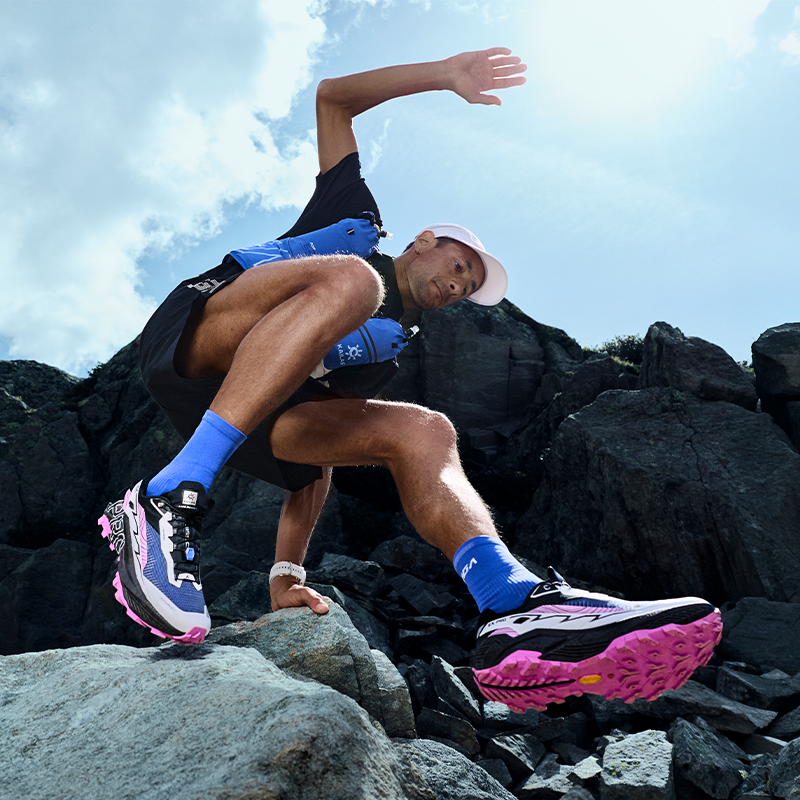
Elegir el equipo adecuado no es solo cuestión de preferencia. Influye en cómo tu cuerpo responde al terreno y en tu capacidad de adaptación a diferentes condiciones. Para los principiantes, esto suele determinar si la experiencia resulta manejable o innecesariamente difícil. Cuando el equipo se ajusta a las exigencias del terreno, el movimiento se siente más controlado y fluido.
Mejorar la seguridad y reducir el riesgo de lesiones.
Los senderos tienen superficies inestables y cambian constantemente. Sin el equipo adecuado, aumenta el riesgo de resbalones, pérdida de equilibrio y lesiones. El equipo apropiado mejora la estabilidad y ayuda a mantener el control en terrenos irregulares.
Mejorar la comodidad y la resistencia en carreras de larga distancia.
La incomodidad aumenta con la distancia y afecta al rendimiento. Un equipo inadecuado puede provocar fatiga y paradas prematuras. Un equipo bien elegido favorece el movimiento natural y permite carreras más largas y consistentes.
Apoyo al rendimiento en condiciones climáticas cambiantes
Las condiciones del sendero pueden cambiar rápidamente. La temperatura y la exposición varían según el terreno y la altitud. El equipo adecuado ayuda a mantener un rendimiento constante y previene la disminución del rendimiento causada por los cambios ambientales.

Zapatillas esenciales para principiantes en trail running
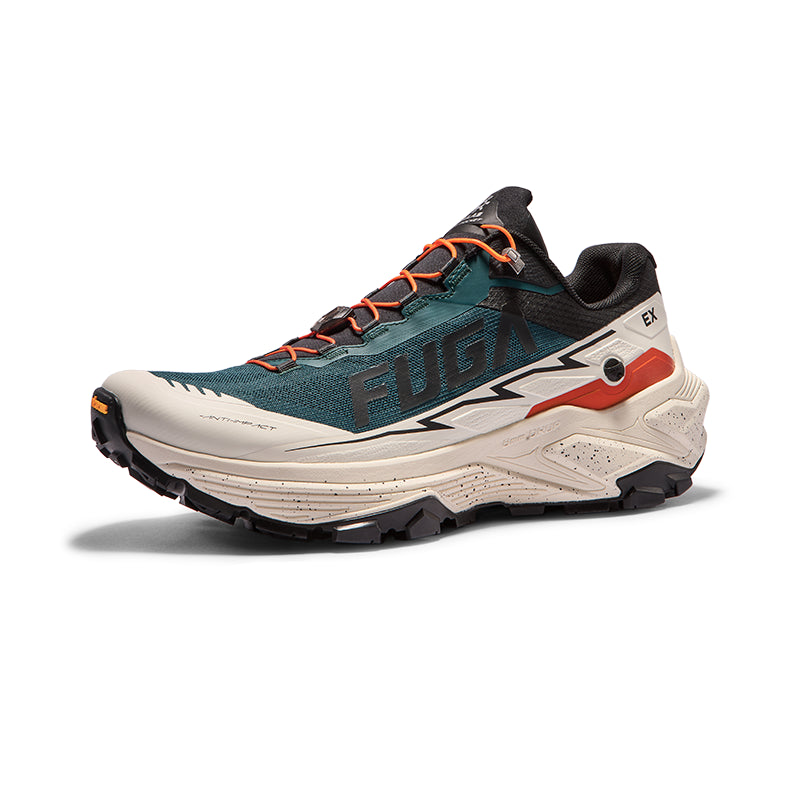
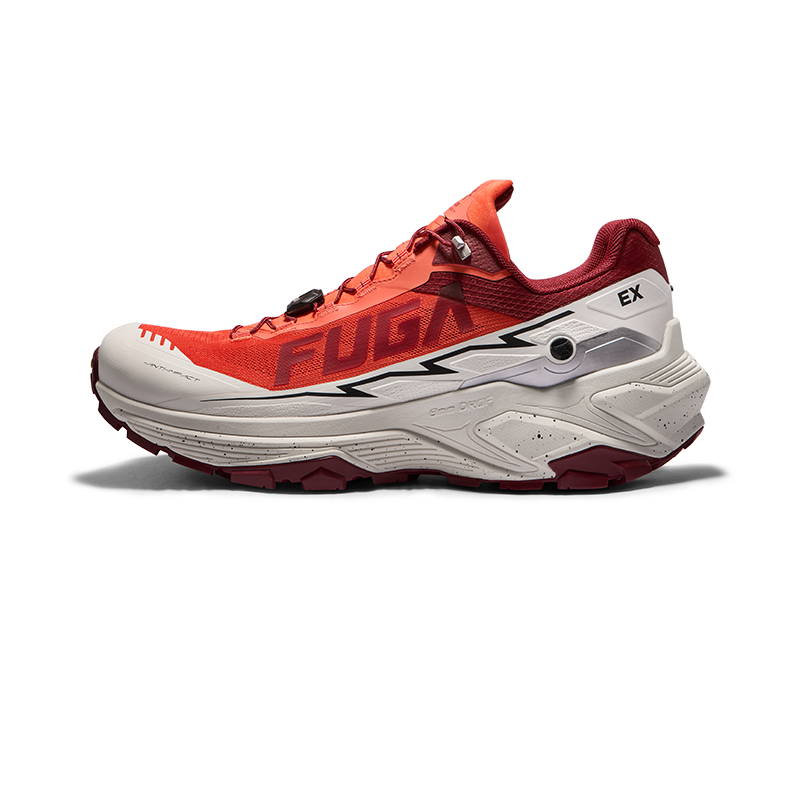
Las zapatillas de trail running están diseñadas para afrontar terrenos irregulares, superficies cambiantes y distancias más largas, y elegir las Las mejores zapatillas para correr por senderos Puede marcar una diferencia notable para los principiantes. El par adecuado mejora la estabilidad, reduce la fatiga y permite un movimiento más controlado en diferentes tipos de terreno.
Importancia del agarre y el diseño de la suela para superficies de senderos
El agarre influye directamente en la seguridad y el control en el sendero. Superficies como el barro, la grava suelta y las rocas mojadas requieren una fuerte tracción para evitar resbalones.
El diseño de la suela determina el rendimiento del calzado en diferentes terrenos. Los tacos más profundos favorecen el agarre en terrenos blandos, mientras que la separación adecuada evita la acumulación de barro. La goma de alta fricción mejora la tracción en roca mojada, lo que proporciona mayor estabilidad en ascensos y descensos.
Características de amortiguación, estabilidad y protección para los pies
La amortiguación, la estabilidad y la protección determinan cómo tu cuerpo gestiona los impactos y la fatiga. Una mediasuela reactiva absorbe los golpes y mejora la eficiencia al correr largas distancias. Las características de estabilidad ayudan a controlar el movimiento del pie en terrenos irregulares, mientras que las estructuras reforzadas protegen contra rocas y escombros.
En la práctica, esto significa que un zapato debe mantenerse fiable en largas distancias, terrenos mojados y tramos cuesta abajo. Kailas
Prendas que absorben la humedad para mayor comodidad y rendimiento.
La ropa desempeña un papel fundamental en las carreras de montaña, especialmente en distancias largas y en condiciones cambiantes.Los materiales adecuados ayudan a regular la temperatura, controlar la transpiración y reducir las molestias, lo que te permite mantener un rendimiento constante durante toda la carrera.
Tejidos para el control de la humedad y la transpirabilidad.
Los tejidos que absorben la humedad ayudan a alejar el sudor de la piel, manteniendo el cuerpo seco y evitando el sobrecalentamiento durante el ejercicio. Los materiales transpirables y de secado rápido son especialmente importantes en carreras largas, donde la acumulación de humedad puede afectar la comodidad, la regulación de la temperatura y el rendimiento general.
El Kailas
Reducción de los riesgos de rozaduras e irritación de la piel.
Correr largas distancias aumenta la fricción entre la piel y la tela, especialmente en zonas con movimientos repetitivos. Los materiales suaves y elásticos, junto con un ajuste ceñido y estable, ayudan a reducir los movimientos innecesarios, disminuyendo el riesgo de rozaduras e irritación y permitiendo un movimiento más cómodo y uniforme.
Sistema de capas para la ropa de trail running
Un sistema de capas permite a los corredores adaptarse a los cambios climáticos y al nivel de esfuerzo sin que ello afecte a su rendimiento. Las capas base ligeras controlan la humedad, mientras que las capas adicionales se pueden ajustar según cambien las condiciones, lo que ayuda a mantener la comodidad en diferentes entornos.

Mochilas y sistemas de hidratación para trail running
A medida que aumenta la distancia en los senderos, es necesario llevar agua, comida y equipo esencial. Una mochila o chaleco de hidratación bien diseñado ayuda a distribuir el peso de manera uniforme, reduce el movimiento al correr y permite acceder rápidamente a los artículos sin interrumpir el ritmo.
Diseño de almacenamiento y accesibilidad de equipos y nutrición
Un diseño de almacenamiento eficiente influye en la facilidad con la que puedes acceder al agua, la nutrición y el equipo esencial durante una carrera. Los bolsillos bien ubicados y los compartimentos organizados ayudan a mantener el ritmo de carrera, mientras que el almacenamiento seguro mantiene los artículos estables a medida que la carga varía con la distancia.
El Kailas
Factores de material, transpirabilidad y durabilidad
El material y la confección determinan la comodidad de un chaleco a lo largo del tiempo. Los tejidos transpirables ayudan a reducir la acumulación de calor y sudor, mientras que los materiales ligeros evitan la tensión innecesaria durante las carreras largas.
La durabilidad es igualmente importante, ya que los senderos suelen estar llenos de fricción, movimiento y condiciones climáticas cambiantes. Un chaleco bien fabricado debe mantenerse estable sin rebotar, incluso cuando esté completamente cargado.
Accesorios para trail running que mejoran el rendimiento.
Los accesorios pueden parecer secundarios, pero mejoran significativamente la comodidad, la eficiencia y el control en el sendero. Los complementos adecuados ayudan a reducir la fatiga, adaptarse a las condiciones cambiantes y favorecen un rendimiento más constante en distancias largas.
Calcetines para trail running que controlan la humedad y previenen las ampollas.
Los calcetines desempeñan un papel importante en el control de la humedad y la reducción de la fricción durante las carreras de montaña, especialmente en distancias largas donde la acumulación de sudor puede aumentar el riesgo de ampollas. Los materiales que absorben la humedad ayudan a mantener los pies secos, mientras que un ajuste ceñido y estable reduce el movimiento dentro del calzado, lo que permite un contacto más suave y minimiza la irritación con el tiempo.
Gorras para correr por senderos con protección solar
Las gorras para trail running te protegen del sol y mantienen la cabeza fresca. Su diseño ligero, transpirable y que absorbe la humedad mejora la comodidad durante las carreras largas. Además, reduce el deslumbramiento y evita que el sudor entre en los ojos, mientras que su ajuste seguro garantiza que la gorra se mantenga en su sitio incluso en terrenos irregulares.
Para correr en entornos más expuestos, los gorros con mayor cobertura y ventilación mejorada pueden marcar una diferencia notable. Gorra de béisbol con solapa para el cuello KAILAS Combina un tejido ligero de secado rápido con paneles de malla transpirable e incluye una solapa extraíble para el cuello que protege mejor la cara y el cuello. La banda antisudor con tratamiento de iones de plata ayuda a mantener la frescura durante actividades más prolongadas.
Guantes y mangas para brazos para la regulación de la temperatura
La temperatura puede variar rápidamente en el sendero debido a la altitud y la exposición, por lo que los accesorios ligeros como guantes y mangas para los brazos resultan útiles para mantener la comodidad. Ayudan a conservar el calor en condiciones más frías, a la vez que protegen del sol y el viento. Además, al ser fáciles de ajustar o quitar, permiten adaptarse a los cambios climáticos sin interrumpir el ritmo de carrera.
Bastones de trekking para apoyo en ascensos y estabilidad en descensos.
Los bastones de trekking mejoran la eficiencia en ascensos pronunciados al distribuir el esfuerzo entre la parte superior e inferior del cuerpo, lo que ayuda a reducir la fatiga en las piernas en distancias largas. En los descensos, proporcionan puntos de contacto adicionales con el suelo, mejorando el equilibrio y el control en terrenos irregulares y permitiendo un movimiento más estable en tramos técnicos.
Preguntas frecuentes
¿Cuánta agua necesito para una carrera de montaña de 20 millas?
Para una carrera de montaña de 32 kilómetros (20 millas), la mayoría de los corredores necesitan entre 2 y 4 litros de agua, dependiendo de la temperatura, el ritmo y la cantidad de sudor. Como pauta general, se recomienda beber entre 500 y 750 ml por hora, aunque se necesita más en condiciones de calor o exposición al sol.
¿Cuál es el mejor tejido para la ropa de trail running?
El mejor tejido para correr por senderos es aquel que absorbe la humedad y es transpirable, como las mezclas de poliéster o los tejidos técnicos de alto rendimiento. Estos tejidos alejan el sudor de la piel, se secan rápidamente y ayudan a regular la temperatura corporal durante las carreras largas.
¿Qué debo llevar conmigo para mi seguridad al correr por senderos?
Para correr por senderos con seguridad, debes llevar agua, comida, un teléfono o dispositivo GPS y un botiquín básico de primeros auxilios. Para rutas más largas o en zonas remotas, se recomienda llevar artículos adicionales como un silbato, una linterna frontal o una prenda de abrigo extra.
Conclusión
Correr por senderos requiere más que resistencia. El equipo adecuado proporciona estabilidad en terrenos irregulares, mantiene la comodidad a lo largo de la distancia y ayuda a adaptarse a las condiciones cambiantes. Desde zapatillas y ropa hasta sistemas de hidratación y accesorios, cada pieza contribuye a una carrera más controlada y eficiente. Marcas como Kailas