






Jambes douloureuses après la course : conseils de récupération en trail
Rien ne vaut l'adrénaline des sentiers les plus accidentés du Royaume-Uni. La boue du Peak District, les collines vallonnées ou les crêtes rocheuses des Highlands écossaises : une véritable aventure vous attend. Mais le plaisir s'accompagne souvent d'un inconvénient bien connu : des jambes lourdes et douloureuses. Ce guide explique pourquoi le trail met vos muscles à rude épreuve, comment distinguer les courbatures normales d'un problème plus sérieux et comment accélérer la récupération pour reprendre la course en pleine forme.
Pourquoi a-t-on mal aux jambes après une course en sentier ?
Partez à l'aventure sur les sentiers et préparez-vous à une véritable épreuve pour vos jambes. La course sur route est régulière et répétitive. Sur les sentiers, tout change : terrain instable, dénivelés variés, adaptations constantes. Pas étonnant que vos jambes soient complètement épuisées après.
Course en descente et charge musculaire excentrique
Les descentes sont grisantes, mais elles sont un véritable fléau pour les jambes. Vos quadriceps et vos mollets doivent s'étirer tout en travaillant intensément pour contrôler votre vitesse : c'est la phase excentrique. Cela crée des micro-déchirures musculaires, et c'est pourquoi vous boitez quelques jours plus tard.
Terrain accidenté et fatigue des muscles stabilisateurs
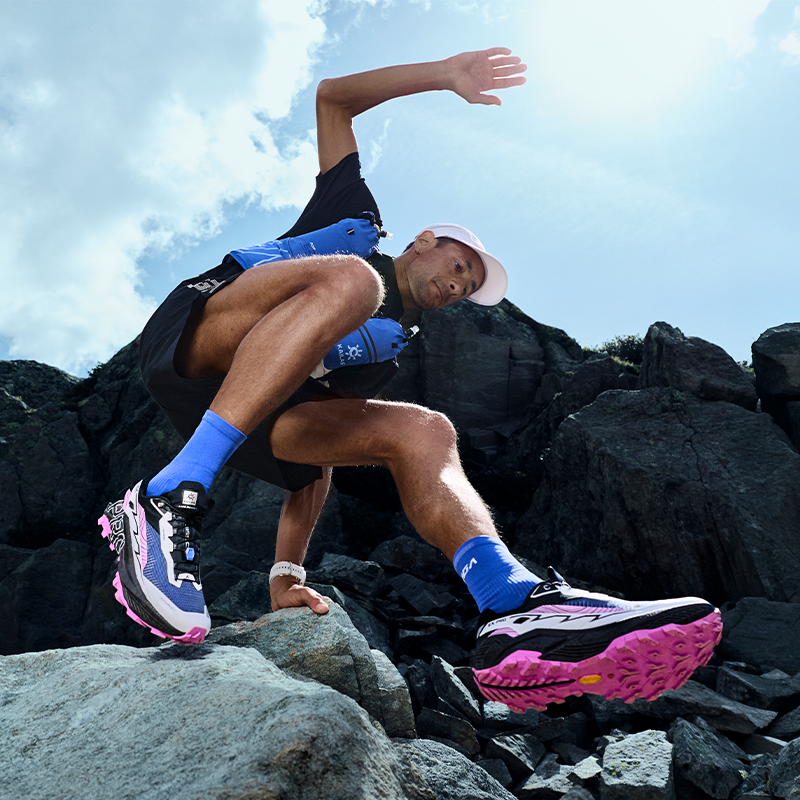
Un sentier typique du Royaume-Uni est un véritable labyrinthe de racines cachées, de boue glissante et de pierres instables. Pour garder l'équilibre, les petits muscles stabilisateurs – chevilles, fessiers moyens, muscles du tronc – doivent travailler à plein régime, s'adaptant constamment à chaque pas. Ce travail latéral sollicite des muscles peu utilisés sur route, auxquels ils ne sont pas habitués. Résultat : ils se fatiguent sérieusement. Longues ascensions, descentes et impacts répétés
Monter et descendre quelques centaines de mètres en une seule séance, et vos jambes souffrent énormément. L'impact de la descente, combiné à l'effort de la montée, sollicite les muscles bien plus qu'une course sur route plate.
Nouvelles chaussures, nouveaux sentiers et changements d'entraînement
Tout changement perturbe un peu l'organisme. Nouvel itinéraire, nouvelles habitudes chaussures de trail Vos muscles ne sont pas encore habitués à la charge. Vous la sentirez à de nouveaux endroits.

Les courbatures aux jambes après une course en sentier sont-elles normales ?
Vous avez du mal à descendre les escaliers le lendemain d'une séance intense en côte ? C'est monnaie courante chez les coureurs de trail. Mais il est important de savoir faire la différence entre ces courbatures et les signaux d'alarme de votre corps.
Douleurs musculaires normales vs douleur liée à une blessure
Les courbatures normales se manifestent par une douleur sourde dans les deux jambes. La raideur est présente au début de l'effort, mais s'atténue avec l'échauffement. La douleur liée à une blessure est différente : elle est aiguë, localisée d'un seul côté, au niveau d'une articulation ou d'un tendon plutôt que d'un muscle, et elle s'intensifie avec le mouvement.
Quand la douleur atteint généralement son maximum et diminue
Les courbatures après la course apparaissent généralement dans les 24 heures, atteignent leur maximum entre 48 et 72 heures, puis s'atténuent progressivement. Si votre état s'aggrave après trois jours, votre corps a probablement du mal à récupérer de l'effort.
Signes avant-coureurs nécessitant du repos ou un avis médical
En cas de gonflement, d'ecchymoses ou si la douleur vous fait boiter, arrêtez-vous. Savoir s'arrêter est l'un des moyens les plus simples de prévenir les blessures au genou pendant la course à pied, Surtout après des sorties VTT intensives. Et si une douleur persiste plus d'une semaine sans s'améliorer, consultez un kinésithérapeute ou un médecin avant de retourner sur les sentiers.
Comment les coureurs de trail peuvent-ils prévenir les douleurs aux jambes ?
Il est impossible d'éviter complètement la fatigue.Mais entraînez-vous intelligemment, équipez-vous correctement et vous réduirez considérablement les courbatures. Vos jambes vous en remercieront semaine après semaine.
Augmentez progressivement le kilométrage des sentiers
La règle d'or en sports d'endurance est la surcharge progressive. N'enchaînez pas directement avec des week-ends d'ultra-distance. Augmentez votre volume hebdomadaire par paliers – 10 % à la fois – pour laisser à votre corps le temps de s'adapter.
Renforcer les fessiers, les mollets et les quadriceps
Le travail de force en salle de sport fait toute la différence une fois sur les pistes. Privilégiez les exercices polyarticulaires et unilatéraux – fentes lestées, squats bulgares, extensions excentriques des mollets – et vos jambes seront prêtes à encaisser les chocs des descentes techniques.
Pratiquez la technique de descente et des foulées plus courtes
Adoptez une bonne technique de descente et vos quadriceps vous remercieront. Évitez les grandes enjambées et les chocs au niveau des talons : c’est comme freiner brusquement. Gardez des foulées courtes, rapides et légères, et réceptionnez-vous en gardant les pieds bien à plat sous vous.
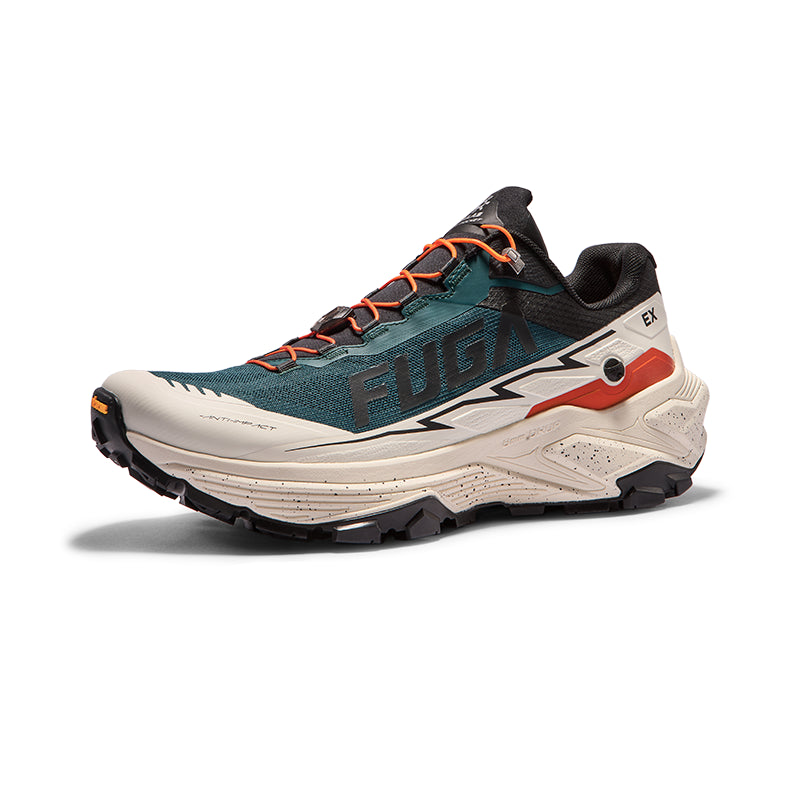
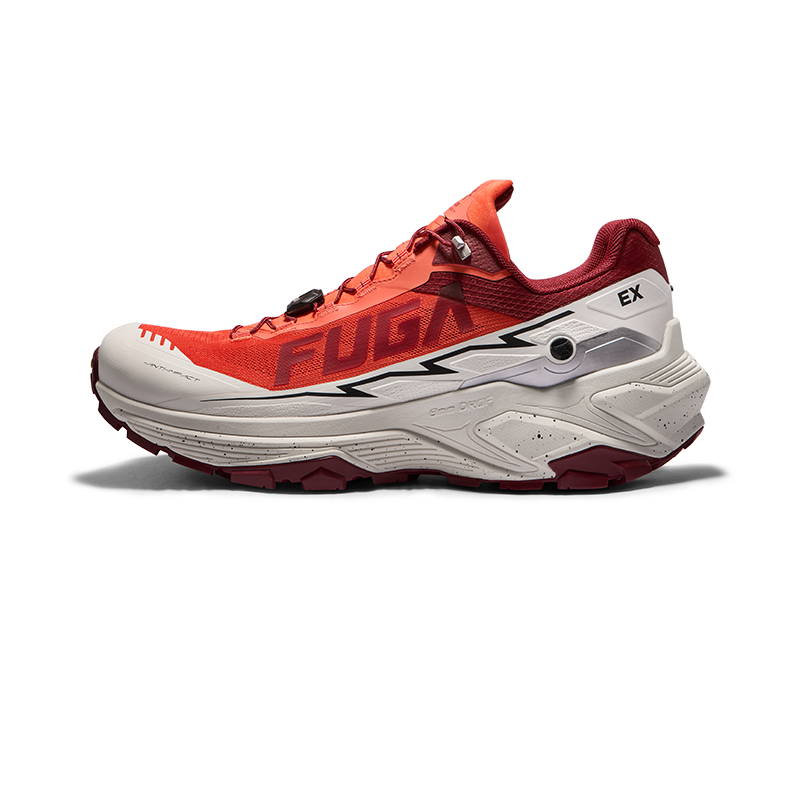
Choisissez des chaussures de trail avec un bon amorti.
Vos articulations et vos muscles sont mis à rude épreuve sur terrain accidenté ; tout commence donc par le choix des chaussures. Si vous prévoyez une longue randonnée sur un terrain imprévisible, il vous faut des chaussures qui absorbent les chocs et offrent une adhérence exceptionnelle.
Pour les coureurs qui participent régulièrement à des épreuves de trail longue distance, KAILAS
Si vos objectifs exigent un avantage tactique encore plus précis sur des sentiers longs et très dynamiques, le KAILAS
Échauffement avant terrain technique
Ne passez jamais directement d'un parking froid à une ascension technique et boueuse. Consacrez 5 à 10 minutes à un échauffement dynamique – comme des balancements de jambes, des montées de genoux et des fentes marchées – pour activer la circulation sanguine, lubrifier vos articulations et préparer votre système nerveux aux difficultés qui vous attendent.

Comment soulager plus rapidement les douleurs aux jambes ?
Une fois l'effort terminé et les dommages musculaires installés, il est essentiel d'anticiper la récupération. Une routine post-course adaptée stimule la circulation sanguine et apporte les nutriments indispensables au déclenchement du processus de réparation.
Mouvements légers et récupération active
Il est tentant de s'effondrer sur le canapé pour le reste du week-end, mais l'inactivité totale ne fait que prolonger les raideurs.Optez pour une marche douce de 20 minutes sur terrain plat ou une séance de vélo stationnaire à faible intensité pour stimuler la circulation sanguine locale, apportant ainsi de l'oxygène et des nutriments directement à vos fibres musculaires micro-déchirées afin d'accélérer la guérison.
Étirements doux sans forcer les muscles
Quelques lumières, étirements après la course Pour soulager cette sensation de raideur et de contraction après une longue journée, effectuez des mouvements doux et statiques : concentrez-vous sur les ischio-jambiers, les fléchisseurs de la hanche et les mollets. N'exercez pas une pression trop forte, au risque d'aggraver les micro-déchirures existantes.
Automassage avec rouleau en mousse pour les mollets et les quadriceps tendus
Un rouleau de massage ou un pistolet de massage est très efficace pour détendre les muscles tendus. Prenez quelques minutes pour masser lentement vos quadriceps, vos bandelettes ilio-tibiales et vos mollets. Lorsque vous trouvez un point particulièrement sensible, faites une pause et laissez la douleur se relâcher.
Jours de sommeil et de repos pour la réparation des tissus
Aucun des meilleurs gadgets de récupération au monde ne remplacera une bonne nuit de sommeil. C'est pendant le sommeil profond que votre corps produit l'hormone de croissance et répare les muscles endommagés. Visez donc 8 heures de sommeil et n'oubliez pas vos jours de repos hebdomadaires.
Compression, élévation et bains chauds
Activez la circulation sanguine en enfilant une bonne paire de chaussettes de contention et en surélevant vos jambes au-dessus du niveau du cœur pendant 15 minutes. Ensuite, un bain chaud aux sels d'Epsom apaisera votre système nerveux, détendra vos muscles et soulagera les tensions restantes.
FAQ
Combien de temps durent les courbatures aux jambes après une course en sentier ?
Généralement, il faut compter entre 2 et 5 jours, selon la difficulté de la course et le dénivelé positif. Le pic de fatigue survient aux alentours de la 48e heure, puis la récupération s'atténue progressivement à mesure que les muscles récupèrent.
Dois-je courir malgré les douleurs aux jambes ?
Vous pouvez, mais faites-le brièvement et à faible intensité sur terrain plat. Si les courbatures vous gênent dans votre course ou provoquent des douleurs aiguës, reposez-vous complètement. Inutile d'aggraver la situation.
La marche est-elle bénéfique pour les jambes douloureuses après la course ?
Oui, une marche tranquille est une excellente option pour la récupération active. Elle stimule la circulation sanguine et favorise l'élimination des toxines sans solliciter excessivement les muscles.
Pourquoi ai-je mal aux quadriceps après une course en descente ?
En descente, les quadriceps subissent des contractions excentriques : ils s’allongent sous l’effort pour contrôler la vitesse. Cela crée de minuscules déchirures dans les fibres musculaires, ce qui est précisément à l’origine des courbatures.
Quand dois-je m'inquiéter des douleurs aux jambes ?
Si la douleur est aiguë, unilatérale, accompagnée d'un gonflement ou ne s'améliore pas après une semaine de repos, consultez un médecin. Les courbatures normales disparaissent progressivement. Toute douleur persistante ou localisée à une articulation nécessite l'avis d'un kinésithérapeute.
Conclusion
Des courbatures aux jambes après une journée en montagne ? C’est normal. Comprendre pourquoi votre corps vous fait mal, progresser à votre rythme et bien récupérer vous permettront de repartir plus vite. Vos pieds et vos jambes encaissent les chocs à chaque kilomètre, même sur les terrains accidentés ; investir dans des chaussures de trail confortables et protectrices est donc essentiel. Écoutez votre corps, accordez-lui le repos nécessaire et vous reviendrez plus fort pour votre prochaine sortie.