






Comment prévenir les ampoules lors de la course sur les sentiers
Rien ne vaut une escapade dans la campagne britannique, qu'il s'agisse des crêtes rocheuses du Lake District ou des sentiers boueux et vallonnés des South Downs. Mais la course à pied hors route réserve bien des surprises, et un fléau peut gâcher une journée en un instant : la fameuse ampoule.
Ce guide explique pourquoi les coureurs de trail souffrent autant de blessures par frottement, comment bien choisir ses chaussures et ce que vous pouvez faire avant et pendant une course pour garder vos pieds en bonne santé.
Pourquoi les coureurs de trail ont-ils plus facilement des ampoules ?
Une fois que vous passez à course en sentier, Vos pieds sont mis à rude épreuve. La course en sentier exerce une pression sur votre peau que la course à pied classique n'entraîne pas ; il est donc essentiel de bien les protéger dès le départ.
Friction répétée sur terrain accidenté
Lorsque vous devez slalomer entre les éboulis, les racines et les virages serrés du sentier, vos pieds ne restent pas immobiles dans vos chaussures. Tous ces mouvements provoquent des frottements entre vos chaussettes et votre peau. Si vos pieds bougent trop, vous aurez des ampoules en un rien de temps.
Humidité due à la transpiration, à la pluie et à la boue
Le temps en Grande-Bretagne est très changeant. La plupart des sentiers de randonnée sont traversés de tourbières, de boue ou d'herbe humide. L'eau s'infiltre dans les chaussures, et par temps humide, la transpiration rend la peau molle. Or, une peau molle est beaucoup plus fragile et se déchire plus facilement au contact des chaussettes ou de l'intérieur des chaussures.
Mauvaise tenue des chaussures lors de longues descentes
Si vos chaussures ne sont pas bien ajustées, vous le regretterez amèrement dans les descentes abruptes. En dévalant une pente difficile, la gravité vous propulse inexorablement vers l'avant. Si vos chaussures ne vous maintiennent pas correctement, vos orteils vont marteler l'avant de la chaussure à répétition. Résultat : ongles noirs et avant-pied écorchés.

Comment choisir la bonne pointure pour ses chaussures de trail afin d'éviter les ampoules ?
Pour éviter les ampoules, tout commence par le choix des chaussures. Elles constituent votre première ligne de défense contre les aspérités du sentier. Trouvez le juste équilibre entre un bon maintien et une aération suffisante, et vous obtiendrez un confort optimal pour les longues distances.
Maintien sûr du médio-pied sans pression
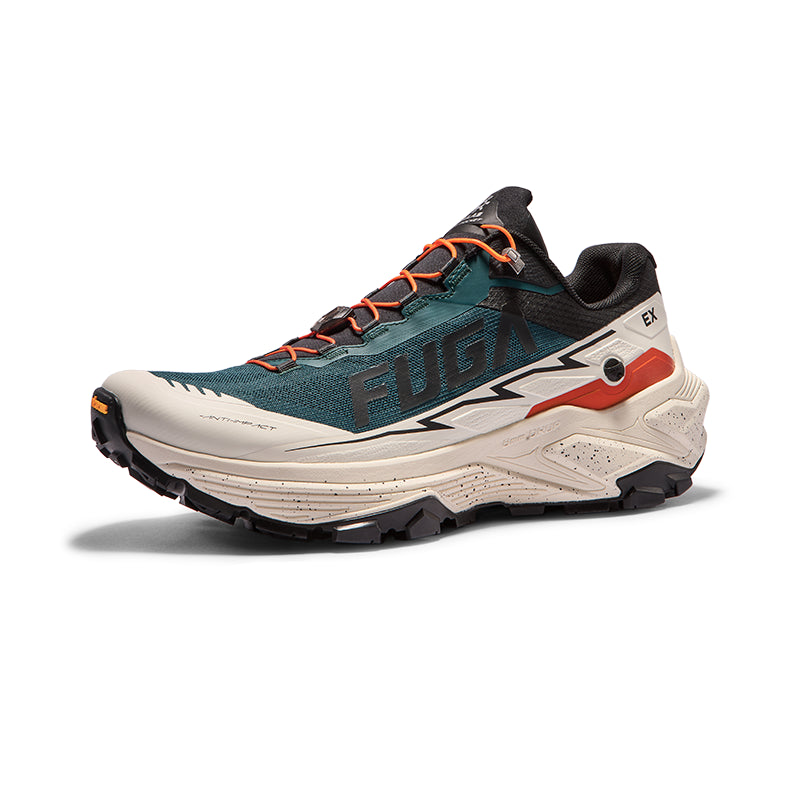
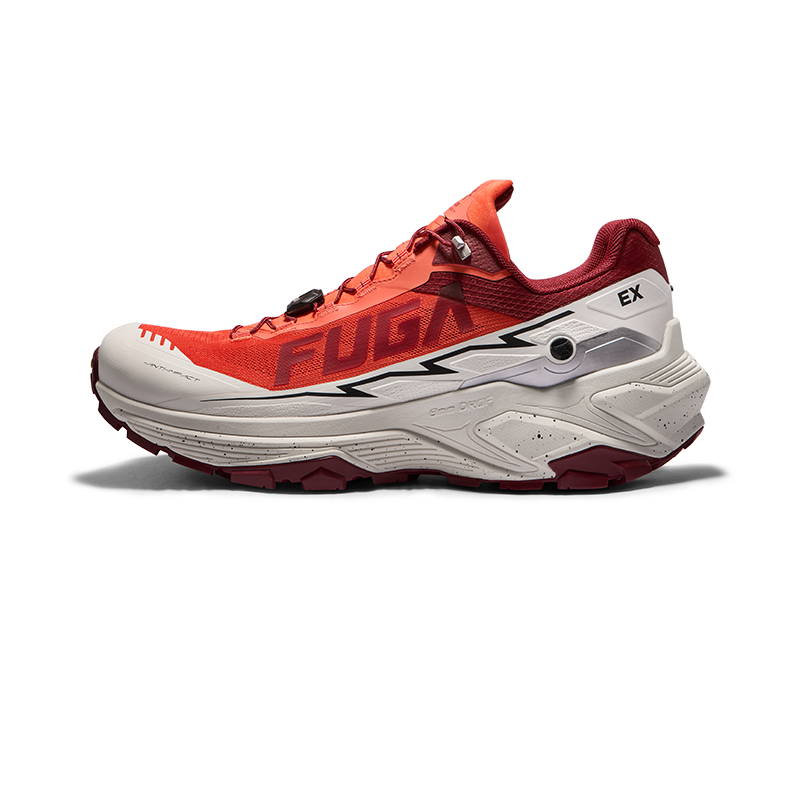
Pour éviter que votre pied ne glisse vers l'avant dans les descentes abruptes britanniques, il vous faut un bon maintien du médio-pied qui ne comprime pas la circulation sanguine. C'est là que la qualité de la conception des chaussures prend tout son sens. Certaines chaussures de trail, comme la KAILAS
Adhérence stable pour réduire le glissement du pied
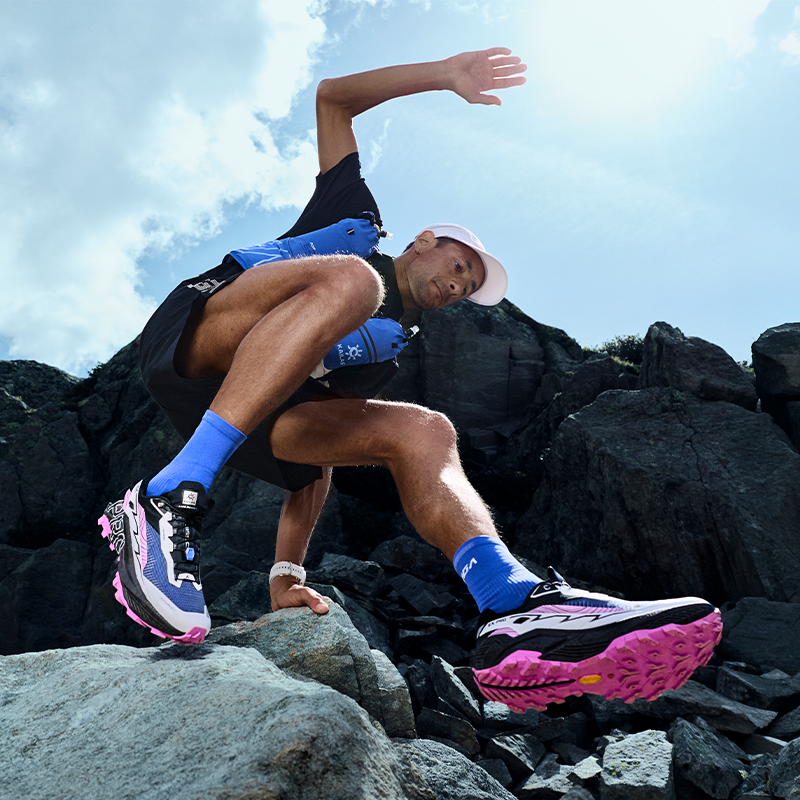
La semelle extérieure est tout aussi importante qu'une bonne tige pour éviter les ampoules. Si votre chaussure glisse sur des rochers mouillés ou de la boue grasse, votre pied va bouger à l'intérieur pour compenser. Choisissez une chaussure avec des crampons profonds et épais qui adhèrent bien au sol. Ainsi, votre pied restera bien en place dans la chaussure, foulée après foulée.
Assez d'espace pour les orteils pour la course en descente
Si le milieu de votre pied a besoin d'un bon maintien, vos orteils doivent avoir suffisamment d'espace pour s'étaler naturellement à la réception, surtout sur les ultra-trails. Un espace trop restreint pour les orteils favorise les frottements.Mais vos chaussures doivent aussi résister à la chaleur qui s'accumule après plusieurs heures de marche. KAILAS
Comment préparer ses pieds avant de courir ?
Même les meilleures chaussures de trail ne font pas tout le travail à elles seules. Prenez quelques minutes pour bien chausser vos pieds avant de partir, et vous vous en féliciterez après quelques kilomètres.
Ongles des orteils coupés et peau lisse
Coupez vos ongles d'orteils bien droits et limez les parties pointues qui pourraient vous blesser. Ne négligez pas les callosités épaisses : un peu de peau dure est pratique (elle évite les frottements), mais si vous en mettez trop, ces zones rugueuses peuvent se décoller et provoquer des ampoules douloureuses.
Baume anti-frottements ou ruban adhésif de protection
Appliquez de la crème ou du lubrifiant sur vos pieds avant d'enfiler vos chaussettes. N'oubliez pas les talons, la voûte plantaire et le dessus des orteils, bref, toutes les zones de frottement. Si certaines zones sont particulièrement sensibles, protégez-les avec du sparadrap ou des pansements anti-ampoules. Ainsi, le sparadrap agira à votre place.
Adaptation cutanée progressive par l'entraînement
Vos pieds ne s'adapteront pas immédiatement : ils ont besoin de temps. Augmentez progressivement votre kilométrage et variez les terrains lors de vos sorties hebdomadaires. Votre peau se fortifiera naturellement avec le temps, et vous aurez moins d'irritations lorsque vous partirez pour une longue aventure le week-end.

Gérer l'hydratation lors de longues courses en sentier
Lors de longues randonnées, il est essentiel de maîtriser l'humidité de ses pieds. En veillant à ce qu'ils restent bien secs, vous pourriez terminer votre parcours en beauté plutôt que de rentrer à la voiture en boitant douloureusement.
Changez vos chaussettes mouillées lorsque c'est nécessaire.
Si vous venez de traverser un ruisseau profond ou d'être pris sous une forte averse, n'hésitez pas à changer vos chaussettes trempées. Glissez une paire légère et sèche dans votre gilet de course : elle ne prend quasiment pas de place. Les changer permet à vos pieds de repartir à zéro et évite que la peau ne se ramollisse.
Gardez vos pieds au sec aux postes de secours.
Lorsque vous vous arrêtez à un point de ravitaillement pendant un ultra-trail ou une longue course organisée sur sentier, prenez une minute pour délacer vos chaussures. chaussures de trail Laissez vos pieds respirer. Utilisez une petite serviette de voyage pour essuyer la boue ou la transpiration, appliquez à nouveau votre baume anti-frottements et retirez les éventuels grains de sable ou débris qui se seraient glissés dans votre chaussure.
Prévoyez des chaussettes de rechange pour le jour de la course
Emportez toujours une paire de chaussettes techniques de rechange, respirantes et évacuant l'humidité, dans votre sac de ravitaillement ou votre sac à dos de course. Privilégiez la laine mérinos ou les mélanges synthétiques au coton : ces matières évacuent la transpiration et conservent leur forme même mouillées.
FAQ
Qu’est-ce qui provoque les ampoules lors du trail running ?
Trois facteurs contribuent à l'apparition d'ampoules aux pieds : le frottement, l'humidité et la chaleur. Votre pied glisse sur un sol irrégulier, votre peau est tiraillée d'avant en arrière, et finalement les différentes couches se séparent. Votre corps remplit alors l'espace avec du liquide pour se protéger : c'est ainsi qu'est née l'ampoule.
Les chaussettes épaisses sont-elles meilleures pour prévenir les ampoules ?
C'est une idée reçue répandue, mais non. C'est la matière qui compte, pas son épaisseur.Enfiler une grosse chaussette bien chaude dans sa chaussure de trail, c'est s'exposer à des ampoules. Cela prend trop de place, comprime les orteils et crée de nouveaux points de pression qui vous donneront forcément des ampoules.
Concentrez-vous plutôt sur le fait de garder vos pieds au sec. Optez pour des chaussettes techniques fines ou mi-épaisses, en laine mérinos ou en mélange synthétique. Elles évacuent la transpiration, laissent vos pieds respirer et n'altèrent pas le confort de vos chaussures.
Les chaussures de trail doivent-elles être serrées ou larges ?
Bien ajusté au niveau du médio-pied et du talon, spacieux au niveau des orteils. Cette combinaison offre souvent… Meilleure coupe parmi les chaussures de trail, empêcher votre pied de glisser dans les descentes techniques tout en laissant vos orteils s'écarter naturellement sans frottement.
Comment éviter les ampoules pendant une course ?
Dès que vous sentez une ampoule, réglez le problème. Arrêtez-vous au prochain endroit sûr, séchez bien la zone, appliquez un pansement anti-ampoules ou du ruban de kinésiologie, et vérifiez que vos lacets ne bougent pas à l'intérieur.
Conclusion
Prévenir les ampoules en randonnée n'est pas compliqué : il suffit d'anticiper leur apparition. Préparez correctement vos pieds, maintenez une bonne hydratation et assurez-vous que vos chaussures soient bien ajustées. Traitez les points de frottement avant qu'ils ne s'aggravent et choisissez un équipement qui maintient bien le pied et évacue la transpiration. Des pieds au sec, un bon maintien et vous profiterez pleinement de chaque kilomètre.