








Plan de entrenamiento para Trail Marathon: Guía paso a paso para corredores de Trail
El maratón de montaña no es solo una carrera de asfalto con mejores paisajes. Requiere una resistencia física excepcional, habilidad técnica y una estrategia de equipamiento inteligente. Esta guía paso a paso ofrece un plan de entrenamiento práctico y conciso para que pases de principiante en el trail running a corredor de maratón de montaña seguro de ti mismo.
¿Qué es un maratón de montaña y en qué se diferencia de una carrera en carretera?
El entrenamiento inteligente comienza con conocer la diferencia entre correr por senderos frente a correr por carretera.. En carretera, un ritmo constante y uniforme funciona mejor. En los senderos, se trata de adaptarse constantemente. Cambias de velocidad, cambias de terreno, cambias de mentalidad. Eso es lo que exige el trail running.
Características de distancia y elevación
Una maratón de montaña sigue teniendo 26,2 millas en teoría. Pero el perfil de elevación lo cambia todo. Olvídate de tu ritmo habitual de un minuto por milla. Un recorrido con cuestas puede llevarte fácilmente un 50 % más que una carrera en carretera llana. Por lo tanto, necesitas entrenar para el tiempo que pasas corriendo, no para un ritmo fijo por milla.
Variabilidad del terreno y desafíos técnicos
Los caminos son lisos. Los senderos no. Encontrarás barro, hierba mojada, piedras sueltas, raíces… todo cambia constantemente. Así que olvídate de las zancadas largas y lineales. Necesitarás pasos cortos y rápidos, y ajustarte continuamente para mantener el equilibrio. Esto trabaja el tronco, los tobillos y las pantorrillas mucho más que correr sobre asfalto.
Plan de entrenamiento para principiantes en maratón de montaña (Fase inicial de 0 a 12 semanas)
Si eres principiante en el trail running, dedica tus primeras 12 semanas a desarrollar fuerza y resistencia. Así, tu cuerpo podrá desenvolverse en terrenos irregulares sin lesionarse.
Desarrollar la resistencia básica con carreras de baja intensidad.
Construye tu Plan de entrenamiento para correr por senderos Correr mientras conversas. Mantén tu ritmo cardíaco bajo. Esto ayuda a que tu cuerpo queme grasa como combustible y fortalece los tendones sin el esfuerzo que supone correr a gran velocidad. Haz que estas carreras sean lo suficientemente suaves como para poder hablar mientras corres.
Introducción a la adaptación al terreno y a las técnicas de desplazamiento.
Empieza a correr distancias cortas fuera de pista. Eso te dará confianza. No mires tus pies. Mira de tres a cinco metros hacia adelante. Así tu cerebro tendrá tiempo de calcular dónde colocar los pies. Mantendrás una zancada rápida y ligera y evitarás tropezar con las raíces.
Entrenamiento básico de fuerza para la prevención de lesiones
Las fuerzas multidireccionales en los senderos requieren fuerza adicional. Practica estos ejercicios básicos con tu propio peso corporal dos veces por semana para fortalecer tus articulaciones:
-
Sentadillas con el propio peso corporal: 3 series de 15 repeticiones (para cuádriceps y glúteos).
-
Elevación de pantorrillas con una sola pierna: 3 series de 12 repeticiones por lado (para la estabilidad del tobillo).
-
Adelante & Zancadas laterales: 3 series de 10 repeticiones por pierna (para fortalecer la rodilla en múltiples direcciones).
-
Tablones: 3 series de 45 segundos de pausa (para mantener la postura en ascensos agotadores).
Ejemplo de estructura de entrenamiento semanal para principiantes
Un buen programa para principiantes mantiene el equilibrio. Se trabaja la técnica y la condición física aeróbica, pero también se incluyen días de descanso específicos. Esto le da al cuerpo tiempo para recuperarse adecuadamente.
| Día | Tipo de actividad | Prescripción & Intensidad |
| Lunes | Día de descanso para recuperación completa | Nada de correr. Céntrese en la recuperación pasiva, la hidratación y los estiramientos. |
| Martes | Carrera de base fácil | De 4 a 5 millas por senderos llanos o ondulados, o caminos de grava, a un ritmo cómodo que permita conversar. |
| Miércoles | Fortaleza & Movilidad | 30 minutos de ejercicios específicos para fortalecer la parte inferior del cuerpo y para estabilizar el tronco. |
| Jueves | Fácil recorrido estructural | 4 millas sobre una superficie mixta suave, centrándose intencionadamente en una cadencia alta y un juego de pies ligero. |
| Viernes | Día de descanso para recuperación activa | Descanso completo o 20 minutos de caminata muy ligera/yoga suave. |
| Sábado | Carrera aeróbica de larga distancia | Entre 8 y 10 millas por senderos no técnicos, priorizando el tiempo constante a pie sobre la velocidad. |
| Domingo | Sesión de recuperación fácil | Tres millas de trote lento y relajado sobre asfalto o césped para calentar las piernas. |

Plan de entrenamiento intermedio para maratón de montaña (fase de desarrollo de 12 a 24 semanas)
Ahora que ya has sentado las bases, es hora de subir el nivel y entrenar para las cuestas.
Incremento del kilometraje semanal con sobrecarga progresiva
Aumenta gradualmente tu kilometraje semanal durante tres semanas seguidas. Luego, tómate una semana de descanso y reduce tu kilometraje entre un 20 % y un 30 %. Este ciclo le da tiempo a tu cuerpo para recuperarse y adaptarse, y además evita el agotamiento.
Entrenamiento en cuestas y adaptación a la ganancia de altitud
Las cuestas realmente mejoran tu potencia y eficiencia. Busca una pendiente constante del 6% al 10% para hacer repeticiones. Empuja con los glúteos y mantén el torso erguido. No te saltes las bajadas. Practica correr cuesta abajo con soltura y relajación. Así, tus cuádriceps se acostumbrarán al esfuerzo intenso del frenado.
Incorporando carreras a intervalos y entrenamientos de ritmo.
Para que la escalada te resulte más fácil, necesitas aumentar tu umbral de lactato con una sesión de entrenamiento de calidad a mitad de semana:
-
Carreras de ritmo: Calentamiento de 10 minutos, 20 minutos a un esfuerzo umbral "cómodamente intenso", enfriamiento de 10 minutos.
-
Bloques de intervalos: 4 series de 5 minutos a un esfuerzo de 10 km, con 3 minutos de trote suave de recuperación entre series.
Equilibrar la recuperación y la carga de entrenamiento
Cuando acumulas kilómetros, tienes que recuperarte con la misma intensidad. Presta atención a síntomas como dolores musculares que persisten durante más de un par de días o una frecuencia cardíaca más alta de lo normal al despertar. Duerme todo lo que puedas. Y come más.Estás quemando mucho, así que devuélvelo.
Plan de entrenamiento avanzado para maratón de montaña (fase de rendimiento de más de 24 semanas)
Este último bloque se centra en el acondicionamiento físico específico para la carrera, una nutrición precisa y la fortaleza mental.
Carreras largas específicas para cada prueba en terrenos técnicos.
Lleva tus carreras largas de fin de semana a un terreno similar al de tu carrera. Si el recorrido es rocoso y técnico, practica moverte sobre rocas mojadas y terreno irregular cuando tus piernas ya estén cansadas. Así se siente el día de la carrera.
Entrenamiento de escalada y descenso de alta intensidad
Si compites a un nivel superior, debes ser rápido en los descensos. Inclínate un poco hacia adelante. No frenes bruscamente. Eso solo te destroza los cuádriceps. Deja que la gravedad te ayude. ¿Y en las subidas empinadas? Cambia a la técnica de caminar con paso ligero. Pasos cortos y rápidos. Así ahorrarás energía para cuando realmente la necesites.
Estrategia de nutrición e hidratación para carreras de resistencia de larga distancia
No improvises con tu alimentación el día de la carrera. Aprovecha tus carreras largas para acostumbrarte a consumir entre 60 y 90 gramos de carbohidratos por hora. Lo mismo con la hidratación: entre 500 y 750 ml de agua o electrolitos por hora. Ajusta la cantidad según la temperatura y la cantidad de sudoración.
Preparación mental para desafíos de senderismo de larga distancia
Una vez que tu cuerpo empiece a sentir el esfuerzo, tu cerebro tomará el control. No te obsesiones con los 42,2 kilómetros que te quedan por recorrer. Divídelos en partes. Piensa solo en llegar al siguiente punto de control o a la siguiente cuesta. Deja de preocuparte por la distancia que aún te queda.
Selección de equipamiento para el entrenamiento y la competición de maratón de montaña.
Correr por senderos te expone a cualquier condición climática y a terrenos difíciles. Por lo tanto, el equipo adecuado es fundamental para mantenerte seguro.
Zapatillas de trail running para diferentes terrenos
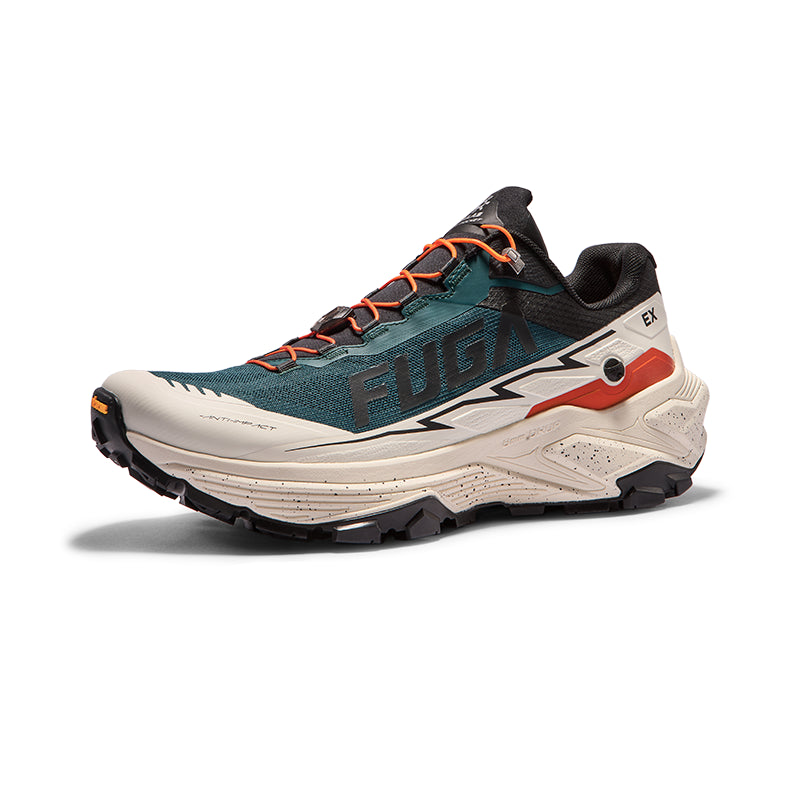
Las zapatillas de running convencionales no ofrecen el agarre, la protección ni la estabilidad lateral necesarios para correr fuera de pista. Necesitas suelas específicas para trail con tacos multidireccionales para mantener el equilibrio.
Kailas
Este Kailas
Kailas
El Kailas
Mochilas de hidratación y sistemas de transporte
Estarás lejos de baños y puntos de agua, así que tendrás que llevar tus propias bebidas. Consigue una mochila de hidratación tipo chaleco. Debe quedar bien ajustada al torso para que no se mueva. Busca bolsillos delanteros para tener fácil acceso a tus cantimploras y un compartimento trasero para guardar cosas como un botiquín de primeros auxilios o una manta de emergencia.
Equipo esencial para el día de la carrera
La mayoría de las carreras de trail en el Reino Unido exigen una lista de equipamiento obligatoria. Lleva siempre contigo estos elementos esenciales para afrontar las condiciones climáticas impredecibles de la naturaleza:
-
Chaqueta impermeable: Debe tener las costuras completamente selladas.
-
Silbato de supervivencia & Brújula: Para navegación y emergencias.
-
Raciones de emergencia: Entre 200 y 300 calorías adicionales en forma de geles o barritas que se mantienen estrictamente intactas.
-
Botiquín de primeros auxilios: Manta térmica de aluminio, apósitos para ampollas y un vendaje cohesivo.

Estrategias de prevención y recuperación de lesiones para corredores de montaña
Las superficies de los senderos varían mucho. Esto, naturalmente, reduce la tensión repetitiva que se produce al correr sobre asfalto. Pero el terreno también presenta sus propios problemas.
Lesiones comunes en carreras de montaña y sus causas
Los esguinces de tobillo suelen ocurrir cuando uno se distrae en terrenos irregulares o cuando los músculos estabilizadores están débiles. prevenir lesiones de rodilla Para evitar problemas como la rodilla del corredor y el dolor intenso en los cuádriceps, no te esfuerces demasiado en descensos pronunciados antes de haber desarrollado la fuerza adecuada.
Rutina de estiramientos y movilidad para la recuperación diaria
Tómate de 10 a 15 minutos después de cada carrera. Realiza estos ejercicios para mantener tu amplitud de movimiento y evitar que los músculos tensos te desalineen.
-
Estiramiento de pantorrillas de pie: 30 segundos por pierna (alivia la rigidez muscular provocada por las subidas empinadas).
-
Estiramiento de los flexores de la cadera de rodillas: 40 segundos por cada lado (abre las caderas tensas por el senderismo intenso).
-
Cuádriceps con rodillo de espuma: 2 minutos en total (elimina los desechos metabólicos del frenado en descenso).
-
Círculos de movilidad del tobillo: 15 rotaciones en cada sentido (favorece el flujo sanguíneo a los ligamentos).
Preguntas frecuentes
¿Cuántos kilómetros debo correr por semana durante mi entrenamiento?
Para principiantes, el objetivo es correr entre 25 y 35 millas por semana. Los corredores avanzados suelen alcanzar las 50 millas o más. Pero no te obsesiones con la distancia. Concéntrate más en el tiempo que pasas corriendo y en la cantidad de desnivel que superas. Los terrenos técnicos requieren mucho más tiempo para recorrerlos.
¿Necesito entrenar en cuestas para una maratón de montaña?
Sí, necesitas entrenar en cuestas. No hay otra opción. Desarrolla la fuerza para subir y prepara los cuádriceps para las bajadas. Si vives en una zona llana, usa una cinta de correr con la máxima inclinación, sube escaleras o realiza ejercicios de fuerza intensos para la parte inferior del cuerpo.
¿Qué zapatillas son las mejores para correr maratones de montaña?
Consigue unas buenas zapatillas de trail. Las mejores zapatillas para correr por senderos Deben ofrecer buen agarre en todos los lados, cierta protección contra las rocas y un ajuste ceñido. Para carreras largas con terreno mixto, opta por modelos bien acolchados con goma resistente. Te brindarán comodidad y estabilidad.
¿Cómo debo mantener el ritmo en una maratón de montaña?
Controla tu ritmo según tu esfuerzo o frecuencia cardíaca. Olvídate de los tiempos parciales de tu reloj. En subidas empinadas, reduce la velocidad: camina o acelera cuando sea necesario.En tramos llanos y bajadas suaves, deja que tus piernas se abran un poco.
Conclusión
¿Te animas a participar en una maratón de montaña? Cambiará tu perspectiva sobre las carreras de larga distancia. No tendrás que luchar contra el terreno ni intentar mantener un ritmo de asfalto. Simplemente, adáptate, come bien y presta atención a las señales del sendero. Sigue entrenando, consigue un buen equipo y disfruta de la carrera.