






Crossing Switzerland Ultra Trail Race Guide and Route Info
For many British ultra-runners, there comes a point when the Bob Graham Round, Lakeland 100, or even the Dragons Back Race no longer feels quite enough. If you're looking for an event that pushes well beyond the usual 100-mile challenge, Crossing Switzerland sits in a league of its own. The Crossing Switzerland Ultra Trail is one of Europe’s most demanding endurance challenges, pushing athletes beyond 100-mile efforts into true multi-day alpine expeditions.
This guide covers key route details, terrain challenges, mandatory kit, and preparation strategies for the 400K course, whether solo or in a team, along with essential gear insights to help you take on one of the toughest mountain ultra events in the world.
What Is the Crossing Switzerland Ultra Trail?
Few races in Europe match the sheer scale of Crossing Switzerland. Rather than feeling like a conventional ultra, it can take up to five days to complete across the Alps, linking mountain passes, remote valleys and historic trails from east to west.
A 400K Alpine Race Across Switzerland
The Crossing Switzerland Ultra Trail is one hell of a race. It covers 400 kilometres right across the spine of the Swiss Alps. This is a proper test of staying power and mental toughness, following historic trails, high mountain passes, and dramatic ridges. You're basically running a continuous line across the country, taking in everything from green pastures to bare, technical glacial moraine.
Crossing Switzerland Ultra Trail Race Details
|
Detail |
Information |
|
Distance |
390-400 km |
|
Elevation gain |
24,000 m+ |
|
Duration (Cutoff) |
176 hours (7 days, 8 hours) |
|
Start |
Bad Ragaz |
|
Finish |
Montreux |
|
Categories |
Solo, Duo, Ekiden (Relay) |
|
Terrain |
Alpine trails, passes, technical sections |
Key Facts: Distance, Elevation, Start, Finish, and Cutoff
The numbers alone explain why so few runners reach the finish:
-
Distance: Approximately 390 to 400 kilometres (depending on the exact annual route adjustments).
-
Elevation Gain: A staggering 24,000+ metres of positive ascent, equivalent to climbing Mount Everest almost three times.
-
Start Location: The historic spa town of Bad Ragaz in eastern Switzerland.
-
Finish Location: The iconic lakeside promenade of Montreux on the shores of Lake Geneva.
-
Time Limit: A generous but grueling 176 hours (7 days and 8 hours) to complete the entire journey.
Solo, Duo, and Relay Options Explained
While the distance may sound overwhelming for a single adventurer, the organisers have cleverly designed the event to appeal to different styles of running pairs and squads. You can take on the challenge as a Solo runner, carrying the entire mental and physical load alone. Alternatively, the Duo category allows pairs to run the entire length side-by-side, sharing the highs and lows. For those wanting a faster, more communal experience, the Relay options allow teams of up to five runners to split the massive distance into manageable stages, making it an epic collective road trip through the high mountains.

Where Does the Crossing Switzerland Route Go?
Knowing how the trail unfolds is crucial for pacing and mental readiness. It moves through a striking variety of alpine landscapes. Here’s a closer look at what you’ll encounter along the way.
From Bad Ragaz to Montreux
The race heads west right through the guts of the country. You start near the eastern border in Bad Ragaz, cut straight through the dramatic Central Alps, dive deep into the Bernese Oberland, then make the big descent down to the French‑speaking side and finish in Montreux. It's a cracking route that shows off just how varied and diverse the Swiss landscape really is.
Major Places Along the Route
As the miles tick by, you'll pass through some of Europe's most famous alpine towns and proper old valley villages. The route winds through the historic heart of Glarus, crosses the stunning countryside around Meiringen and Grindelwald with the Eiger looming above, cuts across the wild high-country landscapes of the Pays-d'Enhaut, then drops you down into the lively Lake Geneva area near Montreux.
Mountains, Valleys, Lakes, and Technical Trails
The ground never stays the same for long. You'll scramble over brutal, rocky cols that need hands-on-rock effort, drop into deep green valleys, and run alongside crystal-clear alpine lakes. The trail running route switches from smooth, runnable forestry tracks to technical singletrack scattered with roots that needs your full attention, especially when you're grinding through the night sections.
What Runners Need to Prepare Before the Race
Finishing a 400K race takes a lot more than strong legs. You need a careful, well‑thought‑out approach to your training, what you eat, and the kit you choose. Here's how to structure your preparation so you give yourself the best shot at reaching that finish line in Montreux.
Train for Long Climbs, Downhills, and Back-to-Back Days
To get your body ready for 24,000 metres of climbing, your training has to match the relentless nature of alpine terrain. Put plenty of time into long, sustained uphill power‑hiking to build your aerobic engine, but don't forget the downhills. Eccentric quad strength is what keeps you moving on day three. And make sure you're stringing back‑to‑back long runs together on your weekends so your body learns to keep moving efficiently when your legs are properly wrecked.
Test Your Nutrition Before Race Week
When you're moving for up to seven days straight, your digestive system becomes your most valuable asset. You can't rely purely on sweet energy gels without running into serious palate fatigue and nausea. During your training, get used to mixing real food with your fast‑acting carbs – savoury wraps, nuts, and Veloforte bars all work well.
To carry your fuel without it bouncing or rubbing, a good high‑capacity vest pack like the Kailas Air 8 IV is worth a look. It's an 8‑litre pack with two 500ml soft flasks, an ADF adjustment system, and a BI‑FIX flask stabilisation setup. The breathable mesh and multiple compartments make it easy to carry your hydration, gels, spare bottles, and lightweight mandatory kit. Everything stays stable and comfortable, even over rough ground.
Build a Gear Setup for Alpine Conditions
At high altitude, your kit list is non‑negotiable. When you're miles from the nearest refuge, safety comes first. Your pack needs proper waterproofs with taped seams, thermal base layers, a space blanket, head torches with spare batteries, and a reliable navigation device.
For runners building their first full mountain setup, a practical trail running gear checklist can help you think through shoes, clothing, hydration, storage, and safety items before race week. Pack light, but make sure everything you carry is durable and performs. Over 400 kilometres, that approach saves you precious energy.
Pick Shoes That Can Handle Long Alpine Miles
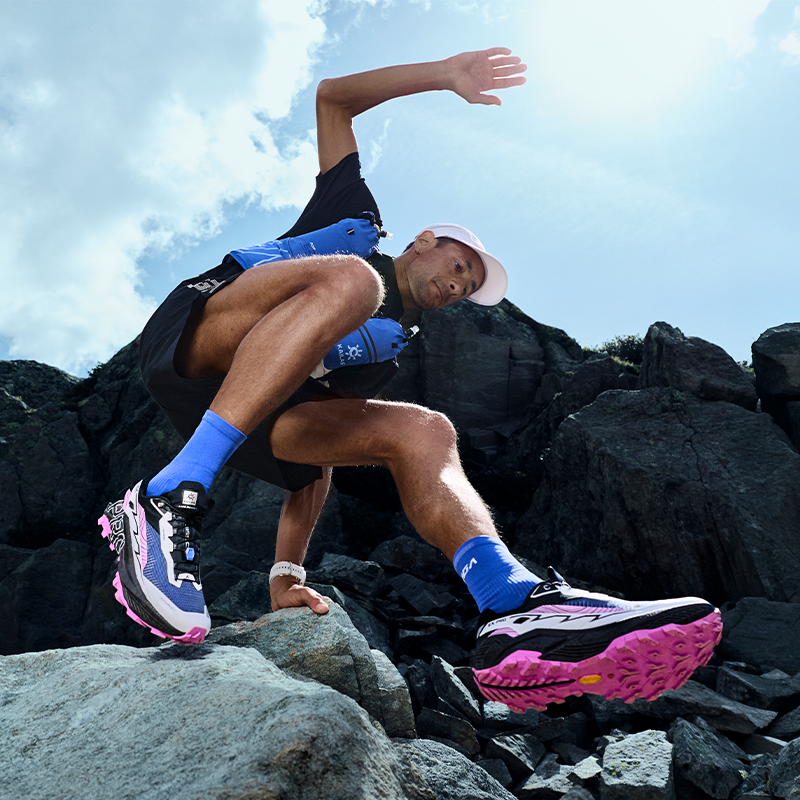
Your choice of shoes will quite literally make or break your race. Over multiple days of non‑stop movement, your feet will swell significantly. You need plenty of cushioning to take the sting out of thousands of downhill steps, paired with a grip that bites into mud, wet rock, and loose scree.
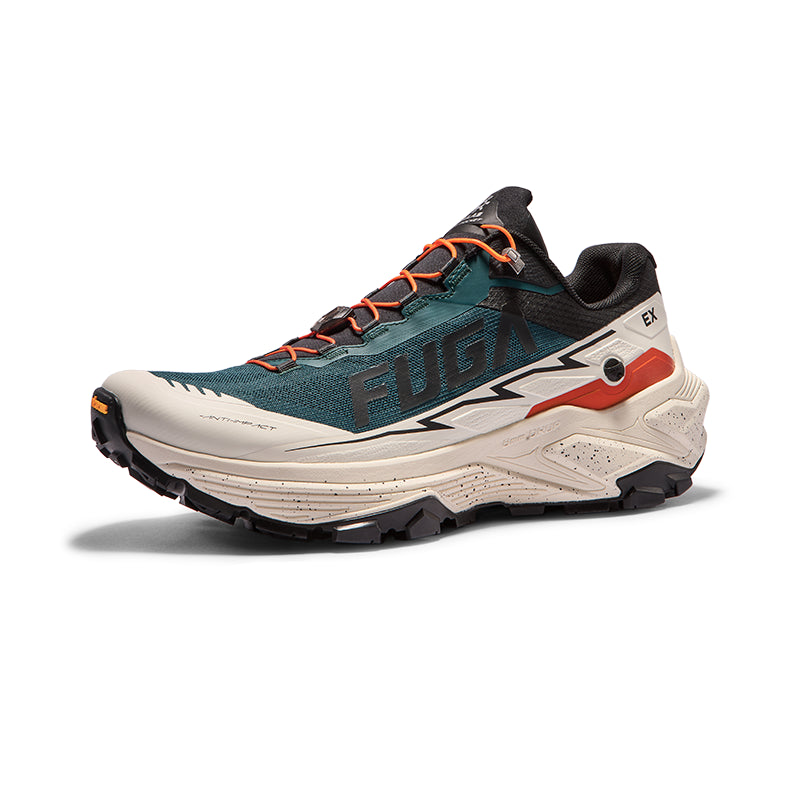
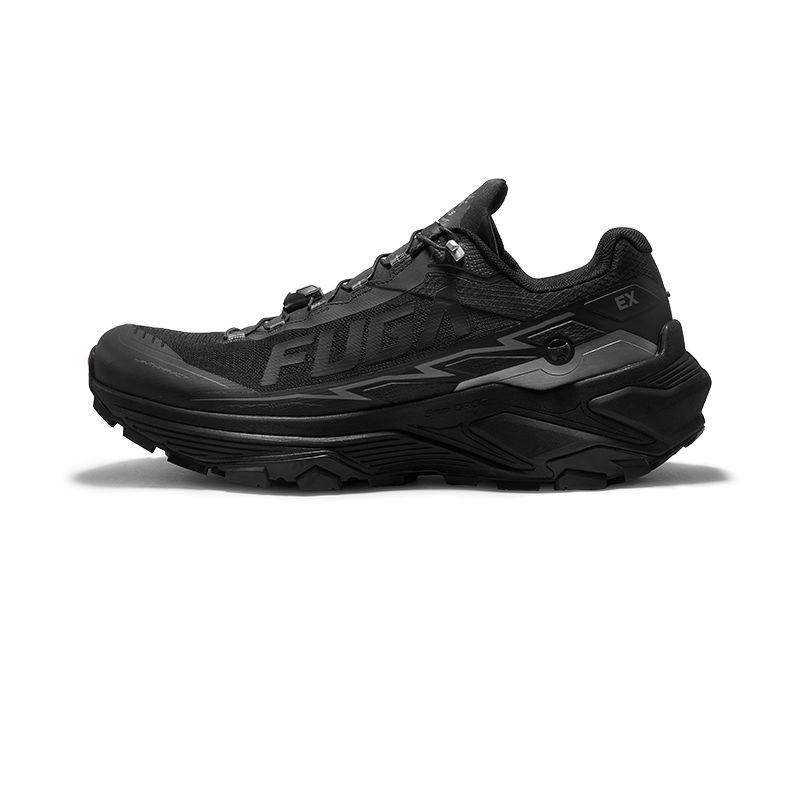
We'd strongly recommend trying the Kailas FUGA EX 330. It's built specifically for ultra‑long mountain mileage, with plush cushioning and top‑tier stability. If you prefer a slightly different feel but still want maximum comfort and that legendary Vibram Megagrip traction on technical descents, take a look at the Kailas FUGA EX 3. Both models give you a wide toe box and premium underfoot protection to help keep your feet blister‑free across the Swiss Alps.

How Hard Is Crossing Switzerland Really?
It's easy to look at the race map and think you know what you're in for. But the mental side of an event like this is a different story. Let's take a proper look at what really happens once that starting line buzz wears off and the hard graft begins.
Why 400K Feels Different From a 100-Mile Race
A 100‑miler is usually a non‑stop push. You get through one night without sleep and just keep the momentum going. A 400K race is a different beast altogether. It turns into a week-long exercise in lifestyle management. You're dealing with sleep deprivation over several days, looking after battered feet, and trying to keep your head straight when every part of your body is telling you to pack it in.
The Real Challenge: Climbing, Sleep, and Staying Moving
The real challenge of Crossing Switzerland comes down to how well you manage yourself at the aid stations. You've got to judge when a 20‑minute power nap is worth it and when you're better off pushing through the night. The winner isn't always the fastest runner. It's the one who keeps stopped time to a minimum, sorts out hot spots before they turn into blisters, and just keeps moving forward.
Weather and Alpine Terrain Can Change the Race Fast
Mountain weather is famously unpredictable. A sunny valley afternoon in Switzerland can flip into a freezing, snow-filled thunderstorm once you’re up above 2,500 metres — no warning, no gradual change. So you’ve really got to stay flexible. Layer up when it bites, strip off when it clears, and make sure you’ve got the skills to cope with sudden cold and poor visibility when it hits.
FAQ
How long is Crossing Switzerland Ultra Trail?
The Crossing Switzerland Ultra Trail is approximately 390 to 400 kilometres long. Runners are given a massive 176-hour cutoff time to cross the country, meaning you have over 7 full days to manage your pace, sleep, and survival across the Alps.
Where does Crossing Switzerland start and finish?
The race starts in the eastern spa town of Bad Ragaz and finishes on the shores of Lake Geneva in Montreux. The continuous line cuts beautifully across the spectacular Central Alps and the Bernese Oberland.
How much elevation gain does Crossing Switzerland have?
The route features a staggering 24,000 metres of positive elevation gain. This requires immense physical preparation for both steep, technical power-hiking and prolonged downhill running.
Can you run Crossing Switzerland as a team?
Yes, you can absolutely tackle the race as part of a team via the Duo or Relay categories. While Duo teams must run the entire course together, Relay teams can split the distance into distinct stages among up to five runners.
What gear do you need for Crossing Switzerland?
You need a comprehensive alpine kit list, including high-quality waterproofs, survival gear, headlamps, navigation devices, and highly cushioned trail shoes. Utilizing specialized equipment like the Kailas Air 8 IV pack and Kailas FUGA EX series shoes will keep your gear stable and your feet protected throughout the journey.
Conclusion
The Crossing Switzerland Ultra Trail is more than just a race. It's a proper journey into yourself, set against some of the most stunning mountain scenery you'll ever come across. Tackling 400 kilometres with 24,000 metres of climbing means you've got to respect the mountains, get your fitness dialled in, and have your head in the right place. Take the time to build your running endurance, get your nutrition sorted, pace yourself sensibly, and kit yourself out with decent trail gear, and that impossible-sounding alpine dream becomes a reality on the shores of Montreux. Good luck with the training, see you out on the Swiss trails!