











What Is UTMB? Mont Blanc Trail Race Guide
For trail runners everywhere, the Ultra-Trail du Mont-Blanc (UTMB) sits right at the top of the sport. Held in the stunning European Alps each August, this iconic race pulls in thousands of keen runners ready to push themselves against some of the toughest—and most breathtaking—ground you’ll ever cover. Whether you’re a seasoned ultrarunner plotting your qualification route or a UK trail fan looking to trade the Peak District’s boggy tracks for real alpine passes, this guide walks you through everything you need to know about the world’s most celebrated trail race.
What Are the Main UTMB Mont-Blanc Races?
UTMB week is a full‑on week of mountain running. You've got several top‑class events, each built for different distances, different levels, and different goals. The first step is figuring out which distance matches your ambition.That's what kicks off your Chamonix adventure.
|
Race |
Distance |
Elevation Gain |
Start Location |
Suitable For |
|
UTMB |
171 km |
10,000 m |
Chamonix |
Elite ultrarunners |
|
CCC |
101 km |
6,100 m |
Courmayeur |
Intermediate to advanced trail runners |
|
OCC |
55 km |
3,500 m |
Orsières |
Fast short-to-mid distance specialists |
|
TDS |
145 km |
9,100 m |
Courmayeur |
Experienced & technical mountain runners |
UTMB: The Flagship Mont Blanc Race
The main event—the UTMB itself—is the crown jewel of the week. It's a monster loop: roughly 171 kilometres (106 miles) with over 10,000 metres of climbing. You start and finish in Chamonix, France, and the route takes you right around the Mont Blanc massif, passing through France, Italy and Switzerland. Make no mistake – this one really tests your body and your head.
CCC: The 100K Mountain Challenge
The CCC – often called the main event's "little sister" – starts in Italy and covers 101 kilometres with 6,100 metres of climbing. Don't let the name fool you, though. There's nothing little about it. The CCC stands on its own as a tough, highly competitive mountain ultra. You get a proper taste of the high Alps, and it also doubles as the global final for the UTMB World Series 100K category.
OCC: The Competitive 50K Race
The OCC kicks off in Orsières, Switzerland, and stretches across roughly 55 kilometres with 3,500 metres of climbing. This one's taken off in a big way. It draws a seriously fast crowd of short‑to‑medium distance trail specialists.
TDS: A Technical Alpine Route
The TDS – that's Sur les Traces des Ducs de Savoie – is widely seen as the wildest and most technical race of the week. You'll cover 145 kilometres with a huge 9,100 metres of climbing. The route pushes you deep into the Beaufortain region, with rough, exposed singletrack and steep ridges.
MCC, ETC, PTL, and YCC
Then you've got a few other events to round things out, making sure there's something for everyone. The MCC (40km) is normally kept for volunteers and locals. The new ETC (15km) gives you a short, sharp hit of alpine climbing. For younger runners, the YCC offers a brilliant platform across the youth categories. And then there's the PTL – a non‑competitive, self‑navigated team adventure that covers roughly 300km of pure, unmarked wilderness.
Choosing the Right UTMB Race
Picking the right race comes down to your mountain experience, how much you run, and what you want to get out of it. Love steep, technical scrambles? The TDS is your one. Want a fast, punchy alpine sprint? Go for the OCC. For British runners who know the relentless, steep climbs of the Lake District, the CCC or the full UTMB make a solid next step into proper big‑mountain running.

What Is the UTMB Route Like?
To really respect UTMB, you've got to get your head around the terrain. The course is a proper lesson in alpine geography – stunning views thrown together with non‑stop challenges that'll test every part of you.
Running Around Mont Blanc
The route loops right around Europe's highest peak, taking you through three very different mountain cultures. You get the French crowds yelling "Allez, allez!" with real passion. You get the rough‑and‑ready high‑altitude welcome in Italy. Then you hit the postcard‑perfect Swiss valleys. And all the while, that snowy peak of Mont Blanc never leaves your sight.
Distance and Elevation Gain
At roughly 171km with over 10,000m of climbing, the main course is on a scale you just don't get in the UK. To put that in perspective for British runners: it's like going up Ben Nevis nearly eight times in a row. Except you're doing it much higher up, where the air feels noticeably thinner.
Climbs, Descents, and Technical Terrain
The climbs on UTMB are famously long and relentless – you're often going up for two or three hours at a stretch. But more often than not, it's the descents that break you. They're just as long, and they absolutely shred your quads. Repeated toe impact on steep downhills is also one of the main reasons toenails turn black after trail running. The paths are mostly well marked, but you'll still hit loose scree, exposed ridges, and slick, rooty forest tracks that need your full attention.
Night Running and Weather Changes
Most runners will spend one, maybe two full nights out there with just a headtorch for light. Once the sun drops, the mountains turn into something else entirely. The weather in the high Alps is famously unpredictable – you can have a warm afternoon down in the valley, then hit a freezing blizzard up on the passes. Temperatures plunge below zero, and you've got to adapt fast.
Aid Stations and Cutoff Times
The aid stations are brilliant – properly stocked with everything from warm broth and pasta to local cheese and meats. But you need to watch your time at them. There are strict cutoffs at key checkpoints along the route. Linger too long resting your feet, and the marshals will pull you from the race.
How Do You Qualify for UTMB?
Because demand to stand on the starting line in Chamonix far outstrips the available places, organizers have established a structured qualification ecosystem. Getting in requires strategic planning, consistent racing, and a little bit of luck in the lottery.
UTMB Running Stones Explained
Running Stones are essentially your digital lottery tickets for the UTMB Finals (UTMB, CCC, OCC). You can only collect these coveted stones by completing races within the UTMB World Series network. The more Running Stones you accumulate over the year, the more times your name enters the virtual hat, substantially boosting your mathematical odds of selection.
Understanding the UTMB Index
While Running Stones grant you entry into the lottery, your UTMB Index proves you have the physical capability to finish the race safely. Your index is calculated based on your performance speed across various distance categories (20K, 50K, 100K, and 100M). To enter the lottery for a specific final, you must hold a valid, active UTMB Index in the corresponding distance category.
How the UTMB Lottery Works
Once registration closes in January, a massive electronic draw takes place. If your name is drawn, congratulations—your spot is secured. If you miss out, your accumulated Running Stones used for that draw are used up, and you will need to collect new Running Stones by finishing more UTMB World Series races to enter the lottery for the next cycle.
Direct Entry for Qualified Athletes
For elite mountain runners, there is a fast-track route that bypasses the lottery entirely. Top finishers at UTMB World Series Majors and designated UTMB World Series Events earn direct qualification to the finals in Chamonix, ensuring that the starting line features the absolute sharpest, most competitive field in global trail running.
Checking the Latest Registration Rules
The qualification framework does evolve slightly from season to season, so it is highly recommended to check the official UTMB portal regularly. Ensure that your qualifying races are properly logged against your profile and that your medical certificate is signed and uploaded well ahead of the strict summer deadlines.
What Gear Do You Need for UTMB?
When you are moving through severe alpine environments, your gear choices are quite literally a matter of safety and survival. The race organizers mandate a strict list of mandatory kit that is rigorously checked before you are issued your race bib.
Choose Trail Running Shoes for UTMB
Your choice of footwear will make or break your race over 171 kilometres of varied alpine rock, dirt, and mud. You require a shoe that masterfully balances aggressive grip, deep plush cushioning, and long-term durability.
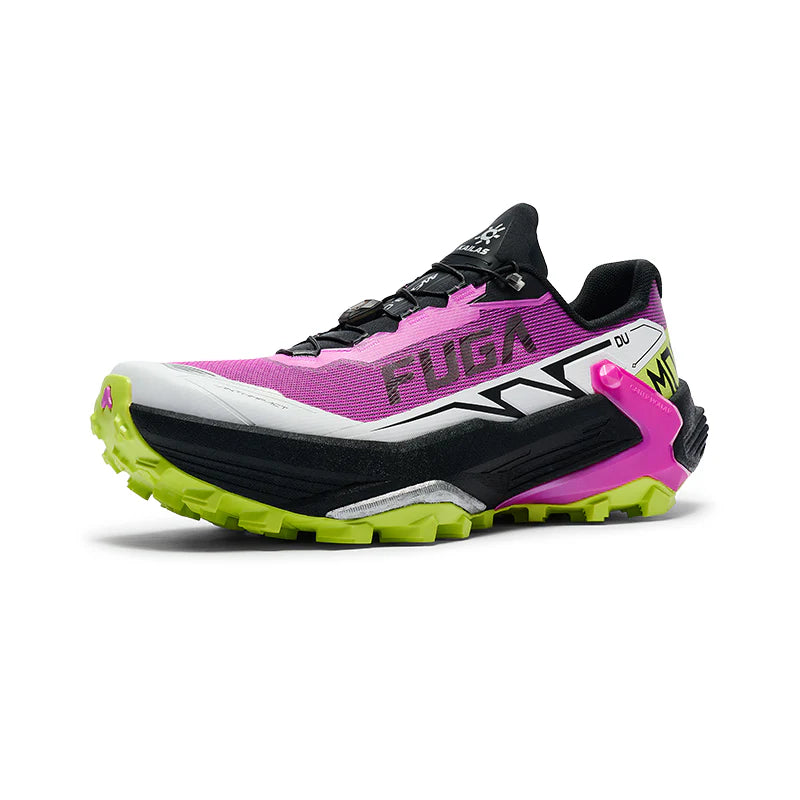
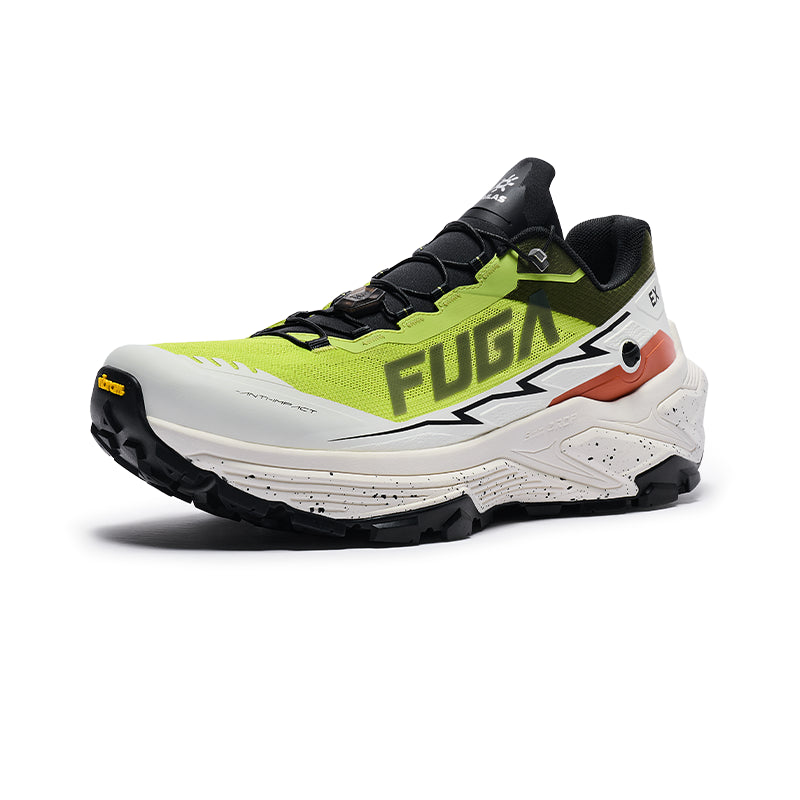
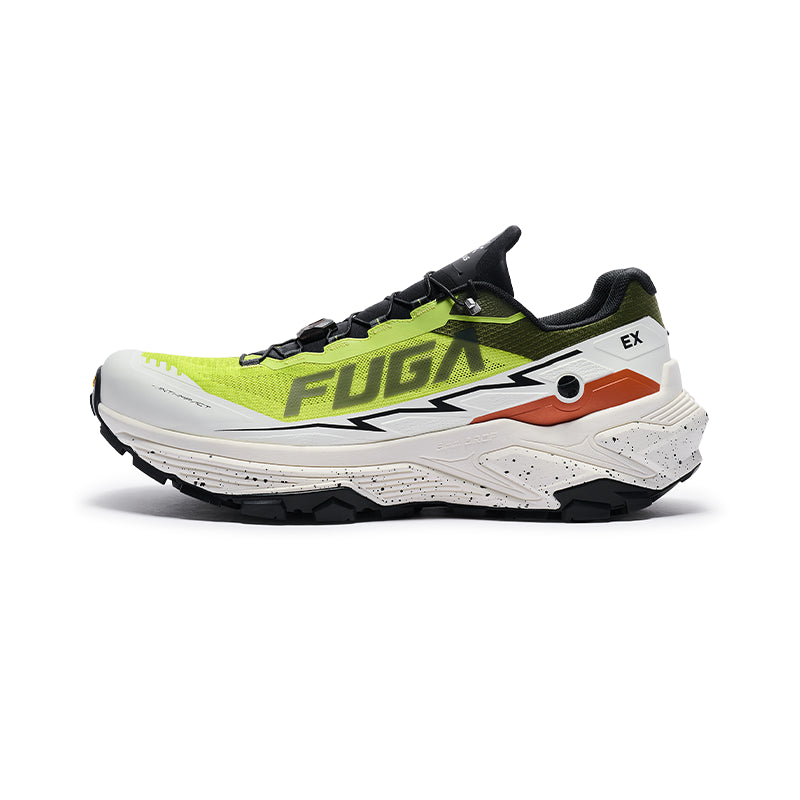
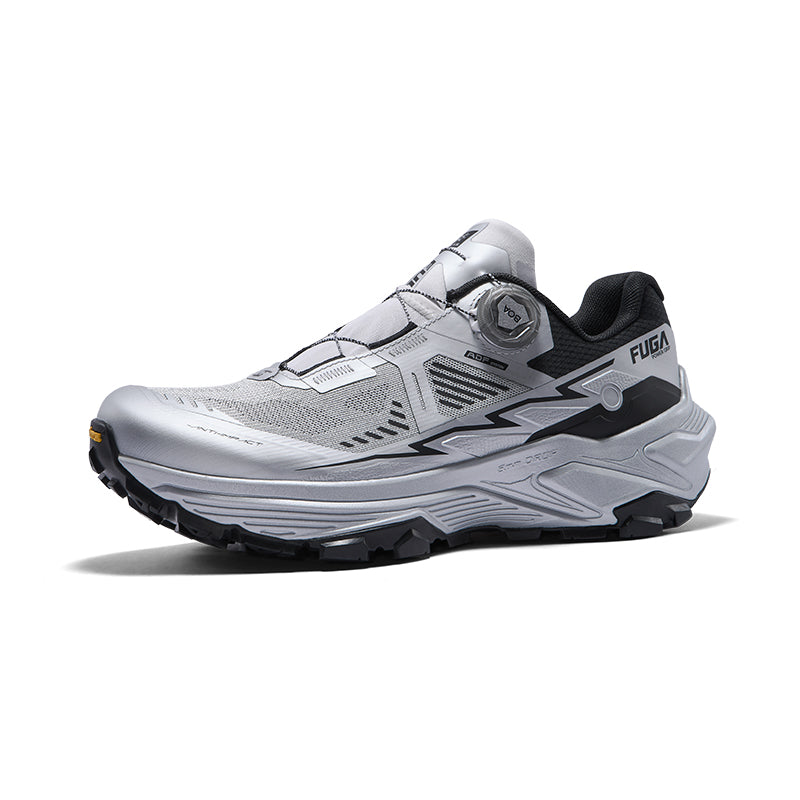
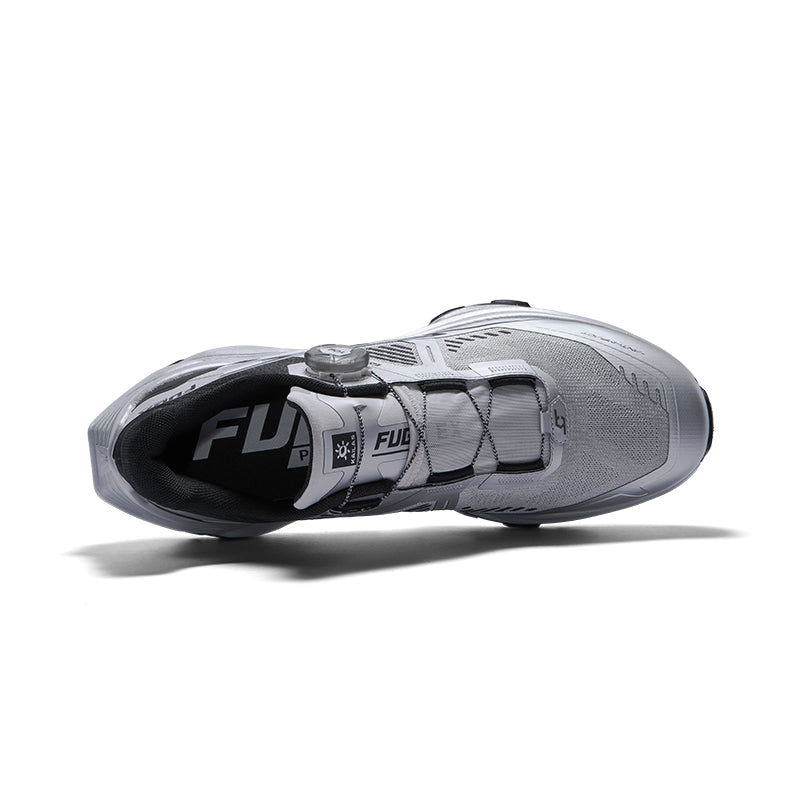
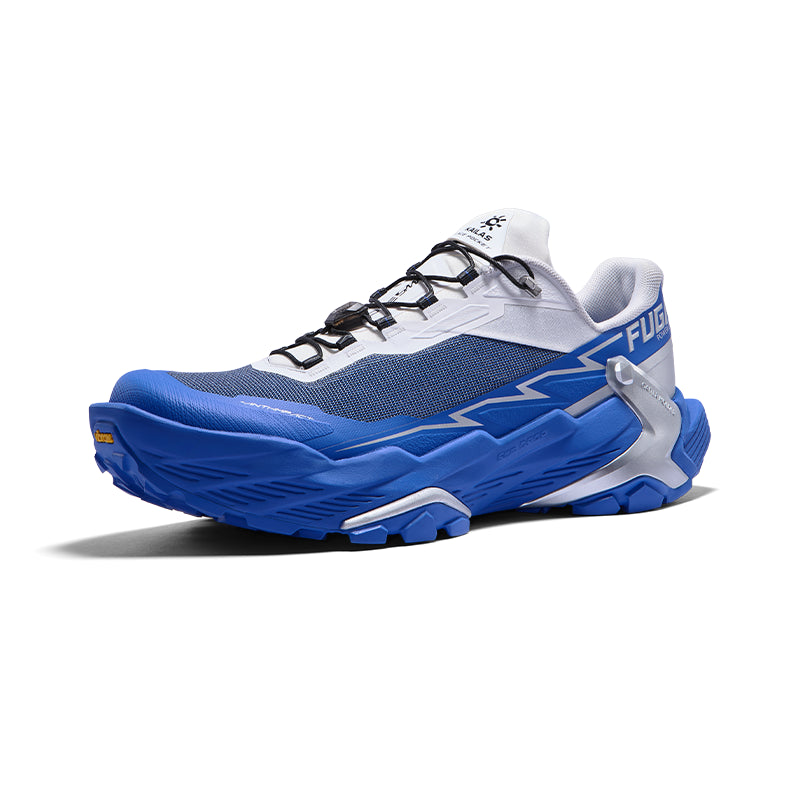
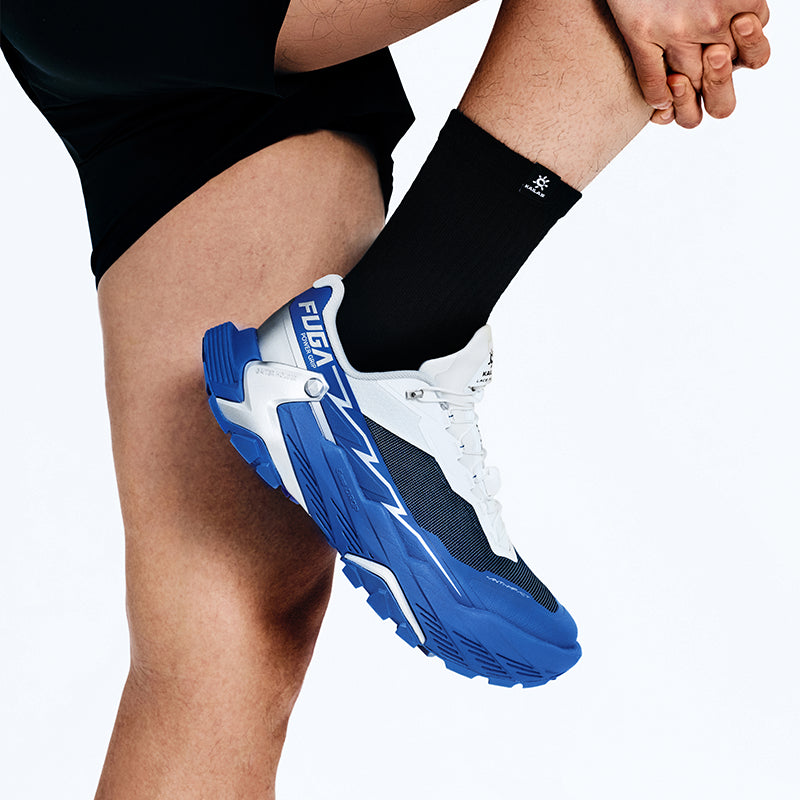
The Kailas Fuga EX 3 is specifically engineered to handle the relentless demands of ultra-distance mountain trails. Featuring a highly responsive dual-density midsole and an elite Vibram Megagrip outsole, it delivers exceptional traction on wet alpine slabs and loose descents alike, while keeping your feet comfortable over multiple days.
For runners who require a touch more stability and structured support when fatigue sets in late in the night, choosing an upgraded variant can provide a massive psychological and physical boost.
The Kailas Fuga EX 330 builds on that elite mountain heritage, adding enhanced structural support and premium comfort designed specifically for heavier impacts and technical mountain terrain. It's an absolute powerhouse choice for tackling the brutal 10,000 metres of descent around Mont Blanc.
Use a Comfortable Hydration Vest
With long stretches between remote alpine aid stations, carrying your mandatory kit, fluids, and fuel efficiently is paramount. A bouncing, poorly fitted pack will cause agonizing chafing within the first thirty miles, so look for a vest that fits like a second skin.
The Kailas Fuga Air 8 Ⅲ is a masterclass in lightweight, ergonomic pack design. It contours perfectly to your upper body to eliminate bounce, offering smart, accessible storage for your soft flasks, layers, and nutritional supplies, ensuring you can grab what you need without breaking your stride.
Prepare Mandatory Safety Gear
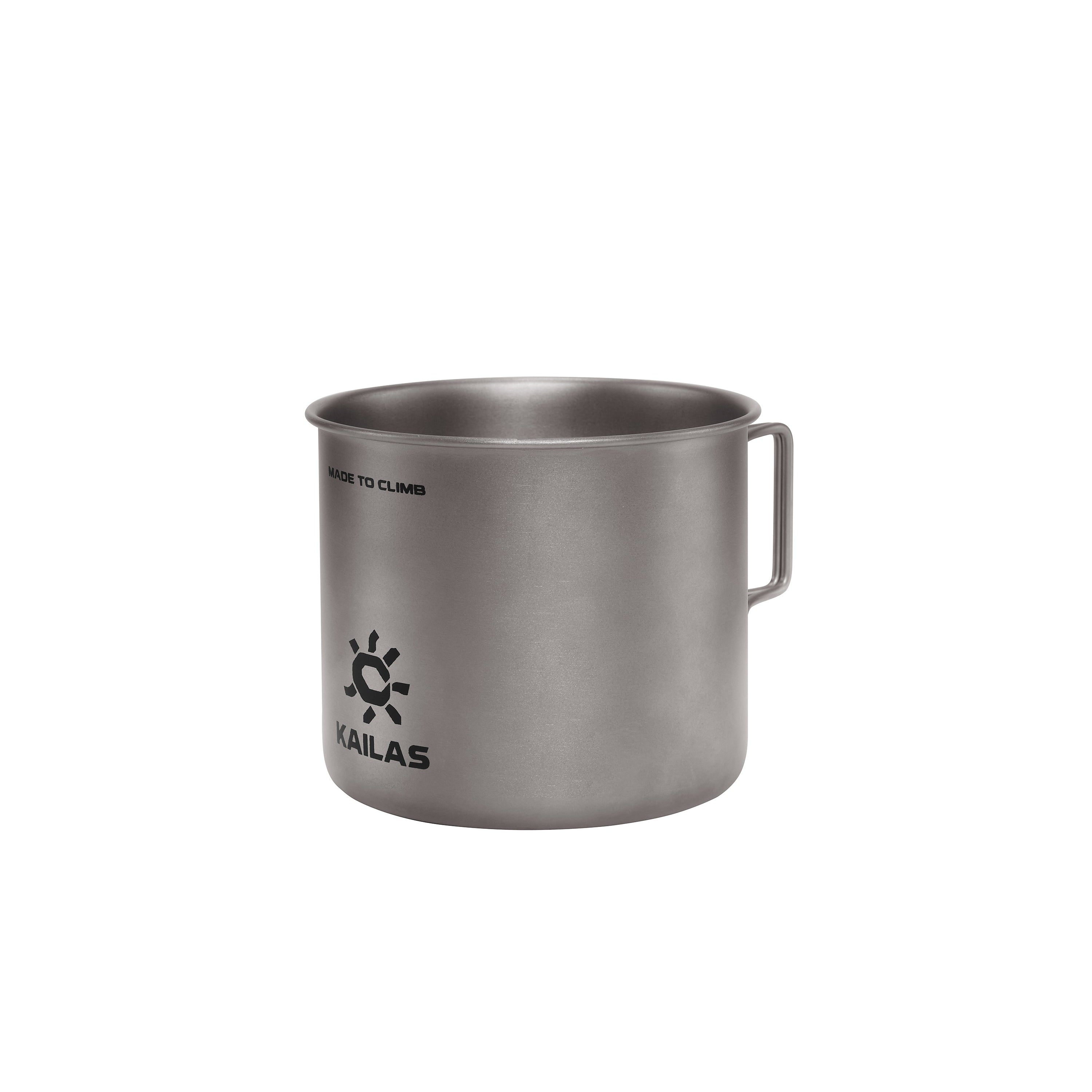
The mandatory safety kit list is non-negotiable. It goes well beyond the usual equipment for trail running. You must carry two high-powered headtorches with spare batteries, a survival blanket, a whistle, adhesive elastic bandaging, a waterproof jacket with a minimum of 10,000 Schmerber hydrostatic head rating, waterproof trousers, and a reusable cup for hot drinks at the alpine stations.
Pack Layers for Changing Weather
Ensure your kit includes a high-quality thermal base layer, a pair of warm running gloves, a beanie or buff, and a breathable mid-layer that can be quickly pulled from your pack when transitioning from a hot climb to a freezing, windswept ridge line.
Test Nutrition and Hydration Supplies
Spend your long weekend training blocks testing exactly how your stomach reacts to various energy gels, electrolyte tablets, and solid foods under high physical duress. Practice fueling continuously on steep climbs so your body becomes efficient at digesting carbs while working hard.

What Should You Plan Before Race Day?
An ultra-marathon of this scale is won or lost long before you reach the starting line. Logistics in Chamonix during UTMB week can be incredibly hectic, making early and meticulous planning absolutely essential.
Book Accommodation in Advance
Chamonix completely fills to capacity during the last week of August, causing prices to skyrocket. It is highly recommended to secure your chalet, hotel, or apartment at least nine to twelve months in advance. Look for options near the town centre or along the local train line to make travelling back from the finish line seamless.
Plan Transportation to Chamonix
For UK runners, traveling to Chamonix is quite straightforward. Most fly into Geneva Airport and hop onto one of the frequent, direct airport transfer shuttles straight up the valley, which takes roughly 90 minutes. Alternatively, driving out via the Eurotunnel allows you to bring as much gear and nutrition as your boot can hold.
Complete Bib Collection and Gear Checks
When you arrive in Chamonix, allocate ample time to visit the main race expo for your mandatory gear check. The race officials will randomly select items from your list to inspect; ensure everything is neatly packed and compliant to avoid unnecessary stress or a delayed bib collection.
Arrive Early for Race Preparation
Aim to arrive in Chamonix at least three to four days before your race begins. This gives your body sufficient time to adjust to the mountain elevation, shake off travel stiffness, sample sections of the local trail network, and fully soak up the incredible, buzzing pre-race atmosphere in town.
FAQ
How Long Is the UTMB Race?
The main UTMB race runs for roughly 171 kilometres (106 miles). You're looking at about 10,000 metres of climbing, looping right around the Mont Blanc massif through France, Italy and Switzerland.
Is UTMB the Hardest Trail Race?
Most people would say yes – it's one of the toughest and most competitive trail races out there, though probably not the most technical you'll find. Put together the extreme distance, huge alpine climbs, unpredictable weather and strict cutoffs, and you've got a proper elite‑level endurance test.
Can Beginners Run UTMB Mont-Blanc?
No, this one's definitely not for beginners. The physical demands are extreme, and the entry rules are strict. You'll need to build up serious experience first – finishing smaller trail races and ultras – before you can even qualify for the lottery.
How Do You Get Running Stones?
You earn Running Stones by finishing official UTMB World Series events or Majors. Complete a 20K, 50K, 100K or 100‑mile race on the circuit, and you'll get a set number of stones. These act as your lottery tickets for the Chamonix finals.
What Shoes Are Best for UTMB?
Go for a durable trail shoe with aggressive wet‑weather grip and plenty of cushioning. The Kailas Fuga EX series works well – you get a Vibram Megagrip outsole and comfortable long‑distance cushioning, which is just what you need for technical alpine terrain.
Conclusion
Getting to the UTMB start line is a journey in itself – one that tests your commitment long before you ever set foot in the Alps. You've got to chase down your Running Stones, survive the lottery, and put in countless lonely miles on your local trails. It asks everything of you. But when you're standing in the heart of Chamonix, with the crowd buzzing and the mountains looming large above you, every bit of that effort feels worth it. Get your training right, sort out your logistics, lace up a solid pair of mountain shoes, and go and take on the ultimate trail running playground.