


When choosing between trail running and road running, the decision depends on your goals, environment, and training preferences. Both styles offer strong cardiovascular benefits, but they differ in terrain, pacing, muscle engagement, and safety requirements. Understanding these differences helps you select the running style that best fits your needs.
Key Differences Between Trail Running vs Road Running
Trail running and road running differ in several key areas, including surface conditions, running rhythm, physical demands, and safety considerations. These factors shape how you run and how your body adapts over time. The following sections highlight the main differences.
Terrain and Surface: Uneven Trails vs Paved Roads
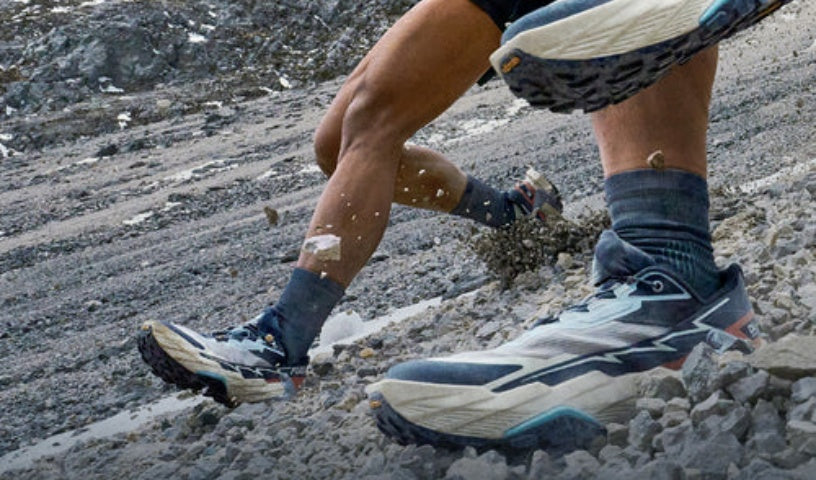
The main difference between trail running and road running is the surface. Trail running takes place on natural terrain such as dirt paths, mountains, and forest trails, where runners encounter uneven ground, rocks, roots, and elevation changes, requiring constant adjustment and awareness. In contrast, road running occurs on smooth and predictable surfaces like asphalt or concrete, allowing for a stable stride and consistent movement, making it easier to focus on efficiency.
Pace and Rhythm Differences in Each Running Style
Pacing is more consistent in road running because the surface is stable, making it ideal for structured training such as interval runs and long-distance preparation. Trail running involves frequent changes in speed due to uphill, downhill, and uneven terrain, so runners rely more on effort and feel rather than fixed pace, resulting in a more variable rhythm.
Muscle Engagement and Balance Requirements
Trail running engages more stabilizing muscles because runners must constantly adjust their balance on uneven ground, activating the core, ankles, and smaller muscle groups. Road running relies on repetitive motion and mainly targets larger muscles such as the quadriceps and glutes, making it more efficient but less demanding in terms of balance and coordination.
Safety Considerations and Equipment Needs
Road running involves risks such as traffic and repeated impact on hard surfaces, but routes are generally simple and accessible. In contrast, trail running presents challenges such as uneven terrain, weather changes, and navigation, often requiring specialized equipment for trail running, such as trail shoes, hydration systems, and a heightened awareness of the surroundings.

Essential Gear for Trail Running and Road Running
Choosing the right gear is essential for both trail running and road running, as each environment places different demands on the body and overall running experience. While some equipment overlaps, such as running shoes and basic apparel, the level of protection, grip, and support required can vary significantly. Understanding what gear is necessary for each type of running helps improve performance, safety, and comfort.
Must-Have Equipment for Trail Running
Trail running requires more specialized gear due to unpredictable terrain and environmental conditions. Trail running shoes with strong traction and durable soles are essential for maintaining stability on uneven or wet surfaces, while moisture-wicking clothing helps regulate body temperature during longer runs. Many runners also use hydration packs or handheld bottles, along with accessories such as hats, sunglasses, and navigation tools to adapt to changing conditions.
Among all gear, footwear is the most critical factor for both safety and performance. For example, shoes like the EX3 trail running shoes are designed to handle mixed terrain and long-distance efforts. They feature a VIBRAM MEGAGRIP outsole for reliable traction on wet and slippery surfaces, an Eccevai high-rebound midsole that provides sustained cushioning and energy return over long distances, and an AWS 3.0 dual-stage lockdown system that improves foot stability and helps prevent forward slide during descents. This combination supports better control, comfort, and efficiency on technical trails.
Basic Gear for Road Running
Road running typically requires simpler and lighter gear because of the consistent surface and controlled environment. A good pair of road running shoes designed for cushioning and comfort is the most important item, supported by breathable clothing that allows for efficient movement. Additional items such as a running watch, phone holder, or lightweight hydration option may enhance the experience, but are often optional. In general, road running gear prioritizes simplicity, comfort, and efficiency.
Who Trail Running Is Best For
Trail running offers a more varied and immersive alternative to traditional road running, combining physical effort with constantly changing environments. It requires adaptability, focus, and body awareness, making it a strong choice for runners who value both performance development and the overall running experience.
Runners Who Enjoy Nature and Outdoor Exploration
For runners who enjoy spending time outdoors, trail running provides a more immersive and refreshing experience. Running through forests, mountains, and natural trails offers scenic views, fresh air, and a stronger connection to the environment, all of which are key benefits of trail running that can help reduce stress and improve overall mental well-being.
Adventure Seekers and Challenge-Oriented Runners
Runners who are motivated by challenge and variety often find trail running more engaging than road running. The constantly changing terrain, including elevation shifts and technical sections, requires quick adjustments and active decision-making, creating a less predictable but more stimulating training experience.
Seeking Strength, Balance, and Full-Body Training
Those aiming to improve overall strength and balance can benefit significantly from trail running. Uneven terrain activates stabilizing muscles in the core, ankles, and lower legs, while elevation changes increase muscular endurance, resulting in a more comprehensive full-body workout over time.

Who Should Choose Road Running
Road running is a practical and efficient choice for runners who prioritize convenience, consistency, and measurable progress. With its predictable environment and easy accessibility, it allows for structured training and better time management, making it suitable for a wide range of runners with different goals and experience levels.
Runners with Busy Schedules and Limited Time
For runners with tight schedules, road running offers a convenient and time-efficient option. It can be done almost anywhere without the need to travel to specific locations, allowing for quick workouts before or after daily commitments. The predictable surface also reduces preparation time, making it easier to fit consistent training into a busy routine.
Option for Beginners and Injury Recovery
Road running is often a suitable starting point for beginners and those returning from injury. The even surface makes it easier to control pace and intensity, reducing the complexity of movement and lowering the risk of missteps. This controlled environment helps runners build confidence, establish proper form, and gradually increase endurance.
Improving Speed, Endurance, and Performance Metrics
Runners focused on performance improvement often prefer road running due to its consistency and measurability. The stable surface allows for precise pacing, making it ideal for tracking progress, setting goals, and following structured training plans. This makes road running especially effective for improving speed, endurance, and overall running efficiency.
FAQ
Which burns more calories, trail running or road running?
Trail running burns more calories than road running in most cases. This is because uneven terrain, elevation changes, and increased muscle engagement require more energy. Road running is more efficient, while trail running demands higher overall effort.
Can I use road running shoes on trails?
Yes, but only on easy trails. Road running shoes can work on flat and dry paths, but they lack the grip and stability needed for technical terrain. For uneven, wet, or steep trails, trail running shoes are the safer and more effective choice.
How do I switch from road running to trail running?
Start by choosing simple and less technical trails. Reduce your pace, focus on balance, and adjust your stride to match the terrain. As your stability and confidence improve, gradually increase distance and trail difficulty.
Can you combine trail running and road running in training?
Yes, combining both is highly effective. Road running improves speed and consistency, while trail running builds strength, balance, and endurance. Using both creates a more balanced and complete training routine.
Conclusion
Trail running and road running each offer unique benefits, and the best choice depends on your goals, preferences, and training environment. Trail running provides variety, challenge, and full-body engagement, while road running offers convenience, structure, and measurable progress. For many runners, combining both styles can deliver the most balanced results, improving performance while keeping training enjoyable and sustainable.
Leave a comment
This site is protected by hCaptcha and the hCaptcha Privacy Policy and Terms of Service apply.