


Filters
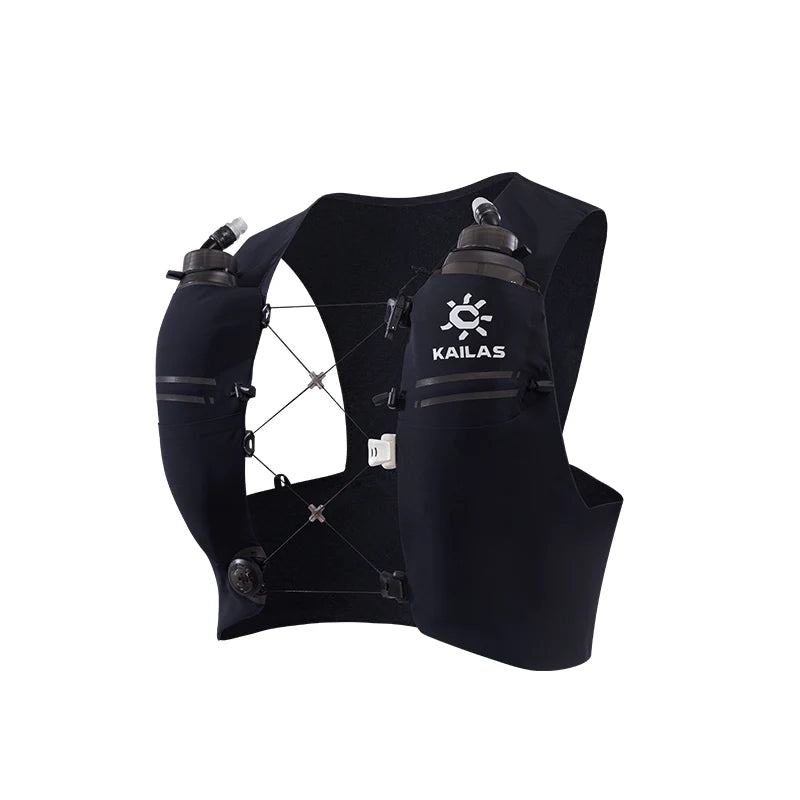
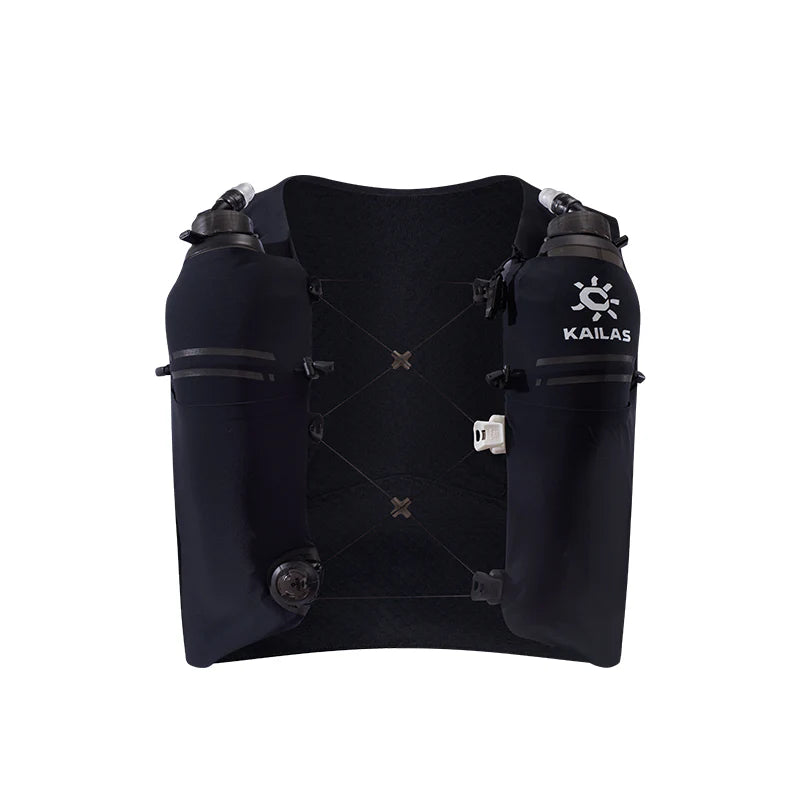


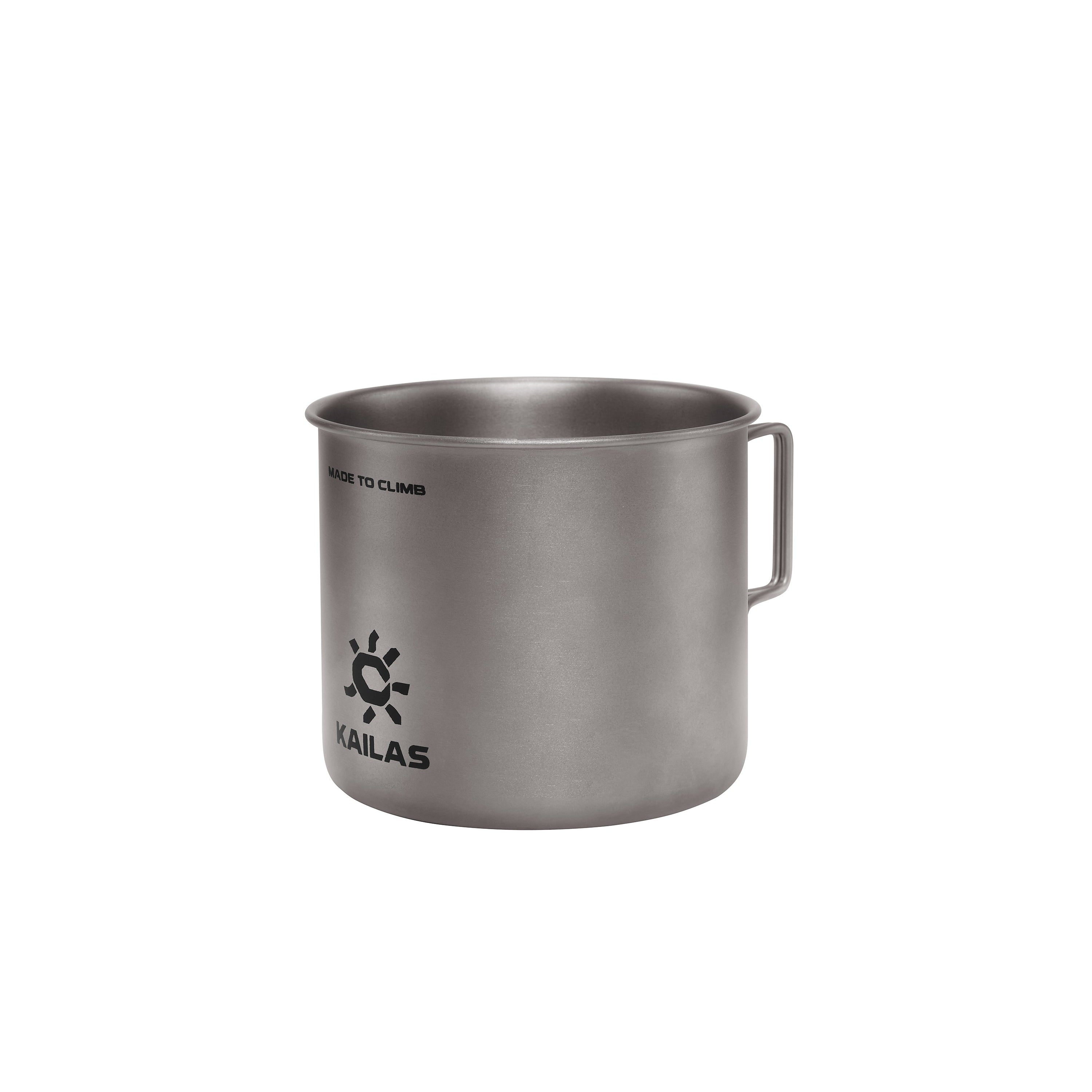
Spend €189+ and get free Titanium Cup
Available during Father's Day (June 8-22)
Father's Day Gift Guide
Filters











Frequently asked questions
1. How Much Water Can a Running Vest Carry?
A running vest can typically carry between 1 to 2 liters of water, depending on its design. Most setups include two front soft flasks (usually 500ml each), and some models also support a hydration bladder for longer runs. The ideal capacity depends on your distance, terrain, and access to water during your run.
2. What Capacity Running Vest Do I Need?
The right running vest capacity depends mainly on your distance, terrain, and how much gear you need to carry:
- 2L–5L: Best for short runs or daily training where you only need water, a phone, and a few essentials
- 6L–10L: Ideal for trail running, long runs, or races—enough space for hydration, nutrition, and lightweight gear
- 10L+: Designed for ultra-distance races, technical routes, or situations where you need extra layers, mandatory gear, and more supplies
Longer and more technical runs require more storage because runners often need to carry water, nutrition, and safety gear all at once.
3. Do Running Vests Bounce While Running?
However, bouncing can occur if the vest is too loose or the load is uneven, especially as water levels drop during a run. Features like secure flask storage and adjustable fit systems can help keep the vest stable and reduce movement. Testing the vest with fully loaded soft flasks and gear is also important, as the fit can change significantly when carrying water and supplies.
4. How to Choose a Running Vest Size?
Choosing the right running vest size is essential for comfort and stability. A proper fit should feel snug but not restrictive, allowing the vest to stay close to your body without bouncing.
- Measure your chest: Most running vests are sized based on chest circumference, so start by checking the brand’s size chart.
- Ensure a close fit: The vest should sit securely without excessive movement, even when fully loaded.
- Check adjustability: Look for adjustable straps that allow you to fine-tune the fit as needed.
- Test under real conditions: Fill the vest with soft flasks, water, and gear to simulate actual running conditions. The fit can change significantly when carrying supplies, so make sure it remains stable and comfortable.
Overall, the right size should feel like an extension of your body, providing a stable and comfortable fit throughout your run, even when fully loaded.
5. Is a Running Vest Good for Long-Distance or Ultra Runs?
Yes, a running vest is highly recommended for long-distance and ultra runs. It allows you to carry essential items like water, nutrition, and mandatory gear while keeping your hands free and your movement natural. For longer distances, staying hydrated and fueled is critical, and a running vest provides easy access to everything you need without interrupting your pace. It also helps distribute weight evenly across your upper body, reducing fatigue compared to handheld bottles or waist packs.
6.Are Running Vests Adjustable for Different Body Shapes?
Yes, most running vests have adjustable shoulder straps, chest straps, and sometimes waist straps to fit various torso lengths and chest widths. This ensures a snug fit for men of different builds.Proper adjustment improves comfort, prevents chafing, and ensures the vest stays stable while running. Many trail running vests also allow fine-tuning of load distribution.