



Men's Jacket
Filters
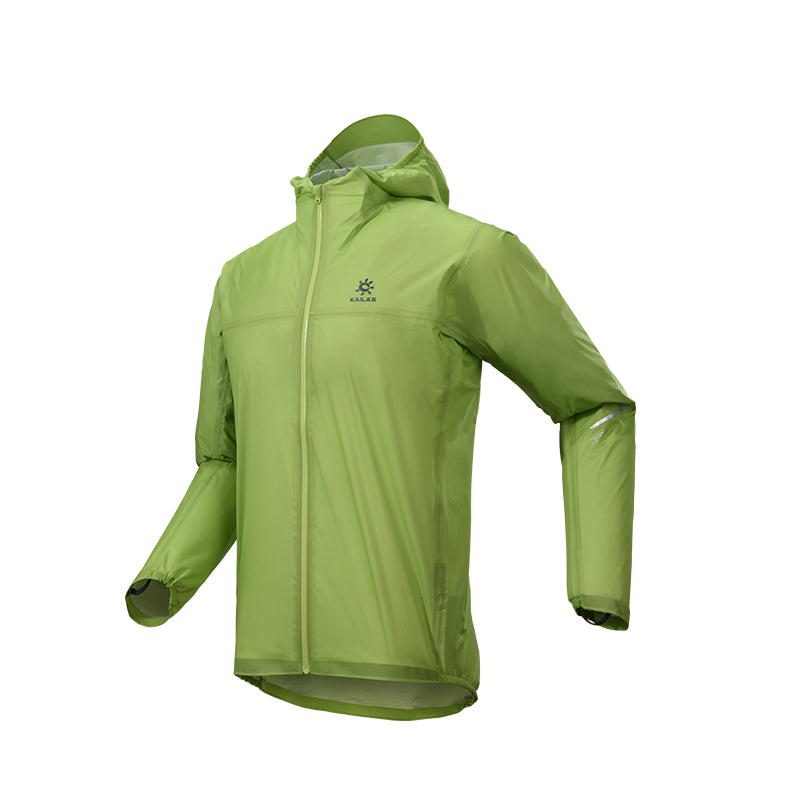
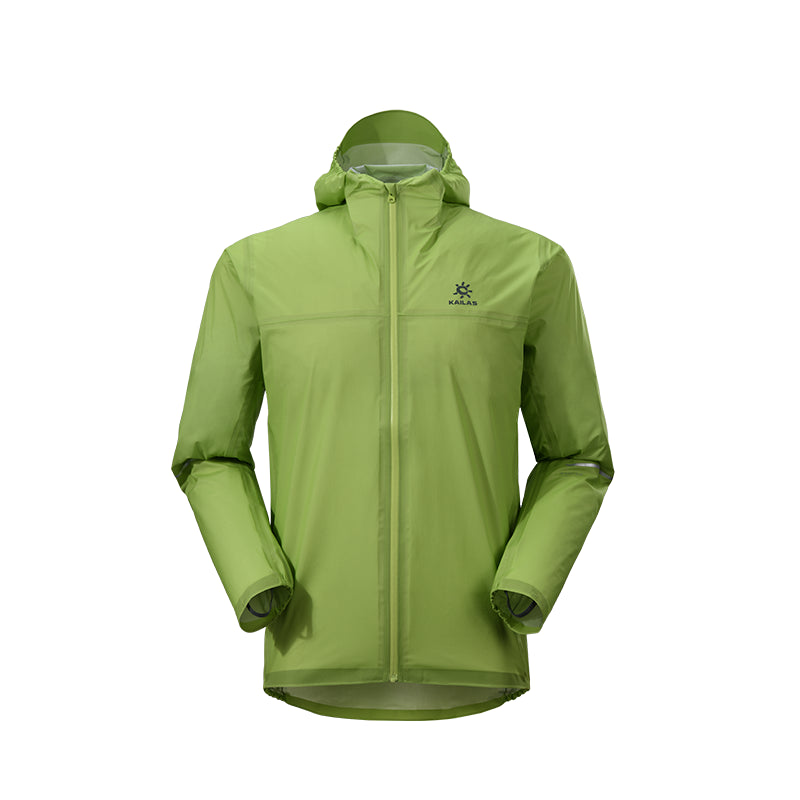
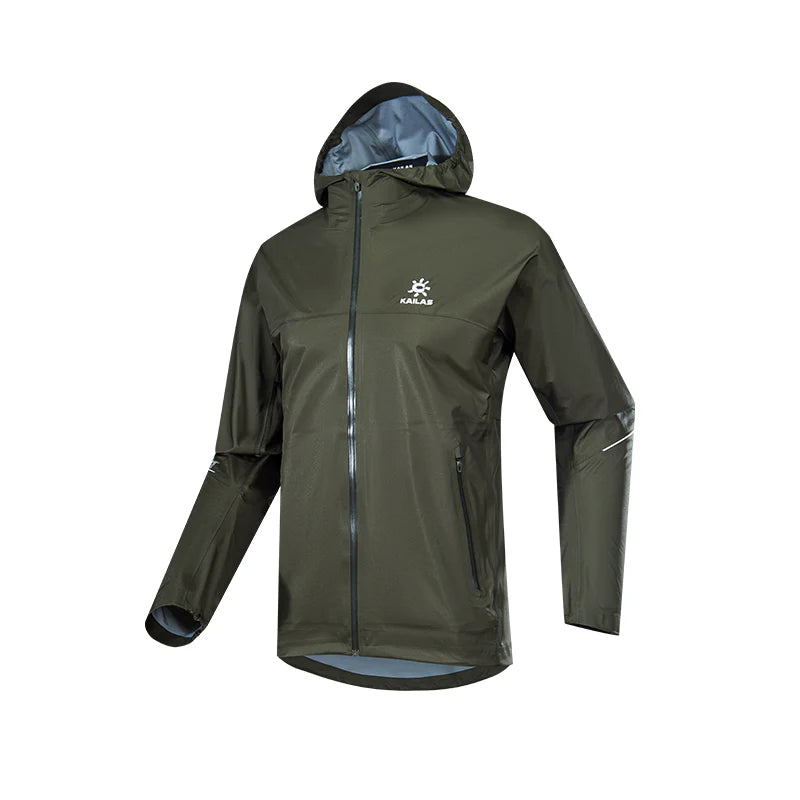
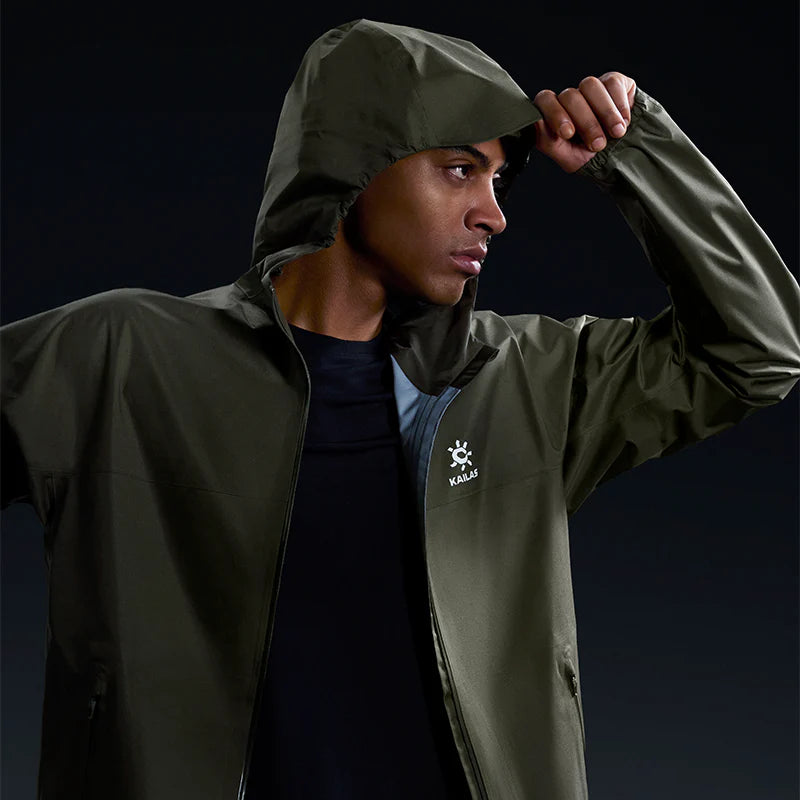
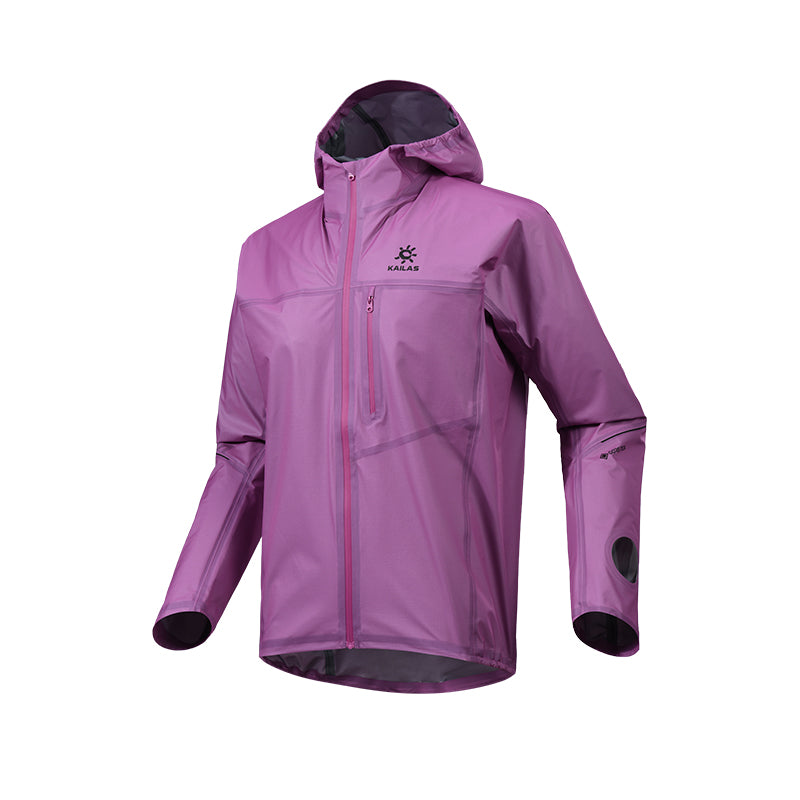
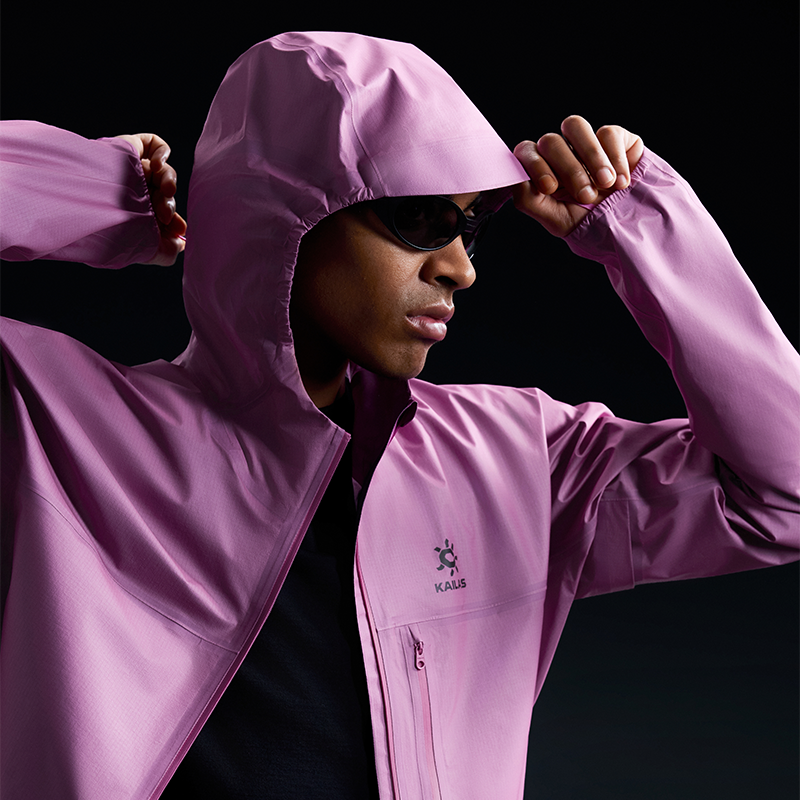
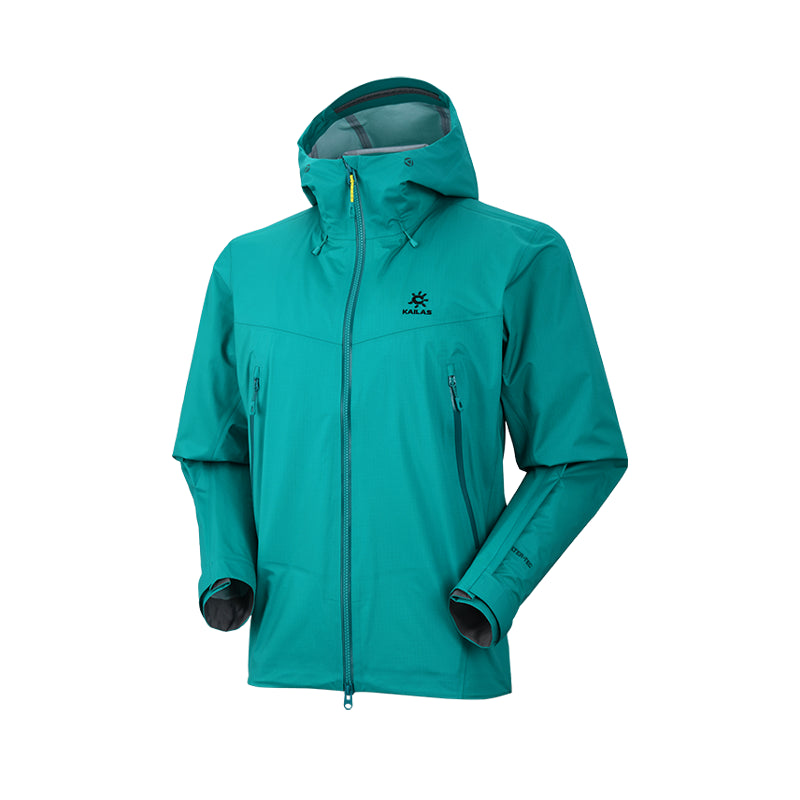
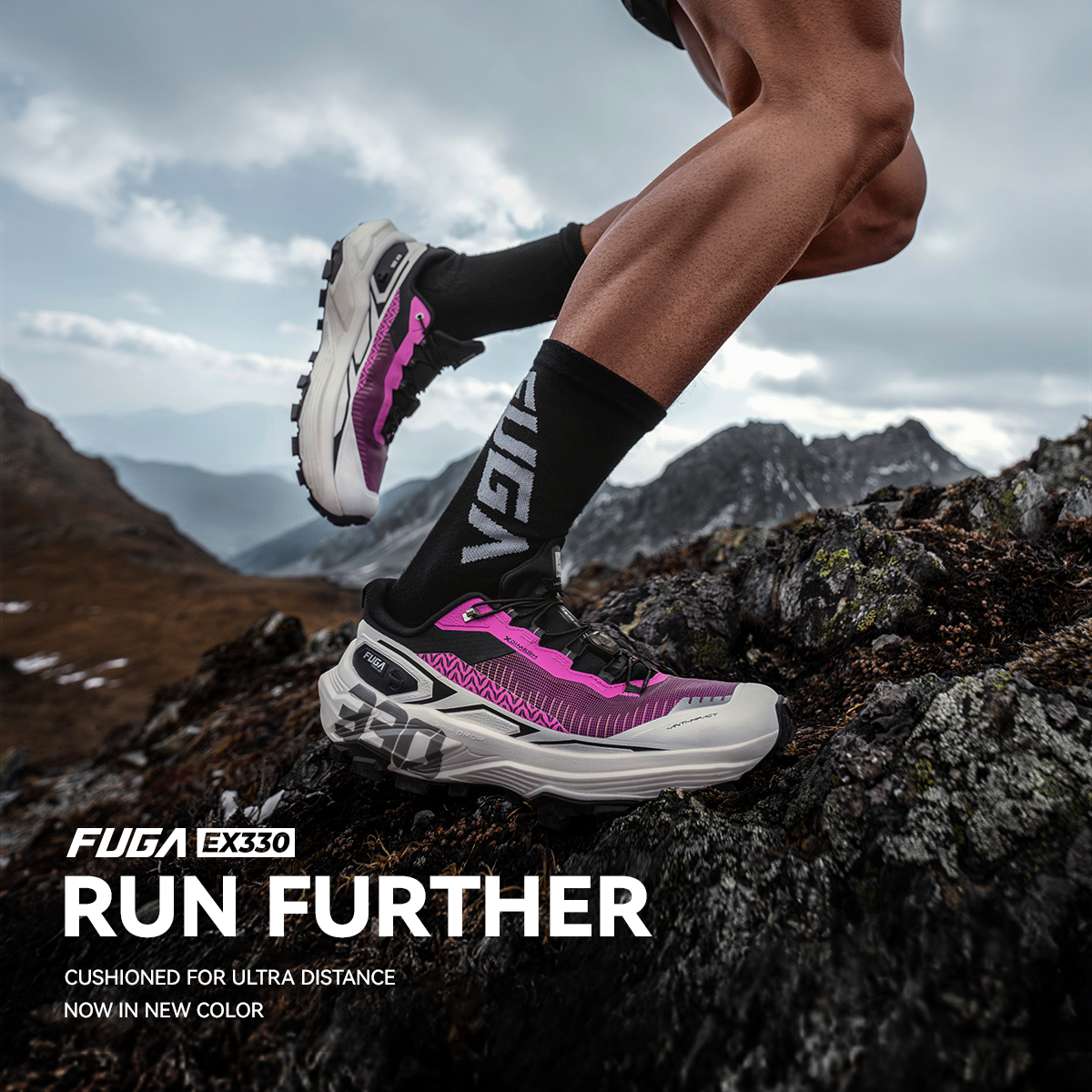
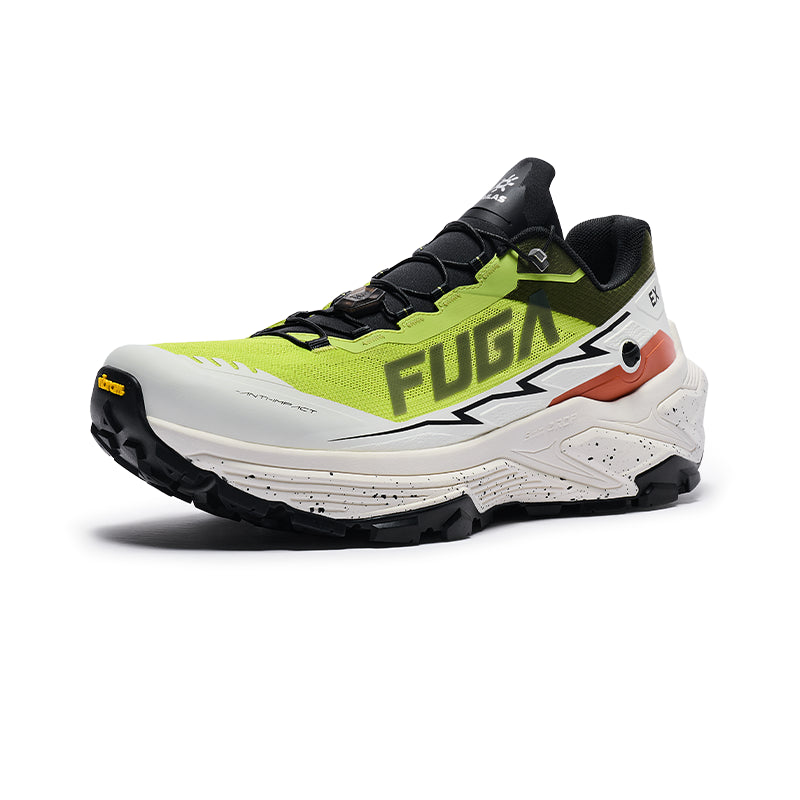
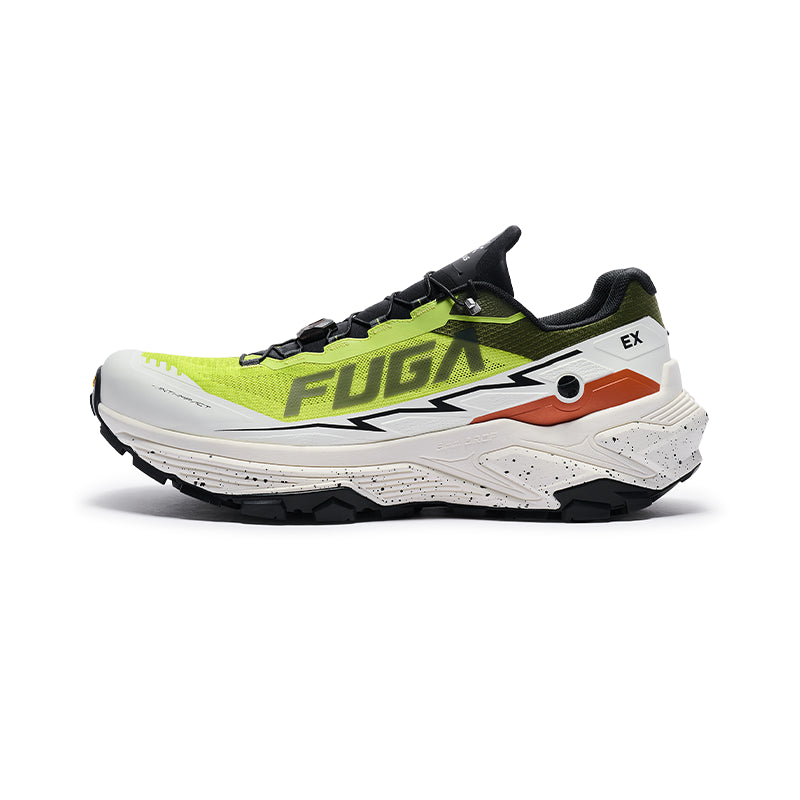
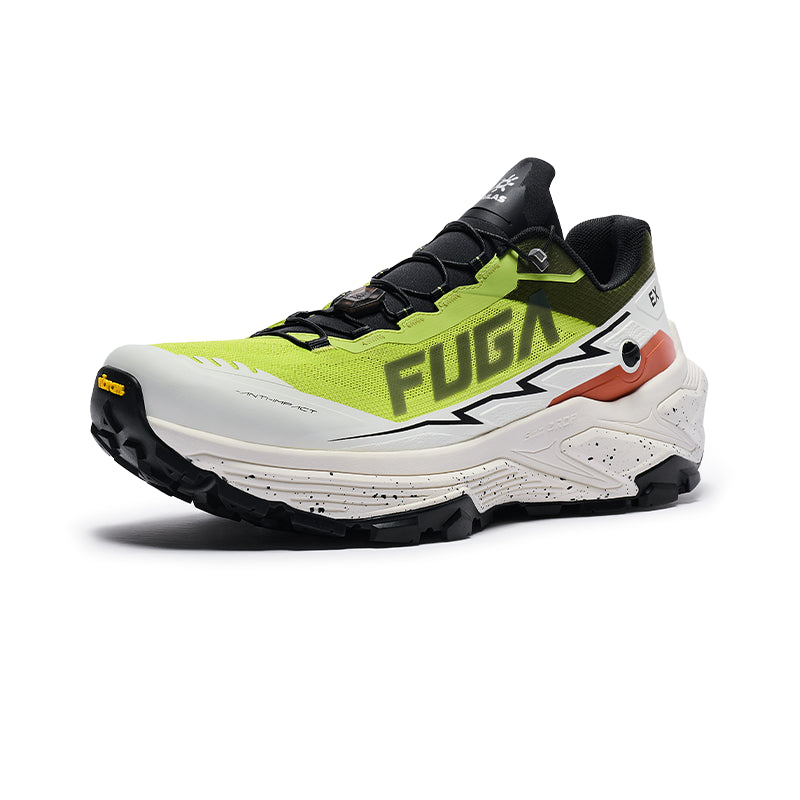
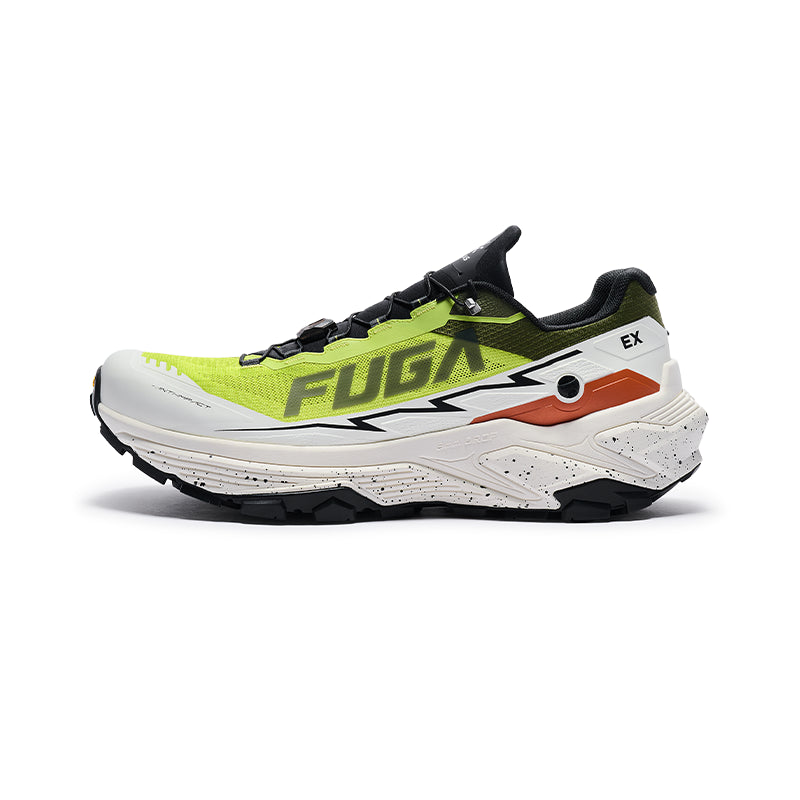
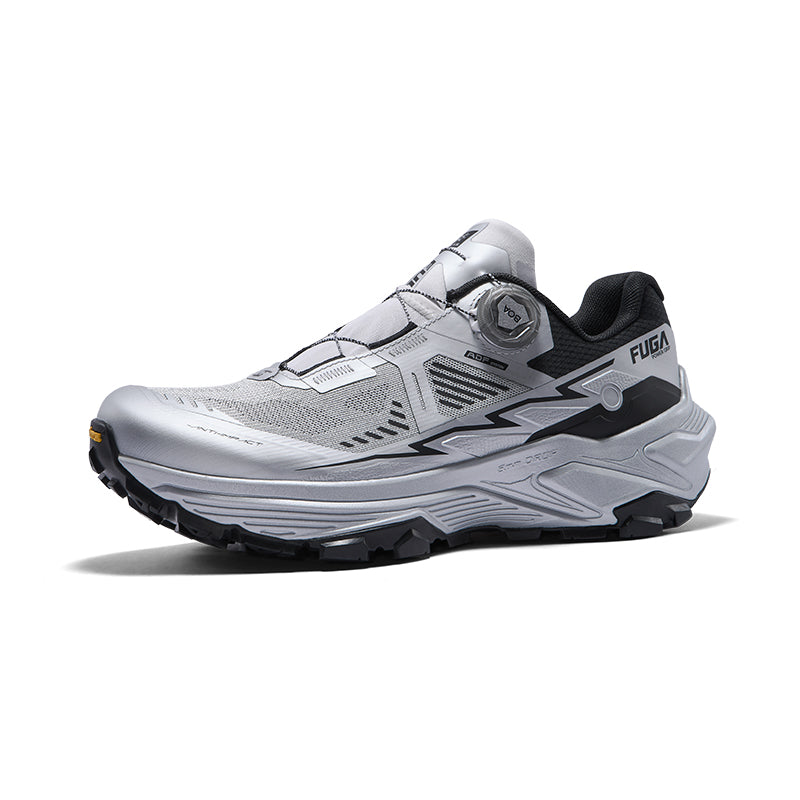
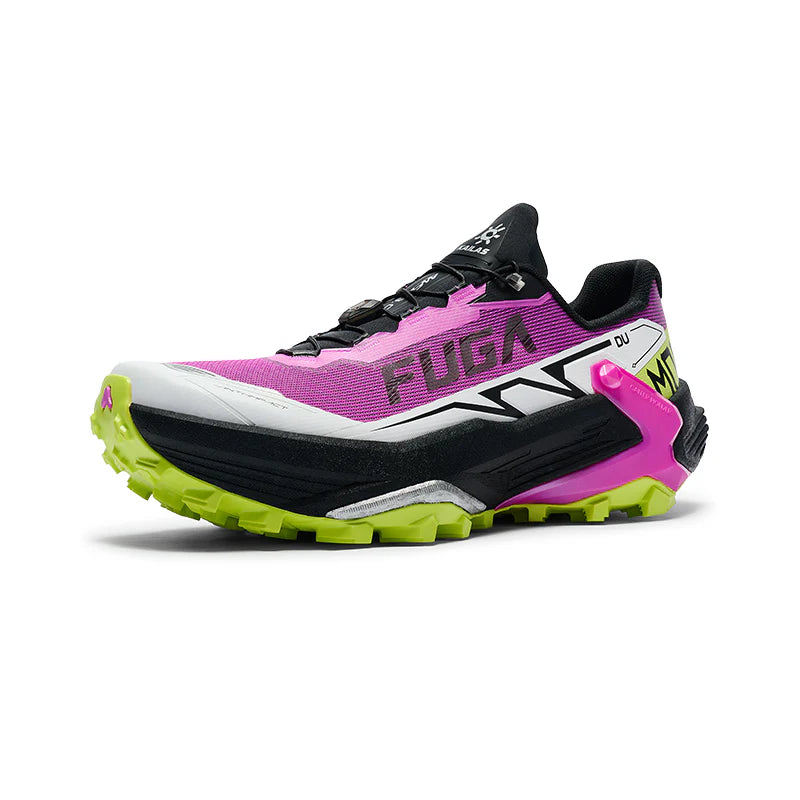
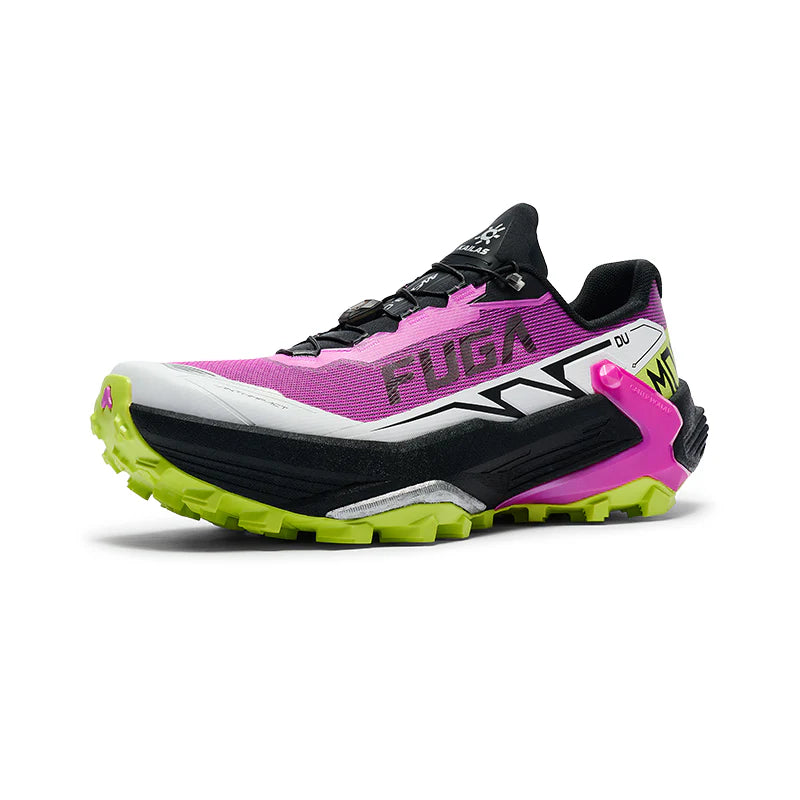
FUGA EX 330 | Electric Pink



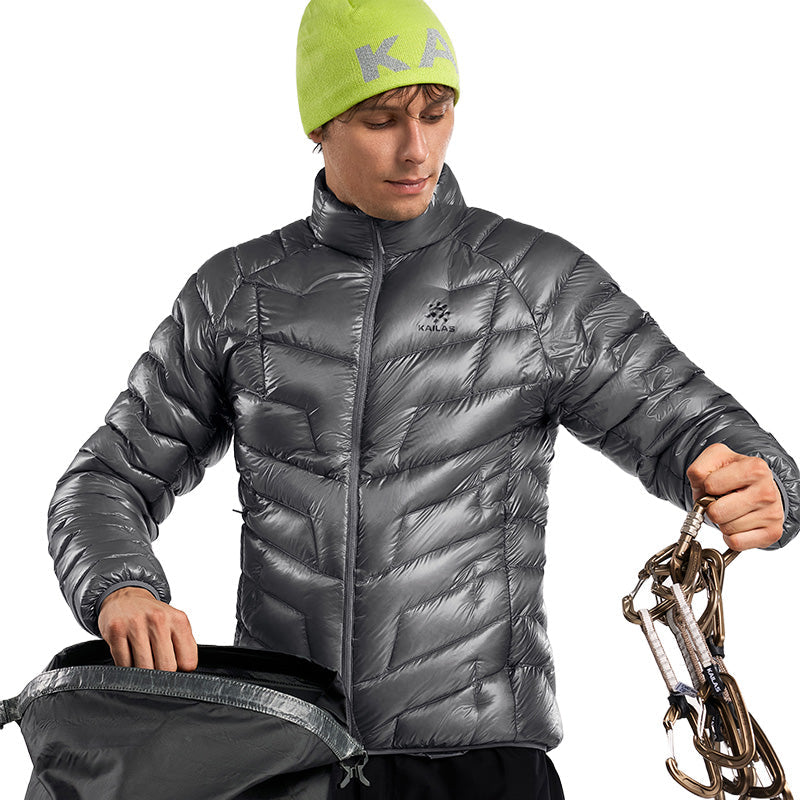
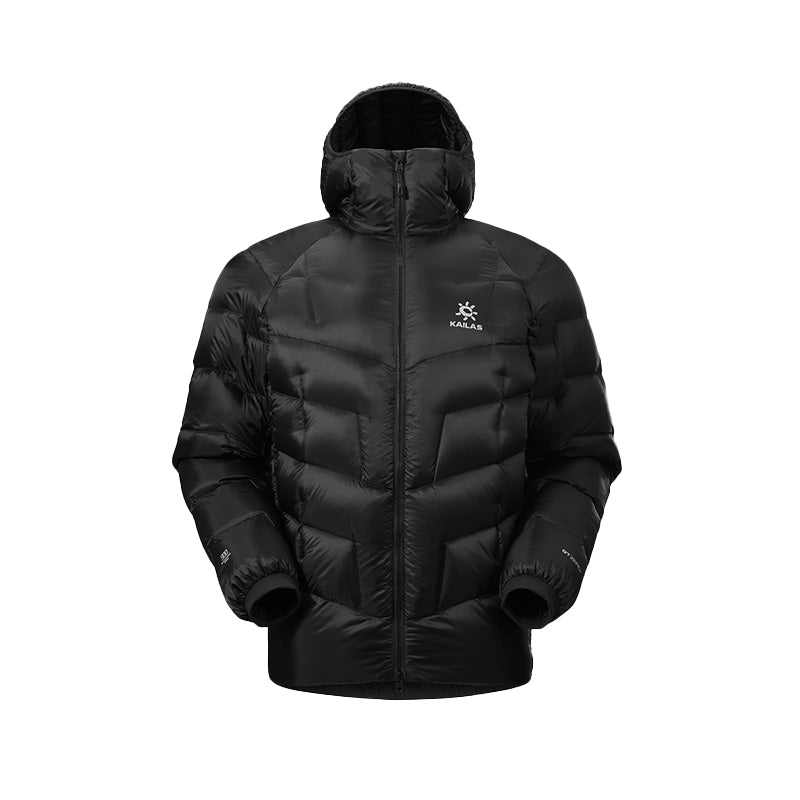
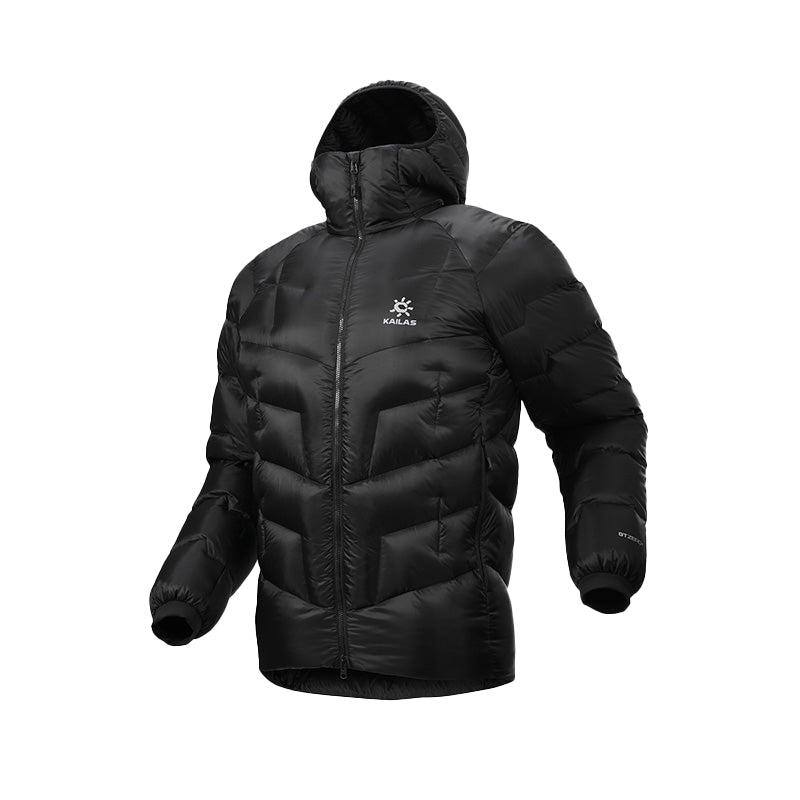
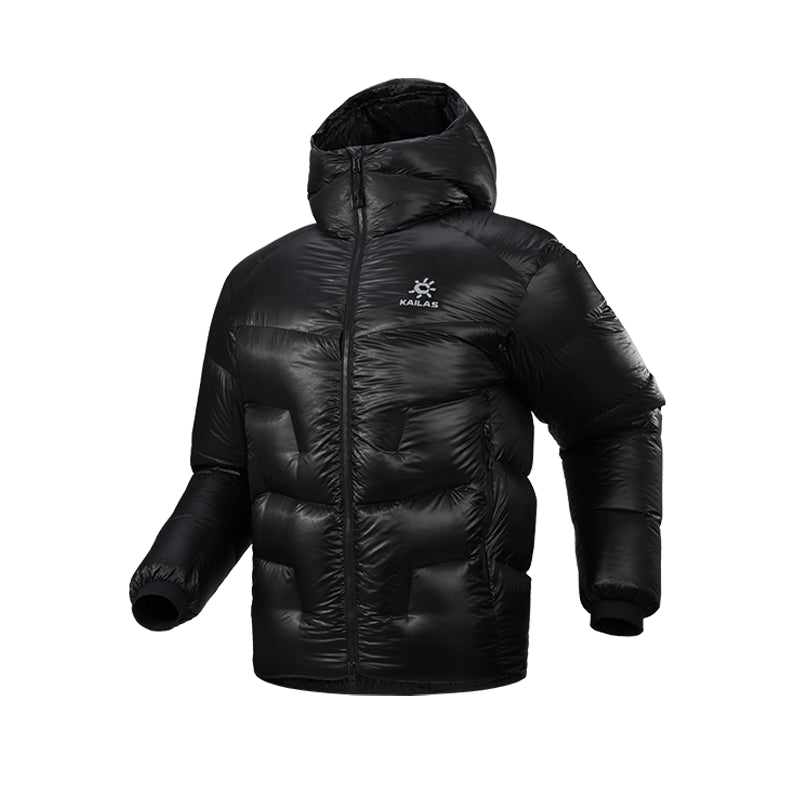
Filters










FAQs
1. Will a Running Jacket Make You Sweat More?
A well-designed trail running jacket for men is made from breathable, moisture-wicking fabrics, so it traps less sweat than a heavy or non-ventilated jacket. Ventilation features such as back vents, pit zips, or mesh panels allow heat and moisture to escape.
2. Do Running Jackets Restrict Movement?
High-quality trail running jackets are cut to allow a full range of motion. Stretch panels in the shoulders and back, along with articulated sleeves, ensure you can run naturally without feeling restricted.Jackets designed for trail running also account for carrying hydration packs or gear.
3. Can a Trail Running Jacket Handle Strong Wind on Exposed Trails?
Yes, many trail running jackets are made with wind-resistant fabrics or laminated membranes that block gusts on exposed ridges and open trails. Adjustable hoods and cuffs help seal out wind while maintaining comfort.
4. Is a Trail Running Jacket Waterproof Enough for Mountain Weather?
Trail running jackets often feature water-resistant or fully waterproof coatings and sealed seams to handle rain, drizzle, or snow. Light rain or short showers are easily managed by most jackets without adding significant weight.For extreme mountain conditions, consider jackets rated with high water resistance or laminated membranes.
5. Does a Trail Running Jacket Help Regulate Body Temperature?
Yes, a trail running jacket helps regulate temperature by combining insulation, ventilation, and moisture-wicking properties. Breathable fabrics release excess heat, while windproof or insulated areas retain warmth in colder conditions. Layering appropriately with a base layer and a jacket allows you to maintain stable body temperature across variable terrain.